
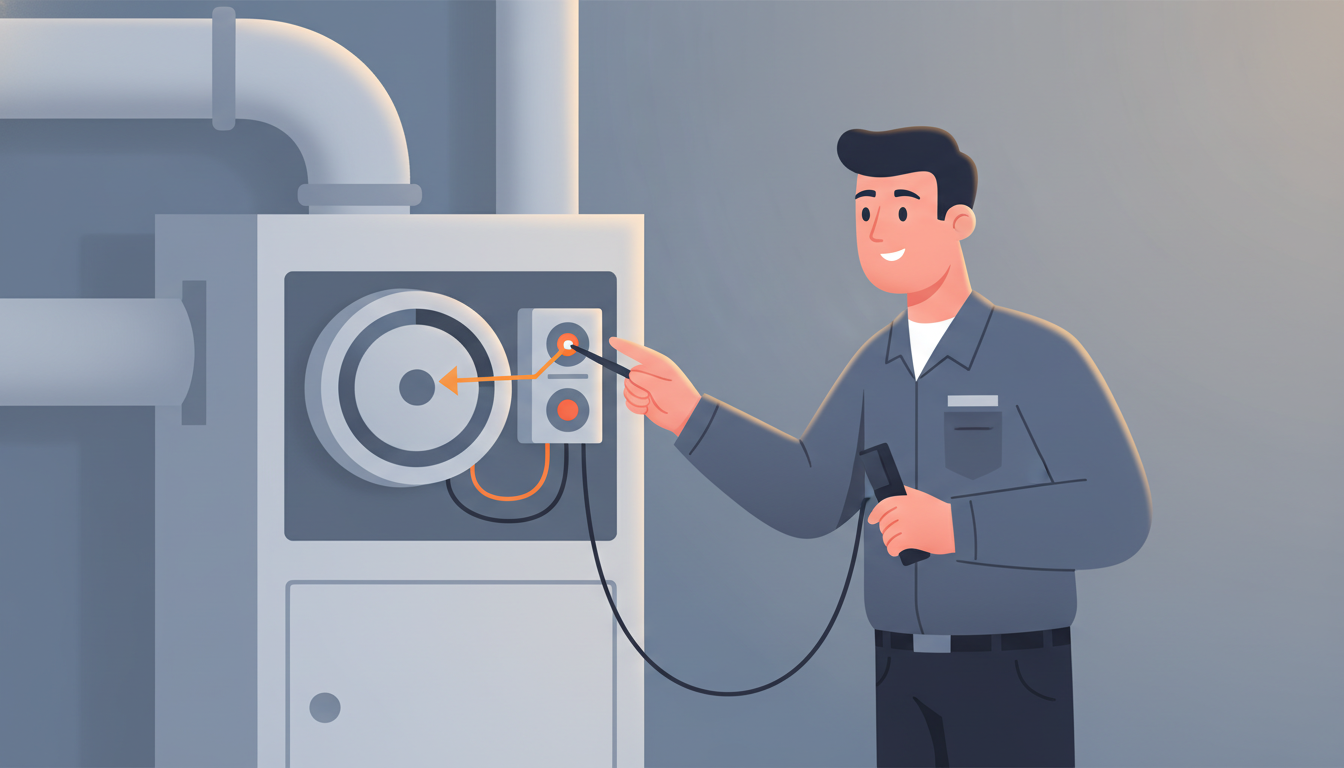
What Causes a Zone Damper Problem? Complete Guide to HVAC Zone Issues
What Causes a Zone Damper Problem? Complete Guide to HVAC Zone Issues
Is one room in your home freezing while another feels like a sauna? Your HVAC zone damper might be the culprit. Zone dampers are the workhorses of modern climate control systems, quietly directing airflow to different areas of your home. When they fail, your comfort—and energy bills—suffer.
In this guide, you'll discover the most common causes of zone damper problems, how to spot the warning signs, and when to call a professional versus tackling repairs yourself.
What Is a Zone Damper and How Does It Work?
A zone damper is a metal plate or blade installed inside your ductwork that opens and closes to control airflow to specific areas of your home. Think of it like a valve that regulates how much heated or cooled air reaches each room or zone.
Most modern homes use automatic (motorized) dampers controlled by individual thermostats in each zone. When a zone calls for heating or cooling, the damper motor opens the blade to allow airflow. When the desired temperature is reached, the damper closes.
Manual dampers exist too, but they require you to physically adjust a lever on the duct. These are less common in zoned HVAC systems.
Common Causes of Zone Damper Problems
Understanding what causes zone damper failure helps you diagnose issues faster and prevent future breakdowns. Here are the most frequent culprits.
1. Damper Motor Failure
The motor (also called an actuator) is the most common failure point in automatic dampers. These small electric motors work constantly—opening, closing, and adjusting damper blades hundreds of times per day.
Why motors fail:
- Wear and tear from continuous operation
- Electrical surges or voltage spikes
- Overheating from restricted airflow
- Age (most damper motors last 10-15 years)
Signs your damper motor is bad:
- No airflow to a specific zone even when the thermostat calls for it
- Humming or buzzing noise from the ductwork
- Damper blade stuck in one position
- Zone always too hot or too cold regardless of thermostat setting
If you have a thermostat not working properly, the issue might actually be the damper motor rather than the thermostat itself.
2. Stuck or Jammed Damper Blades
Damper blades can become stuck in the open or closed position, preventing proper zone control. This mechanical failure often happens gradually.
Common causes of stuck dampers:
- Dirt, dust, and debris accumulation around the damper blade
- Construction debris lodged in the ductwork
- Rust or corrosion on the damper shaft
- Physical damage from duct cleaning or repairs
- In rare cases, rodents or insects creating blockages
A zone damper stuck closed means no airflow reaches that area. A damper stuck open wastes energy by continuously heating or cooling an already comfortable zone.
3. Electrical and Wiring Issues
Motorized dampers require electrical power to operate. Problems with wiring or electrical components cause damper malfunctions.
Electrical issues that affect dampers:
- Loose or disconnected wiring at the damper motor
- No voltage reaching the damper terminals
- Blown fuses or tripped breakers
- Failed relay contacts on the zone control panel
- Corroded wire connections
- Damaged wiring from rodents or age
Testing voltage at the damper motor terminals helps identify electrical problems. If there's no power when the zone calls for heating or cooling, the issue lies upstream—likely in the wiring or control panel.
4. Zone Control Panel Failure
The zone control panel (or zone board) is the brain of your zoned HVAC system. It receives signals from multiple thermostats and tells each damper when to open or close.
Control panel problems include:
- Failed triacs (solid-state switches that control damper motors)
- Burned relay contacts from excessive current draw
- Power supply failure
- Logic board errors or scrambled programming
- Lightning strikes or power surges damaging internal components
If multiple zones fail simultaneously, the control panel is often to blame rather than individual dampers. However, if you're experiencing issues where your thermostat reads the wrong temperature, that could be a separate thermostat calibration issue.
5. Thermostat Malfunctions
Sometimes what appears to be a zone damper problem is actually a faulty thermostat. The thermostat sends signals to the control panel, which then activates the damper.
Thermostat issues that mimic damper problems:
- Dead batteries preventing thermostat operation
- Incorrect thermostat wiring
- Thermostat set to "off" or "fan only" mode
- Placement in a location with temperature extremes
- Outdated or incompatible smart thermostat settings
Before assuming your damper is broken, verify that your thermostat is functioning correctly and properly communicating with the zone control system.
6. Spring or Return Mechanism Failure
Many damper designs include a spring return mechanism that automatically positions the damper blade when power is lost. This fail-safe feature prevents stuck dampers during power outages.
Spring mechanism problems:
- Spring tension weakens over time
- Spring breaks completely
- Return linkage becomes disconnected
- Damper defaults to wrong position (open instead of closed, or vice versa)
Spring failures are less common but can cause confusing symptoms where dampers don't return to their normal position after the HVAC system cycles.
7. Static Pressure Imbalances
Zone damper systems change airflow patterns in your ductwork. When too many zones close simultaneously, static pressure builds up in the system. This increased pressure can damage dampers and other HVAC components.
High static pressure causes:
- Undersized bypass dampers or lack of bypass entirely
- Too many zones closed at once
- Ductwork designed without zoning in mind
- Improperly sized HVAC equipment for zoned applications
Excessive static pressure can force damper blades open even when the motor tries to close them, or bend damper blades out of shape.
Less Common Zone Damper Issues
While motor failures and stuck blades account for most problems, these additional issues occasionally occur.
Damper Blade Warping or Bending
Metal damper blades can warp from heat exposure or bend from excessive air pressure. Warped blades don't seal properly when closed, allowing air to leak through.
Linkage and Hardware Problems
The mechanical linkage connecting the motor to the damper blade can fail. Screws loosen, connecting rods detach, or mounting brackets break—all preventing proper damper operation.
Incompatible System Components
Mismatched components cause operational problems. For example, pairing a 24-volt damper motor with a control panel outputting different voltage, or installing dampers not rated for your system's airflow capacity.
Warning Signs Your Zone Damper Is Failing
Catching damper problems early saves money and prevents comfort issues. Watch for these symptoms:
- One zone always hot or cold: The most obvious sign that a specific zone's damper isn't opening or closing properly
- Uneven temperatures: Some rooms comfortable while others are not, despite similar thermostat settings
- Increased energy bills: Dampers stuck open waste energy by over-conditioning zones
- Unusual noises: Humming, buzzing, clicking, or rattling from ductwork when the system activates
- No airflow from vents: Registers in affected zones produce little or no air
- HVAC system short cycling: System turns on and off frequently due to static pressure imbalances from stuck dampers
How to Diagnose Zone Damper Problems
You can perform basic troubleshooting before calling an HVAC technician.
Step 1: Test Each Zone
Adjust the thermostat in each zone to call for heating or cooling. Listen for damper motors operating (a soft hum or click). Feel airflow at supply registers in each zone.
Step 2: Visual Inspection
If you can access your ductwork, visually inspect dampers for obvious damage, disconnected linkages, or stuck blades. You may need to remove an access panel or look through vent registers.
Step 3: Check Electrical Connections
Turn off power to your HVAC system. Inspect wiring connections at the damper motor and zone control panel for loose, corroded, or damaged wires.
Step 4: Verify Thermostat Operation
Replace thermostat batteries if applicable. Confirm thermostats are in the correct mode (heat or cool) and set to temperatures that should trigger the system.
Step 5: Manual Override Test
Many motorized dampers have a manual override lever. Manually open and close the damper to test if the blade moves freely or if it's mechanically stuck.
For a comprehensive guide on general HVAC diagnostics, see our complete HVAC repair guide.
Repair vs. Replacement: What's More Cost-Effective?
When you've identified a damper problem, should you repair or replace?
When to Repair
Repair makes sense if:
- The damper motor failed but the blade and housing are intact
- Electrical connections are loose or corroded but the damper itself works
- Debris is causing a stuck blade but there's no permanent damage
- The damper is relatively new (less than 5 years old)
Average repair costs: $150-$400 for motor replacement or cleaning services
When to Replace
Replacement is better when:
- The damper assembly is warped, rusted, or damaged
- Repair costs approach 50% or more of replacement cost
- The damper is 15+ years old and nearing end of life
- You're upgrading to a more efficient zoning system
Average replacement costs: $300-$600 per damper including parts and labor
DIY vs. Professional Service
DIY appropriate for:
- Cleaning debris from accessible dampers
- Tightening loose linkages or screws
- Replacing thermostat batteries
- Basic electrical testing with a multimeter
Call a professional for:
- Damper motor or actuator replacement
- Control panel diagnosis and repair
- Electrical troubleshooting beyond simple connections
- System-wide static pressure balancing
- Warranty-covered repairs
Preventing Zone Damper Problems
Preventive maintenance extends damper lifespan and prevents unexpected failures.
Regular HVAC Maintenance
Schedule professional HVAC maintenance annually. Technicians should:
- Inspect damper operation in all zones
- Clean damper blades and housings
- Test damper motors and linkages
- Verify proper control panel function
- Check electrical connections
Keep Air Filters Clean
Dirty air filters increase static pressure throughout your ductwork, putting extra strain on damper motors and blades. Replace filters every 1-3 months depending on use.
Don't Close Too Many Vents
While zoning lets you condition specific areas, closing dampers to too many zones simultaneously creates dangerous pressure imbalances. Keep at least 40-50% of your home's zones open at any time.
Address Airflow Issues Promptly
If you notice weak airflow or temperature imbalances, investigate immediately. Small problems become major repairs if ignored.
Consider Bypass Damper Installation
If your system lacks a bypass damper, installing one helps regulate static pressure when multiple zones close. This reduces strain on all dampers and extends their lifespan.
Impact of Zone Damper Problems on Energy Efficiency
Malfunctioning zone dampers waste significant energy and increase utility costs.
How damper problems cost you money:
- Stuck open dampers continuously heat or cool unoccupied zones, wasting energy
- Stuck closed dampers force your HVAC system to work harder trying to reach temperature setpoints
- Pressure imbalances from failed dampers reduce overall system efficiency
- Short cycling from damper issues increases wear on your furnace or AC compressor
A single stuck damper can increase your energy bills by 15-30% in the affected zone. Multiply that across multiple zones, and you're looking at hundreds of dollars in annual waste.
Modern Zone Damper Technologies
Newer damper systems offer improved reliability and features compared to older designs.
Smart Dampers with Position Feedback
Advanced dampers report their exact position to the control panel, allowing the system to verify proper operation and alert you to problems.
Low-Voltage High-Efficiency Motors
Modern damper motors use less electricity and generate less heat, extending their operational life.
Modulating Dampers
Rather than simple open/closed operation, modulating dampers can partially open to fine-tune airflow, improving comfort and efficiency.
Wireless Control Options
Some new systems offer wireless damper control, eliminating wiring issues and simplifying installation.
Frequently Asked Questions
How long do zone dampers typically last?
Quality zone dampers typically last 15-20 years with proper maintenance. The damper motor usually fails before the damper housing or blade, often around the 10-15 year mark.
Can I manually open a stuck motorized damper?
Most motorized dampers include a manual override lever for emergency operation. However, this is a temporary solution—the motor should be repaired or replaced for normal automatic operation.
Why does my zone damper make clicking or humming noises?
Clicking usually indicates a relay or motor attempting to operate but encountering resistance. Humming suggests the motor is receiving power but the damper blade is stuck or the motor is failing.
Do all HVAC systems have zone dampers?
No. Only homes with zoned heating and cooling systems use zone dampers. Single-zone systems condition the entire house uniformly and don't require dampers.
Can a bad zone damper damage my HVAC system?
Yes. A stuck closed damper can create excessive static pressure that damages the blower motor, cracks the heat exchanger, or trips safety limits. Multiple stuck dampers create even more stress on your system.
When to Call an HVAC Professional
While homeowners can handle basic troubleshooting, professional expertise is essential for:
- Any electrical work beyond simple visual inspection
- Damper motor or actuator replacement requiring ductwork access
- Zone control panel diagnosis and repair
- System-wide balancing and airflow measurement
- Situations involving refrigerant, gas lines, or high-voltage electrical
- Problems affecting multiple zones simultaneously
HVAC technicians have specialized tools like manometers for pressure testing, multimeters for electrical diagnosis, and thermal cameras for identifying airflow issues. Their training allows quick, accurate diagnosis that saves you time and money compared to trial-and-error DIY repairs.
Conclusion: Take Action on Zone Damper Problems
Zone damper problems are frustrating but usually fixable. The most common causes—motor failures, stuck blades, and electrical issues—can often be diagnosed with basic troubleshooting and resolved with professional repair.
Don't ignore the warning signs. Temperature imbalances, unusual noises, and increased energy bills indicate problems that will worsen over time. Early intervention prevents minor damper issues from becoming major HVAC system failures.
Take these steps today:
- Test each zone in your home to identify problem areas
- Perform a visual inspection of accessible dampers
- Schedule professional HVAC maintenance if you haven't in the past year
- Address any identified issues promptly to restore comfort and efficiency
Your zoned HVAC system is a sophisticated comfort tool. Keeping your zone dampers properly maintained ensures every room in your home stays comfortable year-round while minimizing energy waste.
Need help with your zone damper problems? Contact a qualified HVAC technician who specializes in zoned systems for accurate diagnosis and professional repair.