No Heat? Your Complete Checklist Before Calling for Repair
No Heat? Your Complete Checklist Before Calling for Repair
When your heating system stops working on a cold night, panic sets in fast. Before you pick up the phone and call for emergency HVAC repair, take a deep breath. Many no-heat situations have simple fixes that you can handle yourself in just minutes—saving you money, time, and the stress of waiting for a technician.
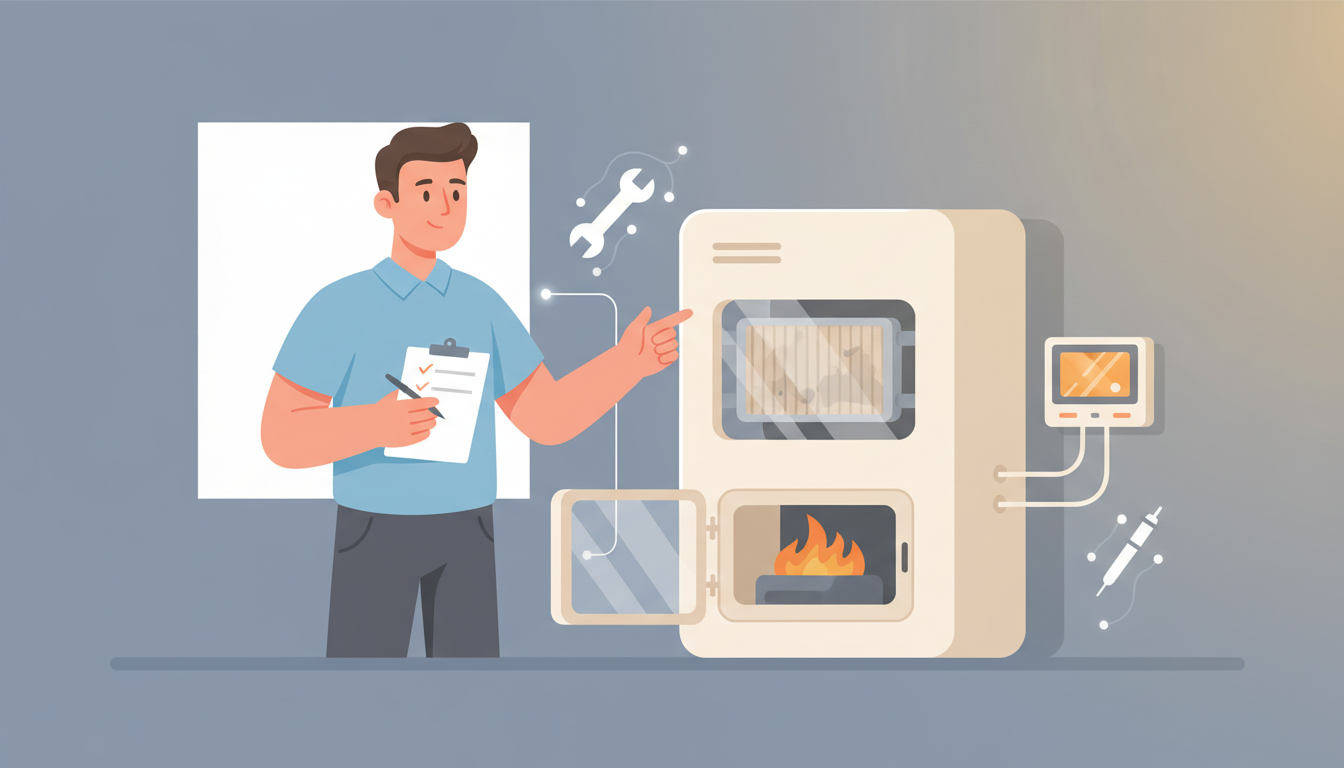
This no heat repair checklist walks you through everything homeowners should check before calling for professional help. You'll learn exactly what to look for, how to spot safety issues, and when it's time to call in the experts.
Why Your No Heat Emergency Might Not Need a Repair Call
Here's the truth: over 50% of "no heat" service calls are resolved without any actual repairs. The culprit? Simple issues like incorrect thermostat settings, dirty air filters, or tripped circuit breakers. These problems cost homeowners hundreds of dollars in unnecessary service fees.
By working through this heating system troubleshooting checklist, you're taking control. Even if you can't fix the problem yourself, you'll have valuable information to share with your HVAC technician—helping them diagnose the issue faster and potentially saving you money.
Let's get your heat back on.
Safety First: When to Skip DIY and Call Immediately
Before we dive into the no heat repair checklist, you need to know when to stop troubleshooting and call for help right away.
Call a professional immediately if you:
- Smell gas or a "rotten egg" odor near your furnace
- Hear unusual sounds like loud banging, screeching, or rumbling
- See flames that are yellow or orange instead of blue
- Notice smoke coming from your heating equipment
- Experience carbon monoxide detector alarms
- Smell burning plastic or electrical odors that persist
These warning signs indicate serious safety hazards. Leave your home if you smell gas, call your utility company or 911, and don't attempt any DIY fixes. For other urgent issues, contact a qualified HVAC professional for emergency heating repair.
Step 1: Check Your Thermostat Settings
Start your furnace troubleshooting before repair with the simplest check: your thermostat. It sounds basic, but thermostat issues account for countless service calls.
Here's what to verify:
- Mode setting: Make sure your thermostat is set to "Heat," not "Cool" or "Off"
- Temperature setting: Confirm the temperature is set at least 5 degrees higher than the current room temperature
- Fan setting: Check if the fan is set to "Auto" rather than "On" (when set to "On," the fan runs constantly even without heat)
- Battery power: If you have a battery-powered thermostat, replace the batteries—low batteries cause erratic behavior
Smart Thermostat Troubleshooting
If you have a smart thermostat, additional issues can occur:
- Check if your Wi-Fi connection is working
- Verify the thermostat hasn't switched to an energy-saving schedule
- Look for error codes or messages on the display
- Try rebooting the thermostat by removing it from the wall plate for 30 seconds
Still no heat? Move to the next step in your heating system not working checklist.
Step 2: Inspect and Replace Your Air Filter
A clogged air filter is the most common cause of furnace problems. When airflow is restricted, your system's safety switch kicks in and shuts everything down to prevent overheating.
How to check your air filter:
- Locate your filter (usually in the return air vent or inside the furnace cabinet)
- Remove the filter and hold it up to a light
- If you can't see light through it, or it's visibly dirty or gray, it needs replacement
Replace your air filter every 1-3 months during heating season. If you have pets, allergies, or run your system constantly, check monthly. A fresh filter can restore your heat immediately and improve your HVAC system's efficiency.
After installing a new filter, wait 5-10 minutes and see if your system starts blowing warm air.
Step 3: Verify Electrical Power Supply
Your heating system needs electricity to operate, even if it's a gas furnace. Check these power sources before calling for no heat repair:
Check Your Circuit Breaker
- Go to your home's electrical panel
- Look for any tripped breakers (they'll be in the middle position, not fully "on" or "off")
- If you find a tripped breaker for your furnace or HVAC system, flip it all the way off, then back on
- Wait a few minutes to see if your system restarts
If the breaker trips again immediately, you have an electrical problem that requires professional attention. Don't keep resetting it.
Look for the Furnace Power Switch
Your furnace has a dedicated power switch, often located:
- On the side of the furnace cabinet
- On a nearby wall (looks like a regular light switch)
- Sometimes even at the top of basement stairs
This switch is frequently bumped to the "off" position accidentally, especially during cleaning or storage activities. Make sure it's flipped to "on."
Inspect the Blower Door Safety Switch
Most furnaces have a safety switch that prevents operation if the blower compartment door isn't fully closed. Check that:
- The front panel is completely secured
- There are no obstructions preventing the door from closing fully
- The small switch button behind the door is being pressed in completely
Step 4: Check for Blocked or Closed Vents
Restricted airflow causes heating systems to overheat and shut down. This is an easy DIY furnace troubleshooting fix that homeowners often overlook.
What to check for:
- Return air vents: Walk through your home and ensure furniture, curtains, or rugs aren't blocking return air grills (usually larger vents on walls or ceilings)
- Supply registers: Make sure at least 80% of your supply vents (floor or ceiling registers that blow air) are open—closing too many creates pressure imbalances
- Duct dampers: If your home has dampers in the ductwork, verify they're in the open position for winter heating
Blocked vents force your system to work harder and can trigger safety shutoffs. Clear any obstructions and wait 10-15 minutes to see if your heat returns.
Step 5: Inspect Your Pilot Light and Ignition System
For gas furnaces, the pilot light or electronic ignition system must be functioning for heat to work.
For Older Furnaces with Standing Pilot Lights
- Locate the pilot light viewing window (usually on the front lower section of your furnace)
- Look for a small blue flame
- If the pilot is out, consult your owner's manual for relighting instructions (usually posted on the furnace itself)
To relight a pilot light safely:
- Turn the gas valve to "Off" and wait 10-15 minutes for gas to dissipate
- Turn the valve to "Pilot"
- Press and hold the pilot button while lighting the pilot with a long lighter
- Hold for 30-60 seconds, then release
- Turn the valve to "On"
If the pilot won't stay lit after multiple attempts, you likely have a faulty thermocouple—time to call a professional.
For Modern Furnaces with Electronic Ignition
Newer systems don't have pilot lights. Instead, they use electronic igniters. If you hear clicking sounds but no ignition, or see error codes flashing, this indicates an ignition system problem requiring professional diagnosis.
Step 6: Verify Your Fuel Supply
Your heating system can't create warmth without fuel. Here's what to check based on your system type:
Natural Gas Systems
- Locate the gas valve near your furnace (usually a yellow or red lever)
- Ensure the handle is parallel to the gas line (parallel = on, perpendicular = off)
- Check if other gas appliances (stove, water heater) are working—if not, you may have a gas supply issue
Propane Systems
- Check your propane tank gauge
- If you're below 20%, schedule a delivery immediately
- Remember that propane doesn't vaporize well in extreme cold—if your tank is low during a cold snap, this can cause heating problems
Oil Heat Systems
- Check your fuel oil tank level
- Look for a reset button on your oil burner (usually red)
- Press once if the system has shut down—but never more than once
- If pressing reset doesn't work, or if it shuts off again, call for service
Running out of fuel is more common than you'd think, especially early in the heating season.
Step 7: Address Drainage and Condensate Issues
High-efficiency furnaces and boilers produce condensation that must drain away properly. A clogged condensate drain will shut your system down.
Check these components:
- Condensate drain line: Look for a small plastic tube leading away from your furnace—make sure it's not frozen or clogged
- Condensate pump: If your system has a pump, listen for it running and check that it's not full of water
- Drain pan: Empty any standing water you see in the drain pan
In cold weather, condensate lines can freeze, especially if they drain outdoors. Thaw frozen lines with warm (not hot) water or a hair dryer on low heat.
Step 8: Check Heat Pump Outdoor Units
If you have a heat pump, winter heating problems often originate with the outdoor unit.
Ice and Snow Accumulation
- Clear snow and ice from around the outdoor unit (maintain 2-3 feet of clearance)
- Light frost on coils is normal, but excessive ice buildup indicates a problem
- Check that the defrost cycle is working (you should hear it periodically switch modes)
Emergency Heat Mode
Most heat pumps have an "Emergency Heat" or "Aux Heat" setting on the thermostat. If your outdoor unit isn't working:
- Switch to emergency heat mode temporarily
- This activates backup electric heating elements
- Schedule a service call soon—emergency heat is expensive to run
Learn more about heat pump troubleshooting and when to call for professional HVAC repair.
Step 9: Listen for Your Furnace Blower Motor
Your furnace blower motor moves warm air through your home. If it's not running, you won't feel heat even if the furnace is firing.
What to listen for:
- Turn your thermostat up and listen near your furnace
- You should hear the blower motor kick on within a few minutes
- No sound could mean a failed blower motor or capacitor
If you hear humming but the blower doesn't spin, the motor or capacitor likely needs professional replacement.
Step 10: Inspect Visible Components for Obvious Issues
Sometimes a visual inspection reveals problems:
- Rust or corrosion: Heavy rust on your heat exchanger or other components indicates age-related wear
- Loose or disconnected wires: Check for any obviously loose electrical connections (don't touch—just look)
- Unusual sounds: Grinding, squealing, or banging noises suggest mechanical failures
- Visible damage: Cracks, holes, or bent components need professional attention
If your furnace is more than 15-20 years old and showing signs of wear, it might be time to discuss replacement versus repair with a qualified technician.
When to Call a Professional HVAC Technician
You've worked through the no heat repair checklist and still don't have warm air. Now it's time to call in professional help.
Contact an HVAC professional if:
- None of the DIY troubleshooting steps restored your heat
- You've identified a specific component that needs repair or replacement
- Your system is short-cycling (turning on and off frequently)
- You smell unusual odors or hear concerning sounds
- Your heat works intermittently but not consistently
- Your system is older and may need replacement consideration
Don't wait too long in cold weather—frozen pipes can cause thousands in damage. Most HVAC companies offer emergency services for heating failures.
How Much Will a No-Heat Repair Cost?
If your DIY furnace fixes don't solve the problem, here's what professional repairs typically cost:
- Service call/diagnostic fee: $75-$200
- Thermostat replacement: $150-$300
- Ignitor replacement: $150-$350
- Blower motor repair: $400-$600
- Heat exchanger replacement: $1,500-$3,000
- Complete furnace replacement: $3,000-$7,000+
By troubleshooting first, you might avoid the service call entirely—or at least provide your technician with helpful information that speeds up diagnosis and potentially reduces labor costs.
Prevent Future No-Heat Emergencies
Once your heat is restored, take steps to prevent future breakdowns:
- Schedule annual maintenance: Professional tune-ups catch problems before they cause failures
- Change filters regularly: Mark your calendar for monthly filter checks during heating season
- Keep vents clear: Make it a habit to ensure good airflow throughout your home
- Address small issues promptly: Strange sounds or smells deserve attention before they become emergencies
- Know your system's age: Start planning for replacement when your furnace reaches 15+ years
Regular maintenance is far less expensive than emergency repairs. Consider a maintenance plan with a trusted local HVAC company.
FAQ: Common No-Heat Questions Homeowners Ask
How long should I try DIY fixes before calling for help?
Give yourself 30-60 minutes to work through this checklist. If simple fixes like changing filters, checking power, and adjusting the thermostat don't work, it's time to call a professional. Don't wait days in cold weather—frozen pipes can cause major damage.
Is it normal for my furnace to blow cold air at first?
Yes, a brief period of cool air at startup is normal, especially for heat pumps. However, if cold air continues for more than 3-5 minutes after the system starts, you have a problem that needs attention.
Why does my heat work sometimes but not others?
Intermittent heating usually indicates a failing component like a control board, ignitor, or flame sensor. These issues require professional diagnosis with specialized tools.
Can I run my furnace without an air filter temporarily?
Absolutely not. Running without a filter allows dust and debris to damage sensitive components like the blower motor and heat exchanger. Always have a filter in place when your system is operating.
Should I cover my outdoor heat pump unit in winter?
No. Heat pump outdoor units need airflow to function. Covering them restricts airflow and causes performance problems. Only clear snow and ice away from the unit—don't cover it.
Get Your Heat Back On Today
Working through this heating system troubleshooting checklist gives you the power to resolve many no-heat situations yourself—saving money and getting warm faster. Start with the simplest fixes first: check your thermostat, replace your filter, verify power, and ensure good airflow.
If DIY troubleshooting doesn't restore your heat, don't hesitate to call a professional. Your comfort and safety are worth the investment. For comprehensive guidance on HVAC issues and when professional help is needed, explore our complete HVAC repair guide.
Remember: regular maintenance prevents most heating emergencies. Schedule your annual tune-up before winter hits, change filters monthly, and address small issues before they become big problems. Stay warm!