
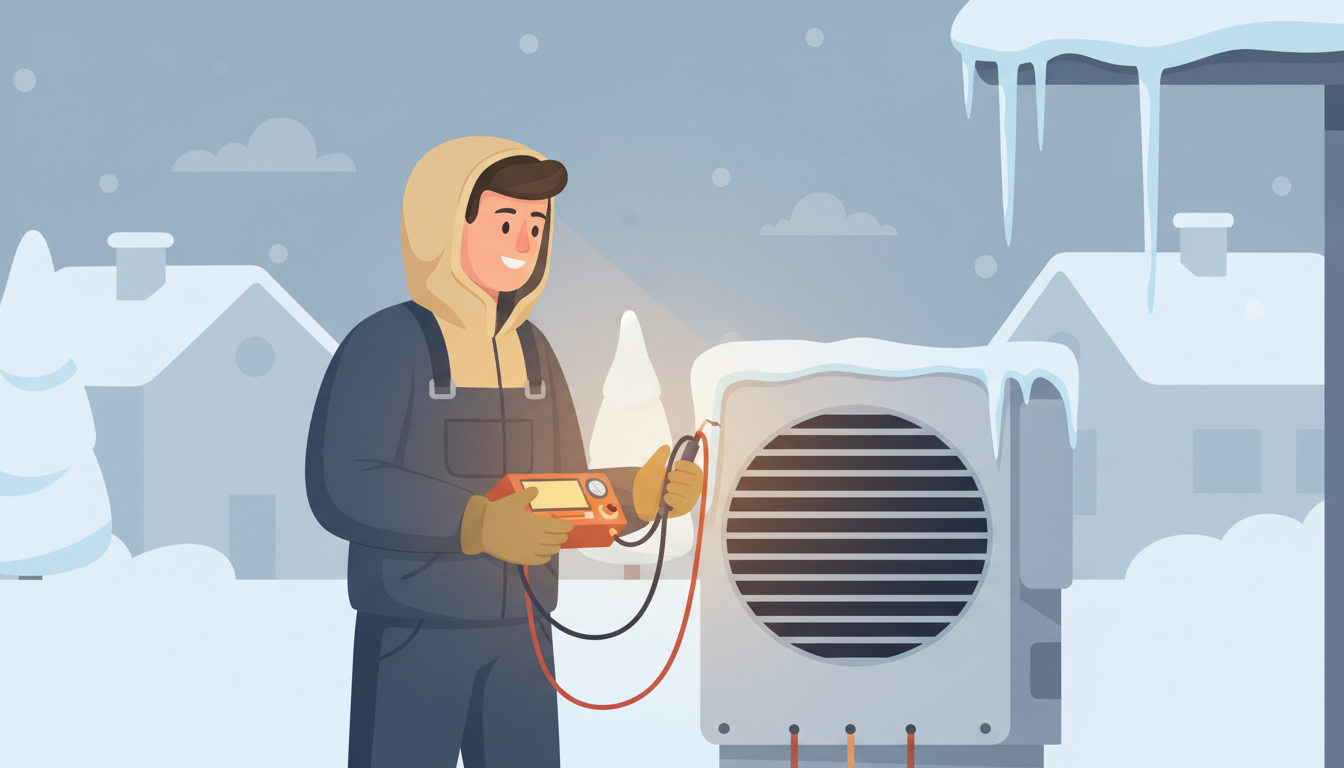
Cold Climate Heat Pump Problems and Solutions: Complete Troubleshooting Guide
Cold Climate Heat Pump Problems and Solutions: Complete Troubleshooting Guide
Is your heat pump struggling to keep your home warm during winter? You're not alone. Many homeowners experience cold climate heat pump problems when temperatures drop below freezing. The good news? Most issues have practical solutions that can restore your system's performance and keep your family comfortable all winter long.
In this guide, we'll walk you through the most common heat pump problems in cold weather, explain why they happen, and show you exactly how to fix them. Whether you're dealing with a frozen outdoor unit, skyrocketing energy bills, or a system that just can't keep up, we've got you covered.
Understanding How Heat Pumps Work in Cold Weather
Before we dive into troubleshooting, it's important to understand how your heat pump operates when temperatures drop. Unlike a traditional furnace that generates heat by burning fuel, a heat pump extracts heat from outdoor air and transfers it inside your home. This process works efficiently in moderate temperatures, but when the mercury falls, your system has to work harder to extract warmth from increasingly cold air.
Modern cold climate heat pumps are designed to operate effectively down to -15°F, with some advanced models functioning at temperatures as low as -22°F. However, older or standard heat pump models may struggle once outdoor temperatures dip below 30-35°F, leading to reduced heating capacity and higher energy consumption.
Common Cold Climate Heat Pump Problems
1. Heat Pump Not Heating Below 30 Degrees
The Problem: Your heat pump runs constantly but barely keeps your home warm when outdoor temperatures fall below 30°F.
Why It Happens: As outdoor temperatures decrease, there's less heat energy available in the air for your heat pump to extract. Standard heat pumps lose efficiency dramatically below 32°F, while even cold climate models experience reduced heating capacity in extreme cold. Your system may only be operating at 60-70% capacity when you need 100% heating output.
The Solution:
- Upgrade to a cold climate heat pump: If your system is more than 10 years old or wasn't designed for cold climates, consider upgrading to a NEEP-certified cold climate model with variable-speed inverter technology. These advanced systems maintain heating capacity even at subzero temperatures.
- Install supplemental heating: Add auxiliary heat sources like heat strips in your air handler or a backup heating system to help during extreme cold snaps.
- Lower your expectations temporarily: During the coldest days, you may need to set your thermostat a few degrees lower than usual and use space heaters in frequently occupied rooms.
For more comprehensive guidance on heat pump performance in winter conditions, check out our guide on how long heat pumps should run during winter days.
2. Outdoor Unit Freezing and Icing Over
The Problem: Your outdoor heat pump unit is covered in ice or frost, restricting airflow and reducing heating efficiency.
Why It Happens: When your heat pump operates in cold weather, the outdoor coils naturally get very cold as they extract heat from the air. Moisture in the air freezes on these coils, creating frost buildup. Normally, your system runs a defrost cycle every 30-90 minutes to melt this ice, but if the defrost cycle fails or can't keep up with severe conditions, ice accumulation becomes a problem.
The Solution:
- Check the defrost cycle: Listen for your system switching to defrost mode (you'll hear the outdoor fan stop while the compressor continues running). If defrost cycles aren't occurring, you may have a faulty defrost control board or sensor that needs professional repair.
- Clear snow and debris: Ensure the outdoor unit has at least 2 feet of clearance on all sides. Remove snow buildup around and on top of the unit to maintain proper airflow.
- Don't pour water on the unit: While it's tempting to melt ice quickly with hot water, this can damage components and the ice will immediately refreeze. Let the defrost cycle do its job.
- Elevate the unit: If your outdoor unit sits directly on the ground, consider having it elevated on a platform to prevent snow accumulation and improve drainage during defrost cycles.
3. Heat Pump Running Continuously Without Reaching Set Temperature
The Problem: Your heat pump never shuts off, running 24/7, but your home still feels cold and you can't reach your desired temperature.
Why It Happens: This is actually normal behavior during extremely cold weather. When outdoor temperatures drop significantly below your thermostat setting, your heat pump may need to run continuously just to maintain whatever temperature it can achieve. The real issue is usually undersized equipment, poor home insulation, or a system that wasn't properly matched to your climate zone.
The Solution:
- Improve home insulation and air sealing: Up to 40% of your heating energy can be lost through air leaks and poor insulation. HVAC systems work most efficiently when your home is properly weatherized. Check your attic insulation, seal gaps around windows and doors, and consider a professional energy audit.
- Adjust thermostat expectations: During extreme cold, set your thermostat to a reasonable temperature (68-70°F) rather than trying to maintain 75°F. Every degree higher requires significantly more energy when it's very cold outside.
- Verify proper system sizing: If your heat pump was undersized during installation, it will never keep up with heating demands. A qualified HVAC contractor can perform a Manual J load calculation to determine if your system is appropriately sized for your home.
4. Heat Pump Blowing Cold or Lukewarm Air
The Problem: Air coming from your vents feels cold or barely warm, even though your heat pump is running.
Why It Happens: Several factors can cause this issue. Your system might be in defrost mode (which temporarily reverses operation to melt ice on outdoor coils), your auxiliary heat strips may have failed, you might have a refrigerant leak, or there could be an airflow problem caused by dirty filters or a malfunctioning blower motor.
The Solution:
- Wait through defrost cycles: If the cold air only lasts 5-15 minutes before warm air returns, your system is simply going through a normal defrost cycle. This is temporary and necessary for proper operation.
- Replace air filters: Dirty filters restrict airflow, reducing heating efficiency and potentially causing your system to blow cooler air. Check filters monthly during winter and replace as needed.
- Check emergency heat settings: Make sure your thermostat isn't accidentally set to "emergency heat" mode, which bypasses the heat pump and relies only on auxiliary heat (which may not be adequate).
- Call for professional service: If cold air persists, you may have low refrigerant levels, failed heat strips, or a compressor problem that requires professional diagnosis and repair. Learn more about common issues in our heat pump repair guide.
5. Excessive Ice Buildup on Outdoor Coils
The Problem: Ice covers your entire outdoor unit and won't melt, even after defrost cycles run.
Why It Happens: While some frost is normal, excessive ice buildup indicates a malfunction. Common causes include a stuck reversing valve preventing proper defrost operation, low refrigerant charge causing abnormally cold coil temperatures, blocked airflow from a dirty coil or failed fan motor, or malfunctioning defrost controls that don't trigger cycles frequently enough.
The Solution:
- Turn off the system: If ice completely encases your outdoor unit, turn off the heat pump to prevent compressor damage. Switch your thermostat to emergency heat to maintain some warmth while the unit thaws naturally.
- Let it thaw completely: Allow 24 hours for natural thawing. Never chip away ice or use sharp objects that could damage delicate coil fins.
- Schedule professional repair: Once thawed, have an HVAC technician diagnose the root cause. This typically involves checking refrigerant levels, testing the reversing valve, inspecting defrost controls, and verifying proper airflow.
6. Skyrocketing Energy Bills in Cold Weather
The Problem: Your electricity bills spike dramatically during winter months, even though you haven't changed your thermostat settings.
Why It Happens: Heat pumps become less efficient as temperatures drop. A heat pump that operates at 300% efficiency (3 units of heat for every 1 unit of electricity) at 45°F might drop to 150-200% efficiency at 15°F. When auxiliary heat strips activate, efficiency can plummet to just 100% (same as electric baseboard heaters). Additionally, poor home insulation forces your system to work harder and run longer.
The Solution:
- Weatherize your home: The most cost-effective way to reduce heating bills is improving your home's envelope. Add insulation to your attic (aim for R-49 to R-60 in cold climates), seal air leaks around windows, doors, and penetrations, and ensure your ductwork is properly sealed and insulated.
- Use programmable thermostats wisely: Lower temperatures when you're sleeping or away, but avoid large setbacks. Heat pumps work most efficiently maintaining a steady temperature rather than recovering from major setbacks in very cold weather.
- Consider supplemental zone heating: Use space heaters or electric blankets in occupied rooms rather than heating your entire home to 72°F when outdoor temperatures are below zero.
- Maintain your system: Regular maintenance ensures your heat pump operates at peak efficiency. Clean coils, proper refrigerant charge, and good airflow all contribute to lower operating costs.
Preventing Cold Weather Heat Pump Problems
Pre-Winter Maintenance Checklist
Taking preventive steps before winter arrives can help you avoid many common cold climate heat pump problems:
Two Months Before Winter:
- Schedule professional maintenance including refrigerant level check, electrical connection inspection, defrost control testing, and coil cleaning
- Replace or clean air filters
- Clear vegetation and debris from around outdoor unit
- Test auxiliary heat strips to ensure they're functional
- Verify thermostat is working properly
Monthly During Winter:
- Check air filters and replace if dirty
- Inspect outdoor unit for ice or snow buildup
- Listen for unusual noises or changes in operation
- Monitor energy bills for unexpected spikes
- Ensure outdoor unit has adequate clearance
Upgrading to a Cold Climate Heat Pump
If your current system struggles consistently in cold weather, upgrading to a modern cold climate heat pump may be your best long-term solution. Here's what to look for:
Key Features of Cold Climate Heat Pumps:
- Variable-speed inverter compressor: Adjusts output continuously for optimal efficiency and consistent temperatures
- Enhanced vapor injection technology: Maintains heating capacity at much lower outdoor temperatures
- Advanced defrost controls: Minimize ice buildup and reduce defrost cycle frequency
- NEEP certification: Ensures the system meets cold climate performance standards
- HSPF2 rating of 9.0 or higher: Indicates excellent seasonal efficiency in heating mode
Performance Expectations:
- Modern cold climate models maintain 100% heating capacity down to 5°F
- Many systems provide effective heating down to -15°F to -22°F
- Properly sized systems can eliminate the need for backup heating in most climates
When to Call a Professional
While some heat pump issues can be addressed with basic troubleshooting, certain problems require professional expertise:
- Refrigerant leaks or low refrigerant charge
- Compressor failure or unusual compressor noises
- Reversing valve problems
- Electrical issues or failed components
- Frozen coils that won't thaw after 24 hours
- System completely failing to heat
A qualified HVAC technician has the tools and knowledge to diagnose complex problems, safely handle refrigerant, and ensure repairs meet manufacturer specifications. Regular professional maintenance also keeps your warranty valid and extends your system's lifespan.
Frequently Asked Questions
Do heat pumps work in extreme cold?
Yes, modern cold climate heat pumps work effectively even in extreme cold. Today's advanced systems can provide reliable heating down to -15°F, with some models functioning at temperatures as low as -22°F. However, standard heat pump models designed for moderate climates typically struggle below 30-35°F. If you live in an area with harsh winters, make sure your system is specifically rated for cold climate operation.
What temperature is too cold for a heat pump?
For standard heat pumps, efficiency drops significantly below 32°F, and many models struggle to provide adequate heat below 20-25°F. Cold climate heat pumps maintain effective operation down to -15°F or lower. Below these thresholds, most systems rely on auxiliary heat to supplement heating capacity. If outdoor temperatures regularly fall below your heat pump's rated operating range, you'll need a backup heating source.
Why does my heat pump ice up in winter?
Ice formation on outdoor coils is normal during cold weather operation. As your heat pump extracts heat from outdoor air, the coils become very cold, causing moisture to freeze on them. Your system's defrost cycle should automatically melt this ice every 30-90 minutes. Excessive icing that doesn't melt indicates a problem with defrost controls, low refrigerant, restricted airflow, or a malfunctioning fan motor.
How do I prevent my heat pump from freezing?
You can minimize freezing issues by keeping the outdoor unit clear of snow, leaves, and debris, ensuring adequate clearance (at least 2 feet) on all sides, scheduling annual professional maintenance to keep defrost systems working properly, and elevating the unit on a platform if it sits directly on the ground. Never cover your outdoor unit during operation, as this restricts essential airflow.
Should I run my heat pump continuously in winter?
Yes, during very cold weather, it's normal and actually beneficial for your heat pump to run continuously. Constant operation maintains steady indoor temperatures more efficiently than cycling on and off. Modern variable-speed heat pumps are designed for extended runtime, adjusting output to match heating needs. If your system runs constantly and still can't maintain comfortable temperatures, that indicates an underlying issue with system sizing, efficiency, or home insulation.
Conclusion: Keeping Your Heat Pump Running Strong All Winter
Cold climate heat pump problems can be frustrating, but most issues have straightforward solutions. By understanding how your system works, performing regular maintenance, and addressing problems promptly, you can ensure reliable heating throughout even the coldest winter months.
Remember these key takeaways:
- Modern cold climate heat pumps can handle much colder temperatures than older models
- Many "problems" like continuous running or periodic cold air are actually normal winter operation
- Home weatherization often provides bigger comfort improvements than equipment upgrades
- Professional maintenance prevents most cold weather failures
- Know when to call for expert help rather than attempting complex repairs yourself
If your heat pump consistently struggles despite troubleshooting efforts, it may be time to consider upgrading to a modern cold climate model or improving your home's insulation and air sealing. A properly specified and installed system in a well-insulated home can provide comfortable, efficient heating even when temperatures plunge below zero.
Stay warm, and don't let cold weather catch you unprepared!