
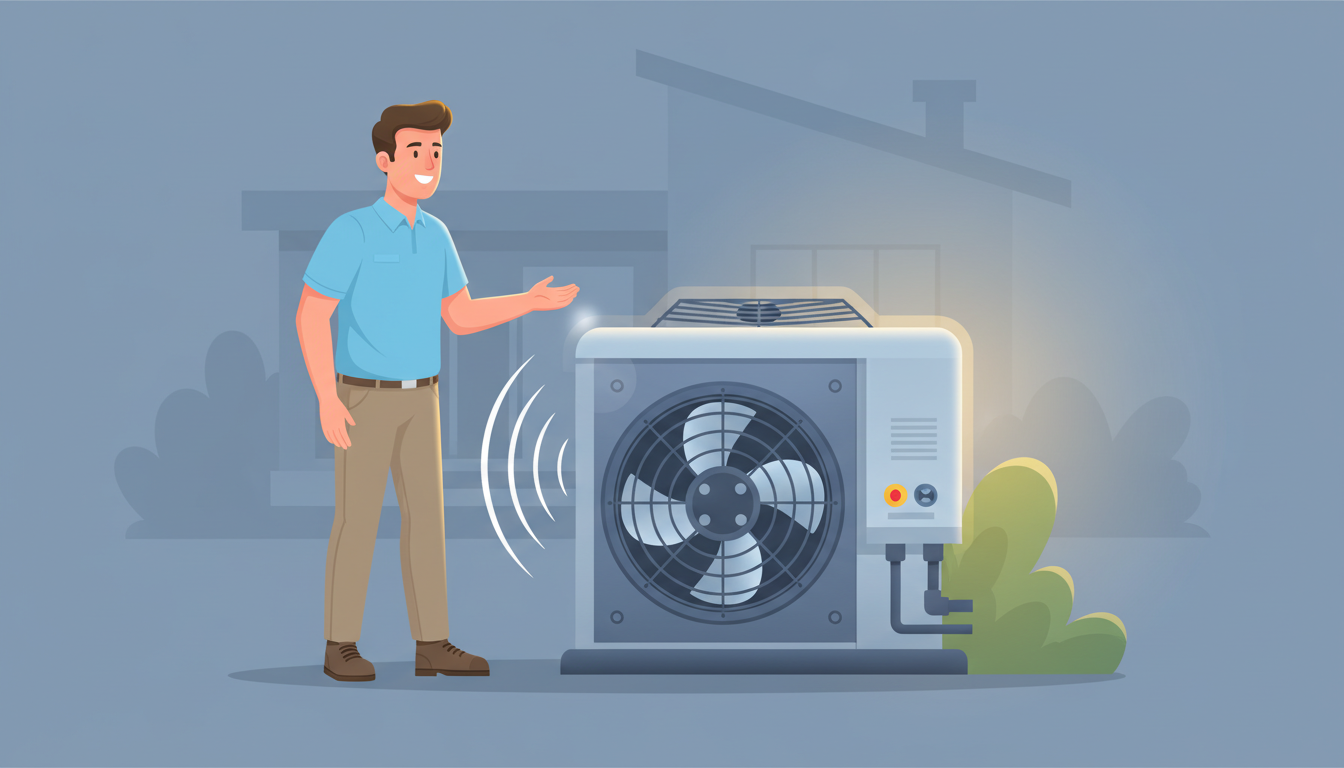
Why Is My Compressor So Loud? Common Causes and Quick Fixes
Why Is My Compressor So Loud? Common Causes and Quick Fixes
Is your air conditioner making so much noise that you can hear it from inside your home? A loud compressor is more than just an annoyance—it's often a warning sign that something needs attention. While some operational noise is normal, excessive sounds like banging, grinding, or buzzing usually indicate a problem that could lead to costly repairs if ignored.
In this guide, you'll learn exactly what causes a loud AC compressor, how to identify different types of noises, and what you can do about them before the problem gets worse.
What Does Your AC Compressor Do?
Your air conditioning compressor is the heart of your HVAC system. It pressurizes refrigerant and pumps it through the system, enabling the cooling process that keeps your home comfortable during hot weather.
The compressor sits inside the outdoor unit and works hard whenever your AC is running. It compresses low-pressure refrigerant gas into high-pressure gas, which then flows to the condenser coil where it releases heat. This continuous cycle is what removes warmth from your indoor air.
Because the compressor contains moving parts like pistons, bearings, and motor components, some noise during operation is expected. However, when that noise becomes noticeably louder or changes in character, it's time to investigate.
Common Types of Compressor Noises and What They Mean
Different sounds point to different problems. Here's what your loud compressor might be trying to tell you.
Banging or Clanking Sounds
A banging noise typically means internal components have come loose or broken. This could be:
- Loose pistons or connecting rods that rattle inside the compressor housing
- Worn motor mounts that allow the compressor to shake excessively
- Broken internal valves that create impact sounds during operation
Banging sounds often get worse over time as loose parts cause additional damage. This type of noise usually requires professional repair or compressor replacement.
Grinding or Screeching Noises
If your ac compressor is making grinding noise, the problem often involves friction between metal parts:
- Failing motor bearings that have lost lubrication
- Worn pistons scraping against cylinder walls
- Seized or damaged clutch (in some compressor types)
Grinding sounds indicate severe wear and typically mean the compressor is near the end of its service life. Continuing to run the system can cause complete compressor failure.
Buzzing or Humming Sounds
A loud compressor noise that buzzes or hums usually points to electrical issues:
- Failing capacitor that can't provide enough starting power
- Loose electrical connections creating arcing
- Contactor problems preventing proper startup
- Motor struggling to start due to internal damage
If your AC compressor is loud with a humming sound but won't start, the capacitor is the most likely culprit. This is one of the more affordable repairs when caught early.
Hissing Noises
Hissing sounds can indicate:
- Refrigerant leaks from worn seals or damaged lines
- Pressure buildup in the system (dangerous if continuous)
- Internal valve leakage allowing refrigerant to bypass
A brief hissing sound at shutdown is normal. However, continuous hissing or hissing that lasts 10-15 minutes suggests a problem that needs immediate attention.
Rattling Sounds
Rattling is often the easiest problem to fix because it frequently comes from external components:
- Loose mounting bolts on the compressor itself
- Debris in the outdoor unit (leaves, twigs, small objects)
- Loose fan blade hitting the housing
- Worn isolation bushings that no longer dampen vibration
Check for obvious loose parts before assuming internal damage.
Clicking Noises
Occasional clicking during startup and shutdown is normal—that's your contactor engaging and disengaging. However, rapid or continuous clicking suggests:
- Relay switch problems failing to engage properly
- Low refrigerant levels causing short cycling
- Electrical control issues in the thermostat or control board
Why Is My AC Compressor So Loud When It Starts?
Many homeowners notice their compressor is especially loud during the first few seconds of operation. This startup noise can have several causes:
Liquid Slugging
When liquid refrigerant accumulates in the compressor during the off cycle, it creates a condition called liquid slugging. The compressor is designed to compress gas, not liquid. When it tries to compress liquid refrigerant at startup, it creates a loud banging or knocking sound.
Liquid slugging is more common in humid climates and during seasonal startups after long periods of inactivity. While occasional liquid slugging isn't necessarily harmful, frequent occurrences can damage internal components over time.
Hard Starting Due to Capacitor Issues
The capacitor provides the electrical boost needed to start the compressor motor. A failing capacitor struggles to deliver sufficient power, causing the motor to labor and produce louder-than-normal sounds during startup.
As capacitors age (typically lasting 10-20 years), they gradually lose capacitance. Your compressor may start reliably but make increasingly loud humming or buzzing sounds in the process.
Worn Start Components
The relay switch and other starting components can wear out over time. When they don't engage cleanly, the compressor experiences hard starts that generate excessive noise.
What Causes a Compressor to Get Louder Over Time?
If your once-quiet compressor has gradually become noisy, you're likely dealing with age-related wear:
Lubrication Breakdown
Compressor oil breaks down over years of operation, losing its ability to cushion moving parts. Insufficient lubrication accelerates wear on pistons, bearings, and other internal components, creating noise as metal-on-metal contact increases.
Most manufacturers recommend complete lubricant replacement every 2-3 years as part of routine maintenance. Many homeowners skip this service, leading to premature compressor wear.
Worn Motor Bearings
Motor bearings support the rotating shaft inside the compressor. As they wear, they allow increased play in the shaft, causing vibration and noise. Worn bearings eventually seize completely, leading to motor failure.
Deteriorating Isolation Mounts
The compressor sits on rubber isolation bushings designed to absorb vibration. These rubber components harden and crack over time, especially in areas with extreme temperature swings. Once the isolation fails, every vibration transfers directly to the metal housing, amplifying operational noise significantly.
Loose Mounting Hardware
Years of vibration can loosen bolts, screws, and other fasteners throughout the outdoor unit. Even slightly loose hardware creates rattling and buzzing sounds that worsen gradually.
Is a Loud Compressor Dangerous?
In most cases, a loud compressor isn't immediately dangerous, but certain situations require urgent attention:
When to Shut Down Your AC Immediately
Turn off your air conditioner right away if you notice:
- Continuous loud hissing (possible high-pressure emergency)
- Burning smell accompanying the noise
- Smoke coming from the outdoor unit
- Tripped breaker that trips again when reset
- Sparking or arcing visible at electrical connections
These conditions can lead to compressor explosion, electrical fire, or refrigerant release. Contact an HVAC professional immediately.
When You Can Monitor and Schedule Service
Less urgent situations where you can typically continue running your AC while arranging service include:
- Occasional rattling from loose external parts
- Slight increase in operational volume
- Brief startup noise that quickly subsides
- Intermittent buzzing during normal operation
However, even these "minor" issues should be addressed within a few days. Continuing to operate a struggling compressor accelerates wear and often transforms an affordable repair into an expensive replacement.
Should I Turn Off My Loud AC Compressor?
This depends on the severity of the noise and your specific situation:
Keep it running if:
- The noise is mild and not getting worse
- Your home would become unsafe without AC (extreme heat, health conditions)
- The system is still cooling effectively
- You have service scheduled within 24-48 hours
Turn it off if:
- The noise is very loud or getting rapidly worse
- You smell burning or see smoke
- The system is short-cycling (turning on and off repeatedly)
- The outdoor unit is shaking excessively
- Electrical issues are apparent
When in doubt, turning off the system is the safer choice. A few uncomfortable hours beats the cost of replacing a completely destroyed compressor.
Can a Loud Compressor Still Cool Effectively?
Yes—for a while. Many failing compressors continue providing adequate cooling even as they become increasingly noisy. This creates a false sense of security.
The problem is that a loud compressor but ac still works situation doesn't last. The underlying issue causing the noise is simultaneously causing damage. What starts as annoying sound eventually progresses to reduced cooling capacity, frequent breakdowns, and complete system failure.
Addressing the noise issue early almost always costs less than waiting for total failure.
How to Troubleshoot a Loud Compressor
Before calling for service, you can safely check a few things yourself:
Visual Inspection
- Turn off power to the outdoor unit at the disconnect box
- Remove the top grille (usually held by screws)
- Look for obvious problems like debris, loose fan blades, or disconnected wires
- Check the compressor mounting bolts for tightness
- Inspect refrigerant lines for signs of oil (indicates leaks)
What You Can Safely Fix
Homeowners can typically handle:
- Removing debris from inside the unit
- Tightening loose fan blades or grille fasteners
- Cleaning the condenser coil with a garden hose (power off!)
- Leveling the concrete pad if it has settled unevenly
What Requires a Professional
Leave these repairs to licensed HVAC technicians:
- Refrigerant issues (leaks, recharging)
- Electrical repairs (capacitors, contactors, wiring)
- Internal compressor problems (bearings, pistons, valves)
- Compressor replacement
Refrigerant handling requires EPA certification, and electrical work on HVAC systems requires specific licensing in most jurisdictions. DIY attempts often void warranties and can be dangerous.
For comprehensive guidance on HVAC repairs and when to call a professional, check out our HVAC repair guide.
How Much Does It Cost to Fix a Loud Compressor?
Repair costs vary widely based on the underlying problem:
Minor Repairs ($75-$300)
- Debris removal and cleaning
- Tightening loose components
- Fan blade replacement
- Isolation bushing replacement
Moderate Repairs ($150-$600)
- Capacitor replacement: $150-$400
- Contactor replacement: $100-$300
- Hard start kit installation: $200-$400
- Refrigerant leak repair: $200-$600
Major Repairs ($1,500-$3,500)
- Compressor replacement: $1,500-$2,800
- Complete outdoor unit replacement: $2,000-$3,500
When compressor replacement costs approach 50% of a new system's price, replacement often makes more financial sense—especially if your current system is over 10-12 years old.
Preventing Compressor Noise Problems
Regular maintenance significantly extends compressor life and prevents many noise issues:
Annual Professional Maintenance
Schedule professional service each spring before cooling season. A thorough tune-up includes:
- Cleaning condenser and evaporator coils
- Checking refrigerant levels and pressures
- Testing capacitors and electrical components
- Lubricating motors and bearings (where applicable)
- Tightening all electrical connections
- Inspecting and tightening mounting hardware
This annual service typically costs $80-$150 but prevents hundreds or thousands in repair costs.
Homeowner Maintenance Tasks
Between professional visits, you can:
- Keep the area clear: Maintain 2-3 feet of clearance around the outdoor unit
- Rinse the condenser coil: Spray gently with a garden hose monthly during cooling season
- Change air filters: Replace monthly or per manufacturer recommendations
- Listen for changes: Catch problems early by noticing when normal sounds change
- Check the pad level: Ensure the concrete pad hasn't settled or tilted
Protect Your Compressor During Winter
If you live in an area with cold winters:
- Remove debris from around the unit before winter
- Cover only the top (never completely enclose the sides)
- Have the system checked in spring before first use
These simple steps prevent many loud startup issues when you fire up your AC for the first season.
If you're experiencing motor issues in other parts of your HVAC system, you might also find our guide on blower motor problems helpful, as many diagnostic principles apply across components.
When to Repair vs. Replace Your Compressor
This decision depends on several factors:
Consider Repair If:
- Your system is less than 8 years old
- The repair costs less than $1,000
- The rest of the system is in good condition
- The compressor is still under warranty
Consider Replacement If:
- Your system is over 12 years old
- Repair costs exceed 50% of replacement cost
- You've had multiple repairs in recent years
- Your system uses R-22 refrigerant (being phased out)
- Energy bills have increased significantly
Modern air conditioners are significantly more efficient than units from even 10 years ago. Replacing an old, failing system often pays for itself through reduced energy costs within 5-7 years.
Understanding Different Compressor Types
The type of compressor in your system affects both the sounds it makes and how it fails:
Reciprocating Compressors
These use pistons moving up and down to compress refrigerant. They're common in older systems and smaller residential units. Reciprocating compressors typically make more operational noise than newer designs and are prone to:
- Piston wear causing knocking sounds
- Valve failures creating clicking noises
- Bearing wear causing grinding sounds
Scroll Compressors
Most modern residential systems use scroll compressors, which compress refrigerant using two spiral-shaped scrolls. They're quieter and more efficient but can develop:
- Grinding noises when internal scrolls wear
- High-pitched squealing from bearing failure
- Clicking from electrical issues
Rotary Compressors
Common in mini-split systems, rotary compressors use a rotating action to compress refrigerant. They're very quiet when working properly but can make loud grinding noises when failing.
Knowing your compressor type helps HVAC technicians diagnose problems more quickly. Check your outdoor unit's data plate to identify which type you have.
For related noise issues in your heating system, see our article on furnace draft inducer motor noise for similar troubleshooting approaches.
FAQ About Loud AC Compressors
How long can I run my AC with a loud compressor?
It depends on the severity. Mild rattling from loose external parts is less urgent than grinding or banging sounds from internal damage. If the noise is severe or worsening rapidly, turn off the system and call for service. Continuing to run a severely damaged compressor can turn a repairable issue into a complete system failure requiring full replacement.
Why does my compressor only make noise sometimes?
Intermittent noises often relate to specific operating conditions. Startup noises might indicate capacitor issues or liquid slugging. Noises only during hot weather could point to failing motor bearings that expand with heat. Sounds that come and go randomly might be loose parts that shift position during vibration. Track when the noise occurs to help your technician diagnose the problem.
Can I soundproof my loud compressor?
While you can reduce noise transmission with sound blankets or barriers, this only masks the problem rather than fixing it. A loud compressor indicates damage or wear that will worsen over time. Soundproofing might make your home quieter temporarily, but the underlying issue still needs professional attention. Never fully enclose the outdoor unit, as this restricts necessary airflow and causes overheating.
Will a loud compressor affect my electric bill?
Yes, usually. Most problems that cause loud compressor noise also reduce efficiency. Worn bearings create friction that requires more power to overcome. Low refrigerant forces the compressor to run longer to achieve the same cooling. Failing capacitors make the motor work harder during startup. These efficiency losses typically show up as higher monthly electric bills, adding urgency to getting repairs done.
Do AC compressors get louder as they age?
All compressors become gradually louder with age as lubrication breaks down, bearings wear, and isolation mounts deteriorate. However, this process should be very gradual over many years. A sudden increase in noise or dramatic change in sound character indicates a specific problem requiring attention, not just normal aging.
Take Action on Your Loud Compressor
A loud compressor won't fix itself, and the problems causing the noise typically worsen over time. The sooner you address unusual sounds, the better your chances of a straightforward, affordable repair rather than an expensive replacement.
Start with the basic troubleshooting steps outlined above—many homeowners discover simple fixes like debris removal or loose hardware solve the problem. For anything beyond basic maintenance, contact a licensed HVAC professional who can accurately diagnose the issue and present your repair or replacement options.
Don't wait until your compressor fails completely during the hottest days of summer. That loud noise is your AC trying to tell you something—and the message is worth listening to.
Need help with your noisy compressor or other HVAC issues? Reach out to a qualified HVAC technician in your area for a professional assessment and get your system running quietly and efficiently again.