Condensate Overflow Switch Problems: Symptoms and Fixes
Condensate Overflow Switch Problems: Symptoms and Fixes
Is your air conditioner refusing to turn on, even though the thermostat is set correctly? You might be dealing with a tripped condensate overflow switch. This small but critical safety device protects your home from water damage, but when it malfunctions or trips unexpectedly, it can leave you sweating in the heat. In this guide, we'll walk you through everything you need to know about condensate overflow switch problems, from recognizing the symptoms to fixing the issue yourself or knowing when to call a professional.
What Is a Condensate Overflow Switch?
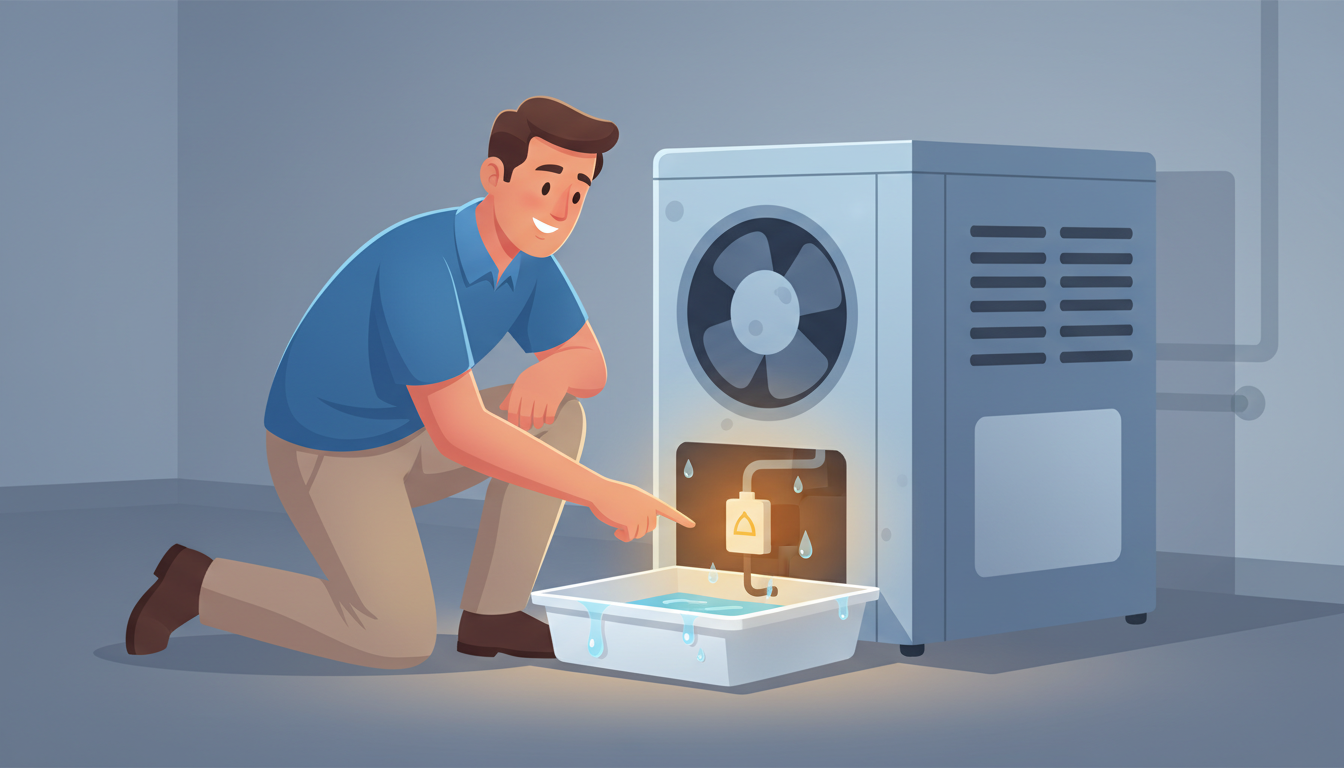
A condensate overflow switch is a safety device installed in your air conditioning system that monitors water levels in your drain pan or drain line. When your AC runs, it removes moisture from the air, creating condensation that drips into a drain pan and flows out through a condensate drain line.
Under normal conditions, this water drains away without issue. But if the drain line becomes clogged or the drain pan overflows, water can accumulate and potentially cause serious damage to your home. That's where the overflow switch comes in—it detects rising water levels and automatically shuts down your HVAC system before flooding occurs.
Think of it as a circuit breaker for water problems. Just like an electrical breaker protects your home from electrical fires, the condensate overflow switch protects your home from water damage and mold growth.
Types of Condensate Overflow Switches
There are two main types of overflow switches you'll encounter:
Float Switches: These mechanical devices work like a miniature version of the float in your toilet tank. A small float rises with the water level in your drain pan or along the drain line. When the water reaches a certain height, the float triggers a switch that cuts power to your air conditioning system. The most common brand you'll see is the Safe-T-Switch, which comes in three styles: pass-through (SS-1), elbow (SS-2), and drain pan (SS-3) models.
Sensor Switches (Wet Switches): These electronic sensors detect the presence of moisture rather than water level. They're typically installed in secondary drain pans or emergency overflow pans. When any moisture touches the sensor, it immediately shuts down your system. These are particularly effective at catching leaks early, before significant water accumulation occurs.
How Condensate Overflow Switches Work
Understanding how your overflow switch works helps you troubleshoot problems more effectively. Here's the process:
- Your evaporator coil cools the air, creating condensation
- Water drips from the coil into the primary drain pan
- Water flows through the condensate drain line and out of your home
- If the drain line clogs, water backs up into the drain pan
- The water level rises and lifts the float (or triggers the sensor)
- The switch interrupts power to your cooling system
- Your AC shuts down, preventing further water production
- You discover the problem (hopefully) before water damage occurs
This shutdown is intentional—it's the switch doing its job. The inconvenience of a non-working AC is far better than the cost and hassle of water damage, ceiling stains, or mold remediation.
Common Symptoms of Condensate Overflow Switch Problems
Recognizing the symptoms early can save you time, money, and frustration. Here are the telltale signs that your condensate overflow switch is having issues:
Your AC Won't Turn On
This is the most common symptom. You set your thermostat to cool, but nothing happens. The system doesn't start, and you hear no familiar hum of the compressor. If everything else seems fine—you have power to the unit, the breaker hasn't tripped, and the thermostat is working—a tripped overflow switch is a likely culprit.
Water Pooling Near Your Air Handler
If you notice water accumulating around your indoor air handler unit or on the floor beneath it, your overflow switch may have tripped, or worse, failed to trip when it should have. Either way, you have a drainage problem that needs immediate attention.
Frequent System Cycling
Your AC turns on briefly, then shuts off, then tries to start again. This cycling pattern can indicate that your overflow switch is intermittently tripping, possibly due to a partially clogged drain line that fills slowly.
Visible Water in the Drain Pan
Check your primary drain pan (located under the evaporator coil inside your air handler). If you see standing water, your drain line is clogged, and your overflow switch should trip soon if it hasn't already. If you have significant water but your system is still running, your switch might be malfunctioning.
Musty Odors from Your Vents
Chronic drainage problems often lead to mold and mildew growth in your drain pan or air handler. If you smell musty or moldy odors when your AC runs, it's a sign of moisture issues that may be related to a problematic overflow switch.
Error Codes or Indicator Lights
Some modern HVAC systems display error codes on the thermostat or have indicator lights on the air handler itself. Check your system's manual for codes related to drainage or safety switch issues.
What Causes Condensate Overflow Switch Problems?
Understanding why your overflow switch is tripping or malfunctioning helps you prevent future issues. Here are the most common culprits:
Clogged Condensate Drain Line
This is by far the most frequent cause. Over time, algae, mold, dust, and debris accumulate inside your drain line, eventually creating a blockage. The blockage prevents water from draining properly, causing it to back up and trip your overflow switch. This is especially common in humid climates where biological growth thrives in the moist environment of your drain line.
Dirty or Damaged Float Mechanism
If you have a float-style switch, the float itself can become coated with slime, algae, or mineral deposits. This buildup can cause the float to stick, preventing it from rising properly or causing false trips. Additionally, the float can crack or become disconnected from the switch mechanism, rendering it ineffective.
Clogged P-Trap
Many condensate drain lines include a P-trap (similar to the one under your sink) that prevents sewer gases from backing up into your home. If this P-trap becomes clogged with debris, it creates a drainage bottleneck that leads to overflow switch trips.
Full or Malfunctioning Condensate Pump
If your HVAC system is located in a basement or where gravity drainage isn't possible, you likely have a condensate pump that actively pumps water out. If this pump fails, loses power, or has a full reservoir, water backs up and trips your overflow switch.
Improper Installation or Positioning
If the overflow switch was installed incorrectly—at the wrong angle, too high, too low, or in a location where it can't properly detect rising water—it may trip unnecessarily or fail to trip when it should. The drain line itself must also be properly pitched (sloped) to allow gravity to move water along. If there's insufficient pitch or an upward slope, water won't drain effectively and will trigger the switch.
Frozen Evaporator Coil
When your evaporator coil freezes (usually due to restricted airflow or low refrigerant), it can produce excessive water when it thaws. This sudden water volume can overwhelm your drain system and trip the overflow switch.
Faulty Switch Wiring or Electrical Issues
Like any electrical component, the overflow switch itself can fail due to corroded connections, damaged wiring, or internal component failure. If your switch trips even when there's no water present, or fails to trip when water is clearly present, the switch itself may need replacement.
How to Troubleshoot Your Condensate Overflow Switch
Before calling a professional, there are several troubleshooting steps you can safely perform yourself. Follow this systematic approach:
Step 1: Turn Off Your HVAC System
Safety first. Turn off your air conditioning system at the thermostat and at the circuit breaker. This protects you from electrical shock and prevents the system from trying to restart while you're working.
Step 2: Locate Your Overflow Switch
Find your air handler (usually in a closet, attic, basement, or utility room). Look for a small device attached to your drain pan or drain line. Float switches typically have a clear or white housing with a visible float mechanism inside. Sensor switches look like small boxes mounted to the secondary drain pan.
Step 3: Inspect for Visible Water
Check your drain pan for standing water. If there's water present, your drain line is clogged—the switch is doing its job by shutting down your system. If there's no water but the switch appears tripped, you may have a faulty switch or the water already drained after the switch tripped.
Step 4: Check the Drain Line
Follow your condensate drain line from the air handler to where it exits your home (usually outside or into a sink or floor drain). Look for visible kinks, disconnections, or obvious blockages. Outside, make sure the drain line opening isn't blocked by dirt, insect nests, or debris.
Step 5: Test Water Flow
Once you've confirmed there's no standing water in the drain pan, carefully pour a small cup of water into the drain pan. Watch to see if it drains quickly. If water pools or drains very slowly, you have a clog in your line.
Step 6: Inspect the Float or Sensor
For float switches, gently lift the float mechanism upward. The switch should click and your system should shut off (or remain off if it's already off). If there's no click or resistance, the switch may be faulty. For sensor switches, check for visible corrosion or damage to the sensor pads.
Step 7: Check for Error Codes
If your system has a diagnostic display on the thermostat or control board, check for error codes. Consult your owner's manual to decode any displayed errors related to the safety switch or drainage system.
How to Reset Your Condensate Overflow Switch
Once you've identified and cleared the cause of the problem (usually a clogged drain), you'll need to reset your overflow switch to get your AC running again. Here's how:
For Float Switches
- Ensure the drain pan is empty: Remove any standing water with a wet/dry vacuum or towels
- Verify the drain line is clear: Test by pouring water and watching it drain quickly
- Manually lower the float: Gently push the float mechanism downward to its normal position
- Restore power: Turn your circuit breaker back on, then set your thermostat to cool
- Monitor the system: Watch the system for the first 15-20 minutes to ensure normal operation
Some float switches don't have a manual reset—they automatically reset once the water level drops. However, your AC won't restart until you restore power or reset your thermostat.
For Sensor Switches
- Dry the sensor completely: Use a clean, dry cloth to remove all moisture from the sensor pads
- Clean any corrosion: Gently clean the sensor contacts with a cotton swab if you see buildup
- Ensure the drain pan is dry: No water should be present in the secondary drain pan
- Restore power: Turn your breaker back on and reset your thermostat
- Test the system: Verify that your AC starts and runs normally
If the switch trips immediately after reset, you haven't resolved the underlying drainage problem and need to investigate further.
Fixing Common Condensate Overflow Switch Problems
Now that you've diagnosed the issue, here are solutions for the most common problems:
Clearing a Clogged Condensate Drain Line
For homeowners comfortable with basic maintenance, this is often a DIY fix:
Wet/Dry Vacuum Method: Locate where your condensate drain line exits your home (usually outside). Remove any caps or fittings, place the hose of a wet/dry shop vacuum over the drain line opening, and create a seal (you can use your hands or a wet rag). Turn on the vacuum and let it run for 2-3 minutes. This suction often pulls out clogs. For a comprehensive guide on dealing with water issues in your HVAC system, check out our article on HVAC system leaking water.
Drain Line Flush: From the indoor end (at the drain pan), slowly pour a mixture of 1 cup white vinegar and 1 cup hot water down the drain line. Let it sit for 30 minutes, then flush with plain water. This helps dissolve organic buildup like algae and mold.
Compressed Air: Some HVAC technicians use compressed air to blast through clogs, but this method risks damaging your drain line or creating leaks if done improperly. Exercise caution or leave this to professionals.
Cleaning a Dirty Float
If algae or slime has built up on your float mechanism:
- Remove the switch from its fitting (usually by unscrewing)
- Clean the float and housing with warm soapy water
- Rinse thoroughly and allow to dry completely
- Reinstall and test
Replacing a Faulty Switch
If your switch is damaged, corroded, or not functioning electrically, replacement is your only option. Basic float switches cost $15-40 at hardware stores, but installation requires working with electrical connections. If you're not comfortable with electrical work, hire a professional. When dealing with recurring overflow shutdowns, understanding the root causes is crucial—learn more in our guide about causes of condensate overflow shutdown.
Addressing P-Trap Clogs
If your P-trap is clogged, you may be able to disassemble it (if it has union fittings), clean it out, and reassemble. However, many P-traps are permanently glued, requiring professional help to replace if severely clogged.
Condensate Pump Maintenance
If your system uses a condensate pump, check that it's receiving power, the reservoir isn't full, and the outlet line isn't clogged. Most pumps have a float switch of their own that can stick or fail. Clean the pump reservoir and replace the pump if it's not moving water when powered on.
When to Call a Professional vs. DIY
Knowing your limits is important for both safety and effectiveness. Here's when to tackle it yourself versus when to call an HVAC technician:
Safe for DIY
- Resetting a tripped overflow switch after clearing the problem
- Pouring vinegar or drain cleaner down the drain line
- Vacuuming out a simple clog from the exterior drain line opening
- Cleaning visible debris from the drain pan
- Replacing air filters (which helps prevent drainage issues)
- Basic visual inspections
Call a Professional For
- Electrical wiring or switch replacement if you're not experienced with electrical work
- Persistent clogs that don't respond to simple cleaning methods
- Situations where you can't access the drain line or air handler easily (tight attics, etc.)
- Frozen coils or refrigerant-related issues causing drainage problems
- Condensate pump repair or replacement
- Problems with systems still under warranty (DIY work may void coverage)
- When you're uncomfortable with any aspect of the repair
For comprehensive HVAC troubleshooting and repair guidance, visit our complete HVAC repair guide.
Preventing Future Condensate Overflow Switch Issues
Prevention is always better than dealing with a broken AC in the middle of summer. Follow these maintenance practices:
Monthly
- Check the drain pan: Take a quick look for standing water during cooling season
- Test water flow: Pour a cup of water in the drain pan to ensure proper drainage
Quarterly (Every 3 Months)
- Clean the drain line: Flush with a vinegar-water solution to prevent biological buildup
- Inspect the overflow switch: Check for visible damage, corrosion, or debris
Twice Yearly (Spring and Fall)
- Change air filters: Proper airflow prevents frozen coils and excess condensation
- Clean the drain pan: Remove any visible algae, slime, or debris
- Inspect all drainage components: Check the entire path from evaporator coil to exterior drain opening
Annually
- Professional HVAC maintenance: Have a technician inspect your entire system, including the condensate drainage system and overflow switch
- Consider drain line treatment tablets: Special tablets placed in your drain pan slowly dissolve and prevent biological growth in your drain line
Pro Tips
- Install a secondary drain line: This provides a backup drainage path if your primary line clogs
- Use a drain line alarm: Inexpensive devices can alert you to drainage problems before they trip your overflow switch
- Keep the area around your air handler clean: Dust and debris can find their way into your drainage system
- Don't ignore early warning signs: If you notice slightly slower drainage or occasional musty smells, address them before they become major problems
Cost to Replace a Condensate Overflow Switch
Understanding potential costs helps you budget and make informed decisions:
DIY Costs
- Float switch device: $15-45 for standard residential models
- Cleaning supplies: $5-15 for vinegar, drain cleaners, or maintenance tablets
- Total DIY: $20-60 if you do the work yourself
Professional Service Costs
- Service call: $75-150 just to have a technician come to your home
- Switch replacement labor: $100-200 for installation and testing
- Drain line cleaning: $80-200 depending on accessibility and severity of clog
- Total professional service: $175-400 for diagnosis, cleaning, and switch replacement if needed
Factors Affecting Cost
- Location and accessibility: Difficult-to-reach air handlers (attics, crawlspaces) increase labor time
- Switch type: Basic float switches are cheaper than electronic sensor switches
- Regional labor rates: HVAC service costs vary significantly by geographic area
- Emergency service: After-hours or emergency calls typically cost 1.5-2x the standard rate
- Additional repairs: If the underlying problem involves the evaporator coil, condensate pump, or major drain line replacement, costs can reach $500-1,500
Most homeowners will pay $150-250 for a service call that includes diagnosis, drain cleaning, and switch reset or replacement.
Frequently Asked Questions
Can I bypass my condensate overflow switch?
While it's technically possible, you should never bypass your overflow switch. It's a critical safety device that protects your home from thousands of dollars in water damage. Operating without a functioning overflow switch is like driving without brakes—you might be fine until you're suddenly not.
How long do condensate overflow switches last?
Quality float switches typically last 10-15 years with proper maintenance. However, switches exposed to particularly dirty or corrosive conditions may need replacement sooner. Sensor switches have similar lifespans, though electronic components can sometimes fail earlier.
Why does my overflow switch keep tripping even after I clean the drain line?
Recurring trips after cleaning usually indicate: (1) incomplete clog removal—try a more thorough cleaning or professional drain snaking, (2) improper drain line pitch preventing proper drainage, (3) a damaged or sticking float mechanism that needs replacement, or (4) excessive condensation production due to high humidity or an oversized system.
Is it normal for my drain pan to have some water in it?
A small amount of water draining through the pan is normal during operation, but you shouldn't see standing water when your system is off. If water pools rather than draining immediately, you have a drainage restriction that needs attention before it becomes a complete blockage.
Can I use bleach in my condensate drain line?
While some sources recommend bleach, many HVAC professionals advise against it because bleach can corrode metal drain pans and PVC pipes over time. White vinegar is a safer, equally effective alternative that kills mold and algae without the corrosive effects. Use a 50/50 vinegar-water mixture every 3 months.
What's the difference between a primary and secondary overflow switch?
A primary overflow switch monitors the main drain pan directly under your evaporator coil—it trips when the primary drain line clogs. A secondary overflow switch is installed in an emergency overflow pan beneath the entire air handler—it only trips if water overflows the primary pan, usually indicating a more serious problem or that the primary switch failed.
Conclusion: Keep Your AC Running and Your Home Protected
Condensate overflow switch problems are among the most common HVAC issues homeowners face, especially during peak cooling season. The good news? Many of these problems are preventable with regular maintenance and quickly fixable when caught early. By understanding the symptoms, causes, and solutions, you can often get your system back up and running without an expensive service call.
Remember, your overflow switch is your friend—it's preventing costly water damage and mold problems in your home. When it trips, it's alerting you to a problem that needs attention. Address drainage issues promptly, maintain your condensate system with simple quarterly cleaning, and know when to call in the professionals.
Don't wait for your AC to fail on the hottest day of summer. Take 10 minutes this weekend to inspect your drain pan, pour a cup of vinegar down your condensate line, and verify your overflow switch is clean and functioning properly. This small investment of time can save you from a hot, uncomfortable home and a hefty repair bill.
Need professional help with your HVAC system? If you've tried these troubleshooting steps and your condensate overflow switch is still giving you problems, it's time to call an experienced HVAC technician who can diagnose and fix the issue quickly and correctly. Your comfort and your home's protection are worth the investment.