What a Cracked Heat Exchanger Warning Sign Looks Like: 8 Critical Symptoms You Can't Ignore
What a Cracked Heat Exchanger Warning Sign Looks Like: 8 Critical Symptoms You Can't Ignore
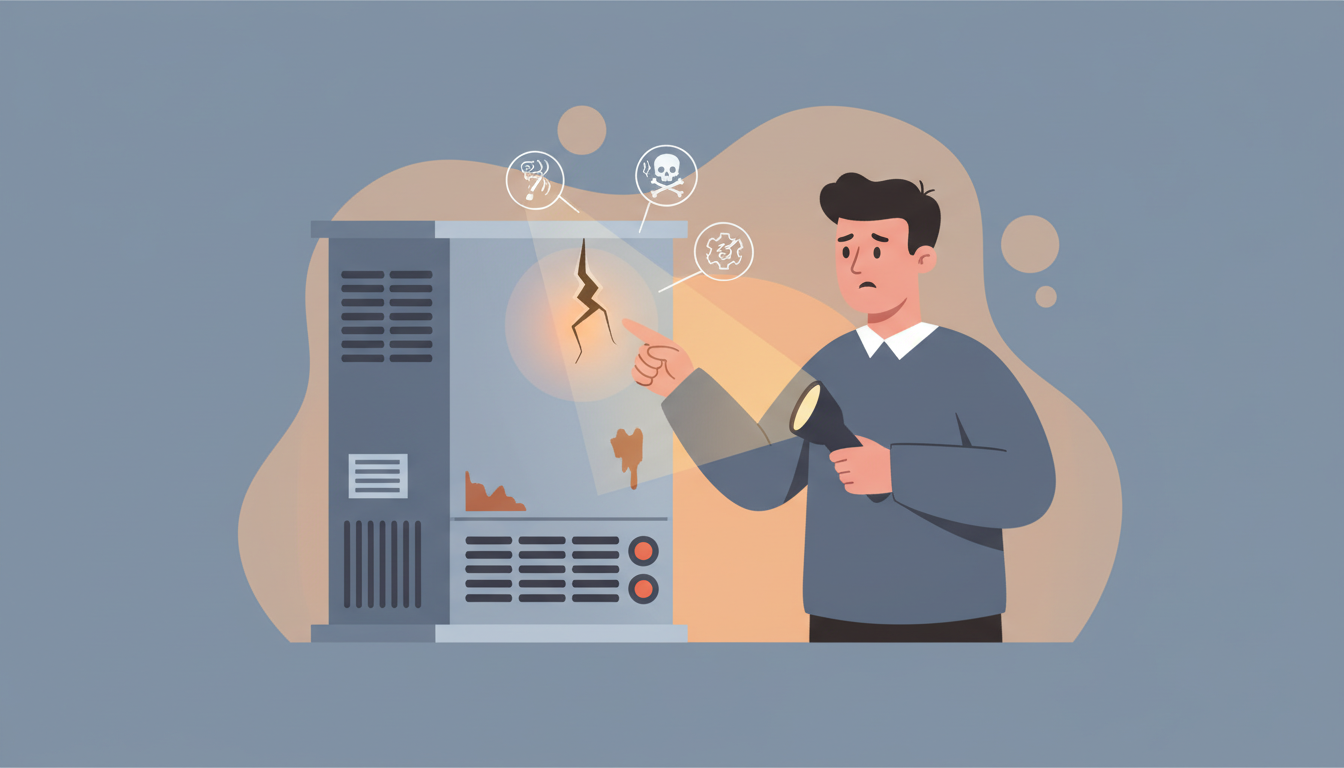
Is your furnace trying to tell you something? A cracked heat exchanger is one of the most serious—and dangerous—problems your heating system can develop. This isn't just about staying warm during winter; it's about protecting your family from carbon monoxide poisoning and potential safety hazards. In this guide, you'll discover exactly what cracked heat exchanger warning signs look like and what to do when you spot them.
What Is a Heat Exchanger and Why Does It Matter?
Before we dive into the warning signs, let's understand what's at stake. Your heat exchanger is the metal barrier inside your furnace that separates combustion gases from the air that heats your home. When it's working properly, deadly gases like carbon monoxide stay contained and vent safely outside.
When a heat exchanger cracks, those toxic combustion gases can leak into your breathing air. This creates an immediate health hazard that requires professional attention.
The heat exchanger operates under extreme stress—heating up to over 1,000 degrees and cooling down repeatedly throughout the heating season. Over time, this constant expansion and contraction can cause metal fatigue, leading to cracks and failures.
How to Tell If Your Heat Exchanger Is Cracked: 8 Warning Signs
Recognizing heat exchanger failure symptoms early can save your family from danger and potentially save you thousands in repair costs. Here's exactly what to look for.
1. Strange Chemical Odors
What it looks like: When your furnace runs, you notice a strong, unpleasant smell similar to formaldehyde or chemicals. This odor is distinct from the dusty smell that's normal when you first turn on your heat for the season.
Why it happens: A cracked heat exchanger allows combustion gases to mix with your home's air. These gases carry a chemical smell that becomes noticeable throughout your house.
What to do: If you smell persistent chemical odors when your furnace runs, turn off your heating system immediately and contact an HVAC professional. This is an urgent safety issue that requires same-day attention.
2. Yellow or Flickering Flames
What it looks like: Open your furnace panel and observe the burner flames. Healthy flames should burn steady and blue. If you see yellow, orange, or dancing, flickering flames, something is wrong.
Why it happens: Proper combustion produces blue flames. When a heat exchanger crack disrupts airflow or allows incomplete combustion, the flame color changes to yellow or orange. This indicates your furnace isn't burning fuel efficiently and may be producing carbon monoxide.
What to do: Never ignore flame color changes. Schedule an immediate inspection with a qualified HVAC technician. Continue using your furnace only if you have working carbon monoxide detectors on every level of your home.
For more details on common furnace problems, check out our comprehensive furnace repair guide.
3. Visible Soot Buildup
What it looks like: Black or white powdery residue accumulates around your furnace burners, on the furnace cabinet interior, or near the heat exchanger itself. White soot is particularly concerning as it indicates a serious combustion problem.
Why it happens: Soot forms when fuel doesn't burn completely. A cracked heat exchanger disrupts the combustion process, causing carbon deposits to form instead of clean combustion. This incomplete burning also produces carbon monoxide.
What to do: Soot buildup requires professional diagnosis. Document what you see with photos, then schedule a thorough furnace inspection. Your technician will need to examine the heat exchanger with specialized equipment.
4. Unusual Sounds: Rattling, Popping, or Banging
What it looks like: You hear rattling, popping, clicking, or banging noises when your furnace turns on or while it's running. These sounds may start as subtle clicks and progress to louder rattles.
Why it happens: As your heat exchanger heats up and cools down, cracks expand and contract. The metal pieces rub together or vibrate, creating distinctive sounds. The noise often occurs during the heating cycle as the metal expands.
What to do: Unusual furnace sounds warrant investigation. While not all noises indicate a cracked heat exchanger, they signal something isn't functioning correctly. Schedule a diagnostic appointment to identify the source.
If you're experiencing other heating issues alongside strange sounds, our HVAC repair guide can help you understand common problems.
5. Corrosion and Rust on the Heat Exchanger
What it looks like: When you visually inspect your heat exchanger (or have a technician do it), you notice rust spots, corrosion, or deterioration on the metal surface. The metal may appear pitted, flaky, or discolored.
Why it happens: Heat exchangers in high-efficiency condensing furnaces are particularly susceptible to corrosion. The condensation process creates moisture that can corrode the metal over time. Once corrosion starts, it weakens the metal structure and makes cracks more likely.
What to do: Surface rust on the furnace cabinet is different from heat exchanger corrosion. Only a professional with proper inspection tools can accurately assess heat exchanger condition. If your technician finds corrosion during maintenance, ask about the remaining lifespan and whether monitoring or replacement is recommended.
6. Water Pooling Around Your Furnace
What it looks like: You notice water, moisture, or condensation collecting at the base of your furnace or around the unit.
Why it happens: While some condensation is normal for high-efficiency furnaces, excessive moisture or pooling water can indicate a cracked heat exchanger or blocked condensate drain. A damaged heat exchanger may not properly contain combustion gases, leading to condensation issues.
What to do: Check your condensate drain first—it may simply be clogged. If clearing the drain doesn't solve the problem, have a professional inspect your heat exchanger and other furnace components.
7. Frequent Furnace Short Cycling
What it looks like: Your furnace turns on, runs for just a few minutes, then shuts off before completing a full heating cycle. This on-off pattern repeats continuously throughout the day.
Why it happens: A cracked heat exchanger can trigger safety sensors that shut down your furnace to prevent carbon monoxide leaks. The furnace tries to restart, detects the problem again, and shuts off repeatedly. Short cycling can also indicate overheating caused by restricted airflow—which, ironically, can lead to heat exchanger cracks.
What to do: Short cycling damages your furnace and wastes energy. Check your air filter first—a clogged filter is the most common cause. If replacing the filter doesn't fix the cycling, schedule a professional inspection.
8. Physical Symptoms: Headaches, Nausea, and Flu-Like Illness
What it looks like: You or your family members experience headaches, dizziness, nausea, fatigue, or flu-like symptoms that improve when you leave the house. These symptoms may worsen when the furnace runs.
Why it happens: These are classic signs of carbon monoxide poisoning. Carbon monoxide is an invisible, odorless gas that a cracked heat exchanger can release into your home. Even low-level exposure causes these symptoms.
What to do: If anyone experiences these symptoms, evacuate your home immediately and call 911. Don't return until emergency responders confirm it's safe. Carbon monoxide poisoning is life-threatening and requires immediate medical attention.
After the emergency is resolved, have your entire HVAC system professionally inspected before using it again.
What Causes a Heat Exchanger to Crack?
Understanding why heat exchangers fail helps you prevent future problems. Here are the most common causes:
Normal Wear and Tear
Heat exchangers typically last 15-20 years. Constant heating and cooling cycles create metal fatigue. Eventually, the stress causes small cracks that grow larger over time.
Restricted Airflow
When your furnace doesn't get enough air, it overheats. Overheating accelerates metal fatigue and can cause premature cracking. Common airflow restrictions include:
- Dirty, clogged air filters
- Blocked return air vents
- Closed supply registers throughout your house
- Undersized ductwork
Oversized Furnace
A furnace that's too powerful for your home short cycles frequently. This constant on-off pattern puts extra stress on the heat exchanger, causing it to crack earlier than expected.
Poor Maintenance
Skipping annual furnace tune-ups allows small problems to become major failures. Dirty burners cause uneven heating. Neglected components fail and create cascading problems. Regular maintenance catches issues before they damage your heat exchanger.
Many heat exchanger problems connect to other furnace issues. For example, igniter failure can create combustion problems that stress your heat exchanger over time.
Corrosion in High-Efficiency Furnaces
Modern condensing furnaces are more efficient but produce acidic condensate that can corrode the heat exchanger. If the condensate drainage isn't working properly, this moisture accelerates deterioration.
Can You Repair a Cracked Heat Exchanger?
The short answer is no. Heat exchanger cracks cannot be reliably repaired. The metal is under extreme stress and heat, so welding or patching won't hold. Once your heat exchanger cracks, you have two options:
Replace the heat exchanger: This can cost $1,500-$3,500 depending on your furnace model. Labor is expensive because the technician must disassemble most of your furnace to access the heat exchanger.
Replace the entire furnace: If your furnace is over 15 years old, replacement often makes more financial sense than installing a new heat exchanger in an aging system. A new furnace costs $3,000-$7,000 installed but comes with a warranty and improved efficiency.
Many HVAC professionals recommend furnace replacement over heat exchanger replacement if your unit is past the halfway point of its expected lifespan.
How to Prevent Heat Exchanger Failure
While you can't stop normal wear and tear, you can significantly extend your heat exchanger's life with these preventive measures:
Change your air filter regularly: Replace disposable filters every 1-3 months during heating season. A clean filter ensures proper airflow and prevents overheating.
Schedule annual furnace maintenance: Professional tune-ups catch small problems before they damage expensive components. Your technician can spot early warning signs of heat exchanger stress.
Never block air vents: Keep furniture, curtains, and boxes away from supply and return vents. Your furnace needs unrestricted airflow to function safely.
Address problems promptly: Strange sounds, smells, or performance issues are your furnace's way of asking for help. Ignoring minor symptoms often leads to major repairs.
Install carbon monoxide detectors: Place detectors on every level of your home and test them monthly. They're your last line of defense if a crack develops.
Frequently Asked Questions About Cracked Heat Exchangers
How long does a heat exchanger typically last?
Most heat exchangers last 15-20 years with proper maintenance. However, factors like furnace size, usage patterns, and maintenance quality can affect lifespan. High-efficiency furnaces may have shorter heat exchanger lives due to the corrosive nature of condensation.
Can a cracked heat exchanger cause carbon monoxide poisoning?
Yes, absolutely. A cracked heat exchanger is one of the leading causes of carbon monoxide leaks in homes with gas furnaces. The crack allows combustion gases containing carbon monoxide to escape into your breathing air. This is why cracked heat exchangers are considered emergency situations requiring immediate professional attention.
How much does it cost to replace a heat exchanger?
Heat exchanger replacement typically costs $1,500-$3,500 including parts and labor. However, if your furnace is over 12-15 years old, replacing the entire unit often provides better value. A new furnace costs $3,000-$7,000 installed but includes a full warranty and improved energy efficiency.
Will my furnace still heat if the heat exchanger is cracked?
Often yes, your furnace will continue heating even with a cracked heat exchanger. This is precisely why cracks are so dangerous—the system keeps running while leaking carbon monoxide into your home. Modern furnaces have safety sensors that should detect problems and shut down, but you shouldn't rely on these sensors alone.
Can a home inspector detect a cracked heat exchanger?
Not reliably. Detecting heat exchanger cracks requires specialized equipment and HVAC expertise. Licensed HVAC technicians use inspection cameras, pressure tests, and combustion analysis to find cracks. A standard home inspection typically doesn't include this level of furnace evaluation.
Take Action to Protect Your Family
A cracked heat exchanger isn't a problem you can fix yourself or ignore until next season. The warning signs we've covered—chemical smells, yellow flames, soot, strange sounds, corrosion, water pooling, short cycling, and physical symptoms—all require professional attention.
If you notice any of these heat exchanger failure symptoms, contact a licensed HVAC technician immediately. They have the tools and expertise to accurately diagnose the problem and recommend the safest solution for your home.
Remember, your safety is worth more than repair costs. When dealing with potential carbon monoxide exposure, always choose caution over convenience.
Schedule Your Furnace Inspection Today
Don't wait for an emergency. Regular maintenance and prompt attention to warning signs keep your family safe and your heating system running efficiently. If your furnace is showing any of the cracked heat exchanger warning signs we've discussed, schedule a professional inspection right away.
Your furnace works hard to keep you comfortable—make sure it's doing so safely.