
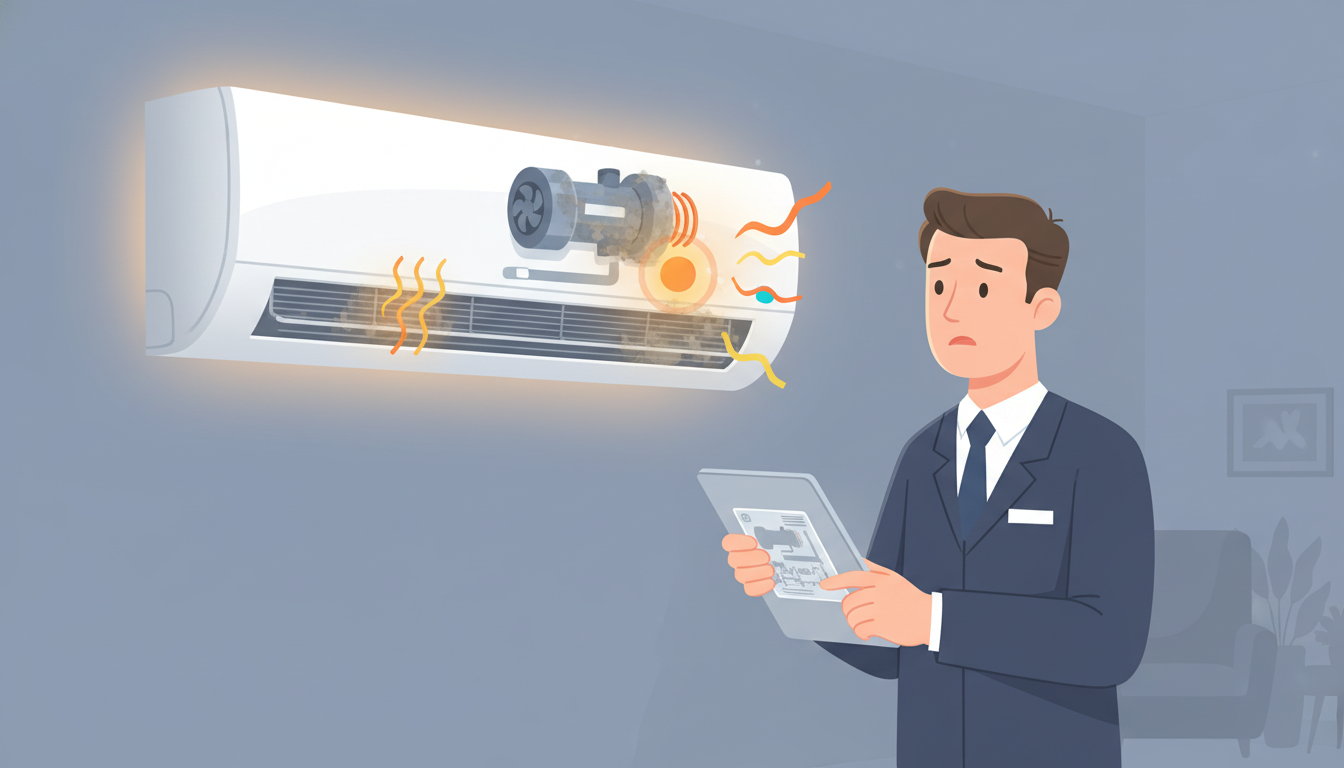
How Dirty Coils Increase Strain on Fans and Compressors
How Dirty Coils Increase Strain on Fans and Compressors
Your air conditioner works hard to keep you comfortable, but when dirt and debris build up on the coils, your system's fans and compressor pay a steep price. This buildup forces these critical components to work overtime, leading to higher energy bills, reduced cooling performance, and potentially expensive breakdowns. Understanding how dirty coils increase strain on fans and compressors can help you prevent costly repairs and extend your HVAC system's lifespan.
What Are HVAC Coils and Why Do They Matter?
Your air conditioning system relies on two types of coils to transfer heat and keep your home cool. The evaporator coil sits inside your home and absorbs heat from your indoor air, while the condenser coil is located outside and releases that heat into the outdoor environment.
These coils are the heart of your AC's heat exchange process. Refrigerant flows through the coils, changing from liquid to gas and back again, absorbing and releasing heat along the way. When these coils are clean, heat transfers efficiently and your system operates as designed.
However, dirt, dust, pollen, pet dander, and outdoor debris gradually accumulate on coil surfaces. This buildup acts like an insulating blanket, blocking efficient heat transfer and forcing your system to compensate in ways that damage critical components.
How Dirty Evaporator Coils Strain Your Blower Motor
The evaporator coil works closely with your indoor blower motor. When the coil surface becomes clogged with dirt and debris, it restricts airflow through the system, creating what HVAC technicians call increased static pressure.
Static Pressure and Fan Workload
Think of static pressure like trying to breathe through a clogged straw versus a clean one. Your blower motor has to work much harder to push air through a dirty evaporator coil, just like your lungs work harder to draw air through a restricted airway.
This increased resistance forces the blower motor to:
- Draw more electrical current (higher amp draw)
- Run at higher temperatures
- Experience accelerated bearing wear
- Operate longer to achieve desired temperatures
- Cycle more frequently due to reduced cooling capacity
CFM Reduction and System Efficiency
A dirty evaporator coil can reduce airflow by 30-50% or more in severe cases. Your system is designed to move a specific volume of air measured in cubic feet per minute (CFM). When dirt blocks airflow, the actual CFM drops significantly below design specifications.
This reduction has cascading effects throughout your system. With less air moving across the coil, heat transfer slows down, temperatures drop too low, and ice can form on the coil surface. The blower motor strains against this ice buildup, further increasing the workload.
Blower Motor Failure Modes
Continuous operation under high static pressure accelerates blower motor failure in several ways:
Bearing Wear: The motor bearings experience increased friction and heat when operating under strain. What might normally last 15-20 years could fail in 8-10 years with consistently dirty coils.
Motor Overheating: Higher amp draw generates more heat in the motor windings. If the motor doesn't have adequate cooling or thermal protection, the windings can break down, leading to complete motor failure.
Capacitor Stress: The capacitor that helps start and run your blower motor degrades faster when the motor draws higher current. A failing capacitor often precedes motor failure.
If you're experiencing issues with your indoor fan, check out our guide on common causes when your blower motor stops working.
How Dirty Condenser Coils Increase Compressor Strain
While the evaporator coil affects your indoor blower motor, dirty condenser coils place enormous strain on your compressor—the most expensive component in your AC system.
Heat Transfer Breakdown
The condenser coil's job is to release heat absorbed from your home into the outdoor air. When dirt, leaves, grass clippings, cottonwood seeds, and other debris coat the condenser coil, heat can't escape efficiently.
This creates a thermal bottleneck. The refrigerant entering the condenser coil remains hotter than it should be, which increases pressure throughout the entire refrigeration circuit.
Elevated Refrigerant Pressure
Your compressor is designed to operate within specific pressure ranges. When the condenser coil can't reject heat properly, refrigerant pressure on the high side (discharge side) increases significantly.
Higher pressure means:
- The compressor must work harder to compress refrigerant
- More electrical energy is consumed
- More heat is generated within the compressor
- Mechanical components experience greater stress
- Oil breakdown accelerates due to higher temperatures
Compressor Runtime and Cycling
A dirty condenser coil forces your compressor to run longer to achieve the same cooling effect. Instead of cycling on and off normally throughout the day, the compressor may run nearly continuously during hot weather.
This extended runtime has two negative effects:
Increased Wear: Compressor components are rated for a certain number of operating hours. Running 50% longer each season accumulates wear much faster, potentially cutting the compressor's lifespan in half.
Thermal Stress: Compressors generate significant heat during operation. They rely on proper cycling and rest periods to cool down. Continuous operation from dirty coils prevents adequate cooling, leading to overheating.
Short Cycling Issues
Paradoxically, dirty coils can also cause short cycling—when your system turns on and off too frequently. This happens when the evaporator coil ices over due to reduced airflow. The system shuts down on safety controls, defrosts briefly, then starts again, only to repeat the cycle.
Short cycling is extremely hard on compressors. The startup surge draws 3-5 times more current than normal operation. Dozens of extra start cycles per day dramatically accelerate compressor wear and increase the risk of mechanical failure.
The Combined Effect: When Both Coils Are Dirty
In many cases, both coils accumulate dirt over time. When this happens, your entire system operates under extreme stress from multiple angles.
Your blower motor struggles against high static pressure while your compressor fights elevated refrigerant pressures. Energy consumption skyrockets—studies show dirty coils can increase electricity usage by 30-40% or more.
Your system runs longer, works harder, and achieves less cooling. The thermal stress on components accelerates aging across the board. What should be a 15-20 year system might fail in under 10 years without proper coil maintenance.
Warning Signs Your Coils Are Straining Your System
Recognizing the symptoms of dirty coils early can prevent major component failure. Watch for these warning signs:
Signs of Fan Motor Strain
- Unusual noises from indoor unit (squealing, grinding, or humming)
- Reduced airflow from vents
- Indoor fan takes longer to start or struggles to maintain speed
- Burning smell from vents (overheating motor)
- Ice forming on indoor coil or refrigerant lines
If your indoor fan won't turn on at all, dirty coils may have already caused motor or capacitor failure.
Signs of Compressor Strain
- AC runs constantly but doesn't cool adequately
- Higher than normal energy bills
- Outdoor unit sounds louder or different than usual
- Compressor feels extremely hot to the touch
- System trips breaker or shuts down on thermal overload
- Warm air blowing from vents despite system running
Visual Inspection Clues
You can often spot dirty coils with a visual inspection:
-
Evaporator Coil: Look through your return air vent or remove the blower access panel. The coil should be clean and metallic. If you see gray/black buildup between the fins, it needs cleaning.
-
Condenser Coil: Walk outside and examine your outdoor unit. The coil fins should be visible and relatively clean. If they're clogged with debris, cottonwood, or appear dark/discolored, cleaning is needed.
The True Cost of Dirty Coils
Understanding the financial impact of dirty coils helps put maintenance into perspective.
Increased Energy Bills
A dirty evaporator coil reduces system efficiency by 20-40%. If you normally pay $150/month to cool your home in summer, dirty coils could add $30-60 per month. Over a cooling season, that's $120-240 in wasted energy.
A dirty condenser coil has similar or worse impact. Combined, severely dirty coils can nearly double your cooling costs during peak summer months.
Component Replacement Costs
Compare the cost of cleaning versus replacement:
- Professional coil cleaning: $100-300 depending on system accessibility
- Blower motor replacement: $400-800 including labor
- Compressor replacement: $1,500-3,000 or more
- Full system replacement: $3,500-7,500+ for most residential systems
Spending $100-300 on annual coil cleaning versus $1,500-3,000 on premature compressor failure is an obvious choice. Yet many homeowners skip this maintenance until damage occurs.
Lifespan Reduction
A well-maintained AC system should last 15-20 years. Dirty coils can reduce this to 8-12 years or less. Losing 5-10 years of system life represents thousands of dollars in premature replacement costs.
How Often Should You Clean Your Coils?
The ideal cleaning frequency depends on your environment and system usage.
Standard Recommendations
- Evaporator Coils: Clean every 1-2 years for most homes
- Condenser Coils: Clean annually in typical environments
Factors That Require More Frequent Cleaning
You should clean coils more often if you have:
- Pets that shed (hair and dander accelerate evaporator coil fouling)
- High pollen or dust in your area
- Cottonwood trees or other plants that produce airborne seeds
- Outdoor unit near dryer vents, lawn mowers, or dusty areas
- Poor air filtration or frequently dirty air filters
- System operates year-round or in extreme climates
In these situations, consider cleaning evaporator coils annually and condenser coils twice per year (spring and fall).
DIY vs Professional Coil Cleaning: What You Need to Know
Some coil maintenance you can handle yourself, while other tasks require professional equipment and expertise.
What Homeowners Can Safely Do
Condenser Coil Maintenance:
- Turn off power at the breaker
- Remove debris (leaves, grass clippings) from around the unit
- Gently rinse the coil from inside out using a garden hose (low pressure)
- Avoid bending the delicate aluminum fins
- Keep vegetation trimmed at least 2 feet from the unit
Air Filter Changes:
- Replace or clean air filters every 1-3 months
- This prevents dirt from reaching the evaporator coil
- Use the filter size and type specified for your system
When to Call a Professional
Professional cleaning is recommended for:
-
Evaporator coils: These require accessing the indoor unit, which involves working with electrical components, refrigerant lines, and delicate coil fins. Professionals use specialized cleaning solutions and equipment.
-
Heavy buildup: Severely dirty coils need chemical cleaners and proper rinsing techniques to avoid damage.
-
System performance issues: If you're experiencing symptoms of strain (high bills, poor cooling, strange noises), have a technician diagnose and address the root cause.
For comprehensive guidance on maintaining your system, visit our complete HVAC repair guide.
Different Types of Coil Contamination
Not all dirt is created equal. Understanding what's fouling your coils helps you prevent future buildup.
Evaporator Coil Contaminants
Organic Buildup: Dust, skin cells, pet dander, and mold combine with moisture from condensation to create a sticky film on evaporator coils. This biological growth can also impact indoor air quality.
Particulate Matter: Fine dust particles from poor filtration gradually pack between coil fins, restricting airflow even when the coil surface looks relatively clean.
Nicotine and Cooking Residue: In homes with smokers or heavy cooking, oily residues coat evaporator coils, attracting and binding dust more readily.
Condenser Coil Contaminants
Organic Debris: Leaves, grass clippings, cottonwood seeds, and pollen are the primary culprits. These larger particles block airflow between fins.
Dust and Dirt: Wind-blown soil, construction dust, and general outdoor particulates coat the coil over time.
Environmental Pollutants: In urban or industrial areas, exhaust particles and chemical residues can corrode coil fins and reduce efficiency.
Preventive Maintenance: Your Best Defense
Preventing dirty coils is far easier and cheaper than dealing with the consequences.
Seasonal Maintenance Schedule
Spring (Before Cooling Season):
- Clean or replace air filters
- Have professional inspect and clean evaporator coil if needed
- Clear debris from condenser unit
- Rinse condenser coil
- Check that condensate drain is clear
Summer (Mid-Season Check):
- Replace air filters
- Monitor system performance (listen for unusual sounds, check cooling effectiveness)
- Remove debris from around outdoor unit
Fall (Before Heating Season):
- Final air filter change
- Clean condenser coil of seasonal debris (leaves, seeds)
- Cover outdoor unit if in harsh climate (but ensure adequate ventilation)
Winter (Off-Season in Warm Climates):
- If you run AC year-round, maintain quarterly coil inspections
- Keep up with monthly filter changes
Air Quality Improvements
Improving your indoor air quality also protects your evaporator coil:
- Upgrade to higher MERV-rated filters (8-11 for most residential systems)
- Consider air purification systems
- Control indoor humidity (30-50% is ideal)
- Address sources of excessive dust or pet hair
- Ensure proper home ventilation
Professional Maintenance Agreements
Many HVAC companies offer maintenance agreements that include:
- Annual or bi-annual system inspections
- Priority service scheduling
- Discounts on repairs
- Cleaning of both coils
- Filter reminders
These agreements typically cost $150-300/year and can pay for themselves through improved efficiency and prevented breakdowns.
Frequently Asked Questions
How do I know if my AC coils are dirty?
Check for these signs: reduced cooling performance, higher energy bills, ice on the indoor coil or refrigerant lines, restricted airflow from vents, and unusual noises from your system. Visually inspect the outdoor condenser coil for debris and the indoor evaporator coil (through the return vent) for dark buildup.
Can I clean my AC coils myself or should I hire a professional?
You can safely clean your outdoor condenser coil with a garden hose (low pressure) and remove debris yourself. However, evaporator coil cleaning requires accessing the indoor unit and using proper cleaning solutions, which is best left to professionals. Improper cleaning can damage delicate coil fins or leave residue that attracts more dirt.
How much does professional coil cleaning cost?
Professional coil cleaning typically costs $100-300 depending on your system size, accessibility, and the severity of buildup. This is significantly less expensive than replacing a damaged blower motor ($400-800) or compressor ($1,500-3,000+) due to neglected maintenance.
What happens if I never clean my AC coils?
Neglected coils lead to progressively worse performance: 30-40% higher energy bills, reduced cooling capacity, accelerated wear on fans and compressors, potential coil freezing, and eventual component failure. A system that should last 15-20 years might fail in under 10 years without proper coil maintenance.
How often should AC coils be cleaned?
For most homes, clean evaporator coils every 1-2 years and condenser coils annually. If you have pets, live in a high-pollen area, or operate your system heavily, clean both coils annually or even twice per year. Always replace air filters every 1-3 months to reduce coil contamination.
Protect Your Investment with Regular Coil Maintenance
Your HVAC system represents a significant investment in your home comfort. The fans and compressor that power this system aren't designed to compensate for dirty coils—they're designed to operate efficiently when properly maintained.
By understanding how dirty coils increase strain on fans and compressors, you can make informed decisions about maintenance that protect your investment and keep your system running efficiently for years to come.
Don't wait for warning signs to appear. Schedule professional coil cleaning as part of your annual maintenance routine, change air filters regularly, and keep the area around your outdoor unit clear. These simple steps can save you thousands in premature repairs and keep your energy bills under control.
Your air conditioner works hard to keep you comfortable. Give it the clean coils it needs to do its job efficiently, and it will reward you with reliable, cost-effective cooling for many years to come.