What to Do When the Indoor Fan Won't Turn On
What to Do When the Indoor Fan Won't Turn On
Is your indoor fan refusing to turn on? You're not alone. When your HVAC system's indoor fan won't turn on, it can leave your home uncomfortable and your stress levels rising. The good news is that many indoor fan issues have simple solutions you can try before calling a professional. This comprehensive guide will walk you through everything you need to know about diagnosing and fixing a blower fan that won't start.
Understanding Your Indoor Fan and Why It Matters
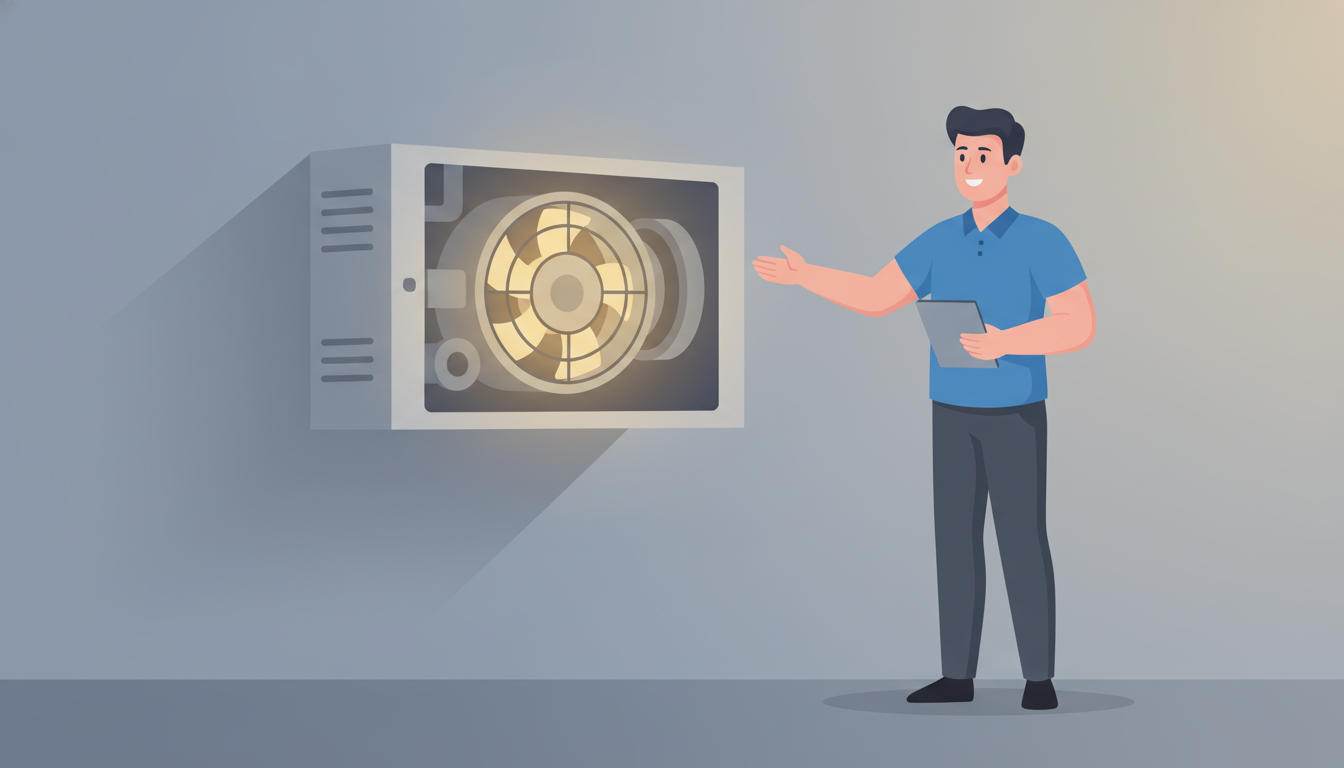
Your indoor fan, also called a blower fan or air handler fan, is the heart of your HVAC system's air circulation. This essential component pushes heated or cooled air through your ductwork and into your living spaces. When your AC fan not working or your furnace fan not running, your entire heating and cooling system becomes ineffective—even if the outdoor unit is running perfectly.
The indoor fan is located inside your air handler or furnace unit, typically in a closet, basement, attic, or garage. It works year-round, whether you're heating or cooling your home, making it one of the most critical components in your HVAC system.
Common Causes When Your Indoor Fan Won't Turn On
Before you panic and call for emergency HVAC repair, understanding why your blower fan won't start can help you determine whether it's a simple fix or requires professional attention. Here are the most common culprits.
1. Thermostat Problems and Settings
Your thermostat is the command center for your HVAC system. If it's not sending the right signals, your indoor fan won't receive the message to turn on.
What to check:
- Make sure your thermostat is set to "Auto" or "On" for the fan setting
- Verify the temperature setting is actually calling for heating or cooling
- Replace batteries if you have a battery-powered thermostat
- Check that the thermostat display is lit and functioning properly
Sometimes, simply switching your thermostat from "Auto" to "On" can reveal whether the problem is with the fan itself or the heating/cooling cycle. In "On" mode, the fan should run continuously regardless of whether the system is heating or cooling.
2. Tripped Circuit Breaker or Blown Fuse
Power issues are among the most common reasons for blower motor problems. Your HVAC system requires substantial electrical power, and circuit breakers can trip due to power surges, electrical overloads, or system malfunctions.
How to fix:
- Locate your electrical panel and look for a tripped breaker (it will be in the middle position)
- Flip the breaker fully to "Off," then back to "On"
- Check the safety switch near your air handler—it looks like a light switch and must be in the "On" position
- Inspect for blown fuses if your system uses them
If your breaker trips repeatedly, this signals a serious electrical problem that requires immediate professional attention. Don't keep resetting it, as this could indicate dangerous wiring issues or a failing component drawing too much current.
3. Failed Capacitor
The capacitor is a small cylindrical component that stores and releases electrical energy to start your fan motor and keep it running. When your AC running but indoor fan not working, a failed capacitor is often the culprit.
Signs of capacitor failure:
- You hear a humming sound but the fan doesn't spin
- The fan starts if you manually give it a gentle push with a stick (never use your hand)
- The system clicks but nothing happens
- The fan runs slowly or intermittently
Capacitors typically last 10-20 years but can fail prematurely due to heat, voltage spikes, or manufacturing defects. This is one of the most common blower motor not working causes and requires professional replacement. Capacitors store dangerous electrical charges even when power is off, so DIY replacement is not recommended unless you're trained.
4. Dirty or Clogged Air Filter
A severely clogged air filter restricts airflow, forcing your blower motor to work harder. Eventually, this can cause the motor to overheat and shut down via its thermal overload protection.
The solution:
- Locate your air filter (usually in the return air grille or inside the air handler)
- Remove and inspect it—if you can't see light through it, it's too dirty
- Replace disposable filters or clean washable ones
- Set a reminder to check filters monthly
Air filter neglect is responsible for countless HVAC service calls that could have been prevented with simple maintenance. Make filter changes part of your routine, especially during heavy-use seasons.
5. Frozen Evaporator Coil
When your evaporator coil freezes, it can prevent your indoor fan from operating properly. Ice buildup blocks airflow and can trigger safety switches that shut down the fan.
Common causes of coil freezing:
- Restricted airflow from dirty filters
- Low refrigerant levels
- Running AC when outdoor temperatures are too cold
- Blocked return air vents
What to do:
- Turn off your AC system completely
- Switch the thermostat fan setting to "On" to help thaw the coil
- Allow 24 hours for complete thawing
- Check and replace your air filter
- Once thawed, if the problem returns, call a professional to check refrigerant levels
If you notice water pooling around your indoor unit, this is likely from a frozen coil that's now thawing. Place towels around the unit to absorb moisture.
6. Defective Blower Motor
The blower motor is the component that actually spins the fan. Like any motor, it has a limited lifespan and will eventually fail.
Signs your blower motor may be failing:
- Strange noises (squealing, grinding, or rattling)
- The motor feels excessively hot to the touch
- Burning smell near the air handler
- Fan starts and stops randomly
- Motor runs but the fan doesn't spin
Blower motors typically last 10-20 years with proper maintenance. If your system is older and the motor is failing, replacement is the only option. A professional can determine whether the motor itself has failed or if the problem is with the motor's electrical connections or control board.
7. Broken or Loose Fan Belt
Older HVAC systems use a belt-driven blower fan, similar to the fan belt in your car. These belts can crack, break, or slip off their pulleys over time.
How to identify belt problems:
- You hear a squealing sound when the system tries to start
- The motor runs but you don't feel any airflow
- Visual inspection shows a cracked, frayed, or missing belt
Belt-driven systems are less common in newer equipment, but if you have one, belt replacement is relatively inexpensive. Regular inspection can catch belt wear before complete failure occurs.
8. Condensate Overflow Safety Switch
Modern HVAC systems have a safety switch that shuts down the blower fan if the condensate drain pan fills with water. This prevents water damage to your home.
What to check:
- Look for standing water in the drain pan beneath your air handler
- Check for a clogged condensate drain line
- Listen for a gurgling sound from the drain
- Look for water stains around the unit
How to clear a clogged condensate line:
- Turn off your HVAC system
- Locate the condensate drain line (usually a PVC pipe)
- Use a wet/dry vacuum to suction out the clog from the drain opening
- Pour a cup of white vinegar down the drain to prevent algae growth
This is a safety feature working as designed, protecting your home from water damage. Once you clear the drain and the pan empties, your system should resume normal operation.
9. Faulty Limit Switch or Control Board
The limit switch prevents your furnace from overheating, while the control board manages all electrical signals in your HVAC system. Problems with either can prevent your indoor fan from starting.
These components involve complex electrical diagnostics and should be handled by qualified HVAC professionals. If you've ruled out all the simpler causes above, control system issues are a likely culprit.
Step-by-Step Troubleshooting Guide
Follow this systematic approach to diagnose your indoor fan problem safely and effectively.
Step 1: Check the Basics First
Start with the simplest solutions:
- Verify your thermostat is on and set correctly
- Check all circuit breakers and safety switches
- Inspect and replace your air filter if needed
- Make sure all access panels on your air handler are properly secured (many units have door switches that prevent operation when panels are open)
Step 2: Listen and Observe
Turn on your system and pay attention to:
- No sound at all: Likely a power or thermostat issue
- Humming but no spinning: Probably a bad capacitor
- Clicking sounds: Could be a relay or contactor issue
- Grinding or squealing: Suggests motor or belt problems
- System runs briefly then stops: May indicate overheating or safety switch activation
Step 3: Perform the Manual Spin Test (Use Caution)
Safety first: Turn off power to your HVAC system at the breaker before opening your air handler.
Once the power is off and the unit has had a few minutes to rest:
- Remove the access panel to expose the blower fan
- Using a wooden stick (never your hand), gently try to spin the fan blade
- Restore power and turn on your system
- If the fan now runs, you likely have a bad capacitor
If the fan won't spin freely by hand or feels locked up, you may have motor bearing failure or debris blocking the fan.
Step 4: When to Call a Professional
Call an HVAC technician if you encounter:
- Repeated circuit breaker trips
- Burning smells or visible smoke
- Electrical sparking or buzzing
- Ice buildup that returns after thawing
- Any situation requiring electrical component testing or replacement
Safety should always be your top priority. HVAC systems involve high voltage electricity, refrigerants, and complex mechanical components. When in doubt, professional help is worth the investment.
Preventive Maintenance to Avoid Future Fan Failures
Preventing indoor fan problems is far easier and cheaper than repairing them. Follow these maintenance practices to keep your blower fan running smoothly.
Regular Filter Changes
Change disposable filters every 1-3 months depending on:
- Pet ownership (more frequent changes needed)
- Allergy sufferers in the home
- Season (more frequent during high-use months)
- Filter type and MERV rating
Annual Professional Maintenance
Schedule professional HVAC maintenance twice a year:
- Spring: Before cooling season begins
- Fall: Before heating season starts
During these visits, technicians will:
- Clean and inspect the blower assembly
- Test and measure capacitor performance
- Lubricate motor bearings (if applicable)
- Check electrical connections
- Measure airflow and system performance
- Clear condensate drains
Regular maintenance visits typically cost $75-150 but can prevent repairs costing hundreds or thousands. Most HVAC repair guide resources emphasize prevention as the best strategy.
Keep Your Outdoor Unit Clear
While we're focused on indoor fan issues, remember that your outdoor unit affects overall system performance:
- Remove leaves, grass clippings, and debris from around the unit
- Maintain at least 2 feet of clearance on all sides
- Trim back vegetation
- Hose down the coils annually to remove dirt buildup
Monitor System Performance
Pay attention to these warning signs:
- Unusual noises that develop gradually
- Rooms that are harder to heat or cool
- Higher-than-normal energy bills
- Longer run times to reach set temperatures
Catching problems early often means simpler, less expensive repairs.
Understanding Repair Costs
When DIY solutions don't work, understanding typical repair costs helps you budget and avoid price gouging.
Typical indoor fan repair costs:
- Capacitor replacement: $150-$450
- Blower motor replacement: $300-$600
- Control board replacement: $200-$600
- Limit switch replacement: $150-$300
- Condensate drain cleaning: $75-$200
- Full blower assembly replacement: $400-$1,500
Labor rates vary by region and season. Emergency or after-hours service typically costs 1.5-2 times standard rates. Get multiple quotes for major repairs, and verify the technician is licensed and insured.
Many contractors offer maintenance agreements that include priority service and discounted repair rates, which can pay for themselves with a single service call.
Emergency Temporary Solutions While Waiting for Repair
If your indoor fan fails during extreme weather and you're waiting for a technician, here are some temporary measures:
For cooling emergencies:
- Use portable fans to circulate air
- Close curtains during the hottest parts of the day
- Drink plenty of water and avoid strenuous activities
- Consider a window unit for critical rooms (bedrooms, spaces with vulnerable family members)
- Check on elderly neighbors or family members who may be affected
For heating emergencies:
- Use space heaters safely (never leave unattended, keep away from flammable materials)
- Dress in layers
- Close off unused rooms to concentrate heat
- Cover windows with heavy curtains at night
- Check that pipes won't freeze if temperatures drop dangerously low
Never use gas stoves, generators, or outdoor heaters indoors, as these produce carbon monoxide and create serious safety hazards.
Indoor vs. Outdoor Fan: Understanding the Difference
Many homeowners confuse indoor and outdoor fan issues. Here's how to tell them apart:
Indoor fan (blower fan):
- Located inside your home in the air handler or furnace
- Pushes air through your ductwork
- Runs for both heating and cooling
- You'll hear it from inside your home
- Handles the air you actually breathe
Outdoor fan:
- Located in the condensing unit outside
- Cools the refrigerant in the condenser coils
- Only runs when air conditioning is active
- You can see it spinning when you look at the outdoor unit
- Has nothing to do with heating your home
If your outdoor fan runs but you have no airflow indoors, the problem is definitely with your indoor blower fan. Conversely, if you have airflow but no cooling, your outdoor unit may be the issue. For more information on outdoor unit problems, check out this guide on hard starting compressor repair.
Frequently Asked Questions
Why does my indoor fan work sometimes but not others?
Intermittent fan operation usually indicates a failing capacitor, loose electrical connection, or a thermostat problem. As capacitors degrade, they may work when cool but fail when heated. Loose connections can make and break contact randomly. Start by checking your thermostat settings, then have a professional test the capacitor and electrical connections.
Can I run my AC if the indoor fan won't turn on?
No, you should not run your air conditioning system if the indoor fan isn't working. Without the blower fan circulating air, your evaporator coil will quickly freeze, potentially causing compressor damage and refrigerant line issues. Turn the system off until the fan problem is resolved to avoid compounding the damage.
How long should an indoor fan motor last?
With proper maintenance, a blower motor should last 10-20 years. Factors affecting lifespan include frequency of use, maintenance quality, air filter replacement habits, and environmental conditions. Motors in dusty environments or systems that run constantly will wear out faster than those in clean, moderately used systems.
Why does my fan only blow cold air in winter or warm air in summer?
This means your heating or cooling system isn't working, but the blower fan is operating normally. The fan is doing its job by circulating air, but your furnace or air conditioner isn't producing heated or cooled air. Check your thermostat settings first, then investigate issues specific to your heating or cooling equipment.
Is it safe to replace a capacitor myself?
Capacitor replacement is not recommended for DIYers unless you have specific training in HVAC electrical work. Capacitors store dangerous electrical charges even after power is disconnected, and incorrect installation can damage your system or cause injury. Professional replacement is inexpensive and much safer than DIY attempts.
When to Consider System Replacement Instead of Repair
Sometimes, replacing your entire HVAC system makes more financial sense than repairing a failing indoor fan.
Consider replacement if:
- Your system is more than 15 years old
- Repair costs exceed 50% of replacement cost
- You've had multiple major repairs in recent years
- Your energy bills have increased substantially
- Your home comfort has declined despite repairs
- Newer systems could cut your energy costs by 20-40%
Modern HVAC systems offer significantly better efficiency, quieter operation, and improved air quality features compared to units from even a decade ago. A qualified HVAC contractor can help you analyze whether repair or replacement makes the most sense for your situation.
Conclusion: Getting Your Indoor Fan Running Again
When your indoor fan won't turn on, it's frustrating and uncomfortable, but it's rarely a cause for panic. Start with the simple solutions—check your thermostat, circuit breakers, and air filter. Many homeowners can resolve these issues without professional help.
For more complex problems like capacitor failure, motor issues, or control board malfunctions, professional HVAC service is your best option. The money you invest in proper repairs and regular maintenance will pay dividends in system longevity, energy efficiency, and home comfort.
Remember that your HVAC system works hard to keep you comfortable year-round. Treating it with regular maintenance and prompt attention to problems will ensure your indoor fan—and your entire system—serves you reliably for years to come.
If you're experiencing persistent HVAC problems or want to learn more about keeping your system running smoothly, explore our comprehensive HVAC repair guide for additional troubleshooting tips and maintenance advice.