How Dirty Filters and Coils Affect Mini-Split Performance
How Dirty Filters and Coils Affect Mini-Split Performance
Is your mini-split system struggling to keep your home comfortable? Running longer than usual but barely making a difference? Your energy bills climbing higher each month? The culprit might be hiding in plain sight: dirty filters and coils. These two critical components can dramatically impact your mini-split's performance, efficiency, and lifespan—and most homeowners don't realize the extent of the damage until it's too late.
Understanding Your Mini-Split's Critical Components
Before we dive into the problems, let's understand what we're dealing with. Your mini-split system has two main components that need regular attention: filters and coils.
What Do Mini-Split Filters Do?
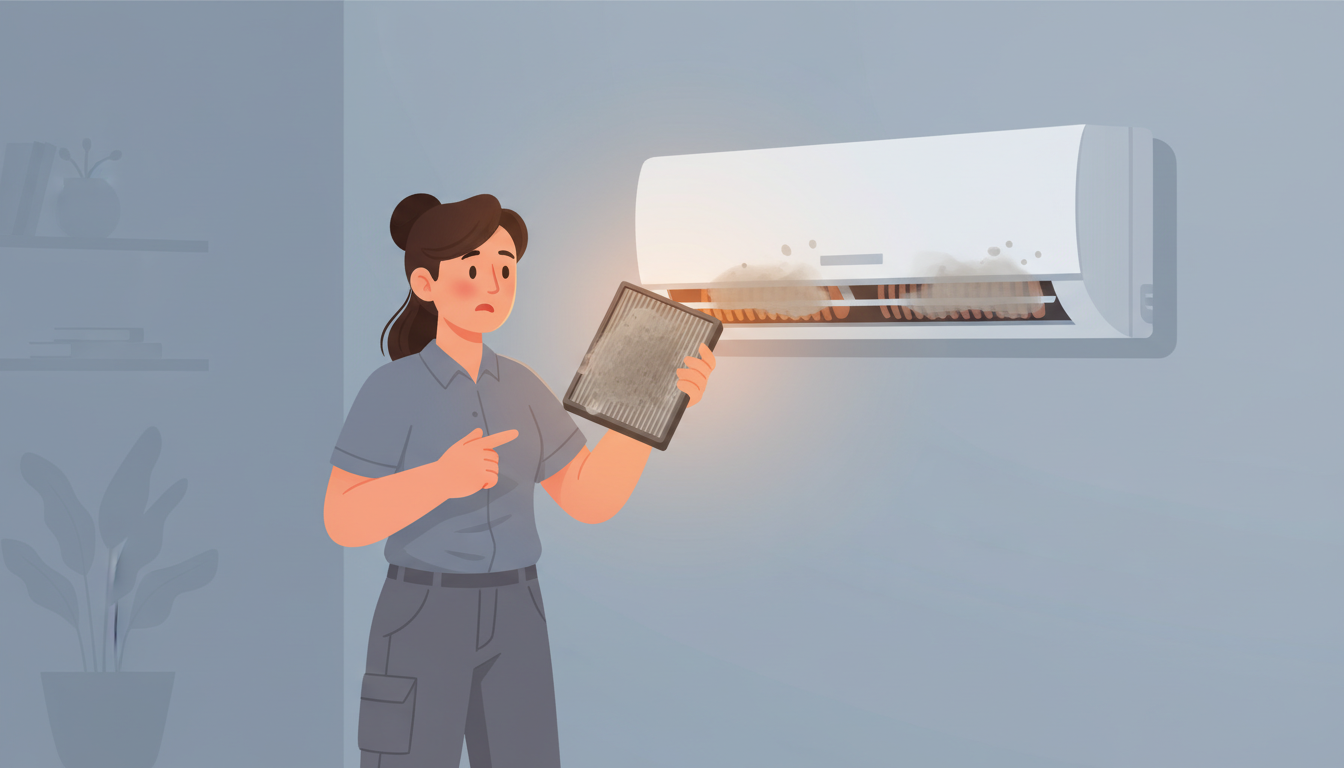
Air filters are your system's first line of defense. They capture dust, pet dander, pollen, and other airborne particles before they enter your indoor unit. Clean filters ensure smooth airflow and protect your entire system from contamination. They're typically located behind the front panel of your indoor unit and are designed to be easily accessible for regular cleaning.
The Role of Evaporator and Condenser Coils
Your mini-split relies on two types of coils to transfer heat. The evaporator coil in your indoor unit absorbs heat from your home's air during cooling mode. The condenser coil in your outdoor unit releases that heat outside. When these coils become coated with dirt, dust, pollen, or mold, they can't transfer heat efficiently—and that's when your problems begin.
How Dirty Filters Destroy Mini-Split Performance
Dirty filters don't just reduce performance—they trigger a cascade of problems throughout your entire system.
Airflow Restriction and System Strain
When your filter becomes clogged with debris, it acts like a wall blocking air from flowing through your system. Your mini-split has to work significantly harder to pull air through the restricted filter, putting excessive strain on the blower motor and other internal components. This isn't just inefficient—it's actively damaging your equipment.
According to the U.S. Department of Energy, a dirty filter can reduce your system's efficiency by up to 15%. That means your mini-split is consuming 15% more electricity while delivering less cooling or heating capacity.
Reduced Cooling and Heating Capacity
Mini split dirty filter symptoms become obvious when you notice your system running constantly but struggling to reach your target temperature. The restricted airflow means less air passes over the evaporator coil, reducing the system's ability to absorb heat from your home. Your comfort suffers, and your system works overtime trying to compensate.
Frozen Evaporator Coils
Here's something many homeowners don't expect: can dirty filters cause mini split freeze? Absolutely. When airflow is severely restricted, the evaporator coil can become too cold and actually freeze into a solid block of ice. This completely stops your system from functioning and can cause water damage when the ice melts. If you've noticed ice forming on your indoor unit, a clogged filter is often the primary culprit.
Indoor Air Quality Problems
Your filter doesn't just protect your system—it protects your health. A saturated filter can no longer capture new particles, meaning dust, allergens, and other contaminants circulate freely through your home. Even worse, moisture trapped in a dirty filter creates an ideal breeding ground for mold and bacteria, which then gets distributed throughout your living space every time your system runs.
How Dirty Coils Devastate Energy Efficiency
While dirty filters get more attention, dirty coils can be even more damaging to your mini-split performance and operating costs.
Heat Transfer Breakdown
Your coils work through direct contact between refrigerant inside the coil and air flowing across the outside surface. When a thin layer of dirt, pollen, or grime coats your coils, it acts as insulation—preventing effective heat transfer. The U.S. Department of Energy estimates that dirty coils can increase energy consumption by up to 30%. That's potentially hundreds of dollars added to your annual energy bills.
Compressor Damage and System Failure
When your coils can't transfer heat efficiently, your compressor has to work harder and run longer to achieve the same results. The compressor is the most expensive component in your mini-split system, and excessive strain significantly shortens its lifespan. Can dirty filters damage mini split compressor? Yes—because dirty filters lead to dirty coils, and dirty coils force your compressor to work under extreme conditions that it wasn't designed to handle.
Refrigerant Pressure Problems
Dirty condenser coils in your outdoor unit prevent heat from escaping, causing refrigerant pressure to rise. High pressure forces your compressor to work against increased resistance, generating excessive heat and accelerating wear. Over time, this can lead to refrigerant leaks, compressor failure, or complete system breakdown—repairs that often cost thousands of dollars.
The Mold and Bacteria Problem
Evaporator coils operate in a moist environment, making them prime real estate for mold and bacterial growth when they're dirty. Not only does this biological buildup further reduce heat transfer efficiency, but it also creates serious health risks. Mold spores and bacteria get blown directly into your living space, potentially triggering allergies, asthma, and respiratory problems.
Dirty Mini-Split Filter vs Dirty Coils: Which Is Worse?
Here's the truth: both are terrible for your system, but they work together to create a compounding problem. Dirty filters accelerate coil contamination by allowing particles to bypass the filter and coat your evaporator coil. Once your coils are dirty, even a clean filter can't restore full performance.
Think of it this way: filters protect your coils, and coils determine your system's efficiency. Neglecting either one puts your entire investment at risk. If you're looking for comprehensive guidance on keeping your mini-split system running efficiently, check out our mini-split repair guide for expert troubleshooting advice.
Warning Signs Your Filters and Coils Need Attention
How do you know if it's time to clean? Watch for these mini split dirty filter symptoms and coil problems:
Immediate Red Flags
- Weak airflow from your indoor unit vents
- Ice formation on the indoor unit or refrigerant lines
- Strange odors—musty smells indicate mold growth
- Whistling or strain sounds from the indoor unit
- Visible dust accumulation on the filter or around vents
Performance Decline Indicators
- Longer run times to reach target temperature
- Inconsistent temperatures across different rooms
- Frequent cycling on and off
- Unable to maintain comfortable temperatures during extreme weather
- System runs constantly but home never feels quite right
Financial Warning Signs
- Steadily increasing energy bills without usage changes
- More frequent repairs needed
- System age approaching or exceeding warranty period without maintenance
If you're experiencing any of these issues, you're likely dealing with mini split performance problems related to maintenance neglect. Our HVAC repair guide covers common issues and solutions.
How Often Should You Clean Mini-Split Filters and Coils?
The answer depends on your specific situation, but here are professional recommendations:
Filter Maintenance Schedule
Standard homes: Check filters monthly and clean every 2-3 weeks during heavy use seasons (summer and winter).
Homes with pets: Clean filters every 1-2 weeks. Pet hair and dander accumulate rapidly and can clog filters much faster than normal household dust.
High-dust environments: If you live near construction, unpaved roads, or in a dusty climate, check filters weekly and clean as needed.
Allergy sufferers: Consider cleaning filters weekly during high pollen seasons to maintain optimal indoor air quality.
Coil Cleaning Frequency
Professional coil cleaning: Schedule annual professional maintenance that includes thorough coil cleaning—ideally before the cooling season begins.
Visual inspections: Check your outdoor unit quarterly for visible dirt buildup, debris, or vegetation growth. Remove any obstructions immediately.
Deep cleaning: Every 1-2 years, depending on your environment, consider professional deep cleaning with specialized coil cleaning solutions.
For a complete maintenance strategy that prevents problems before they start, read our guide on how to prevent mini-split repair problems through better maintenance.
DIY Filter Cleaning: Step-by-Step Guide
Cleaning your mini-split filters is one of the easiest HVAC maintenance tasks you can do yourself. Here's how:
What You'll Need
- Step ladder (if needed)
- Vacuum with brush attachment
- Mild dish soap
- Warm water
- Soft brush or cloth
- Clean towels
Cleaning Process
- Power off your mini-split system completely at the unit or breaker
- Open the front panel of your indoor unit—most lift up and click into place
- Remove the filters carefully—they typically slide out or lift up
- Vacuum both sides to remove loose dust and debris
- Wash with soapy water—use mild dish soap and warm water, gently scrubbing with a soft brush
- Rinse thoroughly until water runs clear
- Shake off excess water and pat dry with towels
- Air dry completely—never reinstall damp filters, which can promote mold growth
- Reinstall dry filters, close the panel, and power on your system
This simple 15-minute task can restore significant performance and prevent more serious problems from developing.
When to Call a Professional for Coil Cleaning
While filters are DIY-friendly, coil cleaning is different. Here's when you need professional help:
You Should Call a Pro If:
- You've never had your coils cleaned and the system is more than 1-2 years old
- Visible mold or heavy buildup on coils
- Performance problems persist after filter cleaning
- You smell mold or mildew even with clean filters
- Your outdoor unit is heavily soiled or surrounded by vegetation
- Ice keeps forming despite clean filters
Professional HVAC technicians have specialized coil cleaning equipment, solutions, and expertise to safely and thoroughly clean coils without damaging delicate fins or refrigerant lines. They'll also inspect your entire system for other potential issues while they're there.
The True Cost of Neglecting Filter and Coil Maintenance
Let's talk numbers. What does it really cost to ignore mini-split maintenance?
Energy Cost Impact
A system running at 30% reduced efficiency (from dirty coils) operating 8 hours per day costs an extra $300-500 per year in wasted electricity. Over a 5-year period of neglect, you're looking at $1,500-2,500 in unnecessary energy expenses—enough to pay for years of professional maintenance.
Repair and Replacement Costs
- Compressor replacement: $1,500-3,000
- Refrigerant leak repair: $500-1,500
- Complete system replacement: $3,000-8,000+
- Annual maintenance: $150-300
The math is simple: spending $200 annually on maintenance saves you thousands in premature repairs and replacement.
System Lifespan Impact
A well-maintained mini-split system lasts 15-20 years. A neglected system often fails in 7-10 years. That's cutting your investment's lifespan in half simply by skipping basic maintenance. The mini-split lifespan dirty filters coils connection is real and expensive.
Prevention: The Best Strategy for Peak Performance
Rather than fixing problems after they occur, take these proactive steps:
Monthly Quick Checks
- Visual filter inspection
- Airflow assessment
- Listen for unusual sounds
- Note any performance changes
Seasonal Deep Maintenance
- Thorough filter cleaning before heating and cooling seasons
- Outdoor unit inspection and debris removal
- Check clearance around outdoor unit (24 inches minimum)
- Schedule professional tune-up
Environmental Adjustments
- Install outdoor unit away from dryer vents and dusty areas
- Landscape to prevent vegetation from blocking outdoor unit
- Consider air purifiers to reduce airborne particles
- Address excessive indoor humidity that promotes mold growth
Smart Habits
- Never block indoor unit vents with furniture or curtains
- Set moderate temperature targets (reducing strain)
- Use ceiling fans to improve air distribution
- Keep doors and windows closed when system is running
Frequently Asked Questions
How much does a dirty filter reduce mini-split efficiency?
A dirty filter can reduce your mini-split's efficiency by up to 15%, according to the U.S. Department of Energy. That translates directly to higher energy bills and reduced comfort. Regular filter cleaning every 2-3 weeks during peak seasons can maintain optimal efficiency and save you hundreds of dollars annually.
Can dirty filters permanently damage my mini-split compressor?
Yes. Dirty filters restrict airflow, which causes coils to get dirty. Dirty coils force your compressor to work harder and longer under increased pressure and temperature. This excessive strain accelerates wear and can lead to premature compressor failure—one of the most expensive repairs you can face.
How do I know if it's the filter or the coil causing problems?
Start by cleaning your filters thoroughly. If performance improves significantly, the filters were your main problem. If symptoms persist—especially weak airflow, high energy bills, or inability to maintain temperature—dirty coils are likely involved. At that point, professional coil cleaning is your next step.
Will dirty filters void my mini-split warranty?
Most manufacturers require proof of regular maintenance to honor warranty claims. Neglecting basic filter maintenance can absolutely void your warranty coverage, leaving you responsible for expensive repairs that would otherwise be covered. Keep records of your maintenance activities to protect your warranty.
How long can I go without cleaning my mini-split filters?
Never longer than one month without at least checking them. During heavy-use seasons, clean filters every 2-3 weeks minimum. If you have pets, clean them every 1-2 weeks. Going months without cleaning causes the cascade of problems we've discussed—problems that get exponentially more expensive the longer you wait.
Take Action Now to Protect Your Investment
Your mini-split system is a significant investment in your home's comfort and value. Dirty filters and coils don't just reduce performance—they accelerate wear, increase operating costs, and shorten your system's lifespan. The good news? Prevention is simple, quick, and inexpensive.
Start today with a filter inspection. If it's been more than a few weeks since your last cleaning, take 15 minutes to clean them now. Schedule your annual professional maintenance if you haven't already this year. Your mini-split, your wallet, and your family's comfort will thank you.
Don't wait until you're facing expensive repairs or a complete system failure. Consistent filter and coil maintenance is the single most important thing you can do to ensure your mini-split delivers reliable, efficient performance for decades to come.