Why Is My Evaporator Coil Dirty or Damaged? Signs, Causes, and Solutions
Why Is My Evaporator Coil Dirty or Damaged? Signs, Causes, and Solutions
Your air conditioner works hard to keep your home cool and comfortable, but when your evaporator coil gets dirty or damaged, everything falls apart. If you're experiencing warm air from your vents, skyrocketing energy bills, or ice forming on your AC unit, your evaporator coil might be the culprit.
The evaporator coil is one of the most critical components in your HVAC system, yet it's often overlooked until problems arise. Understanding why evaporator coils get dirty or damaged—and how to spot the warning signs early—can save you hundreds of dollars in repairs and prevent a complete system breakdown during the hottest days of summer.
What Does Your Evaporator Coil Actually Do?
Your evaporator coil sits inside your air handler or furnace, working alongside your AC system to remove heat and humidity from your indoor air. Here's how it works: refrigerant flows through the coil, absorbing heat from the air passing over it. Your blower motor pushes warm air across the cold coil surface, where heat transfer occurs, and cool air is then distributed throughout your home.
Without a properly functioning evaporator coil, your entire HVAC system loses its ability to cool effectively. The coil's metal fins and tubes must remain clean and intact to maximize surface area for heat transfer. When dirt, debris, or damage interferes with this process, your comfort and your wallet both suffer.
Why Do Evaporator Coils Get Dirty?
Understanding what causes evaporator coil to get dirty helps you prevent problems before they start. Several common culprits contribute to coil contamination:
Poor Air Filtration
Your air filter acts as the first line of defense against dust, pollen, pet dander, and other airborne particles. When you neglect to change your filter regularly—or use low-quality filters—contaminants bypass this barrier and accumulate directly on your evaporator coil. A clogged or inadequate air filter is the number one cause of dirty evaporator coils.
Most homeowners should replace standard 1-inch filters every 30-60 days. If you have pets, allergies, or live in a dusty environment, you may need monthly replacements.
Ductwork Issues
Leaky or dirty ductwork allows dust, insulation particles, and debris to enter your HVAC system. Even small gaps in duct connections can introduce contamination that settles on your evaporator coil over time. If your ducts haven't been cleaned in years, they're likely contributing to your dirty coil problem.
Lack of Regular HVAC Maintenance
Skipping annual maintenance appointments means your evaporator coil never gets professionally inspected or cleaned. Over time, even normal operation causes gradual buildup that reduces efficiency. Professional HVAC technicians can spot developing issues during routine HVAC maintenance before they become expensive repairs.
Indoor Air Quality Problems
Homes with poor indoor air quality—from cooking smoke, tobacco use, pet dander, or high humidity—accelerate evaporator coil contamination. Moisture in your home combines with airborne particles to create sticky residue that adheres stubbornly to coil surfaces.
Construction or Renovation Dust
If you've recently completed home renovations, construction dust can infiltrate your HVAC system even with filters in place. Fine drywall dust and sawdust particles are particularly problematic, creating thick layers on evaporator coils that restrict airflow.
What Causes Evaporator Coil Damage?
While dirt accumulation is the most common issue, physical damage to evaporator coils creates more serious problems:
Corrosion and Refrigerant Leaks
Over time, moisture exposure can cause evaporator coil corrosion, particularly on aluminum or copper fins and tubes. Chemical cleaners, household products, and even condensation can accelerate deterioration. Once corrosion creates tiny holes or cracks, refrigerant leaks develop, requiring coil replacement rather than simple cleaning.
Freeze Damage
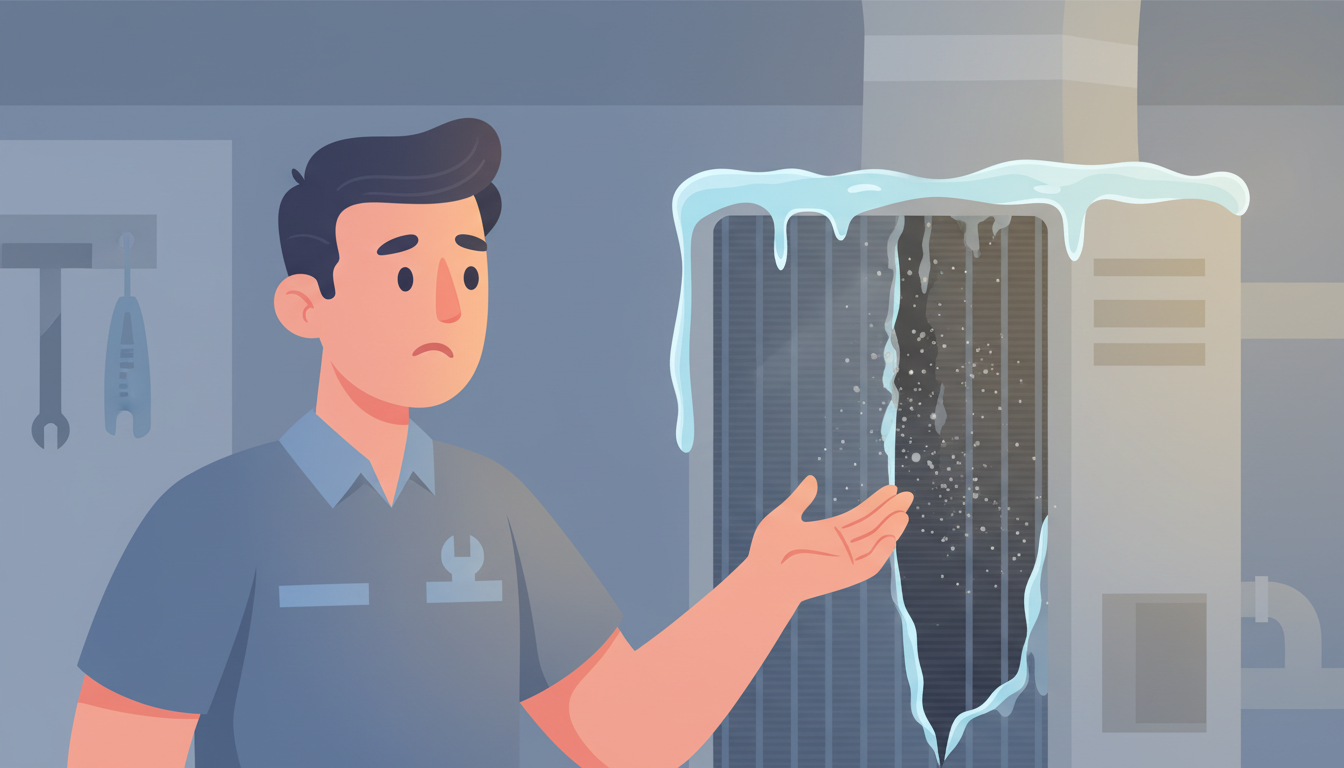
When a dirty evaporator coil restricts airflow, temperatures drop below freezing, causing ice to form. Repeated freeze-thaw cycles can damage coil fins, bend metal components, and eventually crack refrigerant lines. This frozen evaporator coil problem often results from underlying maintenance neglect.
Physical Impact
Although evaporator coils sit inside your air handler, they can still sustain damage during installation, filter changes, or attempted DIY repairs. Bent fins reduce airflow and efficiency, while punctured tubes cause refrigerant loss and complete system failure.
How to Tell If Your Evaporator Coil Is Dirty: 8 Warning Signs
Recognizing signs of dirty evaporator coil early helps you avoid more serious damage and expensive repairs. Watch for these telltale symptoms:
1. Reduced Cooling Performance
If your AC runs constantly but your home never reaches the set temperature, your dirty evaporator coil can't absorb enough heat. You'll notice warm air coming from your vents even though your thermostat is set to cool. This is often the first and most obvious sign homeowners notice.
2. Ice or Frost Buildup
When you spot ice forming on the refrigerant lines or around your indoor AC unit, you're dealing with serious airflow restriction. A dirty coil can't process warm air efficiently, causing temperatures to drop and moisture to freeze. Never ignore a frozen evaporator coil—continued operation can damage your compressor.
3. Higher Energy Bills
Your HVAC system with a dirty evaporator coil works harder and runs longer to achieve the same cooling. This extended runtime shows up on your electricity bill. If you've noticed a 15-30% increase in cooling costs without explanation, coil contamination is a likely culprit.
4. Reduced Airflow
Hold your hand near supply vents throughout your home. Weak airflow indicates restriction somewhere in your system, often at the evaporator coil. Dirt buildup blocks air passages between coil fins, forcing your blower motor to work harder with less result.
5. Strange Odors
A musty, moldy smell when your AC runs signals mold and mildew growth on your evaporator coil. The coil's cold, damp environment provides perfect conditions for microbial growth when dirt accumulates. These evaporator coil mold health risks extend beyond odors—airborne spores can trigger allergies and respiratory issues.
6. Water Leaks Around Your Indoor Unit
Your evaporator coil produces condensation that normally drains away through your condensate line. However, a dirty coil produces excess moisture, and the accompanying dirt can clog your drain pan or condensate drain. You might notice water pooling around your air handler or water stains on nearby ceilings and walls.
7. AC System Constantly Running
When your evaporator coil can't effectively transfer heat, your AC never satisfies the thermostat's cooling demand. The system runs continuously, creating excessive wear on all components while driving up energy costs and reducing comfort.
8. Unusual Noises
A struggling blower motor working against airflow restriction from a dirty evaporator coil often produces louder-than-normal operation sounds. You might hear whistling from air forcing through small gaps, or grinding noises from an overworked motor.
Dirty vs. Damaged Evaporator Coil: Understanding the Difference
Homeowners often wonder whether their evaporator coil needs cleaning or replacement. Here's how to tell:
Dirty evaporator coils accumulate dust, debris, and biological growth but remain structurally intact. Professional cleaning can restore full function, typically costing $100-$400 depending on accessibility and contamination severity.
Damaged evaporator coils have physical deterioration—corrosion, cracks, holes, or refrigerant leaks. Cleaning won't fix these issues. Replacement becomes necessary, with costs ranging from $600-$2,000 depending on your system type and coil accessibility.
Warning signs you're dealing with damage rather than just dirt include:
- Refrigerant leaks (hissing sounds, ice formation, no cooling)
- Visible corrosion or rust on coil surfaces
- Bent or crushed coil fins beyond normal wear
- Oil residue around the coil (indicates refrigerant leak)
- Age-related deterioration (coils typically last 10-15 years)
Can I Clean My Evaporator Coil Myself?
The question "can I clean evaporator coil myself" depends on your comfort level and the coil's location. Some homeowners successfully perform basic cleaning, while others risk causing more harm than good.
DIY Cleaning Considerations
If your evaporator coil is easily accessible and you're mechanically inclined, light surface cleaning is possible. However, you'll need proper supplies and extreme caution:
- Turn off all power to your HVAC system at the breaker
- Remove the access panel to expose the coil
- Use a soft brush to gently remove loose debris
- Apply specialized no-rinse coil cleaner according to directions
- Never use excessive pressure or harsh chemicals
- Straighten bent fins carefully with a fin comb
Important: If you're uncomfortable working with electrical components, can't easily access your coil, or see signs of significant contamination or damage, hire a professional. Improper cleaning can bend delicate fins, push debris deeper into the coil, or puncture refrigerant lines.
Professional Cleaning Advantages
Professional HVAC technicians have specialized tools and training for thorough evaporator coil cleaning:
- High-powered vacuums to remove debris without damage
- Commercial-grade cleaning solutions designed for coils
- Pressure-controlled washing systems for deep cleaning
- Proper refrigerant handling if leaks are discovered
- Complete system inspection to identify related issues
Most professionals recommend annual evaporator coil maintenance as part of comprehensive central AC repair and maintenance service.
How Often Should Evaporator Coils Be Cleaned?
Evaporator coil maintenance schedule depends on several factors:
Standard recommendation: Professional cleaning every 1-2 years during routine HVAC maintenance
Clean more frequently if you:
- Have multiple pets that shed
- Suffer from allergies or asthma
- Live in a high-dust environment
- Recently completed home renovations
- Notice any symptoms of dirty coils
- Run your AC heavily year-round
You might extend the interval if you:
- Replace filters religiously every 30-60 days
- Use high-quality MERV 11-13 filters
- Maintain excellent indoor air quality
- Have sealed, clean ductwork
- Schedule annual professional maintenance
Regular filter changes significantly reduce the frequency needed for professional coil cleaning. Think of it as preventative maintenance that protects your investment.
The Connection Between Indoor and Outdoor Coils
Your HVAC system uses two coils working together—the evaporator coil indoors and the condenser coil outdoors. While this article focuses on evaporator coils, understanding their relationship helps you maintain system efficiency.
When your outdoor coils get dirty, your condenser can't release heat effectively. This forces your entire system to work harder, putting extra strain on your evaporator coil. Both coils need regular maintenance for optimal performance.
Think of it like this: your evaporator coil absorbs heat from inside your home, and your condenser coil releases that heat outside. If either coil is dirty or damaged, the entire heat transfer process becomes inefficient, leading to poor cooling, higher costs, and premature system failure.
Health Impacts of Dirty Evaporator Coils
Beyond comfort and efficiency concerns, dirty evaporator coils pose real health risks for your household:
Mold and Mildew Growth
The cold, damp environment around evaporator coils provides ideal conditions for mold and mildew. When these contaminants grow on your coil, your blower motor circulates spores throughout your home with every cooling cycle. People with allergies, asthma, or compromised immune systems are especially vulnerable.
Reduced Indoor Air Quality
As air passes over a dirty evaporator coil, it picks up dust, bacteria, allergens, and other contaminants that have accumulated on coil surfaces. Your HVAC system essentially becomes a distribution network for pollutants rather than clean, conditioned air.
Respiratory Irritation
Even healthy individuals can experience respiratory irritation from prolonged exposure to air passing over contaminated coils. Symptoms might include coughing, sneezing, headaches, or general respiratory discomfort—especially noticeable when the AC first kicks on.
Regular evaporator coil cleaning protects both your HVAC investment and your family's health.
Evaporator Coil Cleaning Cost: What to Expect
Understanding evaporator coil cleaning cost helps you budget for proper maintenance:
Professional cleaning typically ranges from $100-$400, depending on:
- Coil accessibility (easy access vs. difficult to reach)
- Contamination severity
- Whether ductwork removal is required
- Your geographic location
- Time of year (off-season vs. peak demand)
Full evaporator coil replacement costs $600-$2,000+, including:
- New coil component ($200-$1,200)
- Labor for removal and installation
- Refrigerant recovery and recharging
- Any necessary ductwork modifications
- System testing and startup
While cleaning costs might seem like an expense you can skip, consider the alternative: a single cooling season with a dirty evaporator coil can add $200-$500 to your energy bills while dramatically reducing system lifespan. Professional cleaning pays for itself through efficiency gains and avoided repairs.
How Dirty Evaporator Coils Affect HVAC Lifespan
Your HVAC system represents a major investment, typically costing $5,000-$10,000 or more for complete replacement. Evaporator coil maintenance directly impacts how long your system lasts:
Normal HVAC lifespan: 15-20 years with proper maintenance
Expected lifespan with neglected evaporator coils: 8-12 years or less
Here's why dirty coils accelerate system aging:
- Reduced airflow forces your blower motor to work harder, causing premature failure
- Poor heat transfer puts excessive strain on your compressor (the most expensive component)
- Extended runtimes increase wear on all moving parts
- Freezing and thawing cycles damage multiple components
- Clogged condensate drains can cause water damage to electrical components
The relatively small investment in annual evaporator coil cleaning extends your system's life by years, saving thousands in replacement costs.
Preventing Evaporator Coil Problems: Your Action Plan
Proactive evaporator coil maintenance prevents the majority of problems before they impact your comfort or budget:
1. Change Air Filters Religiously
Mark your calendar and replace your air filter every 30-60 days without fail. This single habit prevents 80% of evaporator coil contamination. Consider upgrading to MERV 11-13 filters for better particle capture, but verify your system can handle the increased resistance.
2. Schedule Annual Professional Maintenance
A qualified HVAC technician should inspect and clean your evaporator coil during yearly tune-ups. They'll catch developing problems early and ensure optimal system performance. Spring is ideal timing—before cooling season begins in earnest.
3. Keep Your Indoor Environment Clean
Regular house cleaning reduces airborne particles that can reach your evaporator coil. Pay special attention to dusting, vacuuming, and controlling indoor humidity (ideal range: 30-50%).
4. Address Ductwork Issues
Have your ductwork professionally sealed and cleaned if you suspect leaks or contamination. Clean, sealed ducts protect your evaporator coil and improve overall system efficiency.
5. Install a Whole-Home Air Purifier
For homes with serious indoor air quality concerns, consider adding UV lights or electronic air cleaners to your HVAC system. These upgrades capture more contaminants before they reach your evaporator coil.
6. Monitor System Performance
Pay attention to your HVAC system's performance. Catching signs of dirty evaporator coil early allows for simple cleaning before damage occurs.
When to Call a Professional
Some evaporator coil issues require immediate professional attention:
- Your AC is completely frozen over
- You smell burning or electrical odors
- You see refrigerant leaks (oily residue, ice formation, no cooling)
- Your system won't turn on or frequently trips breakers
- You notice water damage around your indoor unit
- Your AC is more than 10 years old and showing multiple symptoms
Don't wait for a complete breakdown during the hottest week of summer. If you're experiencing any warning signs discussed in this article, contact a licensed HVAC professional for diagnosis and repair.
Frequently Asked Questions About Dirty Evaporator Coils
How long does it take for an evaporator coil to get dirty?
In typical conditions with regular filter changes, evaporator coils gradually accumulate dirt over 1-2 years before cleaning becomes necessary. However, homes with poor air filtration, pets, or indoor air quality issues can see significant contamination in just 3-6 months.
Can a dirty evaporator coil cause a frozen AC unit?
Yes, absolutely. A dirty evaporator coil is one of the most common causes of frozen AC units. When dirt restricts airflow across the coil, temperatures drop below freezing, causing condensation to freeze. This ice further restricts airflow, creating a worsening cycle that can damage your entire system.
Will cleaning my evaporator coil improve cooling?
In most cases, yes. Professional evaporator coil cleaning can restore 95-100% of your system's original cooling capacity if dirt buildup was the primary issue. Homeowners often report immediate improvement in cooling performance and lower energy bills after cleaning.
How much does evaporator coil replacement cost compared to cleaning?
Professional cleaning typically costs $100-$400, while full evaporator coil replacement ranges from $600-$2,000 or more. The price difference makes regular cleaning a wise preventative investment. However, if your coil has physical damage or refrigerant leaks, replacement becomes necessary regardless of cost.
Can I prevent my evaporator coil from getting dirty?
While you can't eliminate contamination entirely, you can dramatically reduce it through regular air filter changes, annual professional maintenance, clean ductwork, and good indoor air quality practices. These simple steps extend the time between needed cleanings and protect your HVAC investment.
Protect Your HVAC Investment Today
Your evaporator coil might be hidden inside your air handler, but its impact on your comfort, energy bills, and system lifespan couldn't be more visible. Whether you're dealing with a dirty evaporator coil or trying to prevent future problems, understanding the causes, symptoms, and solutions empowers you to take action before small issues become expensive repairs.
Remember: the key to evaporator coil longevity lies in prevention. Regular filter changes, annual professional maintenance, and attention to warning signs keep your system running efficiently for years to come.
If you're experiencing any signs of evaporator coil problems—weak cooling, ice formation, high energy bills, or unusual odors—don't wait. The longer you delay addressing evaporator coil issues, the more damage occurs and the higher your repair costs climb.
Take action today to protect your comfort and your investment. Your future self—and your HVAC system—will thank you.