Why Is My Furnace Making a Booming Noise? (8 Common Causes + Fixes)
Why Is My Furnace Making a Booming Noise? (8 Common Causes + Fixes)
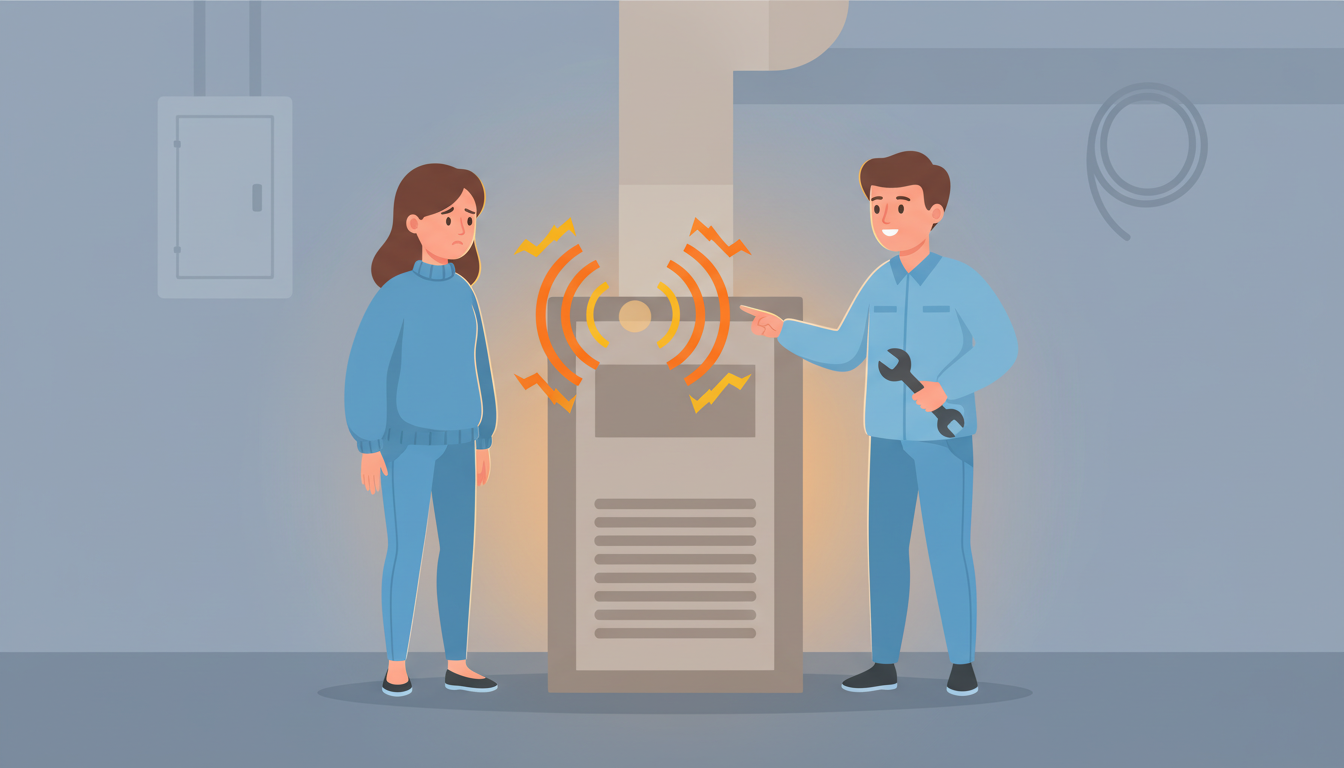
If your furnace is making a booming noise, you're right to be concerned. A loud boom, bang, or explosion sound coming from your heating system isn't normal—and it could signal a serious safety hazard that needs immediate attention.
In this guide, we'll walk you through the most common reasons why your furnace makes a booming noise when it turns on, help you understand which issues are emergencies, and explain what you can do to fix the problem safely.
What Does a Furnace Booming Noise Sound Like?
Before we dive into causes, let's clarify what we mean by a "booming" noise. Homeowners describe this sound in different ways:
- A loud "boom" or "bang" right when the furnace starts up
- An explosion-like sound from the basement or furnace room
- A single sharp "pop" followed by normal operation
- Multiple banging sounds during the heating cycle
If you're hearing any of these sounds, your furnace is trying to tell you something's wrong. The severity depends on when the noise occurs and what's causing it.
The #1 Cause: Delayed Ignition (And Why It's Dangerous)
Delayed ignition is the most common reason for a furnace making a booming noise—and it's also the most dangerous.
How Delayed Ignition Happens
Here's what's happening inside your furnace when you hear that boom:
- Your thermostat signals the furnace to heat your home
- The gas valve opens and gas flows into the combustion chamber
- The ignition system should light the gas immediately
- But something prevents the gas from igniting right away
- Gas continues to accumulate in the combustion chamber
- When the gas finally makes contact with the flame, it ignites all at once
- This creates a small explosion—the boom you're hearing
Think of it like lighting a gas grill that's been left open too long. The delayed ignition creates a much larger flame than normal, producing that scary boom sound.
Why Delayed Ignition Is a Safety Hazard
A gas furnace boom sound isn't just annoying—it's genuinely dangerous for several reasons:
Heat Exchanger Damage: The repeated small explosions from delayed ignition can crack your heat exchanger. This is one of the most expensive furnace repairs, often costing $1,500-$3,000 or requiring complete furnace replacement.
Carbon Monoxide Risk: A cracked heat exchanger can leak carbon monoxide into your home. This odorless, colorless gas is deadly and sends thousands of people to the hospital each year.
Fire Hazard: In extreme cases, the accumulated gas can cause a larger explosion that damages your furnace or starts a fire.
If your furnace is making an explosion sound, turn it off immediately and call an HVAC technician. Don't attempt to relight the pilot light yourself—you could cause a dangerous flash fire.
What Causes Delayed Ignition?
Several issues can prevent your gas burners from lighting on time:
Dirty or Clogged Burners: When dust, dirt, and debris accumulate on your burners, they can block the gas flow or prevent proper ignition. This is especially common if you haven't had regular furnace maintenance.
Misaligned Burners: If your burners aren't properly aligned with the ignition source, it takes longer for the flame to spread across all the burners. This creates a buildup of unburned gas.
Incorrect Gas-to-Air Ratio: Your furnace needs the right mixture of natural gas and air for clean combustion. Too much air or too little air in the mixture can delay ignition.
Firebox Corrosion: Older furnaces may develop rust and corrosion inside the combustion chamber, which interferes with proper gas flow and ignition.
Failing Ignitor: Modern furnaces use electronic ignitors instead of pilot lights. When these components start to fail, they may struggle to light the gas quickly enough.
Expanding and Contracting Air Ducts
The second most common cause of furnace banging noise is actually coming from your ductwork, not the furnace itself.
Why Metal Ducts Make Noise
Metal air ducts naturally expand when hot air flows through them and contract when they cool down. This thermal expansion causes the metal to flex, creating:
- Popping sounds
- Banging noises
- Ticking or pinging sounds
This is similar to the noise your car makes as the engine cools down after you've been driving.
Is Duct Noise Dangerous?
Unlike delayed ignition, duct expansion noise is usually harmless. However, loud or frequent banging from your ducts can indicate:
High Static Pressure: If your ducts are too small for your furnace, or if airflow is restricted by closed vents or dirty filters, pressure builds up inside the ductwork. This forces the metal to flex more dramatically, creating louder bangs.
Improperly Secured Ducts: Loose ductwork can amplify the banging sounds. The ducts may need additional support brackets.
Undersized Ductwork: If your ducts are too small for the volume of air your furnace produces, they'll flex more aggressively with each heating cycle.
How to Tell If It's Your Ducts vs. Your Furnace
Here's a simple test: Listen carefully to where the noise is coming from.
- Furnace boom: Happens right when the furnace tries to ignite (first 2-3 seconds)
- Duct banging: Happens 30-60 seconds after the furnace starts, when hot air reaches the ducts
If you hear the boom during ignition, it's likely delayed ignition and needs professional attention. If the noise starts after the furnace is already running, it's probably duct expansion.
Other Common Causes of Furnace Booming Sounds
While delayed ignition and duct expansion cause most booming noises, several other issues can create similar sounds.
1. Dirty Air Filters
A clogged air filter restricts airflow to your furnace, which can cause multiple problems:
- Increased static pressure in the ducts (more duct banging)
- Overheating that leads to frequent on-off cycling
- Poor airflow to the burners, affecting combustion
Solution: Check your air filter monthly and replace it every 1-3 months, depending on usage. This simple maintenance task prevents many furnace repair issues.
2. Gas Pressure Problems
If your gas pressure is too high or too low, it can affect how quickly and cleanly the burners ignite.
Too Much Gas Pressure: Creates a larger flame and can cause loud ignition sounds
Too Little Gas Pressure: Delays ignition, allowing gas to accumulate before lighting
This issue requires a professional to measure and adjust your gas pressure—never attempt this yourself.
3. Pilot Light Issues (Older Furnaces)
If you have an older furnace with a standing pilot light, problems with the pilot can cause delayed ignition:
- Weak or flickering pilot flame
- Dirty pilot orifice
- Thermocouple problems preventing gas flow
Modern furnaces use electronic ignition systems instead, which can also fail over time and cause ignition delays.
4. Blower Motor Problems
A failing blower motor can create banging or booming sounds, especially if:
- The motor mounts are loose or broken
- The blower wheel is out of balance
- Bearings are worn out
These sounds are usually more of a continuous rumbling or banging rather than a single boom at startup.
5. Loose or Broken Internal Components
Over time, parts inside your furnace can work loose:
- Mounting brackets
- Burner assembly components
- Blower fan blades
- Access panels
When your furnace vibrates during operation, these loose parts can bang against other components. If you hear rattling along with the booming, this could be the culprit.
6. Thermostat Malfunctions
A faulty thermostat can cause your furnace to short-cycle (turn on and off frequently). This constant starting and stopping can:
- Create more opportunities for delayed ignition
- Cause excessive duct expansion and contraction
- Put extra stress on furnace components
If your furnace is booming and also cycling on and off every few minutes, check your thermostat settings and battery.
7. Blocked Vents or Registers
When too many vents are closed in your home, or if furniture is blocking your registers, it creates back-pressure in your duct system. This can lead to:
- Louder duct banging sounds
- Overheating of the furnace
- Reduced efficiency
Quick fix: Make sure at least 80% of your vents are open throughout your home.
8. Draft Inducer Motor Issues
The draft inducer motor creates airflow to vent combustion gases safely outside. If this motor is noisy or failing, it can create unusual sounds that might be mistaken for booming.
A noisy furnace draft inducer motor typically makes rattling or humming sounds rather than booming, but it's worth checking if you're hearing multiple types of noise from your furnace.
What to Do When Your Furnace Makes a Booming Noise
Your response depends on the severity and timing of the noise.
When to Turn Off Your Furnace Immediately
Shut down your furnace right away if:
- The boom is very loud (sounds like an explosion)
- You smell gas anywhere in your home
- The booming happens every time the furnace tries to start
- You see visible flames or smoke
- Your carbon monoxide detector goes off
To turn off your furnace:
- Set your thermostat to "Off"
- Turn off the furnace power switch (usually looks like a light switch near the unit)
- Turn off the gas supply valve (if you know where it is)
- Call an HVAC professional immediately
Do not attempt to relight the pilot or restart the furnace yourself.
When You Can Investigate Further
If the boom is occasional and relatively quiet, you can safely check a few things:
Check Your Air Filter: A dirty filter is the easiest thing to fix yourself. Replace it and see if the problem improves.
Inspect Visible Ductwork: Look for loose connections or unsecured sections of duct in your basement or attic.
Listen to the Timing: Note whether the noise happens at ignition or during the heating cycle. This helps your technician diagnose faster.
Check All Vents: Make sure vents throughout your home are open and unobstructed.
DIY Troubleshooting Steps (If Safe)
Only attempt these steps if the booming is mild and occasional:
- Replace the air filter - This solves many airflow-related issues
- Clear area around furnace - Remove any items stored near your unit
- Check thermostat batteries - Replace them if they're low
- Open all vents - Ensure proper airflow throughout your home
- Look for visible issues - Check for loose panels or obvious damage
Important: Never try to clean burners, adjust gas pressure, or work on the ignition system yourself. These tasks require professional training and tools.
How Much Does It Cost to Fix a Booming Furnace?
Repair costs vary widely depending on the cause:
- Air filter replacement: $15-30 (DIY)
- Burner cleaning: $100-300
- Ignitor replacement: $150-400
- Gas valve replacement: $300-700
- Heat exchanger replacement: $1,500-3,000
- Ductwork modifications: $500-2,000
- Complete furnace replacement: $2,500-7,500+
Most booming noise issues fall into the $150-500 range if caught early. Waiting too long can lead to heat exchanger damage, which is far more expensive.
Regular maintenance costs $80-150 per year but can prevent these expensive repairs.
How to Prevent Future Furnace Booming
Prevention is always cheaper than repair. Here's how to keep your furnace running quietly:
Annual Professional Maintenance
Schedule a professional tune-up every fall before heating season begins. A technician will:
- Clean and inspect the burners
- Check the ignition system
- Test gas pressure and air-to-fuel ratio
- Inspect the heat exchanger for cracks
- Clean the blower motor and components
- Check all electrical connections
This annual service catches small problems before they become dangerous—or expensive.
Monthly Homeowner Tasks
Between professional visits, you can:
- Check and replace air filters monthly during heavy use
- Keep vents open and clear in all rooms
- Listen for unusual sounds and address them quickly
- Keep the area around your furnace clean and unobstructed
- Test your carbon monoxide detectors monthly
Seasonal Startup Tips
If your furnace has been sitting unused all summer, it's more likely to have issues when you first turn it on:
- Replace the air filter before the first heating day
- Turn on the furnace while you're home to listen for problems
- Check all vents are open throughout the house
- Schedule a professional inspection if you hear any concerning noises
Furnaces that boom on the first startup of the season often have accumulated dust on the burners—a problem professional cleaning can prevent.
Gas Furnace vs. Electric Furnace: Which Makes Booming Noises?
Gas furnaces are far more likely to make booming sounds because they involve combustion. The delayed ignition issue we discussed simply can't happen with an electric furnace.
Electric furnaces can still make banging noises from:
- Duct expansion and contraction
- Blower motor issues
- Loose components
If you have an electric furnace making a booming noise, it's almost certainly coming from the ductwork or a mechanical component, not from ignition problems.
Frequently Asked Questions
Is a booming furnace dangerous?
Yes, a furnace making a booming noise can be dangerous, especially if the boom comes from delayed ignition. This can crack your heat exchanger and leak carbon monoxide into your home. If you hear loud booming sounds, turn off your furnace and call a professional immediately.
Should I turn off my furnace if it's booming?
If the booming is loud, happens every time the furnace starts, or you smell gas, turn off your furnace immediately. For occasional mild booming, you can investigate basic issues like air filters, but schedule a professional inspection soon. Safety should always be your first priority.
How much does it cost to fix a booming furnace?
Most booming furnace repairs cost between $150-500 for issues like burner cleaning or ignitor replacement. However, if delayed ignition has damaged your heat exchanger, repairs can cost $1,500-3,000 or may require complete furnace replacement at $2,500-7,500+. Early diagnosis saves money.
Can I fix a booming furnace myself?
You can safely replace the air filter and check that all vents are open, which may solve minor issues. However, never attempt to clean burners, adjust gas pressure, or repair ignition components yourself. Gas furnace work requires professional training to prevent fire hazards, gas leaks, and carbon monoxide exposure.
What causes delayed ignition in a furnace?
Delayed ignition typically results from dirty or clogged burners, misaligned burner components, incorrect gas-to-air ratios, or a failing ignitor. Lack of regular maintenance is the primary cause. Annual professional furnace cleaning and inspection prevents most delayed ignition problems.
Why does my furnace boom only when it starts?
A boom at startup specifically indicates delayed ignition—gas is accumulating before it lights, creating a small explosion. If the noise happens 30-60 seconds after startup instead, it's more likely expanding metal ducts. The timing of the boom helps identify whether it's a dangerous ignition issue or harmless duct noise.
The Bottom Line: Don't Ignore a Booming Furnace
A furnace making a booming noise is never normal and always deserves attention. While some causes like duct expansion are relatively harmless, others like delayed ignition pose serious safety risks.
When in doubt, err on the side of caution:
- Turn off your furnace if the booming is loud or frequent
- Call a professional rather than attempting complex repairs yourself
- Don't wait for the problem to "fix itself"—it won't
Regular maintenance is the best way to prevent booming noises and keep your heating system running safely and efficiently for years to come.
Need help with your noisy furnace? Contact a qualified HVAC technician today to diagnose and repair the problem safely.