When Furnace Repair Becomes a Safety Emergency: Know the Warning Signs
When Furnace Repair Becomes a Safety Emergency: Know the Warning Signs
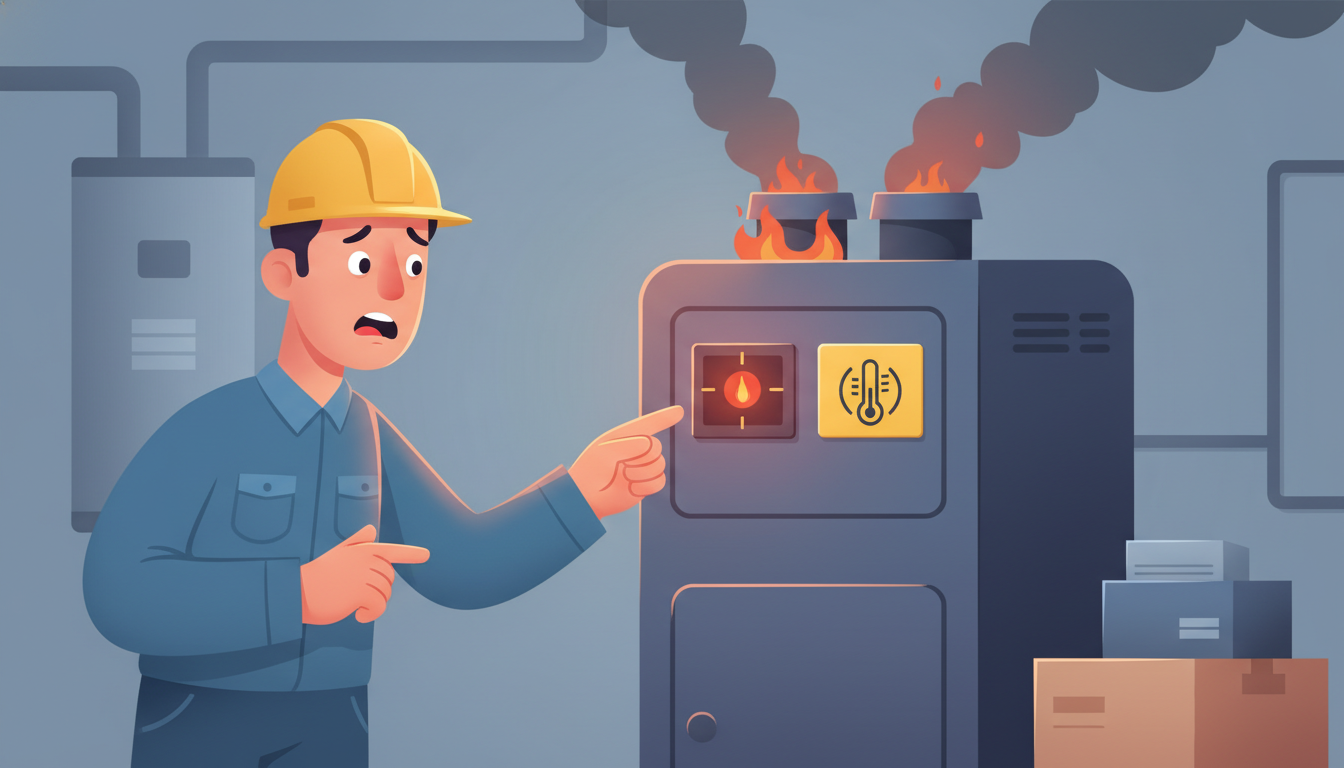
Your furnace keeps your family warm during cold winter nights. But when something goes wrong, it can quickly turn from a comfort system into a serious safety hazard. Knowing when a furnace repair becomes a safety emergency could save your family's life.
Not every furnace problem requires an emergency call. A slightly noisy blower or a thermostat that needs adjusting can wait until morning. But certain warning signs demand immediate action—no matter what time it is.
In this guide, you'll learn exactly which furnace problems constitute true emergencies, what to do when you spot them, and how to protect your family from dangerous heating system failures.
What Makes a Furnace Repair a True Emergency?
A furnace repair becomes a safety emergency when it poses an immediate threat to your health or property. These aren't minor inconveniences—they're life-threatening situations that require you to act fast.
True furnace safety emergencies involve three main categories: toxic gas exposure, fire hazards, and complete heating failure in dangerous conditions.
The Three Types of Furnace Emergencies
Gas-Related Emergencies: Natural gas leaks and carbon monoxide exposure top the list of deadly furnace problems. Both gases can kill within minutes in high concentrations.
Fire and Electrical Hazards: Burning smells, visible smoke, sparking, or flames coming from your furnace signal an immediate fire risk. Electrical issues can also cause house fires if not addressed right away.
Critical Heating Failure: When your furnace stops working completely during freezing temperatures, especially with vulnerable family members at home, it becomes a safety emergency. Hypothermia and frozen pipes can cause serious harm.
Life-Threatening Warning Signs That Require Immediate Action
Certain symptoms signal that your furnace has crossed from "needs repair" into emergency territory. Here are the critical warning signs that mean you need to take action right now.
The Smell of Rotten Eggs (Gas Leak)
If you smell rotten eggs or sulfur anywhere in your home, evacuate immediately. Natural gas companies add this distinctive odor (called mercaptan) to help you detect leaks.
Never assume it's a minor issue. Even a small gas leak can lead to an explosion or poisoning.
What to do right now:
- Get everyone out of the house immediately
- Don't flip any light switches or create sparks
- Don't use your phone inside the house
- Once outside, call your gas company's emergency line
- Call 911 if you suspect anyone has gas poisoning
Don't return home until the gas company confirms it's safe. Your furnace repair may involve fixing a cracked gas valve, damaged gas line, or faulty heat exchanger.
Your Carbon Monoxide Detector Sounds the Alarm
When your carbon monoxide (CO) detector goes off, treat it like the life-or-death emergency it is. Carbon monoxide is an invisible, odorless gas that kills without warning.
Furnaces produce carbon monoxide during normal operation, but a properly functioning system vents it safely outside. When that venting fails or your heat exchanger cracks, deadly CO can flood your home.
Immediate action steps:
- Evacuate everyone immediately
- Call 911 from outside your home
- Don't re-enter until emergency responders clear your home
- Have an HVAC professional inspect your entire heating system
Symptoms of carbon monoxide poisoning include headaches, dizziness, nausea, and confusion. If anyone shows these symptoms, seek emergency medical care immediately.
Yellow or Flickering Pilot Light Flame
Your pilot light flame should burn steady and blue. A yellow, orange, or flickering flame signals incomplete combustion—which produces carbon monoxide.
This color change indicates your furnace isn't burning fuel properly. The problem could be a dirty burner, insufficient air supply, or a cracked heat exchanger allowing combustion gases to escape.
What this means for your safety:
- Your furnace is producing excess carbon monoxide
- Combustion gases may be entering your living space
- The heat exchanger may have dangerous cracks
Turn off your furnace immediately and call an emergency HVAC technician. Don't run your heating system until a professional determines the cause and fixes it properly.
Smoke, Fire, or Burning Smells
Seeing smoke or smelling burning plastic, rubber, or electrical odors from your furnace means you have an active fire hazard. These aren't normal "first use of the season" dusty smells—they indicate serious problems.
Different burning smells indicate different emergencies:
- Burning plastic or rubber: Electrical component failure or melting wires
- Acrid electrical smell: Overheating motors or circuit board failure
- Continuous smoke: Active fire inside your furnace cabinet
Shut down your furnace at the breaker box immediately. If you see flames or heavy smoke, evacuate and call 911. For burning smells without visible fire, turn off the system and call for emergency furnace repair.
Understanding your furnace safety switches can help you safely shut down your system when emergencies occur.
Strange Sounds: Banging, Booming, or Screeching
Loud, alarming noises from your furnace often signal dangerous mechanical failures. While some sounds can wait for regular repairs, others demand immediate attention.
Emergency-level furnace noises include:
- Loud booming or banging at startup: Delayed ignition causing mini-explosions
- Continuous squealing or screeching: Failing blower motor at risk of seizing
- Rattling metal sounds: Loose components that could damage other parts
- Hissing near gas lines: Potential gas leak
Delayed ignition happens when gas builds up before igniting, creating small explosions inside your furnace. This can crack your heat exchanger or damage other components, leading to carbon monoxide leaks.
Water Pooling Around Your Furnace
Finding water or steam around your furnace isn't normal. Significant water accumulation signals serious problems that need immediate attention.
High-efficiency furnaces produce condensation, but this should drain properly through a condensate line. Water pooling on the floor indicates:
- Cracked heat exchanger leaking water
- Clogged condensate drain causing backup
- Frozen condensate line in cold weather
- Humidifier malfunction flooding the system
A cracked heat exchanger is a serious safety emergency. It can leak both water and carbon monoxide into your home. Any water pooling requires immediate professional inspection.
Complete Loss of Heat in Freezing Weather
When your furnace stops producing heat during extreme cold, it becomes a safety emergency—especially with vulnerable family members at home.
This situation is critical when:
- Outside temperatures are below freezing
- You have infants, elderly family members, or people with health conditions
- Pipes are at risk of freezing and bursting
- You have no alternative heat source
Hypothermia can occur even indoors when temperatures drop low enough. Frozen pipes can burst, causing thousands of dollars in water damage.
While you wait for emergency repair, use safe alternative heating methods and keep your family warm. Never use ovens, grills, or generators indoors—these create carbon monoxide hazards.
Electrical Issues: Flickering Lights and Tripped Breakers
Your furnace drawing too much power or experiencing electrical shorts creates fire risks. Warning signs include:
- Lights dimming when the furnace kicks on
- Circuit breakers repeatedly tripping
- Burning smell from the electrical panel
- Sparks or arcing sounds near the furnace
Electrical fires can start inside walls or your furnace cabinet without obvious warning. These issues require both HVAC and electrical expertise to resolve safely.
Shut down your furnace at the breaker and call for emergency service if you notice electrical problems.
What to Do During a Furnace Safety Emergency
Knowing how to respond during a furnace emergency can save lives. Follow this immediate action plan based on the type of emergency you're facing.
Immediate Steps for Gas Leaks
Time matters critically with gas leaks. Follow this sequence exactly:
- Evacuate immediately: Get all people and pets out of the house
- Leave the door open: Don't worry about heat loss—ventilation matters more
- No switches or sparks: Don't use light switches, phones, or create any spark source
- Call from outside: Use your phone only after you're safely outside
- Contact the gas company: They provide 24/7 emergency response
- Call 911: If anyone shows symptoms of gas poisoning
Never attempt to locate the leak yourself or fix it. Only certified professionals should work on gas line repairs.
Response Protocol for Carbon Monoxide Detection
Carbon monoxide poisoning can be fatal within minutes. Your response must be immediate:
- Evacuate all occupants: Including pets
- Call 911 immediately: From outside your home
- Seek medical attention: For anyone with symptoms (headache, nausea, dizziness, confusion)
- Wait for clearance: Don't return until fire department confirms safe CO levels
- Schedule emergency furnace inspection: Before using your heating system again
Install CO detectors on every level of your home and test them monthly. Battery-powered or battery-backup detectors work even during power outages.
How to Safely Shut Down Your Furnace
Sometimes you need to shut down your furnace before the emergency technician arrives. Here's the safe procedure:
At the furnace:
- Turn the thermostat to "Off"
- Locate the emergency shut-off switch (usually red, near the furnace)
- Flip the emergency switch to "Off"
At the electrical panel:
- Locate the breaker labeled for your furnace
- Flip the breaker to "Off"
For gas furnaces:
- Locate the gas shut-off valve near your furnace
- Turn the valve perpendicular to the gas line (this closes it)
- Only shut off gas if you smell gas or see flames
Only shut off your main gas valve if absolutely necessary. Relighting pilot lights on some systems requires professional service.
Alternative Heating While Waiting for Repairs
When your furnace is down during cold weather, you need safe temporary heating options.
Safe alternative heating methods:
- Portable electric space heaters (keep 3 feet from flammable materials)
- Fireplace (if you have one and it's properly maintained)
- Heat lamps in small spaces
- Extra blankets and warm clothing layers
NEVER use these dangerous "heating" methods:
- Gas stove or oven left on for heat
- Charcoal or gas grills indoors
- Generators inside or in attached garages
- Propane heaters designed for outdoor use only
These produce carbon monoxide and create deadly indoor air quality hazards. They cause hundreds of deaths every winter.
When It's NOT an Emergency (But Still Needs Attention)
Not every furnace problem requires an emergency call. Understanding the difference saves you money on after-hours service fees while ensuring you get help when it truly matters.
Problems That Can Wait Until Morning
These issues need professional attention but aren't immediate safety emergencies:
- Furnace cycling on and off more frequently than normal
- Reduced heating efficiency or uneven room temperatures
- Minor rattling or clicking sounds during operation
- Thermostat not responding properly
- Higher than normal energy bills
- Dusty or musty smells (not gas or burning odors)
Schedule regular-hours service for these problems. They indicate your system needs maintenance or repair, but they don't pose immediate dangers.
Basic Troubleshooting Before Calling
Before calling for emergency service, check these simple issues:
Thermostat problems:
- Check battery levels and replace if needed
- Verify thermostat is set to "Heat" mode
- Make sure temperature setting is higher than current room temp
Power supply:
- Check that your furnace breaker hasn't tripped
- Verify the emergency shut-off switch is in "On" position
- Look for blown fuses in older systems
Air flow:
- Inspect your air filter—replace if it's dirty or clogged
- Make sure all supply vents are open throughout your home
- Check that return air vents aren't blocked by furniture
If these quick checks don't resolve the issue and you have any safety concerns, don't hesitate to call for professional help.
Understanding Emergency Repair Costs vs. Regular Service
Emergency HVAC service typically costs more than regular appointments. Understanding these costs helps you make informed decisions.
Why Emergency Service Costs More
After-hours rates reflect the realities of 24/7 service availability:
- Technicians on-call overnight, weekends, and holidays
- Immediate response time instead of scheduled appointments
- Premium labor rates for after-hours work
- Trip charges and emergency service fees
Typical emergency service premiums range from 50% to 100% more than regular rates. A repair that costs $300 during business hours might run $450-$600 as an emergency call.
When the Extra Cost Is Worth It
Pay the emergency premium when you face:
- Any gas leak situation
- Carbon monoxide detector activation
- Visible smoke or fire
- Complete heat loss with freezing temperatures
- Any situation threatening immediate safety
Don't pay emergency rates when:
- Your problem can safely wait until morning
- You have adequate alternative heating
- The issue is clearly minor (thermostat batteries, etc.)
- Weather is mild and heat loss isn't dangerous
Insurance and Warranty Considerations
Check your coverage before paying for emergency repairs:
Home warranty coverage: Many home warranties cover emergency HVAC service calls. Review your policy to understand deductibles and coverage limits.
Manufacturer warranties: If your furnace is relatively new, parts may still be under manufacturer warranty. Labor may not be covered, but parts replacement could be free.
Homeowner's insurance: Some emergency situations (like gas leaks causing property damage) may involve insurance claims. Document everything with photos and keep all receipts.
Always ask about warranty coverage before authorizing emergency repairs. This can save hundreds of dollars on parts and labor.
Preventing Furnace Safety Emergencies
The best emergency is one that never happens. Regular maintenance and vigilance can prevent most furnace safety emergencies.
Annual Professional Maintenance
Schedule professional furnace maintenance every fall before heating season begins. This inspection catches problems before they become emergencies.
What annual maintenance includes:
- Complete safety inspection of heat exchanger
- Carbon monoxide testing around your furnace
- Gas line pressure testing and leak detection
- Electrical connection inspection and tightening
- Cleaning of burners and flame sensors
- Blower motor lubrication and testing
- Thermostat calibration
- Air filter replacement
- Condensate drain cleaning
Annual maintenance typically costs $80-$200 but prevents thousands in emergency repairs and protects your family's safety.
Monthly Homeowner Checks
Between professional visits, perform these simple monthly checks:
Safety checks:
- Test your carbon monoxide detectors
- Listen for unusual furnace sounds
- Look for any water around your furnace
- Check that your furnace vents properly outdoors
Performance checks:
- Change or clean your air filter monthly during heating season
- Verify all vents throughout your home are open and unblocked
- Make sure your thermostat responds properly
- Note any changes in heating efficiency or comfort
These quick checks take less than 10 minutes but help you catch problems early.
Know Your Furnace's Age and Condition
Furnaces typically last 15-20 years with proper maintenance. If your system is approaching this age, safety emergencies become more likely.
Warning signs your furnace is nearing end-of-life:
- Frequent repairs becoming more common
- Repair costs approaching 50% of replacement cost
- Inconsistent heating or difficulty maintaining temperature
- Rising energy bills despite normal usage
- Visible rust or corrosion on the furnace cabinet
Consider proactive replacement before a major breakdown becomes a safety emergency. Modern furnaces offer much better efficiency and safety features than systems installed 15-20 years ago.
Frequently Asked Questions About Furnace Safety Emergencies
What qualifies as a furnace emergency?
A furnace emergency involves immediate threats to safety or health. Gas leaks, carbon monoxide detection, smoke or fire, and complete heating failure in freezing conditions all qualify as emergencies. Minor performance issues that don't threaten safety can wait for regular business hours.
Should I turn off my furnace if it smells like gas?
Yes, immediately. If you smell rotten eggs or sulfur, shut off your furnace, evacuate your home, and call your gas company's emergency line from outside. Don't flip light switches or create any sparks. Never ignore a gas smell—even a small leak can cause explosions or poisoning.
How much does emergency furnace repair cost?
Emergency furnace repair typically costs 50-100% more than regular service calls. Expect to pay $150-300 for the emergency service call, plus additional costs for parts and labor. Complex repairs can run $500-1,500 or more. However, safety emergencies justify these costs—your family's wellbeing is priceless.
Can a broken furnace be dangerous?
Yes, absolutely. A malfunctioning furnace can produce deadly carbon monoxide, leak explosive natural gas, cause electrical fires, or lead to hypothermia during extreme cold. Not all broken furnaces are dangerous, but certain failures create immediate life-threatening situations requiring emergency response.
What should I do if my carbon monoxide detector goes off?
Evacuate everyone immediately, call 911 from outside your home, and seek medical attention for anyone with symptoms like headaches, dizziness, or nausea. Don't re-enter until emergency responders confirm safe CO levels. Have your entire heating system professionally inspected before using it again.
Is a yellow pilot light an emergency?
Yes, treat it as an emergency. A yellow, orange, or flickering pilot light indicates incomplete combustion and carbon monoxide production. Your pilot light should burn steady blue. Turn off your furnace immediately and call for emergency service. Don't use your heating system until a professional identifies and fixes the problem.
When should I call emergency HVAC service instead of waiting until morning?
Call immediately for gas smells, carbon monoxide alarms, smoke or fire, yellow pilot lights, or complete heat loss in freezing weather with vulnerable family members present. Minor issues like reduced efficiency, thermostat glitches, or unusual sounds without safety concerns can safely wait for regular business hours.
Conclusion: Your Family's Safety Comes First
Knowing when furnace repair becomes a safety emergency empowers you to protect your family. Trust your instincts—if something seems dangerous, treat it as an emergency.
The most important warning signs to remember are gas smells, carbon monoxide alarms, smoke or burning odors, yellow pilot lights, and complete heating failure in extreme cold. These situations always require immediate professional response.
Regular maintenance prevents most furnace emergencies before they happen. Schedule your annual inspection, change your filters monthly, and test your carbon monoxide detectors regularly.
When you face a furnace safety emergency, don't hesitate to call for professional help. The cost of emergency service is minimal compared to the value of your family's safety and your home's protection.
Stay warm, stay safe, and never ignore the warning signs that your furnace repair has become a safety emergency.