
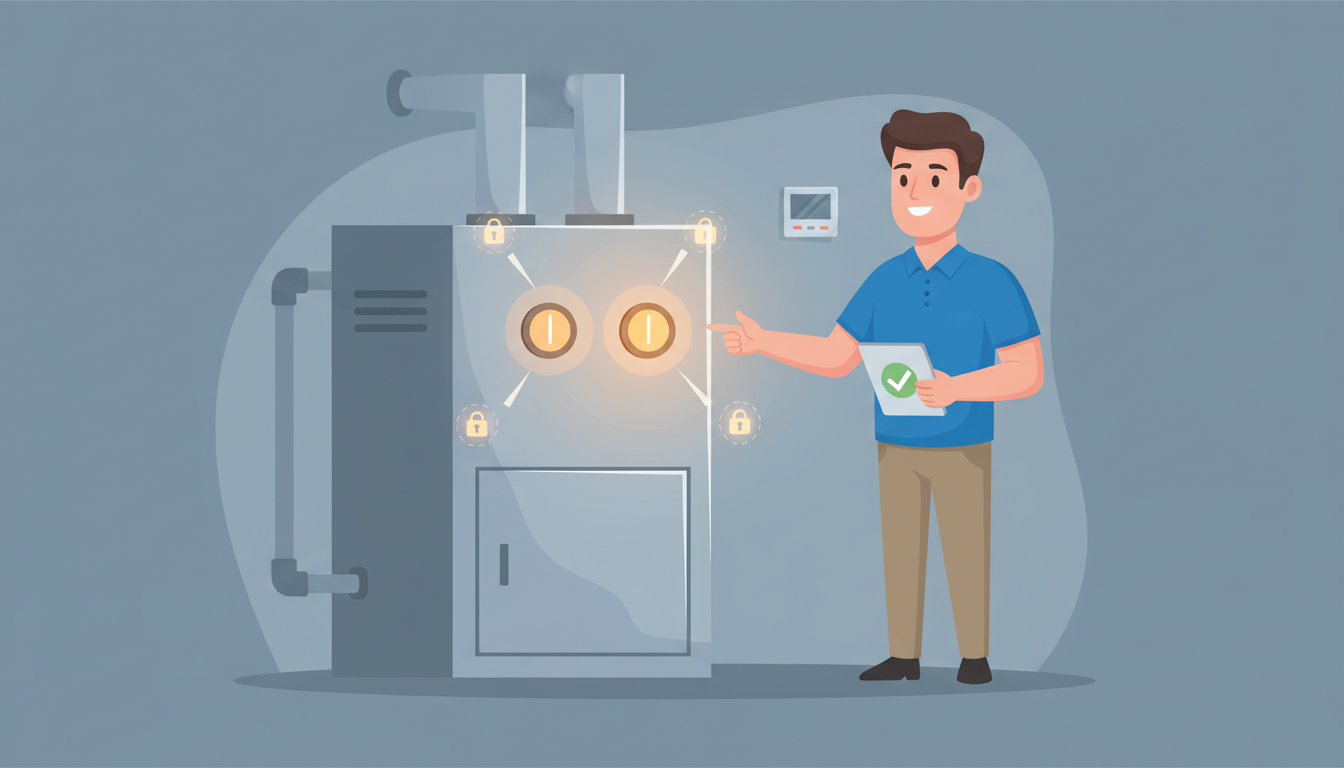
Furnace Safety Switches Explained: Your Complete Homeowner's Guide
Furnace Safety Switches Explained: Your Complete Homeowner's Guide
If you've ever wondered what keeps your furnace from turning into a fire hazard or why it shuts off unexpectedly, the answer lies in a network of small but mighty components called furnace safety switches. These unsung heroes work around the clock to protect your home, your family, and your heating investment from dangerous malfunctions.
In this guide, you'll learn exactly what furnace safety switches are, how they work, why they matter, and what to do when problems arise. Whether you're dealing with a furnace that won't stay on or you simply want to understand your heating system better, this article has you covered.
What Are Furnace Safety Switches?
Furnace safety switches are automatic shut-off devices built into your heating system that monitor critical conditions like temperature, flame presence, airflow, and pressure. When any of these conditions fall outside safe parameters, the switch trips and cuts power to prevent fires, gas leaks, carbon monoxide buildup, or equipment damage.
Think of them as the safety net for your furnace—constantly watching for problems you can't see and taking action before those problems become emergencies.
Modern furnaces contain multiple safety switches, each designed to protect against specific hazards. Together, they form a comprehensive safety system that makes today's heating equipment far safer than older models.
The Main Types of Furnace Safety Switches
Your furnace likely contains several different safety switches, each serving a unique protective function. Here's what you need to know about each type.
1. High Limit Switch (Temperature Limit Switch)
The high limit switch is your furnace's temperature watchdog. Located near the heat exchanger, it monitors the plenum temperature—the area where heated air collects before being distributed through your home.
How it works: When the plenum reaches an unsafe temperature (typically 200°F or higher), the limit switch shuts off the burners to prevent overheating. Once the temperature drops to a safe level, the switch resets and allows the furnace to resume normal operation.
Why it matters: Without a functioning limit switch, your furnace could overheat to the point of cracking the heat exchanger—an expensive repair that often costs more than replacing the entire furnace. Even worse, a cracked heat exchanger can leak deadly carbon monoxide into your home.
Common problems: A limit switch that trips frequently usually indicates restricted airflow, often caused by a dirty air filter, blocked vents, or a malfunctioning blower motor.
2. Flame Sensor (Flame Safeguard)
The flame sensor verifies that gas ignites properly when your furnace starts up. This small rod sits in the flame path and detects the presence of fire through electrical conductivity.
How it works: When the gas valve opens, the igniter lights the gas and creates a flame. The flame sensor detects this flame within a few seconds. If it doesn't sense a flame, it signals the control board to close the gas valve immediately.
Why it matters: This switch prevents unburned gas from accumulating in your home—a situation that could lead to an explosion or dangerous carbon monoxide levels.
Common problems: Flame sensors often get coated with soot or corrosion, which blocks their ability to detect flames. This causes your furnace to start and then shut off after a few seconds. Fortunately, cleaning or replacing a flame sensor is a relatively simple repair that most HVAC technicians can handle quickly.
3. Pressure Switch
The pressure switch monitors the draft inducer fan—the component that pulls combustion gases out of your furnace and vents them safely outside.
How it works: When the draft inducer fan runs, it creates negative pressure (suction) in the furnace's venting system. The pressure switch confirms this airflow is adequate before allowing the ignition sequence to begin.
Why it matters: Proper venting is essential for removing carbon monoxide and other combustion byproducts from your home. A pressure switch that won't close indicates blocked venting, which could force dangerous gases back into your living space.
Common problems: Pressure switch issues often stem from blocked flue pipes, disconnected vent hoses, or a failing draft inducer motor. You might also notice your furnace clicking repeatedly but never fully starting.
4. Rollout Switch
The rollout switch protects against flame rollout—a dangerous condition where flames escape the combustion chamber and spread to other parts of the furnace.
How it works: Mounted near the burners, the rollout switch detects excessive heat outside the combustion chamber. If flames roll out due to blockages, cracked heat exchangers, or insufficient combustion air, the switch trips and shuts down the gas valve.
Why it matters: Flame rollout can ignite nearby components, melt wiring, or even start a house fire. A tripped rollout switch is a serious safety issue that requires immediate professional attention—never attempt to reset it without identifying and fixing the underlying cause.
Common problems: Rollout switch trips often indicate dirty burners, a cracked heat exchanger, or blocked venting that's creating negative pressure in your home.
5. Fan Limit Switch
The fan limit switch controls when your blower motor turns on and off during the heating cycle. While primarily an operational control, it also serves an important safety function.
How it works: This switch has two settings—a "fan on" temperature and a "fan off" temperature. When the plenum reaches the fan-on temperature (usually 90-110°F), the blower starts distributing warm air. When it cools to the fan-off temperature, the blower stops.
Why it matters: The fan limit switch prevents your furnace from blowing cold air through your home and ensures heated air doesn't sit stagnant in the plenum, which could lead to overheating.
Common problems: A faulty fan limit switch might cause your blower to run continuously or never turn on at all, leading to inconsistent heating and higher energy bills.
6. Furnace Door Safety Switch
The furnace door switch is a simple but effective safety feature that cuts power to the furnace when the access panel is removed.
How it works: This plunger-style switch sits where the furnace door closes. When you open the panel, the plunger releases and breaks the electrical circuit, shutting down the furnace.
Why it matters: This switch protects you from electrical shock and moving parts when you're performing basic maintenance or allowing a technician to work on your system safely.
Common problems: If your furnace won't start at all, check that the access panel is fully closed and properly seated. A misaligned door can prevent the safety switch from engaging.
7. Emergency Disconnect Switch
The emergency shutoff switch (sometimes called the furnace switch) looks like a regular light switch and is typically located on or near the furnace, often in a red electrical box.
How it works: Flipping this switch immediately cuts all power to the furnace, stopping all operations.
Why it matters: In emergencies like gas leaks, strange smells, or visible flames where they shouldn't be, this switch gives you instant control to shut down the system without having to access the electrical panel.
Common problems: Occasionally, someone mistakes this for a light switch and accidentally turns off the furnace. If your heating system is completely dead, verify this switch is in the "on" position before calling for service.
How Furnace Safety Switches Work Together
While each safety switch has a specific job, they work as an integrated system to protect your home at every stage of the heating cycle:
- Startup Phase: The pressure switch verifies proper venting before ignition begins
- Ignition Phase: The flame sensor confirms successful ignition within seconds
- Heating Phase: The limit switch monitors temperature while the fan limit switch controls air distribution
- Operational Phase: The rollout switch watches for flame abnormalities throughout the burn cycle
- Shutdown Phase: The fan limit switch ensures proper cool-down before stopping the blower
This layered approach means that even if one safety measure fails, others are still protecting you.
Warning Signs Your Furnace Safety Switches Need Attention
Knowing when something's wrong with your furnace safety switches can help you address problems before they become dangerous or expensive. Watch for these common symptoms:
Furnace Starts Then Shuts Off After a Few Seconds
This classic symptom usually indicates a flame sensor issue. The sensor either can't detect the flame due to dirt buildup or has failed completely.
Furnace Won't Start at All
Multiple switches could cause this: a tripped rollout switch, a stuck-open pressure switch, a faulty limit switch, or simply a door switch that's not engaging because the panel isn't seated properly.
Blower Runs Constantly
A stuck or failed fan limit switch may be telling the blower to run nonstop, even when there's no heat to distribute.
Furnace Cycles On and Off Repeatedly (Short Cycling)
Frequent cycling often points to a limit switch tripping due to restricted airflow. Check your air filter first—a clogged filter is the most common culprit.
Cold Air Blowing from Vents
If your furnace is blowing unheated air, the limit switch might not be signaling the blower correctly, or there could be a problem with the ignition system that prevented heating in the first place.
Strange Smells or Unusual Noises
A burning smell could indicate a tripped rollout switch (from flames escaping the combustion chamber), while repeated clicking without ignition suggests pressure switch issues.
If you notice any of these signs, it's time to investigate. Some issues you can address yourself, while others require professional furnace repair.
DIY Troubleshooting: What Homeowners Can Safely Check
Before calling a technician, there are several things you can safely inspect on your own:
Check Your Air Filter
A dirty filter is the number one cause of limit switch trips. Replace your filter every 1-3 months depending on usage, pets, and air quality.
Verify the Door Panel Is Closed Properly
An improperly seated access panel won't engage the door safety switch. Make sure it's flush and any latches are secure.
Confirm the Emergency Switch Is On
That innocent-looking switch near your furnace might have been accidentally flipped. Double-check it's in the "on" position.
Inspect Vents and Registers
Make sure all your supply and return vents are open and unblocked. Closed vents restrict airflow and can cause overheating.
Look for Obvious Blockages
Check your outdoor exhaust vent (if accessible) for bird nests, leaves, or ice buildup during winter. A blocked vent will prevent the pressure switch from closing.
Give Your Furnace a Visual Once-Over
Look for any obvious issues like disconnected wires, water pooling near the furnace, or visible damage to components.
Try a Gentle Reset
Turn off your furnace at the thermostat, wait 30 seconds, then turn it back on. Sometimes this simple reset is all that's needed.
What you should NOT attempt:
- Bypassing or manually overriding any safety switch
- Resetting a rollout switch without identifying why it tripped
- Disassembling components beyond the access panel
- Working with gas connections or electrical wiring
Safety switches trip for a reason. While some issues have simple fixes, others indicate serious problems that could endanger your family if ignored.
When to Call a Professional
Some furnace safety switch problems require professional diagnosis and repair. Contact an HVAC technician when:
- A rollout switch has tripped (this is always a serious issue)
- Your flame sensor needs cleaning or replacement
- The pressure switch won't close despite clearing visible blockages
- The limit switch trips repeatedly even with a clean filter
- You smell gas or detect carbon monoxide (evacuate first, then call)
- Multiple safety switches seem to be malfunctioning
- Your furnace is more than 15 years old and experiencing chronic issues
These situations go beyond basic troubleshooting and may indicate problems like cracked heat exchangers, failed motors, or venting issues that need professional equipment to diagnose properly.
Understanding when a furnace malfunction becomes a safety emergency can help you make the right call about whether to troubleshoot or evacuate.
The Cost of Furnace Safety Switch Repairs
Repair costs vary depending on which switch needs replacement and your local service rates:
- Flame sensor cleaning: $80-$150
- Flame sensor replacement: $150-$250
- Limit switch replacement: $150-$300
- Pressure switch replacement: $150-$300
- Rollout switch replacement: $150-$250 (plus additional costs if the underlying cause needs repair)
- Fan limit switch replacement: $200-$350
Keep in mind that labor typically accounts for most of the cost, as the switches themselves are relatively inexpensive parts. The real expense comes when safety switch failures reveal bigger problems like cracked heat exchangers ($1,500-$2,500) or failed blower motors ($400-$600).
Regular maintenance can catch switch problems early, before they damage other components or require emergency service rates.
Preventing Safety Switch Problems: Maintenance Tips
Most furnace safety switch issues are preventable with basic maintenance:
Monthly:
- Check and replace your air filter as needed
- Listen for unusual sounds when your furnace runs
- Make sure vents and registers are open and unobstructed
Seasonally (before heating season):
- Have a professional inspection and tune-up
- Clean around the furnace area to prevent dust buildup
- Test your carbon monoxide detectors
- Verify the emergency shutoff switch works properly
Annually:
- Schedule professional maintenance that includes:
- Flame sensor cleaning
- Safety switch testing
- Venting inspection
- Heat exchanger examination
- Blower motor service
- Complete system safety check
Professional maintenance typically costs $100-$200 annually but can prevent thousands in emergency repairs and keep your manufacturer's warranty valid.
Modern Furnaces vs. Older Models: Safety Improvements
If you have an older furnace (15+ years), you're missing some significant safety improvements found in modern systems:
Older furnaces typically have:
- Basic limit switches with less precise temperature control
- Simple flame sensors that are more prone to false readings
- Minimal redundancy—if one switch fails, there's no backup
Modern high-efficiency furnaces feature:
- Multiple redundant safety switches
- More sensitive flame detection
- Advanced pressure switches that can detect smaller venting issues
- Electronic ignition (no standing pilot light to go out)
- Smart diagnostics that can identify problems before they become failures
- Better integration with carbon monoxide detectors and smart thermostats
If your furnace is getting old and experiencing frequent safety switch issues, replacement might be more cost-effective than continued repairs—especially when you factor in improved efficiency and safety.
Understanding Error Codes Related to Safety Switches
Many modern furnaces display error codes when safety switches trip. While codes vary by manufacturer, here are some common ones:
- Pressure switch codes: Often flash 3 or 4 times, indicating the pressure switch didn't close within the expected timeframe
- Limit switch codes: Typically flash 2-3 times or show specific error numbers on digital displays
- Flame sensor codes: Usually flash continuously or show ignition failure messages
- Rollout codes: May cause complete shutdown with no restart attempts
Consult your furnace's manual or look up the specific code for your model online. Many manufacturers provide detailed troubleshooting guides that explain what each code means.
Frequently Asked Questions About Furnace Safety Switches
What causes a furnace safety switch to keep tripping?
The most common cause is restricted airflow from a dirty air filter, blocked vents, or a failing blower motor. The limit switch detects rising temperatures from poor air circulation and shuts down the furnace to prevent overheating. Check your filter first, then ensure all vents are open and unobstructed.
Can I bypass a furnace safety switch to get heat temporarily?
No. Never bypass, jump, or disable any furnace safety switch. These devices prevent fires, explosions, and carbon monoxide poisoning. A bypassed safety switch might get your heat running temporarily, but it could also cost you your home or your life. If your furnace won't run due to a safety switch, identify and fix the underlying problem instead.
How long do furnace safety switches last?
With proper maintenance, most safety switches last 10-20 years—often the lifetime of the furnace itself. However, flame sensors may need cleaning every few years, and limit switches can fail prematurely if the furnace repeatedly overheats due to neglected maintenance.
Why does my furnace safety switch trip at night or when it's coldest?
Increased demand on your furnace during cold nights means longer run times and higher temperatures. If your system is borderline on airflow restrictions (dirty filter, partially blocked vents), the extended operation can push temperatures high enough to trip the limit switch. This pattern suggests you need better airflow or maintenance.
Are furnace safety switches required by code?
Yes. Building codes and furnace safety standards require multiple safety switches on all residential furnaces. Attempting to operate a furnace without functional safety switches violates safety codes and could void your homeowner's insurance if a fire or carbon monoxide incident occurs.
Conclusion: Your Furnace Safety Switches Are Working for You
Furnace safety switches might be small, inexpensive components, but they're among the most important parts of your heating system. They stand between you and potentially catastrophic failures, working silently in the background every time your furnace runs.
By understanding what these switches do, recognizing warning signs when they malfunction, and maintaining your furnace properly, you're taking an active role in protecting your home and family. Most safety switch problems have straightforward solutions when caught early—but ignoring them can lead to expensive damage or dangerous conditions.
Keep your air filters fresh, schedule annual professional maintenance, and pay attention when your furnace tries to tell you something's wrong. Those simple steps will keep your safety switches—and your entire heating system—running reliably for years to come.
When in doubt, trust the professionals. A qualified HVAC technician can diagnose safety switch issues accurately and make repairs that keep your home warm and safe all winter long.