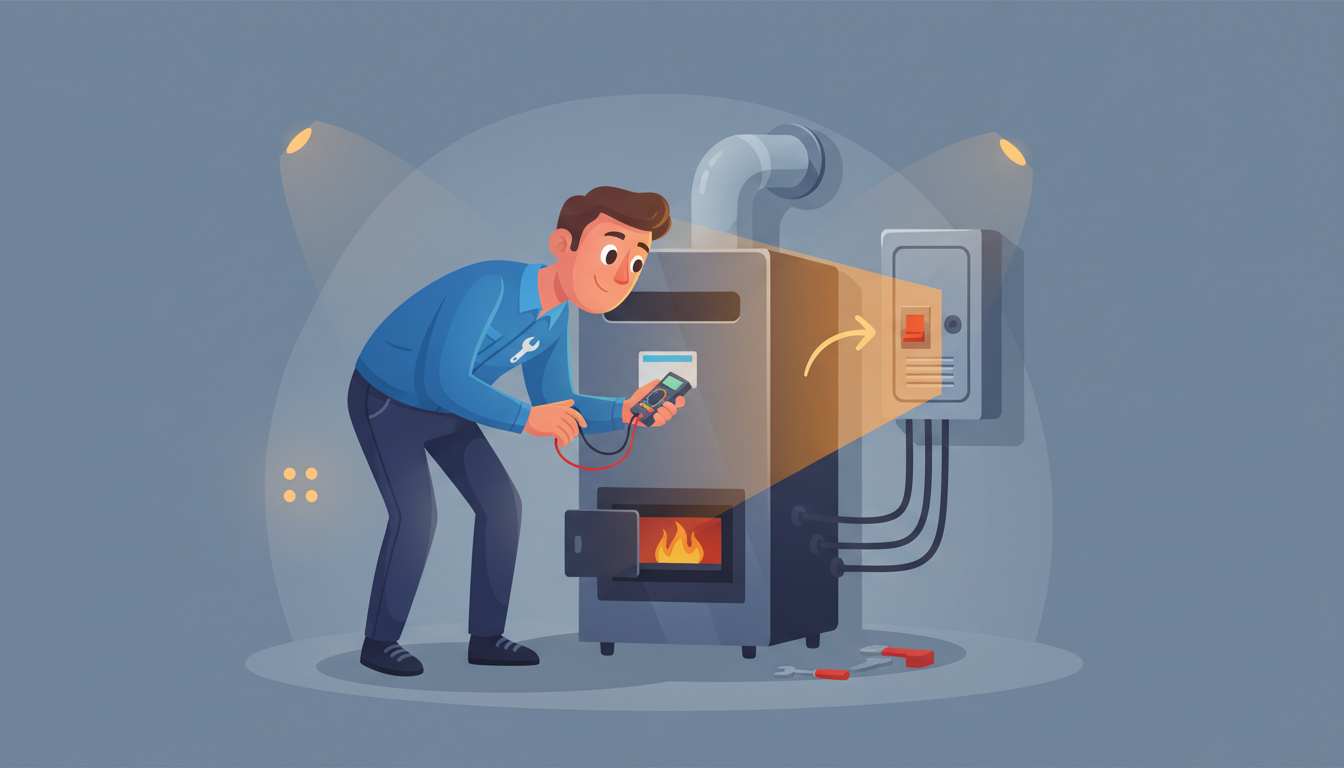
Why Does My Furnace Trip the Breaker? Common Causes & Quick Fixes
Why Does My Furnace Trip the Breaker? Common Causes & Quick Fixes
Has your furnace breaker tripped again, leaving you in the cold? You're not alone. A furnace that keeps tripping the circuit breaker is one of the most frustrating HVAC problems homeowners face, especially during the coldest months of the year. Understanding why your furnace trips the breaker can help you identify whether it's a simple fix or time to call a professional.
In this comprehensive guide, we'll walk you through the most common reasons your furnace circuit breaker keeps tripping, what you can do about it, and when to seek expert help. By the end, you'll have the knowledge to troubleshoot this issue safely and effectively.
What Does It Mean When Your Furnace Trips the Breaker?
A circuit breaker is a safety device designed to protect your home's electrical system from overloads, short circuits, and other electrical hazards. When your furnace trips the breaker, it means the circuit has detected a dangerous electrical condition and automatically shut off power to prevent potential fires or equipment damage.
While an occasional breaker trip might be caused by a temporary power surge, a furnace breaker that keeps tripping repeatedly signals an underlying problem that needs immediate attention. Ignoring this warning sign can lead to more serious issues, including complete system failure or even fire hazards.
Important Safety Note: Never repeatedly reset a tripped breaker without identifying the cause. Circuit breakers trip for your protection, and continuously resetting them without fixing the problem can be dangerous.
Common Reasons Your Furnace Keeps Tripping the Circuit Breaker
1. Dirty or Clogged Air Filter
The most common culprit behind a tripping furnace breaker is a dirty air filter. Your furnace filter plays a critical role in maintaining proper airflow throughout your heating system. When the filter becomes clogged with dust, pet dander, pollen, and other debris, it creates a significant restriction that forces your blower motor to work much harder than designed.
How a dirty filter causes breaker trips:
- Restricted airflow forces the blower motor to draw more electrical current
- Increased electrical demand can exceed the circuit's amperage rating
- The motor may overheat, triggering thermal overload protection
- The furnace's limit switch may cycle on and off repeatedly, stressing electrical components
The solution: Check your furnace filter monthly and replace it every 1-3 months, depending on usage, pets, and air quality. This simple maintenance task can prevent most furnace breaker trips and improve your system's efficiency by up to 15%.
For more detailed guidance on furnace maintenance, check out our complete furnace repair guide.
2. Blower Motor Problems
The blower motor is one of the most power-hungry components in your furnace. When this motor experiences issues, it can easily cause your circuit breaker to trip. Blower motor problems often develop gradually as the motor ages and components wear out.
Common blower motor issues that trip breakers:
- Worn bearings: Old or damaged bearings create friction, causing the motor to work harder and draw excessive current
- Capacitor failure: A failing capacitor can't properly regulate motor startup, leading to electrical spikes
- Motor overheating: Lack of lubrication or accumulated dirt causes the motor to overheat and pull too much power
- Electrical winding damage: Damaged motor windings can create short circuits within the motor itself
Signs your blower motor is failing:
- Unusual squealing, grinding, or humming noises
- Furnace runs but produces weak airflow
- Motor feels excessively hot to the touch
- Burning smell coming from the furnace
If you suspect blower motor issues, it's best to contact an HVAC professional. Motor replacement requires technical expertise and proper tools.
3. Electrical Short Circuits or Ground Faults
A short circuit occurs when a hot electrical wire comes into contact with a neutral wire or ground wire, creating a path of least resistance that allows excessive current flow. Ground faults happen when electrical current escapes the intended circuit and flows through a grounding conductor or other unintended path.
Where short circuits commonly occur in furnaces:
- Damaged or frayed wiring inside the furnace cabinet
- Loose wire connections that create arcing
- Worn insulation on older electrical wiring
- Water damage to electrical components
- Pest damage to wire insulation (rodents chewing wires)
Identifying electrical shorts:
- Breaker trips immediately when furnace starts
- Visible signs of burning or melting on wires
- Acrid electrical smell near the furnace
- Scorch marks or discoloration on furnace panels
Safety warning: Electrical shorts are serious fire hazards. If you suspect a short circuit in your furnace, do not attempt to repair it yourself. Turn off power at the breaker and call a licensed HVAC technician or electrician immediately.
Understanding electrical issues is crucial for safe furnace operation. Our HVAC repair guide covers more safety tips for homeowners.
4. Overloaded or Shared Circuit
Modern electrical codes require furnaces to have a dedicated circuit—meaning the circuit powers only the furnace and nothing else. However, older homes may have furnaces on shared circuits, which can lead to overload situations.
Circuit overload scenarios:
- Furnace shares a circuit with other high-draw appliances
- Circuit breaker is undersized for the furnace's electrical requirements
- Multiple devices running simultaneously exceed circuit capacity
- Home electrical panel hasn't been updated to meet modern demands
How to check for a shared circuit:
- Turn off the furnace breaker
- Check which other outlets or appliances lose power
- If anything else loses power, you have a shared circuit
The fix: If your furnace is on a shared circuit, hire a licensed electrician to install a dedicated circuit. This typically costs 00-00 but provides a permanent solution and brings your home up to code.
5. Failing or Undersized Circuit Breaker
Sometimes the problem isn't your furnace at all—it's the circuit breaker itself. Circuit breakers can wear out over time, becoming overly sensitive and tripping at lower current levels than their rating. Additionally, if the wrong size breaker was installed, it may trip even when the furnace operates normally.
Signs of a faulty breaker:
- Breaker feels hot to the touch
- Breaker won't stay in the "on" position
- Visible signs of burning or discoloration on the breaker
- Breaker trips with minimal electrical load
- Burning smell coming from the electrical panel
Breaker age considerations: Circuit breakers typically last 30-40 years, but they can fail sooner in homes with frequent power surges or electrical issues. If your electrical panel is over 25 years old, consider having it inspected by a licensed electrician.
Important: Never replace a circuit breaker with a higher amperage rating without consulting an electrician. Using an oversized breaker defeats the safety purpose and can create serious fire hazards.
6. Furnace Control Board Malfunctions
The furnace control board (also called the circuit board or PCB) is the brain of your heating system. It manages the sequence of operations, monitors safety switches, and controls electrical flow to various components. When the control board malfunctions, it can send incorrect signals that cause electrical problems and breaker trips.
Control board issues that cause breaker trips:
- Damaged relays that stick in the "on" position
- Short circuits within the board's circuitry
- Corroded or burned electrical traces
- Failed components due to power surges or age
- Water damage from condensation or leaks
Symptoms of a bad control board:
- Furnace starts but shuts off immediately
- Incorrect sequence of operations (like the blower running continuously)
- LED error codes flashing on the board
- Intermittent operation that seems random
- Multiple components failing to operate properly
Learn more about identifying control board problems in our article on symptoms of a bad furnace control board.
7. Leaking or Blocked Air Ducts
While ductwork problems don't directly cause electrical issues, severely restricted or leaking ducts create airflow problems that force your furnace to work harder and run longer. This extended operation increases the likelihood of overheating and electrical problems.
How duct issues lead to breaker trips:
- Blocked supply ducts restrict airflow, causing heat buildup
- Leaky return ducts reduce system efficiency, extending run times
- Undersized ducts create excessive static pressure
- Closed or blocked registers force the blower motor to strain
Signs of ductwork problems:
- Weak airflow from some or all vents
- Some rooms are much colder than others
- Whistling or rushing air sounds from ducts
- Higher than normal energy bills
- Excessive dust accumulation throughout the home
Professional duct sealing and balancing can improve your furnace's performance and reduce the electrical load on your system.
8. Age-Related Wiring Deterioration
Electrical wiring doesn't last forever. Over time, wire insulation becomes brittle, connections loosen, and conductors can develop resistance issues. Furnaces that are 15+ years old often have wiring that's degraded to the point where it creates electrical problems.
Common aging wiring issues:
- Brittle insulation that cracks and exposes bare wires
- Oxidized wire connections that create resistance and heat
- Aluminum wiring (common in 1960s-1970s) that's prone to loosening
- Undersized gauge wire that can't handle modern electrical demands
When to rewire: If your furnace is over 20 years old and experiencing frequent electrical issues, having an HVAC technician inspect and potentially replace internal wiring may be more cost-effective than repeatedly repairing individual problems.
What to Do When Your Furnace Breaker Trips
If your furnace trips the breaker, follow these steps to safely troubleshoot and potentially resolve the issue:
Step 1: Don't Immediately Reset the Breaker
Wait at least 5 minutes before resetting the breaker. This allows any electrical components to cool down and gives you time to think about what might have caused the trip.
Step 2: Check the Air Filter
Before resetting the breaker, check your furnace filter. If it's dirty, replace it with a new one. A clogged filter is responsible for the majority of furnace breaker trips, and replacing it might solve your problem immediately.
Step 3: Look for Obvious Problems
With the power still off, visually inspect your furnace for:
- Burning smells or visible smoke
- Scorch marks or discoloration
- Loose or disconnected wires
- Water pooling around the furnace
- Unusual debris or objects near the furnace
Step 4: Reset the Breaker Once
After waiting and checking for obvious issues, reset the breaker once. Turn your thermostat to "heat" and observe what happens.
If the furnace runs normally: You likely experienced a temporary power surge or minor glitch. Monitor the system for the next few days.
If the breaker trips immediately: You have a short circuit or ground fault. Do not reset the breaker again. Turn off the furnace disconnect switch and call an HVAC professional.
If the furnace runs but trips after several minutes: This suggests an overload condition, possibly from a failing blower motor, restricted airflow, or circuit problems. Professional diagnosis is needed.
Step 5: Call a Professional
If the breaker trips more than once, or if you notice any concerning signs like burning smells or visible damage, contact a licensed HVAC technician. Attempting to diagnose complex electrical problems without proper training and tools can be dangerous.
Preventing Future Furnace Breaker Trips
Prevention is always better than emergency repairs. Here's how to keep your furnace running smoothly and avoid breaker trips:
Regular Maintenance Schedule
Monthly tasks:
- Check and replace air filters
- Ensure all vents and registers are open and unobstructed
- Listen for unusual noises during operation
Annual professional maintenance:
- Complete system inspection and cleaning
- Blower motor lubrication and testing
- Electrical connection tightening
- Limit switch and safety control testing
- Combustion analysis and efficiency testing
Regular professional maintenance can catch small issues before they become expensive problems and reduce the risk of mid-winter breakdowns by up to 95%.
Electrical System Upgrades
If your home's electrical system is outdated, consider these upgrades:
- Install a dedicated circuit for your furnace if it doesn't have one
- Upgrade to a modern electrical panel if yours is over 25 years old
- Add surge protection to protect sensitive furnace electronics
- Replace aluminum wiring with modern copper wiring
Air Quality Improvements
Reducing airborne contaminants helps keep your filter cleaner longer:
- Use higher-quality air filters (MERV 8-11 for most homes)
- Consider a whole-home air purifier
- Keep your home clean and vacuum regularly
- Groom pets frequently to reduce dander
- Control humidity to prevent mold and mildew growth
When to Replace vs. Repair Your Furnace
Sometimes a furnace that keeps tripping the breaker is telling you it's time for a replacement. Consider replacement over repair if:
- Your furnace is over 15-20 years old
- Repair costs exceed 50% of replacement cost
- You've had multiple expensive repairs in the past two years
- Your energy bills have increased significantly
- The furnace struggles to maintain comfortable temperatures
- Major components like the heat exchanger are failing
Modern furnaces are 15-20% more efficient than models from the 1990s and can significantly reduce your heating costs while providing better comfort and reliability.
Frequently Asked Questions
How many times can I reset a tripped furnace breaker?
You should only reset a tripped furnace breaker once. If it trips again, there's an underlying problem that needs professional diagnosis. Repeatedly resetting a tripping breaker is dangerous and can lead to equipment damage or fire.
Can a furnace trip the breaker if it's too cold outside?
Extreme cold doesn't directly cause breaker trips, but it can contribute to the problem. When it's very cold, your furnace runs longer and more frequently, which can reveal existing issues like a weak blower motor or aging electrical components that might not cause problems during moderate weather.
Is it normal for a furnace to trip the breaker occasionally?
While an occasional breaker trip from a power surge might happen once or twice over many years, it's not normal for a furnace to regularly trip its breaker. Any pattern of repeated trips indicates a problem that needs attention.
Can I use a higher amp breaker to stop my furnace from tripping?
No, never install a higher amperage breaker than your furnace's electrical specifications require. Circuit breakers are sized to protect the wiring and equipment from overheating and fire. Using an oversized breaker defeats this protection and creates serious safety hazards.
How much does it cost to fix a furnace that keeps tripping the breaker?
Repair costs vary widely depending on the cause. Simple fixes like replacing an air filter cost 5-0, while more complex repairs range from 50 for a new capacitor to ,500+ for a blower motor replacement. Electrical panel issues can cost 00-,000+ to resolve.
Conclusion: Don't Ignore a Tripping Furnace Breaker
A furnace that trips the circuit breaker is more than just an inconvenience—it's a warning sign that something is wrong with your heating system or home's electrical infrastructure. While simple issues like a dirty air filter can be resolved with basic DIY maintenance, most causes of repeated breaker trips require professional diagnosis and repair.
The good news is that catching these problems early can prevent more expensive damage down the road. By understanding the common causes of furnace breaker trips and following the troubleshooting steps outlined in this guide, you can take appropriate action to restore safe, reliable heating to your home.
Remember, electrical problems should always be taken seriously. When in doubt, err on the side of caution and contact a licensed HVAC technician or electrician to inspect your system. Your safety and comfort are worth the investment in professional expertise.
For more helpful HVAC troubleshooting tips and maintenance guides, visit our HVAC repair guide section. Stay warm and safe!