How to Handle No-Heat Emergencies in Winter: A Complete Safety Guide
How to Handle No-Heat Emergencies in Winter: A Complete Safety Guide
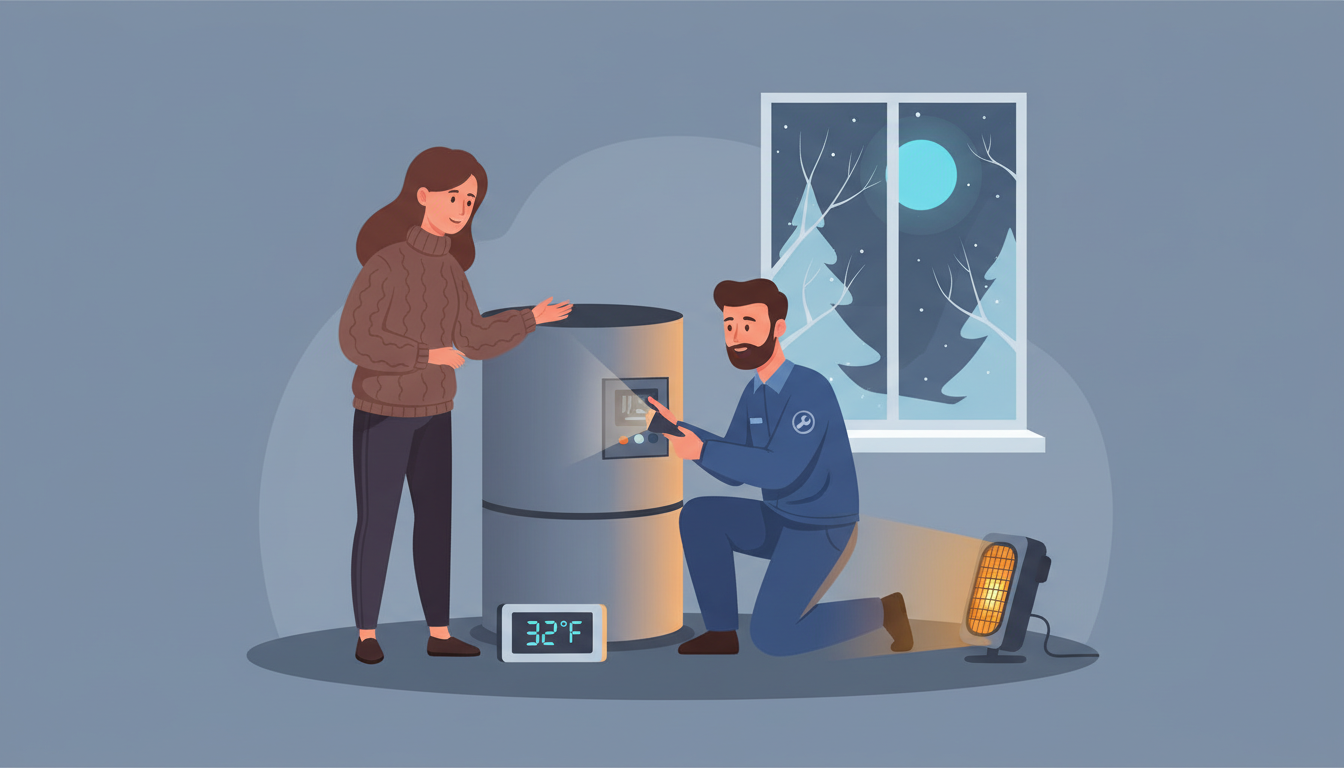
There's nothing more unsettling than waking up on a freezing winter morning to discover your heating system has stopped working. When you're facing a no-heat emergency in winter, every minute counts—especially when temperatures drop below freezing. Whether your furnace quit in the middle of the night or your heat pump failed during a snowstorm, knowing exactly what to do can protect your family, prevent property damage, and save you money on emergency repairs.
In this comprehensive guide, you'll learn how to respond safely to heating system failures, troubleshoot common issues, keep your household warm while waiting for help, and know when it's time to call for emergency HVAC repair.
Recognize the Signs of a No-Heat Emergency
Not every heating issue requires immediate emergency attention, but certain situations demand urgent action. Understanding the difference can help you respond appropriately and avoid unnecessary panic—or dangerous delays.
True Heating Emergencies Requiring Immediate Action
Gas Leaks: If you smell rotten eggs or sulfur near your furnace, you're dealing with a potential gas leak. Leave your home immediately without turning lights on or off, and call your gas company or 911 from outside. This is the most serious heating emergency you can face.
Carbon Monoxide Alarm: When your CO detector sounds, evacuate everyone immediately and call emergency services. Carbon monoxide is an odorless, colorless gas produced by malfunctioning heating systems that can be fatal within minutes.
Electrical Burning Smell or Sparks: Burning odors, visible sparks, or smoke coming from your heating system indicate serious electrical problems. Shut off power at the circuit breaker and evacuate if necessary.
Extreme Temperature Drop: If your indoor temperature falls below 50°F and continues dropping, this creates health risks—especially for elderly family members, young children, or anyone with respiratory conditions. Prolonged exposure to cold indoor temperatures can lead to hypothermia.
Water Leaks Near Furnace: Large water leaks around your heating system can indicate cracked heat exchangers or serious component failures that require immediate professional attention.
Issues That Can Wait Until Business Hours
Some heating problems, while inconvenient, don't require middle-of-the-night emergency calls:
- Furnace cycling on and off but maintaining some heat
- Thermostat displaying incorrect readings but system functioning
- One room not heating properly while others are fine
- Minor airflow reduction with adequate heating
- Unusual noises with normal heating performance
Before calling for emergency service at premium rates, assess whether you can maintain safe temperatures until regular business hours. If you can keep your home above 55°F using your heating system or temporary measures, waiting may save you significant money without compromising safety.
Safety First: Immediate Steps When Heat Fails
When you discover your heating system isn't working, your first priority is safety—not repairs. Follow these critical steps before attempting any troubleshooting.
Protect Your Family from Cold-Related Health Risks
Gather Everyone in One Room: Choose a smaller room (preferably with south-facing windows for daytime sunlight) and close the doors. This creates a warm zone that's easier to heat temporarily and conserves body heat.
Layer Up Immediately: Have everyone put on multiple layers of clothing, including hats and socks. You lose significant body heat through your head and extremities. Think like you're dressing for outdoor weather—because essentially, you are.
Monitor Vulnerable People: Check frequently on elderly family members, infants, and anyone with health conditions. Watch for signs of hypothermia: shivering, confusion, drowsiness, slurred speech, or cold skin.
Keep Pets Warm: Animals are also susceptible to cold. Bring pets indoors if they're outside, and keep them in your designated warm room.
Prevent Frozen Pipe Damage
A no-heat emergency doesn't just threaten your comfort—it puts your plumbing at risk. Frozen pipes can burst and cause thousands of dollars in water damage.
Open Cabinet Doors: Open cabinets under sinks to allow warmer air to circulate around pipes.
Let Faucets Drip: Allow cold water to drip from faucets served by exposed pipes. Running water, even at a trickle, helps prevent freezing.
Know Your Shut-Off Valve: Locate your main water shut-off valve now, before pipes freeze. If a pipe bursts, you'll need to shut off water immediately to minimize flooding.
Focus on Problem Areas: Pay special attention to pipes in exterior walls, unheated basements, crawl spaces, and attics—these are most vulnerable to freezing.
Check for Immediate Hazards
Before you do anything else, make sure your heating system isn't creating dangerous conditions:
- Sniff for gas leaks near your furnace or throughout your home
- Check your carbon monoxide detector to ensure it's working properly
- Look for water pooling around your heating equipment
- Listen for unusual sounds like loud banging, screeching, or grinding
- Watch for visible smoke or strange odors like burning plastic
If you notice any of these warning signs, don't attempt repairs yourself. Shut off your heating system at the thermostat and circuit breaker, then call for professional help.
Simple Troubleshooting Steps You Can Safely Do
Before calling for expensive emergency service, there are several safe checks you can perform that might restore your heat—or at least help you provide useful information to your HVAC repair technician.
Check Your Thermostat Settings
It sounds obvious, but thermostat issues cause up to 30% of no-heat calls. Here's what to verify:
Confirm Heat Mode: Make sure your thermostat is set to "Heat" not "Cool" or "Off." Family members sometimes change settings accidentally.
Check the Temperature Setting: Ensure the temperature is set at least 5 degrees higher than the current room temperature. Your system won't activate if it thinks the target temperature is already reached.
Replace Batteries: Most programmable thermostats use batteries that should be replaced annually. Weak batteries can prevent your system from receiving commands.
Inspect the Display: If your thermostat screen is blank or dim, the unit may have lost power or need new batteries.
Try Adjusting the Setting: Sometimes, moving the temperature up and down a few times can reset a stuck thermostat.
Inspect Your Circuit Breaker and Power Switch
Check the Main Panel: Go to your electrical panel and look for tripped breakers. A tripped breaker will be in a middle position—not fully "on" or "off." Flip it all the way off, then back on.
Look for the Furnace Switch: Most furnaces have a power switch nearby that looks like a regular light switch (often with a red cover plate). Ensure it's in the "on" position. It's surprisingly easy for this switch to get turned off accidentally during cleaning or storage activities.
Verify the Outdoor Unit Power: If you have a heat pump, check that power to the outdoor unit hasn't been shut off at the disconnect box.
Replace Your Air Filter
A clogged air filter is one of the most common causes of heating system shutdowns. When airflow becomes too restricted, safety mechanisms automatically shut down your furnace to prevent overheating damage.
Locate Your Filter: Check your furnace, return air grills, or built-in wall filter compartments.
Examine the Filter: Hold it up to a light. If you can't see light through it, it needs replacing immediately.
Install a Fresh Filter: Make sure you insert the new filter with the airflow arrows pointing toward the furnace, not away from it.
Wait and Restart: After replacing the filter, wait 10 minutes, then try restarting your system. The safety limit switch may reset during this time.
Many heating emergencies resolve themselves after simply replacing a dirty filter. Keep several spare filters on hand during winter so you can address this issue immediately.
Check Your Pilot Light (For Older Furnaces)
If you have an older gas furnace with a standing pilot light, it may have gone out:
Locate the Pilot Light Assembly: Check your furnace manual for exact location (usually behind a small access panel).
Look for a Flame: You should see a small blue flame. If it's out, follow the relighting instructions on your furnace label.
Follow Safety Protocols: If you smell gas, don't attempt to relight the pilot. Leave your home and call your gas company.
Consider Professional Help: If the pilot light won't stay lit after several attempts, you likely have a thermocouple problem that requires professional repair.
Temporary Heating Solutions While Waiting for Repairs
If your troubleshooting doesn't restore heat and you're waiting for a technician, you'll need safe temporary heating solutions. The key word is "safe"—many heating emergencies turn into house fires due to improper use of alternative heat sources.
Safe Space Heater Use
Space heaters can provide temporary warmth but cause thousands of house fires annually when used incorrectly.
Choose the Right Type: Modern electric space heaters with automatic tip-over protection and overheat shut-off are safest. Avoid kerosene heaters indoors due to carbon monoxide risks.
Follow the Three-Foot Rule: Keep space heaters at least three feet away from anything flammable—curtains, furniture, bedding, papers, and clothing.
Plug Directly into Walls: Never use extension cords with space heaters. The high power draw can overheat cords and cause fires.
Never Leave Unattended: Turn off space heaters when you leave the room or go to sleep. This single rule prevents most space heater fires.
One Heater Per Circuit: Don't run multiple space heaters on the same circuit, as this can overload your electrical system.
Other Emergency Heating Options
Your Oven is NOT a Heater: Never use your gas or electric oven to heat your home. Gas ovens produce carbon monoxide, and electric ovens create fire hazards when left on for extended periods.
Fireplace Safety: If you have a working fireplace, it can provide zone heating. Ensure your chimney is clear, use proper firewood (not pressure-treated wood or trash), and keep the flue open. Never leave fires unattended.
Block Cold Air Infiltration: Place rolled towels under doors and use plastic sheeting over windows to block cold drafts. Even these simple measures can help maintain temperature.
Dress in Layers: Multiple thin layers trap heat better than one thick layer. Thermal underwear, fleece, and wool are excellent choices.
Use Your Body Heat: Family members sleeping in the same room (in separate beds with plenty of bedding) can help maintain warmth through shared body heat.
When to Call for Emergency HVAC Service
Knowing when to call for emergency service—and when you can wait—saves money and ensures you get help when you truly need it. Emergency service calls typically cost 50-100% more than regular appointments due to after-hours premiums.
Call Immediately If:
Indoor Temperature Drops Below 50°F: This creates genuine health risks, especially for vulnerable family members.
You Have Infants, Elderly, or Health-Compromised People: These groups face serious health risks from cold exposure much faster than healthy adults.
The Forecast Shows Extended Cold: If you're facing days of below-freezing weather, don't wait. Your pipes and your family are at increasing risk.
It's Friday Night or Before a Holiday: HVAC companies are often booked solid after weekends and holidays. Call immediately to get on the schedule, even if you're managing temporarily.
You've Already Tried Basic Troubleshooting: If you've checked the thermostat, breaker, filter, and pilot light without success, further delay won't help.
You Hear or Smell Something Dangerous: Gas smells, loud banging, electrical burning, or smoking equipment always warrant immediate professional attention.
You Can Probably Wait If:
- It's late Friday and you can maintain 55-60°F until Monday
- You only need heat for comfort, not safety
- Your system is working partially (short-cycling but producing some heat)
- You're comfortable using space heaters temporarily
- The weather forecast shows warmer temperatures in 24-48 hours
When you do call, be ready to describe what you've already checked and what symptoms you're experiencing. This helps the dispatcher prioritize calls and helps the technician bring the right parts. Understanding what to check before calling for no-heat repair can make the service call more efficient.
What to Expect from Emergency Heating Repair
Understanding the emergency repair process helps you prepare and reduces anxiety during an already stressful situation.
Response Times and Availability
True 24/7 Service: Reputable HVAC companies offering genuine emergency service maintain on-call technicians around the clock. Response times typically range from 2-6 hours depending on call volume and weather conditions.
Prioritization Systems: Most companies prioritize no-heat calls over no-AC calls. Life-safety issues (gas leaks, carbon monoxide) jump to the front of the queue.
Weather Impact: During extreme cold snaps, HVAC companies are inundated with calls. Response times may extend to 12-24 hours during peak periods. This is why maintaining your system before winter is crucial.
Parts Availability: Technicians carry common parts, but unusual components may require ordering. You might receive a temporary fix to restore heat until permanent repairs can be completed.
Emergency Service Costs
Diagnostic Fees: Expect to pay $100-200 for the emergency service call, which typically includes diagnosis. This is in addition to repair costs.
After-Hours Premiums: Evening, weekend, and holiday calls often include surcharges of $75-150.
Common Emergency Repair Costs:
- Thermostat replacement: $150-400
- Limit switch replacement: $150-300
- Ignition system repairs: $200-450
- Blower motor replacement: $400-600
- Circuit board replacement: $400-800
When Replacement Makes More Sense: If your furnace is over 15 years old and the repair exceeds $500, many contractors will recommend system replacement instead. A new furnace costs $2,500-5,000 but includes warranty protection and improved efficiency.
Questions to Ask Your Emergency Technician
Before repairs begin, get clear answers:
- "What exactly is wrong with my system?"
- "Is this repair urgent, or can it wait until business hours?"
- "What's the total cost including labor, parts, and fees?"
- "Do you have the necessary parts, or will you need to order them?"
- "What's the warranty on this repair?"
- "Could this have been prevented, and how can I avoid it in the future?"
Don't feel pressured to approve expensive repairs immediately. For non-safety issues, it's reasonable to get a second opinion—but make sure you can maintain safe temperatures while you wait.
Preventing Future No-Heat Emergencies
Once your heat is restored, take steps to prevent repeat emergencies. Most heating failures are preventable with proper maintenance and attention.
Essential Preventative Maintenance
Annual Professional Tune-Ups: Schedule heating system inspections every fall before winter arrives. Technicians can identify and fix small problems before they become midnight emergencies. Regular maintenance extends your system's lifespan by 3-5 years and improves efficiency by 15-25%.
Monthly Filter Changes: During winter, check your filter monthly and replace it when dirty. This simple task prevents the majority of heating system failures.
Keep Your Outdoor Unit Clear: For heat pumps, ensure the outdoor unit has at least two feet of clearance from snow, ice, leaves, and debris.
Test Your System Early: Don't wait for the first freeze. Run your heating system in October to verify it's working properly while technicians are available for non-emergency appointments.
Monitor Performance: Pay attention to how your system sounds and performs. Unusual noises, longer run times, or increased utility bills signal developing problems you can address before failure.
Smart Home Technology for Early Warning
Modern smart thermostats provide valuable early warning systems:
Performance Monitoring: Smart thermostats track how long your system runs and alert you to inefficiency patterns that indicate developing problems.
Remote Temperature Monitoring: If you travel or own a second home, you can monitor indoor temperatures remotely and get alerts if temperature drops unexpectedly.
Maintenance Reminders: Smart systems track runtime and remind you when filter changes are due or annual maintenance is needed.
HVAC-Specific Alerts: Advanced systems detect unusual cycling patterns and warn you before complete failure occurs.
These technologies typically cost $150-300 but can prevent one emergency call that pays for itself.
Know Your System's Age and Plan Ahead
Typical Furnace Lifespan: Gas furnaces last 15-20 years, while electric furnaces can reach 20-30 years. Heat pumps typically last 12-15 years.
The 50% Rule: If your system is past halfway through its expected lifespan and needs repairs costing more than 50% of replacement, consider replacing instead of repairing.
Budget for Replacement: If your system is over 12 years old, start budgeting for eventual replacement so you're not forced into rushed decisions during an emergency.
Keep Maintenance Records: Document all repairs, maintenance, and system age. This information helps future technicians and proves valuable for warranty claims or insurance purposes.
Frequently Asked Questions
How long can my house go without heat before pipes freeze?
This depends on outdoor temperature, insulation, and plumbing layout, but generally, if indoor temperatures drop below 40°F for several hours, pipes in exterior walls or unheated spaces are at risk. In severe cold (below 20°F outside), pipes can freeze within 3-6 hours without heat. Opening cabinet doors, letting faucets drip, and keeping indoor temperatures above 50°F significantly reduce freezing risk.
Should I try to repair my furnace myself during an emergency?
Only perform the safe troubleshooting steps covered in this article: checking thermostats, replacing filters, and resetting breakers. Never attempt repairs involving gas lines, electrical wiring, or internal furnace components. Modern furnaces contain complex electronics, and improper repairs can create safety hazards, void warranties, and cause more expensive damage. When in doubt, call a professional.
How much does emergency HVAC service cost compared to regular service?
Emergency service typically costs 50-100% more than regular appointments due to after-hours premiums. While regular diagnostic visits might cost $75-100, emergency calls often run $150-250 before repairs. However, if you're facing unsafe conditions or extended cold, the premium is worthwhile. To minimize costs, try to schedule calls during business hours when possible, and maintain your system to avoid emergencies entirely.
Can space heaters really heat my home adequately during a no-heat emergency?
Space heaters are designed to heat single rooms, not entire homes. A typical 1,500-watt space heater can adequately warm a 150-200 square foot room. For emergency situations, focus on heating one or two rooms where your family spends time rather than trying to heat your whole house. This approach is safer, more efficient, and more effective than running multiple space heaters throughout your home.
What should I do if my heat fails and I can't afford emergency repair?
First, contact your utility company—many offer emergency assistance programs that help with heating costs during winter. Check if your homeowner's insurance covers emergency repairs. Local community organizations, churches, and nonprofits sometimes provide emergency heating assistance. If you're renting, your landlord is legally required to provide heat in most jurisdictions. Finally, consider whether a temporary fix (like restoring basic heat) is available at lower cost than complete repair, buying you time to budget for proper fixes.
Take Action Now to Protect Your Home This Winter
No-heat emergencies are stressful, but they don't have to be catastrophic. By understanding how to respond safely, troubleshoot common issues, and maintain temporary warmth, you can protect your family and property until professional help arrives.
The best strategy is prevention. Schedule your annual heating system maintenance now, replace your filters regularly, and keep emergency contact information readily available. A small investment in preventative care prevents expensive midnight emergencies.
If you're currently experiencing a heating emergency, remember these priorities: safety first, troubleshoot carefully, stay warm safely, and call for professional help when needed. Your comfort and safety are worth the investment in proper emergency HVAC service.
Ready to get your heating emergency resolved? Contact a qualified HVAC professional today for fast, reliable service. Don't let a cold night turn into a dangerous situation—take action now to restore your comfort and protect your home.