What Happens During an AC Tune-Up? Complete Checklist and Guide
What Happens During an AC Tune-Up? Complete Checklist and Guide
Is your air conditioner ready for the sweltering summer months ahead? An AC tune-up is your system's best defense against unexpected breakdowns, high energy bills, and uncomfortable indoor temperatures. But what exactly happens when an HVAC technician performs this essential maintenance?
In this comprehensive guide, you'll discover the complete AC tune-up process, from the moment a technician arrives at your door to the final system test. We'll break down every inspection, cleaning, and adjustment that keeps your air conditioner running efficiently all season long.
What Is an AC Tune-Up?
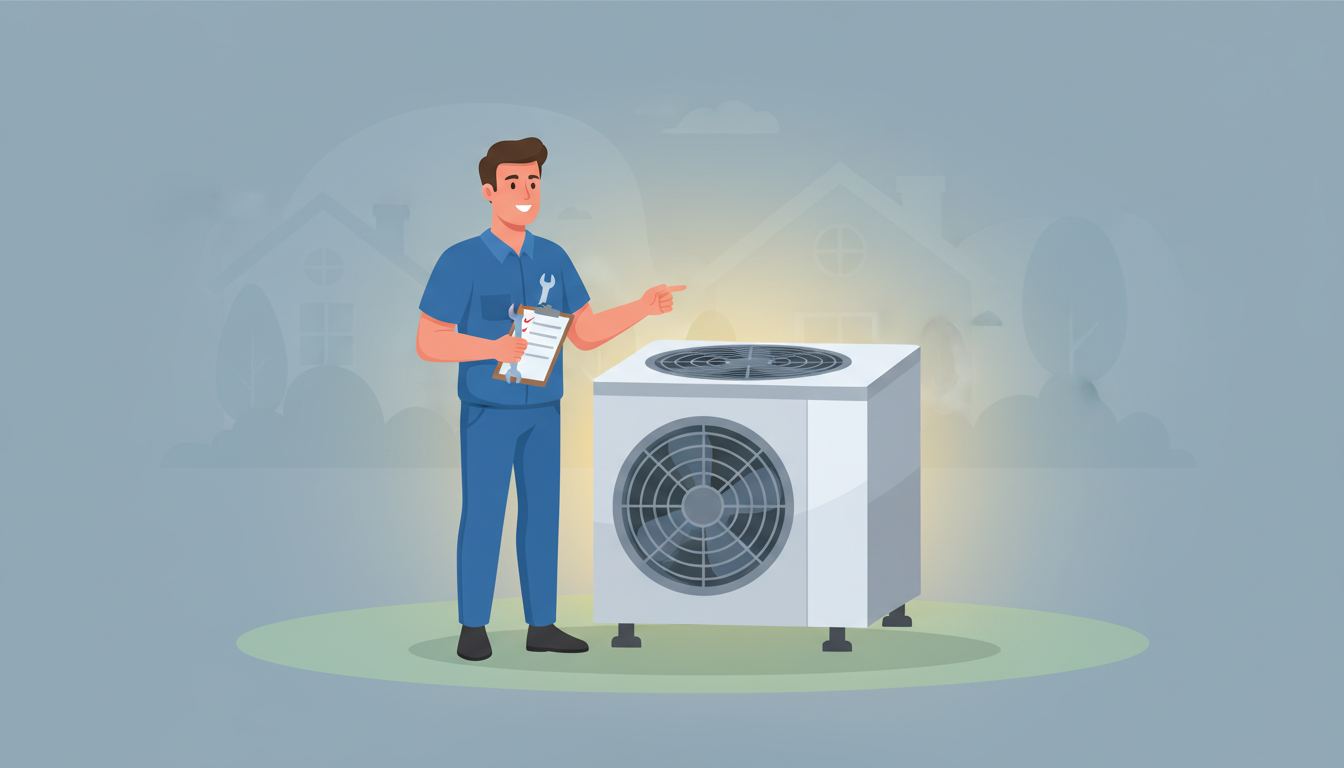
An AC tune-up is a comprehensive preventive maintenance service performed by a certified HVAC technician to inspect, clean, and optimize your air conditioning system. Think of it as a health checkup for your AC—the technician examines every component, identifies potential problems before they become expensive repairs, and ensures your system operates at peak efficiency.
During a professional AC tune-up, technicians follow a detailed maintenance checklist that covers both your indoor and outdoor units. This includes cleaning critical components, testing electrical connections, measuring refrigerant levels, and calibrating your thermostat for accurate temperature control.
Regular air conditioning maintenance isn't just about preventing breakdowns. It's about maximizing your system's lifespan, reducing energy consumption, and maintaining healthy indoor air quality for your family.
Why AC Tune-Ups Are Essential
Before diving into what happens during the service, you should understand why this maintenance matters:
Prevents Costly Breakdowns: Most AC failures happen during peak summer heat when you need cooling most. A tune-up catches small issues—like a failing capacitor or dirty coils—before they cause complete system failure.
Lowers Energy Bills: A well-maintained air conditioner uses 15-20% less energy than a neglected system. Clean coils, proper refrigerant levels, and lubricated motors all contribute to better energy efficiency.
Extends System Lifespan: Air conditioners typically last 15-20 years, but only with proper maintenance. Regular tune-ups can add 5+ years to your system's life, protecting your investment.
Maintains Warranty Coverage: Many manufacturers require annual professional maintenance to keep your warranty valid. Skipping tune-ups could void your coverage when you need it most.
Improves Indoor Air Quality: Clean filters and coils mean cleaner air circulating through your home, reducing allergens and respiratory irritants.
The Complete AC Tune-Up Checklist: Step-by-Step
Here's exactly what happens when a qualified HVAC technician performs your air conditioning tune-up:
Thermostat Inspection and Calibration
Your technician starts inside your home by testing your thermostat. They verify it's reading temperature accurately and responding properly to settings changes. If you have a programmable or smart thermostat, they'll check the programming and ensure it's optimized for efficiency.
The technician also inspects thermostat wiring for corrosion or loose connections that could cause intermittent operation. Proper calibration ensures your AC runs when needed and shuts off at the right temperature—preventing energy waste.
Air Filter Inspection and Replacement
One of the simplest yet most important steps is checking your air filter. A clogged filter restricts airflow, forcing your system to work harder and consume more energy. It also reduces cooling performance and indoor air quality.
Your technician will inspect the filter's condition and recommend replacement if it's dirty. Many tune-ups include a new filter as part of the service. If you have a reusable filter, they'll clean it thoroughly.
For optimal performance, you should change disposable filters every 1-3 months depending on usage, pets, and allergies. Your technician can recommend the best replacement schedule for your household.
Electrical Connections and Components
Electrical problems are among the most common AC failures. During your tune-up, the technician thoroughly inspects all electrical connections, including:
Contactor Inspection: The contactor is a relay that controls power to your compressor and condenser fan. Technicians check for pitting, burning, or wear that could cause failure.
Capacitor Testing: Capacitors provide the electrical boost needed to start motors and keep them running. A failing capacitor is often the culprit when your AC won't start or short-cycles. Your technician tests capacitor strength and replaces any that are weak.
Wire Connections: All electrical connections are inspected for tightness, corrosion, and proper insulation. Loose wires create resistance, generate heat, and can lead to component failure or fire hazards.
Voltage and Amperage Testing: The technician measures electrical current to ensure your system draws the correct amount of power. Unusual readings indicate motor problems or other component issues.
Condensate Drain Line Cleaning
Your AC removes humidity from indoor air, creating condensation that drains away through a drain line. Over time, algae, mold, and debris can clog this line, causing water backup that damages your system and home.
During the tune-up, your technician flushes the condensate drain with a cleaning solution or uses compressed air to clear blockages. They also check the drain pan for cracks, rust, or standing water that could indicate drainage problems.
A properly functioning condensate system prevents water damage, reduces humidity levels, and eliminates conditions where mold and mildew thrive. Learn more about related maintenance in our HVAC repair guide.
Outdoor Condenser Unit Inspection
Moving outside, your technician focuses on the condenser unit—the large box that sits beside your home. This component releases heat from your home into the outdoor air.
Coil Cleaning: The condenser coils are cleaned of dirt, grass clippings, pollen, and debris that accumulate over time. Dirty coils can't release heat efficiently, forcing your compressor to work harder and reducing cooling capacity.
Fan Blade Inspection: The technician checks fan blades for damage, wear, or imbalance. They also lubricate the fan motor bearings if applicable.
Clearance Check: Vegetation, storage items, or debris within 2 feet of your condenser restricts airflow. Your technician will note any clearance issues that need addressing.
Cabinet and Housing: The outdoor unit's cabinet is inspected for rust, damage, or loose panels that could allow moisture or pests inside.
Indoor Evaporator Coil Inspection
The evaporator coil, located in your indoor unit, absorbs heat from your home's air. These coils are prone to accumulating dust and grime that reduces their effectiveness.
Your technician inspects the evaporator coil and cleans it if necessary. This may require opening access panels to reach the coil. Clean evaporator coils improve cooling efficiency and reduce strain on your compressor.
The technician also checks for signs of coil freezing, which indicates airflow problems, refrigerant issues, or other concerns that need addressing.
Refrigerant Level Testing
Proper refrigerant charge is critical for efficient cooling. Too little refrigerant means your AC can't remove enough heat. Too much refrigerant can damage your compressor.
During the tune-up, your technician measures refrigerant levels using gauge manifolds and temperature readings. They calculate superheat or subcooling values to determine if your charge is correct.
If refrigerant is low, it indicates a leak—refrigerant doesn't get "used up" like fuel. The technician will locate and repair the leak before adding refrigerant. Simply adding refrigerant without fixing leaks is wasteful and ineffective.
Modern systems use R-410A refrigerant, while older systems may have R-22 (Freon). Your technician ensures the correct type is used for your system.
Blower Motor and Belt Inspection
Your blower motor circulates air throughout your home's ductwork. During the tune-up, the technician:
Tests Motor Performance: They measure amperage draw and listen for unusual noises that indicate bearing wear or motor problems.
Lubricates Moving Parts: Many motors have oil ports where technicians add lubricating oil to reduce friction and extend motor life.
Inspects Blower Wheel: The blower wheel is checked for dirt buildup that reduces airflow. A dirty blower wheel is cleaned to restore proper air circulation.
Checks Drive Belts: If your system uses belt-driven blowers (less common in newer systems), the belt is inspected for wear, proper tension, and alignment. Worn belts are replaced to prevent failure.
Airflow Measurement
Proper airflow is essential for comfort and efficiency. Your technician measures airflow at supply registers and return vents to ensure your system moves the correct volume of air.
Restricted airflow causes poor cooling, increased energy use, and potential equipment damage. If airflow is inadequate, the technician investigates causes like dirty filters, blocked ducts, or undersized ductwork.
They also check that supply and return vents aren't blocked by furniture or closed unnecessarily, which creates pressure imbalances.
Temperature Differential Testing
To verify your AC is cooling effectively, the technician measures the temperature difference between return air (entering your system) and supply air (exiting your vents).
A properly functioning AC should create a temperature drop of 15-20°F. Lower differentials indicate problems like low refrigerant, dirty coils, or airflow restrictions. Higher differentials might suggest oversized equipment or other issues.
This simple test confirms your system is actually cooling your home efficiently, not just running and consuming energy.
System Controls and Safety Checks
Modern air conditioners have multiple safety controls that protect the equipment. Your technician tests these controls to ensure they're functioning properly:
High and Low Pressure Switches: These prevent compressor damage by shutting down the system if refrigerant pressure is abnormal.
Float Switch: Prevents system operation if condensate drain is clogged and water backs up.
Safety Disconnect: Verifies the emergency shutoff switch works properly for service and emergencies.
Your technician also checks the system's startup and shutdown sequences to ensure everything operates in the correct order.
Final System Performance Test
After completing all inspections, cleanings, and adjustments, your technician runs a complete system test. They observe several cooling cycles, monitoring:
- Temperature drop across the evaporator
- Compressor operating pressures
- Electrical current draw
- Thermostat response and accuracy
- Overall system performance
This final test confirms everything is working correctly before the technician completes the service.
What Happens After Your AC Tune-Up?
Once the tune-up is complete, your HVAC technician should provide a detailed report of their findings. This report typically includes:
Work Performed: A checklist of all services completed during the tune-up.
Findings and Recommendations: Any issues discovered, their severity, and recommended repairs or replacements.
System Performance Data: Measurements like refrigerant pressures, temperatures, and electrical readings that document your system's condition.
Photos (Sometimes): Some companies provide photos of problem areas to help you understand recommended repairs.
Review this report carefully and ask questions about anything unclear. If repairs are recommended, understand whether they're urgent safety issues, important for efficiency, or can wait until later.
Your technician should also provide maintenance tips for keeping your AC running well between tune-ups, such as filter change schedules and outdoor unit clearance requirements.
How Long Does an AC Tune-Up Take?
Most AC tune-ups take 60-90 minutes to complete. However, the actual duration depends on several factors:
System Complexity: Multi-zone systems or units with extensive ductwork take longer to service thoroughly.
System Condition: A well-maintained AC requires less cleaning and adjustment than a neglected system. If your unit hasn't been serviced in years, expect longer service time.
Issues Discovered: If the technician finds problems requiring additional testing or diagnostics, your appointment will extend beyond a basic tune-up.
Technician Thoroughness: Quality technicians take the time to perform each step properly rather than rushing through a checklist.
If your technician is in and out in 20-30 minutes, they're likely skipping important steps. A comprehensive air conditioning tune-up requires time to do properly. Our central AC repair guide covers what thorough service should include.
When to Schedule Your AC Tune-Up
Timing your AC maintenance correctly ensures your system is ready when you need it most:
Best Time: Spring (March-May): Schedule your tune-up in spring before cooling season begins. This ensures any needed repairs are completed before summer heat arrives, and technicians have better availability and often offer pre-season discounts.
Acceptable Alternative: Early Fall: If you missed spring service, early fall works for systems that run year-round in warm climates. This also positions you for heating season if you have a heat pump.
Avoid: Peak Summer: Don't wait until the hottest days when your AC is already struggling. Technicians are busiest during heat waves, scheduling is difficult, and you risk going without cooling if repairs are needed.
Most manufacturers and HVAC professionals recommend annual tune-ups. Some homeowners with heavy AC usage or older systems schedule twice-yearly maintenance for optimal reliability.
If you maintain your furnace separately, consider scheduling both heating and cooling tune-ups during shoulder seasons. Check out our guide on what happens during a furnace tune-up to understand the heating side of HVAC maintenance.
Warning Signs You Need an AC Tune-Up Soon
Don't wait for your scheduled maintenance if you notice these symptoms:
Reduced Cooling Performance: If your AC runs constantly but doesn't cool your home adequately, something is wrong.
Unusual Noises: Grinding, squealing, banging, or rattling sounds indicate mechanical problems that need immediate attention.
Strange Odors: Burning smells suggest electrical issues, while musty odors indicate mold growth in your system.
Higher Energy Bills: Unexplained increases in electricity costs often mean your AC is working harder due to maintenance issues.
Short Cycling: If your system turns on and off frequently without completing full cooling cycles, it's struggling and needs professional attention.
Water Leaks: Moisture or water pooling around your indoor unit signals condensate drain problems.
Ice Formation: Ice on refrigerant lines or the indoor unit indicates serious problems with airflow or refrigerant charge.
Any of these signs warrant immediate service, not waiting for your next scheduled tune-up. Early intervention prevents small problems from becoming major repairs.
AC Tune-Up Cost: What to Expect
While prices vary by location and company, typical AC tune-up costs range from $75 to $200 for standard service. Factors affecting price include:
Geographic Location: HVAC services cost more in urban areas and regions with higher living costs.
Service Plan Membership: Many HVAC companies offer annual maintenance plans that include tune-ups at discounted rates, often $100-300 yearly for both heating and cooling maintenance.
System Type and Size: Larger systems or complex installations cost more to service thoroughly.
Company Reputation: Established companies with certified technicians may charge more but provide better service quality.
Included Services: Verify what's included in the quoted price. Some companies charge extra for refrigerant, parts, or certain inspections.
A properly performed tune-up costs more than a bare-bones "maintenance" visit. However, the money spent on annual maintenance typically saves 2-5 times that amount in prevented repairs and energy savings.
Beware of unusually low-priced tune-up offers that may be bait-and-switch tactics to get technicians in your home to push expensive repairs. Choose reputable companies with transparent pricing and good reviews.
DIY Maintenance vs. Professional AC Tune-Ups
While homeowners can perform some basic maintenance, a professional tune-up is essential for comprehensive service:
What You Can Do:
- Change air filters monthly or as needed
- Keep outdoor unit clear of debris and vegetation
- Ensure vents aren't blocked by furniture or closed
- Clean visible dirt from outdoor unit fins with gentle water spray
- Monitor system performance and watch for warning signs
What Requires a Professional:
- Refrigerant testing and adjustment
- Electrical component testing and replacement
- Internal coil cleaning
- Precise airflow and temperature measurements
- Safety control verification
- Motor lubrication and mechanical adjustments
Professional HVAC technicians have specialized tools, training, and experience to properly diagnose and service your system. They also carry insurance that protects you if something goes wrong during service.
Attempting complex maintenance yourself risks equipment damage, voiding warranties, or creating safety hazards. Focus your DIY efforts on simple tasks between professional tune-ups.
Questions to Ask Your HVAC Technician
When scheduling or during your AC tune-up, ask these important questions:
-
"What's included in your tune-up service?" - Ensure it's comprehensive, not just a filter change and visual inspection.
-
"Are you certified and licensed?" - Verify technicians have proper credentials like NATE certification.
-
"Do you provide a written report of findings?" - Documentation helps you track system health and verify work performed.
-
"What refrigerant does my system use?" - Knowing whether you have R-410A or older R-22 helps with future service planning.
-
"How urgent are the recommended repairs?" - Understand what needs immediate attention versus what can wait.
-
"Do you offer maintenance plans?" - Annual plans often include priority service and discounts.
-
"What's your warranty on parts and labor?" - Reputable companies stand behind their work with solid warranties.
These questions help you choose quality service and avoid companies more interested in upselling than maintaining your equipment.
Common AC Tune-Up Scams to Avoid
Unfortunately, some unscrupulous companies use tune-ups to push unnecessary services. Watch for these red flags:
Refrigerant Refill Without Leak Detection: Refrigerant doesn't evaporate or get used up. If it's low, there's a leak. Anyone who adds refrigerant without finding and fixing the leak is taking your money for temporary relief.
High-Pressure Replacement Upsells: While technicians should inform you of legitimate problems, aggressive tactics pushing immediate system replacement during a routine tune-up are suspicious.
"Your System is Unsafe" Scare Tactics: Some companies claim minor issues are dangerous to pressure you into expensive repairs. Get a second opinion on major findings.
Unnecessarily Long Parts Lists: A tune-up shouldn't suddenly require hundreds of dollars in parts replacement unless your system was severely neglected.
Refusing to Show You Problems: Legitimate technicians will show you what they found and explain why it needs addressing.
Choose established companies with good reviews and clear pricing. Don't feel pressured to authorize major repairs on the spot—get second opinions for expensive recommendations.
Frequently Asked Questions About AC Tune-Ups
How often should I get an AC tune-up?
Most manufacturers and HVAC professionals recommend annual AC tune-ups, ideally in spring before cooling season. Systems that run year-round or are older than 10 years may benefit from twice-yearly service.
Can I skip my tune-up if my AC seems to be working fine?
Problems develop gradually and aren't always obvious until failure occurs. Regular tune-ups catch small issues before they cause breakdowns, typically during the hottest days when you need cooling most. Additionally, many warranties require documented annual maintenance.
What's the difference between an AC tune-up and an AC inspection?
An inspection is a visual examination to identify obvious problems, while a tune-up includes cleaning, adjustments, lubrication, and testing. Tune-ups are active maintenance that improves performance; inspections are diagnostic only.
Will a tune-up fix my AC if it's not cooling properly?
A tune-up addresses maintenance issues like dirty coils, low refrigerant, or worn parts that cause poor cooling. However, if major components have failed, repairs beyond tune-up scope will be needed. The tune-up will identify what's wrong so appropriate repairs can be made.
Do new AC systems need tune-ups?
Yes. Even new systems require annual maintenance to keep them running efficiently, maintain warranty coverage, and ensure long system life. Starting maintenance habits early prevents problems from developing.
Keep Your AC Running Smoothly All Summer
An AC tune-up is one of the smartest investments you can make for your home's comfort and your wallet. This comprehensive maintenance service prevents unexpected breakdowns, reduces energy costs, extends equipment life, and keeps your family comfortable throughout the cooling season.
Now that you understand exactly what happens during an AC tune-up, you can make informed decisions about scheduling service and choosing a qualified technician. Don't wait until your system fails on the hottest day of summer—schedule your tune-up today and enjoy reliable, efficient cooling all season long.
For more HVAC maintenance tips and troubleshooting guides, explore our comprehensive resources on keeping your heating and cooling systems in peak condition.