What Happens During a Furnace Tune-Up? A Complete Guide
What Happens During a Furnace Tune-Up? A Complete Guide
If you're like most homeowners, you probably don't think much about your furnace until it stops working. But waiting for a breakdown isn't just inconvenient—it can be dangerous and expensive. A professional furnace tune-up is your best defense against mid-winter emergencies, and understanding what happens during this service can help you make informed decisions about your home's heating system.
In this comprehensive guide, we'll walk you through every step of a professional furnace tune-up, explain why each task matters, and help you understand how regular maintenance can save you money while keeping your family safe and warm.
What Is a Furnace Tune-Up?
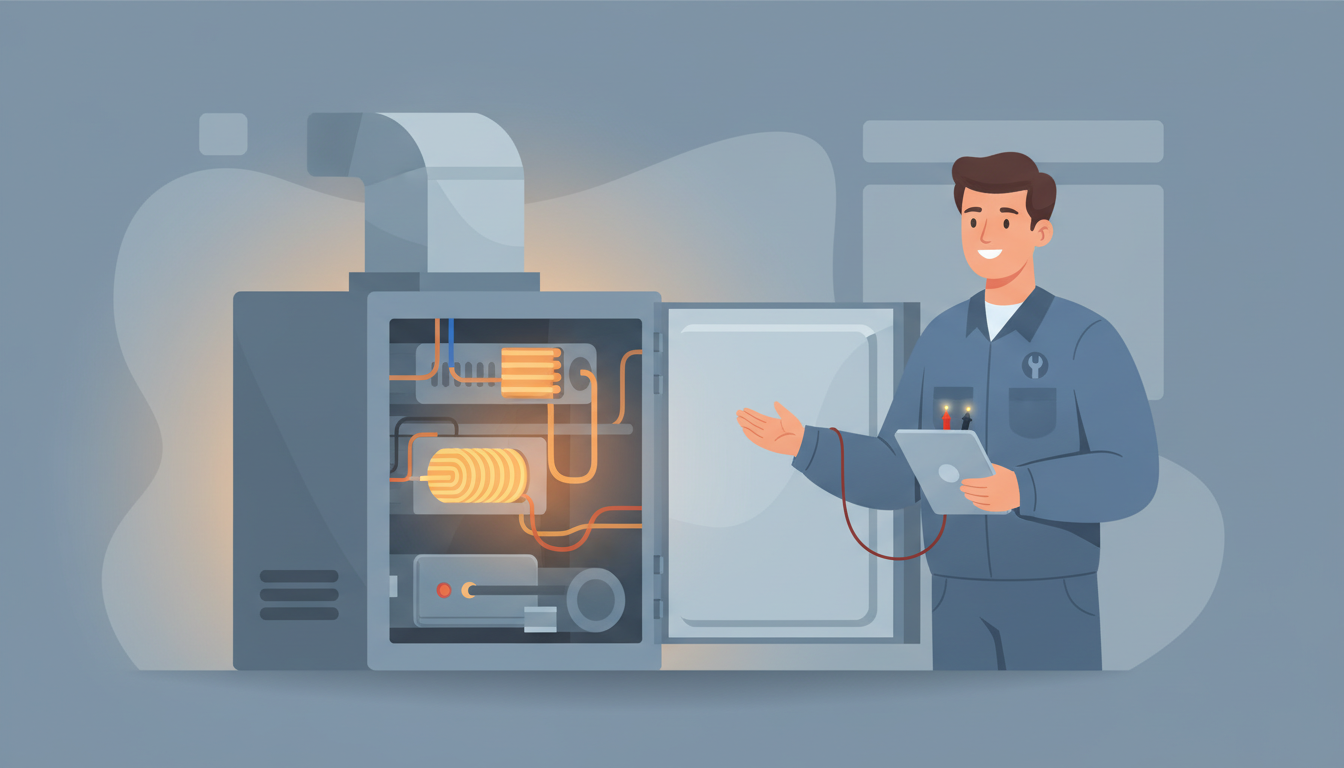
A furnace tune-up is a comprehensive preventive maintenance service performed by a certified HVAC technician. During this service, your heating system undergoes a thorough inspection, cleaning, adjustment, and testing to ensure it operates safely, efficiently, and reliably throughout the heating season.
Think of it like an annual physical for your furnace. Just as you visit your doctor for preventive care, your heating system needs regular check-ups to catch small issues before they become expensive problems. A typical tune-up takes 60 to 90 minutes and covers everything from safety checks to performance optimization.
Why Annual Furnace Maintenance Matters
Before diving into what happens during a tune-up, let's understand why this service is so critical for your home:
Prevent Dangerous Safety Hazards
Your furnace burns fuel to create heat, which means it produces carbon monoxide—a colorless, odorless gas that can be deadly. A cracked heat exchanger or malfunctioning component can allow carbon monoxide to leak into your home. During a tune-up, technicians specifically inspect for these life-threatening issues.
Avoid Costly Emergency Repairs
According to industry data, regular maintenance can prevent up to 95% of furnace repairs. A simple $100-150 tune-up can help you avoid a $500-1,500 emergency repair call in the middle of winter when HVAC companies charge premium rates.
Maximize Energy Efficiency
A dirty or poorly maintained furnace works harder to heat your home, wasting energy and driving up utility bills. Regular tune-ups can improve your furnace efficiency by 15-20%, potentially saving you hundreds of dollars on heating costs each year.
Extend Your Furnace Lifespan
Most furnaces last 15-20 years with proper maintenance, but neglected systems often fail after just 10-12 years. Annual tune-ups protect your investment and delay the need for expensive furnace replacement.
Maintain Your Warranty Coverage
Most furnace manufacturers require annual professional maintenance to keep your warranty valid. Skipping tune-ups could void your warranty, leaving you responsible for costly repairs that should be covered.
For more insights on keeping your heating system running smoothly, check out our comprehensive HVAC repair guide.
The Complete Furnace Tune-Up Checklist: What Technicians Actually Do
Now let's break down exactly what happens during a professional furnace tune-up. While specific procedures may vary slightly between companies, here's what you should expect from a thorough service:
1. Comprehensive System Inspection
The technician begins by visually inspecting your entire heating system, looking for obvious signs of wear, damage, corrosion, or safety concerns.
What they check:
- Overall furnace condition and cabinet integrity
- Signs of rust, corrosion, or water damage
- Proper ventilation and clearance around the unit
- Condition of the flue pipe and exhaust system
- Age and model information for service records
This initial assessment helps the technician identify any red flags before starting detailed work.
2. Heat Exchanger Inspection
The heat exchanger is arguably your furnace's most critical safety component. This metal chamber heats the air while keeping dangerous combustion gases separate from your home's air supply.
What they check:
- Cracks, holes, or corrosion in the heat exchanger
- Signs of overheating or stress
- Proper flame pattern and combustion
A cracked heat exchanger is a serious safety hazard that requires immediate attention. This component alone justifies the cost of annual tune-ups, as catching cracks early can prevent carbon monoxide poisoning.
3. Burner Assembly Cleaning and Adjustment
The burners are where fuel combustion happens. Over time, dust, debris, and carbon buildup can affect their performance and efficiency.
What they do:
- Remove and thoroughly clean burner assembly
- Check flame sensor for buildup
- Adjust burner flames for optimal combustion
- Verify proper ignition sequence
- Clean and test the pilot light (if applicable)
Clean burners produce steady blue flames. Yellow or orange flames indicate incomplete combustion, which wastes fuel and can produce dangerous carbon monoxide.
4. Air Filter Inspection and Replacement
Your furnace filter is your system's first line of defense against dust and debris. A clogged filter restricts airflow, forcing your furnace to work harder and reducing efficiency.
What they do:
- Remove and inspect the current filter
- Replace with a new filter (often included in service)
- Recommend appropriate filter type for your system
- Check filter size and accessibility
Most filters should be changed every 1-3 months during heating season. Your technician will show you how to do this yourself between tune-ups.
5. Blower Motor and Fan Assembly Service
The blower motor and fan circulate heated air throughout your home. These components work hard and require regular maintenance.
What they do:
- Clean blower wheel and fan blades
- Lubricate motor bearings (if applicable)
- Check motor amperage and voltage
- Inspect belts for wear and proper tension
- Test blower capacitor performance
- Verify proper fan speed settings
A dirty blower wheel can reduce airflow by 15% or more, making your home uncomfortable and wasting energy.
6. Electrical Component Testing
Furnaces contain numerous electrical components that must function correctly for safe, reliable operation.
What they check:
- All wire connections for tightness and corrosion
- Electrical contacts for wear or burning
- Relay and contactor operation
- Transformer voltage output
- Safety switches and limit controls
- Thermostat wiring and calibration
Loose electrical connections can cause system failures or even fire hazards. This inspection ensures everything is secure and functioning properly.
7. Gas Line and Valve Inspection
For gas furnaces, the fuel supply system requires careful inspection to ensure safe operation.
What they check:
- Gas line connections for leaks
- Gas valve operation and shutoff function
- Gas pressure measurements
- Proper gas flow to burners
- Condition of gas line and fittings
Gas leaks are extremely dangerous. Technicians use specialized equipment to detect even small leaks that homeowners can't smell.
8. Thermostat Calibration and Testing
Your thermostat controls when and how your furnace operates. Accurate calibration ensures comfort and efficiency.
What they do:
- Test thermostat accuracy and response time
- Check temperature differential settings
- Verify heat anticipator function (older models)
- Inspect thermostat wiring
- Test programmable features if applicable
- Recommend upgrades for better efficiency
A miscalibrated thermostat can cause short cycling, temperature swings, and wasted energy.
9. Airflow and Ductwork Assessment
Proper airflow is essential for even heating and system efficiency. Technicians measure and optimize air movement throughout your system.
What they check:
- Static pressure in supply and return ducts
- Register and return vent condition
- Signs of duct leaks or disconnections
- Proper air balance between rooms
- Vent damper positions and operation
Poor airflow can create hot and cold spots in your home while forcing your furnace to run longer cycles.
10. Combustion Analysis and Efficiency Testing
Modern tune-ups include sophisticated testing to verify your furnace is burning fuel efficiently and safely.
What they measure:
- Combustion efficiency percentage
- Carbon monoxide levels in exhaust
- Oxygen levels in flue gases
- Draft pressure and venting adequacy
- Temperature rise across heat exchanger
These measurements tell technicians exactly how well your furnace is performing and whether adjustments are needed.
11. Condensate Drain Inspection
High-efficiency furnaces produce condensation that must drain properly. A clogged drain can cause water damage or system shutdown.
What they do:
- Clean condensate trap and drain line
- Check drain pan for cracks or standing water
- Verify proper drain pitch and flow
- Flush drain line to prevent clogs
- Inspect condensate pump if applicable
Condensate drain problems are a common cause of furnace shutdowns in high-efficiency systems.
12. Safety Control Testing
Modern furnaces have multiple safety controls designed to shut down the system if dangerous conditions occur.
What they test:
- High limit switch operation
- Rollout switches
- Pressure switches
- Flame sensor response
- Emergency shutoff systems
These safety devices are your last line of defense against dangerous malfunctions. Regular testing ensures they'll work when needed.
13. Flue and Venting System Inspection
Proper venting removes dangerous combustion gases from your home. Blocked or damaged venting is a serious safety hazard.
What they check:
- Flue pipe condition and secure connections
- Proper venting slope and support
- Vent termination clearances outside
- Signs of backdrafting or spillage
- PVC vent integrity (high-efficiency furnaces)
Carbon monoxide deaths often result from blocked or damaged venting. This inspection is critical for your family's safety.
14. Performance Verification and Final Testing
After completing all maintenance tasks, technicians run your furnace through complete heating cycles to verify proper operation.
What they verify:
- Furnace starts and runs smoothly
- All cycles complete properly
- System reaches set temperature
- No unusual noises or vibrations
- Proper shutdown sequence
This final testing ensures everything works correctly before the technician leaves your home.
For more detailed information about furnace-specific repairs, visit our furnace repair guide.
How Long Does a Furnace Tune-Up Take?
Most professional furnace tune-ups take between 60 and 90 minutes. However, timing can vary based on several factors:
- Furnace age and condition: Older systems or neglected furnaces may require extra cleaning time
- System complexity: High-efficiency furnaces with additional components take longer
- Issues discovered: If problems are found, diagnosis and repair estimates add time
- Accessibility: Furnaces in tight spaces or cluttered areas are harder to service
If your technician finishes in 20-30 minutes, they probably didn't perform a thorough inspection. A comprehensive tune-up requires time to properly inspect, clean, and test all critical components.
When Should You Schedule Your Furnace Tune-Up?
Timing matters when it comes to furnace maintenance. Here's when to schedule your annual service:
Best Time: Late Summer or Early Fall
The ideal window for furnace tune-ups is August through October, before the heating season begins.
Benefits of early scheduling:
- HVAC companies are less busy and can schedule flexibly
- Technicians can take their time with thorough inspections
- You'll discover problems before you need heat
- Repair parts are readily available
- You can address issues before emergency rates apply
Acceptable Alternative: Late Spring
If you missed the fall window, spring maintenance (April-May) is better than nothing. This allows you to address issues discovered during the heating season before summer.
Avoid: Mid-Winter Peak Season
November through February is peak season for HVAC companies. Service appointments are harder to schedule, and if problems are found, you might wait days for repairs in freezing weather.
As our article on maintenance preventing midseason furnace breakdowns explains, proactive tune-ups before heating season are your best strategy for avoiding emergency situations.
How Often Do You Need a Furnace Tune-Up?
Annual tune-ups are recommended for all furnaces. This applies whether you have a gas, oil, or electric furnace, and regardless of age.
However, some situations call for more frequent service:
- Older furnaces (15+ years): Consider twice-yearly inspections
- Heavy use systems: Homes in very cold climates may benefit from more frequent service
- Commercial applications: Business furnaces often require quarterly maintenance
- Post-repair follow-up: Schedule a tune-up after major repairs to verify proper operation
Even new furnaces need annual tune-ups to maintain warranty coverage and ensure optimal performance from day one.
DIY Maintenance vs. Professional Tune-Ups
While professional tune-ups are essential, there are tasks homeowners can safely handle between service calls:
Safe DIY Tasks:
- Change air filters monthly during heating season
- Keep area around furnace clean and unobstructed
- Listen for unusual noises and note any changes
- Check thermostat batteries and settings
- Ensure all supply and return vents are open and unblocked
- Visually inspect visible components for obvious issues
Always Leave to Professionals:
- Gas line connections and pressure testing
- Electrical component repairs
- Heat exchanger inspection
- Combustion analysis and efficiency testing
- Burner adjustment and calibration
- Safety control testing
- Any repairs requiring tools or disassembly
Attempting DIY repairs on gas furnaces is dangerous and can void your warranty. Always hire licensed HVAC technicians for anything beyond basic filter changes and visual inspections.
What Does a Furnace Tune-Up Cost?
Professional furnace tune-up costs typically range from $80 to $200, depending on several factors:
Price factors:
- Geographic location: Urban areas tend to cost more than rural regions
- Company reputation: Established companies may charge premium rates
- Service scope: Basic tune-ups cost less than comprehensive 20-point inspections
- Membership programs: Many companies offer discounted rates for annual plan members
- Season timing: Off-season tune-ups may cost less than peak-season service
What's typically included:
- Complete inspection and cleaning
- New air filter
- Written service report
- Safety testing
- Performance measurements
What costs extra:
- Replacement parts (filters, belts, igniters, etc.)
- Repairs beyond basic maintenance
- Emergency or weekend service calls
- Additional services like duct cleaning
While $150 might seem expensive for a tune-up, compare that to $1,200+ for a mid-winter emergency repair. The investment in preventive maintenance almost always pays for itself.
Signs Your Furnace Needs a Tune-Up Immediately
Don't wait for your annual appointment if you notice these warning signs:
Safety Red Flags:
- Yellow or orange flames instead of blue
- Soot buildup around furnace
- Burning smell when furnace runs
- Excessive rust or corrosion
- Moisture or condensation around unit
- Frequent cycling on and off
Performance Issues:
- Some rooms much colder than others
- Furnace runs constantly but home stays cold
- Heating bills significantly higher than usual
- Strange noises (banging, squealing, rumbling)
- Weak airflow from vents
- Visible dust or debris blowing from vents
Age-Related Concerns:
- Furnace is 15+ years old
- Never had professional maintenance
- Previous owner didn't maintain system
- Recent home purchase with unknown service history
Any of these signs warrant immediate professional inspection, even if you recently had a tune-up.
What to Expect After Your Furnace Tune-Up
After a professional tune-up, you should notice several improvements:
Immediate benefits:
- Quieter operation
- Stronger, more consistent airflow
- Faster heating response
- More even temperatures throughout home
- Elimination of unusual odors
Long-term benefits:
- Lower monthly heating bills
- Fewer unexpected breakdowns
- Extended furnace lifespan
- Maintained warranty coverage
- Peace of mind about safety
Your technician should provide a written report detailing:
- Services performed
- Problems discovered
- Recommendations for repairs or upgrades
- System efficiency measurements
- Expected lifespan of components
Keep these reports in your home maintenance file. They create a service history that helps future technicians and adds value if you sell your home.
Questions to Ask Your HVAC Technician
Make the most of your tune-up by asking these important questions:
-
How efficient is my furnace operating? Get specific percentages and comparisons to manufacturer specifications.
-
How much longer should my furnace last? Honest technicians will give you realistic expectations based on condition.
-
Are any repairs needed now or in the near future? Prioritize recommendations by urgency and safety importance.
-
Are there any safety concerns? Never skip recommended safety repairs, even if costly.
-
What can I do between tune-ups to maintain my system? Get specific guidance for your particular furnace model.
-
Should I consider upgrading to a more efficient model? If your furnace is old and inefficient, replacement might save money long-term.
-
Do you offer service contracts or maintenance plans? These programs often provide discounts and priority scheduling.
Choosing the Right HVAC Company for Your Tune-Up
Not all furnace tune-ups are created equal. Choose your service provider carefully:
Look for:
- Proper licensing and insurance
- NATE (North American Technician Excellence) certification
- Strong local reputation and reviews
- Transparent pricing with no hidden fees
- Written service agreements
- Manufacturer-authorized service (for warranty work)
- Emergency service availability
Red flags:
- Extremely low prices that seem too good to be true
- Pressure to buy new equipment during tune-ups
- Lack of proper identification or company vehicles
- Refusal to provide written estimates
- No insurance verification available
Ask friends, family, and neighbors for recommendations. A trustworthy HVAC company is a valuable long-term relationship for your home maintenance needs.
The Bottom Line: Invest in Prevention
A furnace tune-up is one of the best investments you can make in your home. For $100-200 annually, you get:
- Protection against dangerous carbon monoxide leaks
- Prevention of expensive mid-winter breakdowns
- Lower energy bills through improved efficiency
- Extended furnace lifespan saving thousands in replacement costs
- Valid warranty coverage for parts and labor
- Peace of mind that your family will stay warm and safe
Don't wait until your furnace fails on the coldest night of winter. Schedule your annual tune-up during late summer or early fall, before you need heat. Your future self will thank you when your neighbors are calling emergency repair services while you're staying warm and comfortable.
Frequently Asked Questions
How long does a typical furnace tune-up take?
A thorough professional furnace tune-up typically takes 60 to 90 minutes. If your technician finishes in under 30 minutes, they likely didn't perform a comprehensive inspection. Complex systems or older furnaces that need extra cleaning may take up to 2 hours.
Can I skip a year if my furnace seems to be working fine?
While your furnace might seem fine, hidden problems can develop between tune-ups. Skipping annual maintenance can void your warranty, reduce efficiency by 15-20%, and allow small issues to become expensive emergencies. Annual service is especially critical for safety inspections that detect carbon monoxide risks.
What's the difference between a furnace tune-up and a furnace inspection?
A tune-up includes inspection plus active maintenance: cleaning, lubricating, adjusting, and replacing parts like filters. An inspection is typically just visual examination and testing. For comprehensive preventive care, always request a full tune-up rather than inspection alone.
Do high-efficiency furnaces need tune-ups as often as standard furnaces?
Yes, high-efficiency furnaces still need annual tune-ups. In fact, they may require even more careful maintenance because they have additional components like condensate drains and PVC venting that can develop problems. Their complex controls also benefit from regular calibration and testing.
Will a tune-up lower my heating bills?
Yes, a professional tune-up typically improves furnace efficiency by 15-20%, which translates directly to lower utility bills. Clean burners, proper airflow, calibrated controls, and optimized combustion all contribute to using less fuel to heat your home. Most homeowners recover the cost of their tune-up through energy savings within a single heating season.
Ready to schedule your furnace tune-up? Don't wait until winter to discover problems with your heating system. Contact a licensed HVAC professional today to ensure your furnace is ready to keep your family safe, comfortable, and warm all season long.