
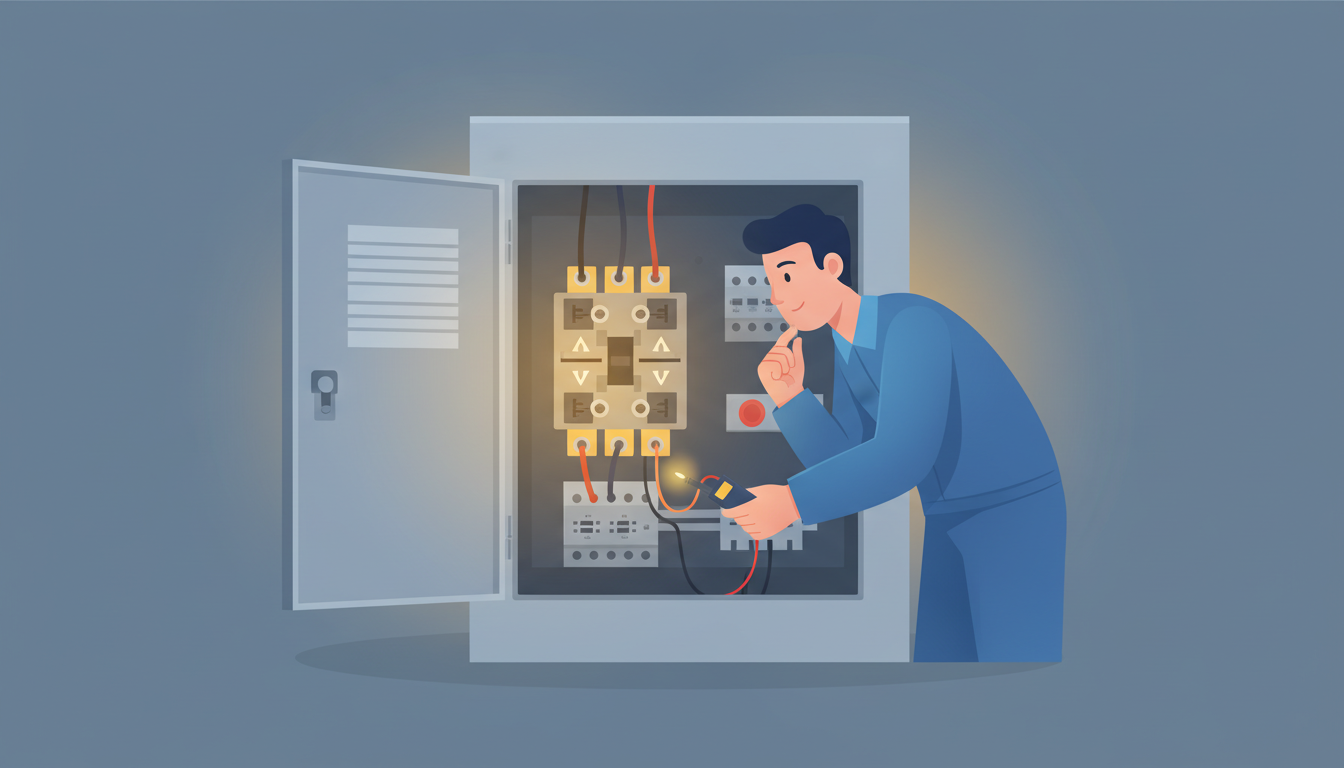
What Happens When an Electrical Relay Sticks Open or Closed?
What Happens When an Electrical Relay Sticks Open or Closed?
Is your air conditioner refusing to turn on, or won't it shut off even when your home feels like an icebox? Your HVAC system might be dealing with a stuck relay—one of the most common electrical issues that can leave you sweating in summer or shivering in winter.
Understanding what happens when an electrical relay sticks open or closed helps you diagnose problems quickly, avoid costly damage, and know when it's time to call a professional. Let's break down exactly what's happening inside your system and what you can do about it.
What Is an HVAC Relay and Why Does It Matter?
Before we dive into the problems, you need to understand what a relay actually does in your heating and cooling system.
An HVAC relay is an electromagnetic switch that acts as a bridge between your low-voltage thermostat (usually 24 volts) and the high-voltage components like your compressor or blower motor (typically 120-240 volts). Think of it as a messenger that translates your thermostat's command into action.
When your thermostat calls for cooling, it sends a small electrical signal to the relay coil. This creates a magnetic field that pulls the relay contacts together, completing the circuit and allowing full power to flow to your AC compressor or furnace blower.
Without this relay, your thermostat couldn't safely control the powerful motors and heating elements in your HVAC system. It's a small component, but it plays a critical role in every heating and cooling cycle.
Understanding Relay Positions: Normally Open vs. Normally Closed
Relays come in two basic configurations that determine their "resting" state:
Normally Open (NO) Relays - In their default position, the contacts are separated and no power flows through. When the relay coil energizes, the contacts close and complete the circuit. Most HVAC applications use normally open relays.
Normally Closed (NC) Relays - These have their contacts touching in the default state, allowing power to flow. When energized, the contacts separate and interrupt the circuit. These are less common in residential HVAC but appear in some safety and control applications.
Understanding this distinction helps you recognize what "stuck open" or "stuck closed" actually means for your specific system.
What Causes an Electrical Relay to Stick?
Several factors can cause relay contacts to stick in one position:
Electrical Arcing - Over thousands of on-off cycles, small sparks occur when the contacts meet and separate. This arcing gradually erodes the contact surfaces, creating rough spots and pitting.
Overheating - When a relay handles more current than it's rated for, the excessive heat can warp the contacts or soften the materials holding them in place. This is especially common when a compressor is failing and drawing higher amperage.
Contact Welding - In severe cases, the heat from arcing or overload conditions can literally weld the metal contacts together. Once welded, the contacts remain permanently stuck closed.
Dirt and Debris - Although less common since most relays are enclosed, contamination from dust, insects, or moisture can prevent contacts from moving freely.
Age and Wear - Like any mechanical component, relay contacts eventually wear out. Most HVAC relays last 10-15 years, but harsh conditions or frequent cycling can shorten their lifespan.
Voltage Spikes - Power surges from lightning strikes or utility issues can damage relay coils or fuse contacts together.
What Happens When a Relay Sticks Closed
When relay contacts stick or weld in the closed position, power continuously flows to the connected component—even when your thermostat isn't calling for heating or cooling. Here's what you'll experience:
Your System Won't Shut Off
The most obvious symptom is that your furnace blower, AC compressor, or heating elements keep running nonstop. You'll hear your system humming away hours after the thermostat should have shut it down.
This happens because the stuck relay bypasses your thermostat's control. The relay's job is to open the circuit when cooling or heating demand stops, but welded contacts make that impossible.
Skyrocketing Energy Bills
An HVAC system that runs 24/7 instead of cycling on and off throughout the day can dramatically increase your electricity or gas consumption. Depending on the component affected, you might see your energy costs double or triple.
A typical central AC unit draws 3,000-5,000 watts when running. If a stuck relay keeps it running continuously, that's 72-120 kilowatt-hours per day instead of the normal 20-30 kWh with proper cycling.
Extreme Temperature Swings
With cooling equipment stuck in the "on" position, your home may become uncomfortably cold, especially overnight when outdoor temperatures drop. For heating systems, you might experience dangerously high temperatures.
Your thermostat display might show it's satisfied and not calling for heating or cooling, yet the system continues to run. This disconnect between the thermostat and actual system operation is a telltale sign of a stuck relay.
Accelerated System Wear
HVAC systems are designed to cycle on and off, with rest periods that allow components to cool down. Continuous operation without these breaks causes:
- Compressor overheating and premature failure
- Excessive wear on blower motor bearings
- Reduced lubrication effectiveness in moving parts
- Shortened lifespan of the entire system
A compressor replacement can cost $1,500-$3,000 or more, so a $150 stuck relay can quickly lead to much more expensive repairs if ignored.
Potential Fire Hazard
In extreme cases, the continuous current flow through a stuck relay can cause dangerous overheating. The relay itself, the wiring connected to it, or nearby components may overheat to the point of melting insulation or igniting combustible materials.
If you smell burning plastic or notice discoloration around your electrical panel or outdoor AC unit, shut off power immediately and call an HVAC professional. This is an emergency situation that requires immediate attention.
What Happens When a Relay Sticks Open
When relay contacts stick in the open position, they fail to close and complete the circuit when your thermostat calls for heating or cooling. The symptoms are quite different from a stuck closed relay:
Your System Won't Turn On
This is the most common symptom. You adjust your thermostat, hear the familiar click, but nothing happens. No compressor startup, no blower motor spinning, no heating elements warming up.
The thermostat is sending the signal correctly, but the stuck relay isn't responding to energize the high-voltage circuit. Your HVAC system is essentially disconnected from its power source.
Clicking Sounds Without System Operation
You might hear rapid clicking coming from your HVAC system as the relay coil repeatedly energizes but fails to close the stuck contacts. This clicking is the electromagnetic coil trying and failing to pull the contacts together.
This sound often confuses homeowners into thinking the system is trying to start, but the clicking is just the relay's coil activating without the contacts completing the circuit.
Intermittent Operation
Sometimes a relay sticks partially rather than completely. In these cases, you might experience:
- System starts after several thermostat cycles
- Random shutdowns during operation
- System works on some days but not others
This intermittent behavior occurs when the contacts are damaged or corroded but not completely frozen. Vibration, temperature changes, or luck might temporarily free the contacts before they stick again.
No Damage to Other Components
Unlike a stuck closed relay, a stuck open relay typically doesn't cause secondary damage to your HVAC equipment. The components simply don't receive power, so they're not subjected to continuous operation stress.
However, comfort issues arise quickly. In summer heat or winter cold, a non-functioning HVAC system creates uncomfortable or potentially unsafe conditions, especially for vulnerable family members.
Confusion with Other Problems
A relay stuck open produces symptoms identical to many other failures:
- Blown fuse or tripped circuit breaker
- Failed thermostat
- Bad capacitor
- Faulty contactor
- Broken control board
This is why proper diagnosis by a qualified technician is important. Replacing parts randomly hoping to fix the problem wastes money and time.
How to Tell If Your Relay Is Stuck
You don't need advanced HVAC training to spot some warning signs of a stuck relay:
For Stuck Closed:
- System runs continuously regardless of thermostat setting
- Thermostat shows it's satisfied but equipment keeps running
- Unusual increase in energy consumption
- Home becomes too cold (AC) or too hot (heating)
For Stuck Open:
- System completely unresponsive to thermostat commands
- Thermostat displays normally and calls for heating/cooling
- Rapid clicking sound near the outdoor unit or furnace
- No other obvious problems (breakers on, power connected, system clean)
Visual Inspection Signs:
- Discolored or melted relay housing
- Burn marks around relay terminals
- Corroded or pitted contact surfaces (if you can see them)
- Relay feels hot to touch even when system has been off
If you're comfortable working around electrical equipment and have a multimeter, you can test relay continuity. However, HVAC systems involve high voltage that can cause serious injury or death. We strongly recommend leaving electrical testing and repairs to licensed professionals.
Stuck Relay vs. Failed Contactor: What's the Difference?
Many homeowners (and some online articles) use "relay" and "contactor" interchangeably, but they're technically different components with the same basic function.
Relays handle smaller loads, typically under 10 amps, and control things like blower motors, circulation fans, and some heating elements.
Contactors are heavy-duty relays designed for high-amperage loads like compressors and large motors, often handling 20-50 amps or more.
The good news? When a contactor fails, it creates the exact same stuck open or stuck closed problems as a relay. The troubleshooting steps and solutions are nearly identical.
Both use electromagnetic coils and physical contacts, both can stick from arcing or overheating, and both require replacement when they fail. Your HVAC technician will identify which component needs replacement during diagnosis.
Can You Fix a Stuck Relay Yourself?
The short answer: you shouldn't try.
While relays are relatively inexpensive components ($20-$80), accessing and replacing them involves working with high-voltage electricity. HVAC systems use both 24-volt control circuits and 120-240 volt power circuits—enough to cause serious injury or death.
Additionally, a stuck relay often indicates underlying problems:
- Is your compressor drawing too much current?
- Are voltage fluctuations damaging components?
- Is your system properly sized for your home?
- Are there other electrical issues waiting to fail?
A qualified HVAC technician can diagnose the root cause, replace the relay safely, and verify that the new component won't fail prematurely due to the same conditions that destroyed the original.
When to Call a Professional:
- Any time you suspect a stuck relay (open or closed)
- If you see burn marks, melting, or discoloration
- When you smell burning plastic or electrical odors
- If your system shows any intermittent electrical behavior
- Before the problem causes expensive secondary damage
The Replacement Process: What to Expect
When you call an HVAC professional for a suspected stuck relay, here's the typical process:
Step 1: Diagnosis - The technician tests the relay, checks voltage at the thermostat and equipment, measures current draw, and verifies that the relay is indeed the problem (not a bad capacitor, failed compressor, or other issue).
Step 2: Power Isolation - They'll shut off power at the breaker panel and verify with a multimeter that no voltage is present. Safety protocols are critical when working with electrical components.
Step 3: Component Removal - The faulty relay is disconnected and removed. The technician will inspect surrounding components for heat damage and check connections for corrosion.
Step 4: Proper Replacement - A new relay with the correct voltage and amperage ratings is installed. Using the wrong specifications can lead to immediate failure or create safety hazards.
Step 5: Testing - After installation, the technician cycles the system multiple times, measures voltage and amperage, and verifies proper operation under load.
Step 6: Root Cause Analysis - Good technicians don't just replace the failed part. They investigate why it failed to prevent recurrence.
Cost Expectations:
- Relay component: $20-$80
- Labor: $100-$200
- Service call: $75-$150
- Total typical cost: $200-$400
Contactor replacement costs similar amounts, sometimes slightly higher due to the larger component and higher amperage connections.
Preventing Relay Problems
While you can't eliminate relay failures entirely, you can reduce their likelihood:
Schedule Regular Maintenance - Annual HVAC tune-ups include inspection and testing of relays, contactors, and other electrical components. Technicians can spot early warning signs before complete failure occurs.
Install Surge Protection - A whole-house surge protector guards your HVAC equipment from voltage spikes caused by lightning or utility issues. Surge protectors cost $200-$500 installed and can prevent thousands in equipment damage.
Don't Delay Repairs - A failing compressor, motor, or capacitor forces relays to handle higher-than-normal current, accelerating wear. Address HVAC problems promptly to protect electrical components.
Avoid Short Cycling - Repeatedly turning your system on and off increases the number of relay cycles and shortens lifespan. Use programmable thermostats wisely and avoid constant temperature adjustments.
Keep Your System Clean - Although less common, debris, insects, and moisture can affect relay operation. Regular cleaning and proper drainage help electrical components last longer.
Replace Aging Equipment - HVAC systems have finite lifespans (15-20 years for most equipment). As systems age, electrical failures become more frequent. Sometimes the cost-effective choice is replacing an old system rather than repeatedly repairing failing components.
Emergency Steps If You Discover a Stuck Relay
If you suspect your relay has stuck closed and your system won't shut off:
-
Don't Panic - A stuck relay is inconvenient but rarely an immediate emergency unless you see smoke, flames, or smell burning.
-
Turn Off the System - Locate your HVAC system's emergency shutoff switch (usually near the furnace or outdoor unit) or the dedicated breaker in your electrical panel. Switch it to the OFF position.
-
Call a Professional - Contact a licensed HVAC technician. Explain the symptoms: the system won't shut off, runs continuously, or won't respond to the thermostat.
-
Don't Override Safety - Some homeowners are tempted to keep flipping the breaker on and off to temporarily control the stuck system. This can damage other components and creates fire risks.
-
Monitor for Safety Issues - While waiting for the technician, check periodically for unusual smells, sounds, or visible problems. If you detect any fire hazards, keep the power off until repairs are complete.
If you discover a stuck open relay and your system won't start, the situation is less urgent (though uncomfortable). You can safely wait for normal business hours rather than paying emergency service rates, unless extreme weather creates health risks for household members.
The Cost of Ignoring a Stuck Relay
Some homeowners discover a stuck relay but delay calling for service, either due to cost concerns or hoping the problem will resolve itself. This is always a mistake:
Stuck Closed Consequences:
- Energy bills increase $100-$300 per month
- Compressor failure from continuous operation ($1,500-$3,000 to replace)
- Capacitor damage from non-stop cycling ($150-$400 to replace)
- Potential fire hazards from overheating
- Voided warranties due to improper operation
Stuck Open Consequences:
- Loss of heating or cooling during extreme weather
- Potential health risks for vulnerable family members
- Frozen pipes in winter (if heating system fails)
- Mold growth from uncontrolled humidity
The $200-$400 cost to replace a stuck relay looks very reasonable compared to these alternatives. Quick action saves money, preserves system lifespan, and maintains home comfort and safety.
FAQ: Common Questions About Stuck Relays
How long do HVAC relays typically last?
Most HVAC relays last 10-15 years with normal use. Systems that cycle frequently (oversized equipment, poor thermostat placement, or extreme climates) may experience relay failures in 5-8 years. Quality relays from reputable manufacturers tend to outlast cheaper alternatives.
Can a stuck relay damage my compressor?
Yes, absolutely. A relay stuck closed causes your compressor to run continuously without rest periods. Compressors generate tremendous heat during operation and rely on off-cycles to cool down. Continuous operation leads to overheating, oil breakdown, and eventually compressor failure—one of the most expensive HVAC repairs at $1,500-$3,000+.
Will a stuck relay cause my breaker to trip?
Sometimes. If the stuck relay creates a short circuit or allows excessive current flow, the circuit breaker will trip as designed. However, many stuck relays don't draw enough excess current to trip a breaker, especially when stuck closed. The system simply runs continuously at its normal amperage.
How do I prevent my relay from sticking?
Regular HVAC maintenance is your best prevention strategy. Annual tune-ups include inspection of electrical components, cleaning of contacts, and testing of relay operation. Installing surge protection, sizing your system properly, and addressing problems promptly all help extend relay lifespan.
Is it worth replacing a relay on an old HVAC system?
If your system is over 15 years old and experiencing multiple failures, the cost-benefit math shifts toward replacement. However, if the stuck relay is an isolated issue on an otherwise functional system, replacement makes sense. Your HVAC technician can provide guidance based on your specific situation and the overall condition of your equipment.
When to Consider System Replacement Instead of Relay Repair
Sometimes a stuck relay is a warning sign that your HVAC system is nearing the end of its useful life. Consider replacement rather than repair if:
- Your system is over 15 years old
- You've had multiple component failures in the past 2-3 years
- Repair costs approach 50% of replacement cost
- Your energy bills have steadily increased despite normal usage
- Your system uses R-22 refrigerant (no longer manufactured)
- Rooms heat or cool unevenly throughout your home
Modern HVAC systems offer dramatically better energy efficiency (14-16 SEER versus 8-10 SEER for older units), improved comfort features like variable-speed operation, and smarter controls. The energy savings alone can offset a significant portion of the replacement cost over time.
Your HVAC technician can help you evaluate whether repairing the stuck relay or replacing the entire system makes more financial sense in your specific situation.
Final Thoughts: Don't Let a Small Problem Become a Big One
An electrical relay might be one of the smallest components in your HVAC system, but when it sticks open or closed, it can bring your entire comfort system to a halt—or worse, cause expensive damage to major components.
The good news? Stuck relays are relatively simple and inexpensive to repair when caught early. The key is recognizing the symptoms quickly and calling a qualified professional before a minor electrical issue cascades into a major system failure.
Your home's heating and cooling system works hard to keep you comfortable year-round. Return the favor by addressing problems promptly, scheduling regular maintenance, and trusting licensed technicians with electrical repairs.
Have questions about your HVAC system's strange behavior? Our team of experienced technicians can diagnose relay problems and get your system back to reliable operation. We're here to help keep your home comfortable and safe, no matter what Mother Nature throws your way.