How Maintenance Prevents Midseason Furnace Breakdowns
How Maintenance Prevents Midseason Furnace Breakdowns
It's 2 AM on the coldest night of January, and your furnace just stopped working. The temperature inside your home is dropping fast, and you're frantically searching for emergency HVAC services that charge triple their normal rates. This nightmare scenario happens to thousands of homeowners every winter, yet it's almost entirely preventable.
The truth is, how maintenance prevents midseason furnace breakdowns isn't complicated—regular professional tune-ups catch small problems before they turn into catastrophic failures during the heating season. In this guide, you'll discover exactly why furnaces fail when you need them most and how a simple maintenance plan keeps your home warm all winter long.
Why Furnaces Break Down in the Middle of Winter
Your furnace doesn't fail randomly. Most midseason breakdowns happen because minor issues go undetected during the off-season, then escalate under the stress of continuous winter operation.
The Perfect Storm for Furnace Failure
During winter, your furnace runs for hours every day instead of sitting idle. This continuous operation exposes every weakness in your system. A slightly dirty burner that worked fine in October becomes completely clogged by December. A heat exchanger with a hairline crack in September develops a dangerous carbon monoxide leak by January.
Here's what makes midseason failures so common:
- Increased runtime puts stress on all mechanical components
- Temperature extremes cause metal parts to expand and contract repeatedly
- Dust and debris accumulate faster when the system runs constantly
- Electrical connections loosen from vibration during extended operation
- Air filters clog within weeks instead of months during peak season
The Cost of Waiting Until Something Breaks
Emergency furnace repairs during winter don't just cost more because of urgent service fees. When your system fails during peak demand, HVAC companies are backed up with calls, parts take longer to arrive, and you're paying premium rates for everything.
A professional furnace tune-up in early fall typically costs $120-$200. An emergency midseason repair? You're looking at $500-$2,000 or more, plus the discomfort of a cold home while you wait for service.
What Professional Maintenance Actually Prevents
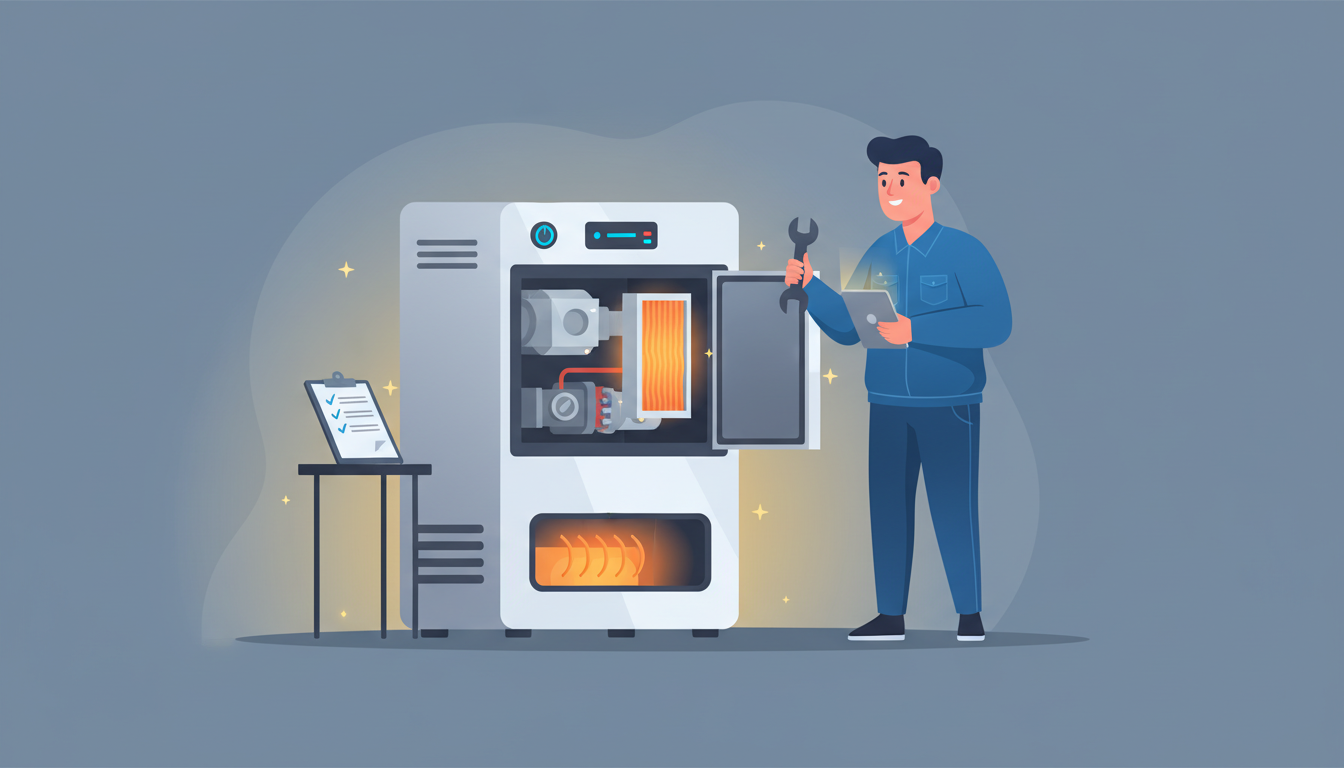
Regular furnace maintenance isn't just cleaning—it's a comprehensive system inspection that identifies failure points before they cause breakdowns. Here's exactly what proper maintenance prevents.
Heat Exchanger Cracks and Carbon Monoxide Leaks
Your heat exchanger is the most critical safety component in your furnace. It separates combustion gases from the air that circulates through your home. Small cracks can develop over time from normal wear, metal fatigue, or dirty burners that create hot spots.
During a maintenance visit, technicians inspect the heat exchanger for:
- Visible cracks or rust-through spots
- Discoloration indicating overheating
- Soot buildup suggesting incomplete combustion
- Flame pattern irregularities that signal damage
A cracked heat exchanger detected during fall maintenance costs $800-$1,500 to replace on your schedule. The same crack discovered during an emergency winter call? Add another $300-$500 for the urgent service, plus the very real danger of carbon monoxide exposure for your family.
Ignition System Failures
Modern furnaces use electronic ignition systems instead of standing pilot lights. These systems are reliable but have components that wear out, including ignitors, flame sensors, and control boards.
When these parts fail midseason, your furnace simply won't start. Regular maintenance catches early warning signs:
- Ignitors showing surface cracks or deterioration
- Flame sensors with heavy carbon buildup affecting sensitivity
- Control boards with corroded connections or loose wiring
- Gas valves sticking or responding slowly to commands
Replacing an ignitor during scheduled maintenance costs $150-$250. Emergency replacement of the same part during a winter breakdown? Expect $400-$600 or more.
Blower Motor and Fan Problems
Your blower motor runs every time your furnace cycles, making it one of the most-used components in your system. Motor bearings wear out, fan blades collect dust, and belts (on older systems) stretch or crack.
A comprehensive HVAC repair assessment during maintenance identifies:
- Motor bearings making unusual noises or running hot
- Fan blades bent or unbalanced from debris strikes
- Capacitors weakening and unable to start the motor reliably
- Dust buildup restricting airflow and making the motor work harder
When a blower motor fails midseason, you have no heat circulation even if the furnace ignites. Proactive replacement during maintenance gives you time to shop for parts and schedule service at standard rates instead of paying emergency pricing.
Thermostat Calibration Issues
Your thermostat is your furnace's control center, but calibration drift causes significant problems. A thermostat reading 2-3 degrees off creates short cycling—your furnace starts and stops repeatedly without completing proper heating cycles.
Short cycling causes multiple problems:
- Dramatically increased wear on all components
- Higher energy bills from inefficient operation
- Inconsistent temperatures throughout your home
- Premature failure of electrical components from repeated startups
Maintenance visits include thermostat testing and calibration, ensuring accurate temperature readings and proper communication with your furnace.
Air Filter and Airflow Restrictions
This seems simple, but clogged air filters are the leading cause of furnace breakdowns. When airflow is restricted, several things happen simultaneously:
- The heat exchanger overheats because insufficient air removes the heat it produces
- Your furnace's safety limit switch trips and shuts down the system repeatedly
- The blower motor works harder and overheats trying to pull air through the clog
- Ductwork pressure increases potentially causing leaks or disconnections
During peak heating season, air filters that normally last 90 days can clog in just 30-45 days. Professional maintenance includes filter replacement and airflow measurement to establish a baseline for your system.
The Complete Furnace Maintenance Checklist
Understanding what happens during a professional furnace tune-up helps you appreciate how comprehensive preventive maintenance really is. Here's what qualified HVAC technicians check during a standard service visit.
Combustion System Inspection
Your technician examines all combustion-related components:
- Burner assembly cleaning to ensure even, efficient flames
- Gas pressure testing to verify proper fuel delivery
- Flame sensor cleaning so the safety system works correctly
- Burner flame observation checking color, pattern, and stability
- Combustion air intake inspection for blockages or restrictions
Electrical System Testing
Electrical failures account for a significant percentage of winter breakdowns. Maintenance includes:
- All wire connections tightened and inspected for corrosion
- Control board testing to verify proper operation of all functions
- Capacitor testing using specialized meters to check capacity
- Blower motor amperage measured and compared to specifications
- Safety switch testing ensuring all limit controls function properly
Heat Exchanger Examination
This critical safety inspection uses multiple methods:
- Visual inspection with cameras to see inside the heat exchanger
- Flame pattern analysis to detect pressure differences from cracks
- Carbon monoxide testing in the flue and around the furnace
- Rust and corrosion assessment identifying areas of concern
Airflow and Ventilation Checks
Proper airflow affects efficiency, comfort, and equipment lifespan:
- Static pressure measurement in supply and return ducts
- Filter condition and sizing verification
- Blower wheel cleaning to remove accumulated dust and debris
- Vent pipe inspection ensuring safe exhaust of combustion gases
- Air intake screening checking for blockages or deterioration
System Performance Testing
After inspection and cleaning, technicians verify overall performance:
- Temperature rise measured across the heat exchanger
- Thermostat operation tested for accurate sensing and control
- Cycle timing observed to ensure proper operation duration
- Airflow balance checked throughout your ductwork system
- Energy efficiency compared to manufacturer specifications
When to Schedule Maintenance to Avoid Breakdowns
Timing matters when it comes to furnace maintenance. Schedule too early and minor issues might develop before heating season begins. Wait too long and you risk joining the crowd competing for service appointments.
The Ideal Maintenance Window
Early to mid-fall (September through early October) is the sweet spot for furnace maintenance. Here's why this timing works best:
- HVAC companies have availability before their busy season
- You can schedule service at your convenience, not theirs
- Any parts that need replacing can be ordered without urgency
- You have time to budget for unexpected repairs before cold weather hits
- Technicians can spend more time on your system without rushing to emergency calls
What About Spring Maintenance?
Some homeowners ask if spring maintenance works just as well. While it's better than nothing, spring servicing has significant drawbacks:
- Problems discovered in spring won't affect your heating for months, making them easy to forget
- Parts ordering and repairs face no urgency, leading to procrastination
- By the following fall, you're 18 months past inspection instead of 6-8 months
- You miss the opportunity to address issues before they cause winter breakdowns
For optimal protection, stick with fall maintenance performed 4-6 weeks before you expect to use your furnace regularly.
The Real Cost Comparison: Maintenance vs. Emergency Repairs
Numbers tell the story clearly. Regular maintenance costs a fraction of what you'll pay for emergency repairs, but the benefits go far beyond just avoiding breakdowns.
Annual Maintenance Investment
Here's what you actually pay for preventive service:
- Standard tune-up: $120-$200 annually
- Minor repairs found during inspection: $100-$300 average
- Total annual cost: $220-$500 for most homeowners
Emergency Breakdown Costs
Now compare that to midseason failure expenses:
- Emergency service call: $150-$300 just to diagnose
- After-hours or holiday rates: Often 1.5x to 3x normal pricing
- Common emergency repairs: $500-$2,000 per incident
- Temporary heating alternatives: $50-$200 while waiting for repairs
- Potential water damage: $1,000+ if pipes freeze during the outage
Long-Term Financial Benefits
The cost comparison extends far beyond emergency versus scheduled repairs:
Energy Efficiency Improvements
A well-maintained furnace operates 15-20% more efficiently than a neglected one. For a home spending $1,200 annually on heating, that's $180-$240 saved every year just from improved efficiency.
Extended Equipment Lifespan
Properly maintained furnaces last 18-22 years on average. Neglected systems fail after just 12-15 years. Delaying a $4,000-$6,000 furnace replacement by even 5 years provides massive long-term value.
Warranty Protection
Most furnace manufacturers require annual professional maintenance to keep warranties valid. Skip maintenance, and you might void coverage on a $5,000-$8,000 equipment replacement.
DIY Maintenance Tasks Between Professional Visits
While professional service is essential, homeowners can perform several maintenance tasks between annual tune-ups to reduce breakdown risk even further.
Monthly Air Filter Changes
This simple task prevents the majority of common furnace problems:
- Check your filter monthly during heating season
- Replace when you see visible dust or discoloration
- Use the correct size and MERV rating for your system
- Keep several spare filters on hand for quick changes
Regular Thermostat Checks
Verify your thermostat is working correctly:
- Test heating mode to ensure the furnace responds
- Listen for clicking sounds indicating proper relay operation
- Replace batteries annually in battery-powered models
- Keep the thermostat area clear of furniture or curtains that affect readings
Visual Safety Inspections
You don't need professional equipment to spot some problems:
- Look for rust or corrosion around the furnace cabinet
- Check for water pooling near the unit (condensation issues)
- Listen for unusual noises like grinding, squealing, or banging
- Smell for gas odors or burning smells that indicate problems
- Watch the flame color—it should be steady blue, not yellow or orange
Outdoor Intake and Exhaust Monitoring
High-efficiency furnaces have PVC pipes for air intake and exhaust:
- Keep these pipes clear of snow, ice, and debris
- Check that exhaust produces visible condensation in cold weather
- Ensure nothing blocks the area within 12 inches of pipe openings
- Look for ice buildup that could restrict airflow
Warning Signs Your Furnace Needs Immediate Attention
Even with regular maintenance, some problems develop quickly. Recognizing early warning signs lets you call for furnace repair service before a complete breakdown occurs.
Unusual Noises
Different sounds indicate specific problems:
- Grinding or scraping: Blower motor bearings failing
- Booming on startup: Delayed ignition from dirty burners
- Squealing or screeching: Belt slipping or motor bearings dry
- Rattling or banging: Loose components or ductwork issues
- Clicking without starting: Ignition system or gas valve problems
Performance Changes
These operational changes signal developing issues:
- Furnace cycles on and off repeatedly (short cycling)
- Takes longer than usual to reach set temperature
- Some rooms stay cold while others heat normally
- Furnace runs continuously without reaching desired temperature
- Noticeable decrease in airflow from registers
Energy Bill Increases
Your utility bills provide early warnings:
- Heating costs rise 15-20% without weather changes to explain it
- Bills increase despite maintaining the same thermostat settings
- Costs keep climbing month after month during the same season
Air Quality Indicators
Problems with combustion or airflow affect your home's air:
- Increased dust accumulation throughout your home
- Musty or burning odors when the furnace runs
- Excess humidity or condensation on windows
- Family members experiencing more respiratory irritation
When you notice any of these signs, don't wait until your next scheduled maintenance. Call a qualified HVAC technician promptly to diagnose and fix the problem before it causes a midseason breakdown.
How Maintenance Plans Provide Added Protection
Many HVAC companies offer maintenance plans that go beyond annual tune-ups, providing extra layers of protection against breakdowns.
What Maintenance Plans Include
Standard plans typically offer:
- Annual or bi-annual service visits scheduled automatically
- Priority scheduling when you need repairs
- Discounted repair rates typically 10-20% off standard pricing
- No trip charge fees for plan members
- Extended parts warranties beyond manufacturer coverage
The Priority Service Advantage
This benefit matters most during winter. When everyone's furnace seems to break on the coldest night, maintenance plan members get scheduled first while others wait days for service.
During peak season, this priority access can mean the difference between a few hours without heat versus a few days.
Plan Cost Analysis
Maintenance plans typically cost $15-$30 per month ($180-$360 annually). Compare this to:
- Annual tune-up: $120-$200
- Average service call savings: $50-$100
- Repair discount value: $30-$150 if repairs are needed
For homeowners who need even one repair during the year, maintenance plans usually pay for themselves while providing peace of mind and priority service.
FAQ About Furnace Maintenance and Breakdown Prevention
How often should a furnace be serviced to prevent breakdowns?
Your furnace needs professional maintenance once per year, ideally in early fall before heating season begins. Homes with pets, high dust levels, or continuous furnace operation may benefit from twice-yearly service visits. Between professional tune-ups, change air filters monthly and perform basic visual inspections.
Can I skip maintenance if my furnace seems to be working fine?
No. Most furnace problems develop gradually and aren't noticeable until they cause a breakdown. Heat exchanger cracks, ignition system deterioration, and blower motor wear all happen invisibly while your furnace appears to work normally. By the time you notice problems, you're facing expensive emergency repairs instead of affordable preventive maintenance.
What's the most common furnace problem that maintenance prevents?
Restricted airflow from dirty air filters causes more furnace breakdowns than any other single issue. When filters clog, heat exchangers overheat, safety limits trip repeatedly, and blower motors burn out from working too hard. Regular filter changes combined with annual professional cleaning prevent the vast majority of these failures.
Does furnace maintenance really save money on energy bills?
Yes. A well-maintained furnace operates 15-20% more efficiently than a neglected system. Dirty burners, restricted airflow, and worn components all force your furnace to work harder and consume more fuel to produce the same heat. For a typical home spending $1,200 annually on heating, maintenance saves $180-$240 per year through improved efficiency alone.
How long does a professional furnace tune-up take?
A thorough furnace maintenance visit typically takes 60-90 minutes. This includes inspection of all components, cleaning of burners and blower, testing of safety systems, airflow measurement, and performance verification. Technicians who finish in 15-20 minutes aren't performing comprehensive service—they're likely just changing the filter and doing a quick visual check.
Protect Your Home with Proactive Furnace Maintenance
Midseason furnace breakdowns aren't inevitable. They're preventable consequences of deferred maintenance, and they're completely avoidable with a simple annual service plan.
The choice is clear: invest $150-$200 annually for professional maintenance, or risk spending $500-$2,000 on emergency repairs when your furnace fails on the coldest night of winter. Factor in the energy savings, extended equipment lifespan, and peace of mind from knowing your family will stay warm all season, and preventive maintenance becomes one of the smartest investments you can make in your home.
Don't wait for strange noises or cold rooms to tell you something's wrong. Schedule your fall furnace maintenance now, before the heating season rush begins. Your future self—warm and comfortable in January—will thank you.
Ready to prevent the next furnace breakdown? Contact a qualified HVAC professional today to schedule your comprehensive furnace tune-up and keep your home warm all winter long.