Hard-Starting Compressor? What It Means for Your Repair
Hard-Starting Compressor? What It Means for Your Repair
Is your air conditioner making unusual clicking noises when it tries to start? Does it take several attempts before your AC kicks on, or does it start and then immediately shut off? If so, you're dealing with a hard starting compressor—one of the most common HVAC problems that can quickly escalate from a minor annoyance to a complete system breakdown if left unaddressed.
Understanding what causes a hard starting compressor and knowing your repair options can save you hundreds, even thousands of dollars in unnecessary replacements. Let's break down everything you need to know about this frustrating issue and how to fix it.
What Is a Hard Starting Compressor?
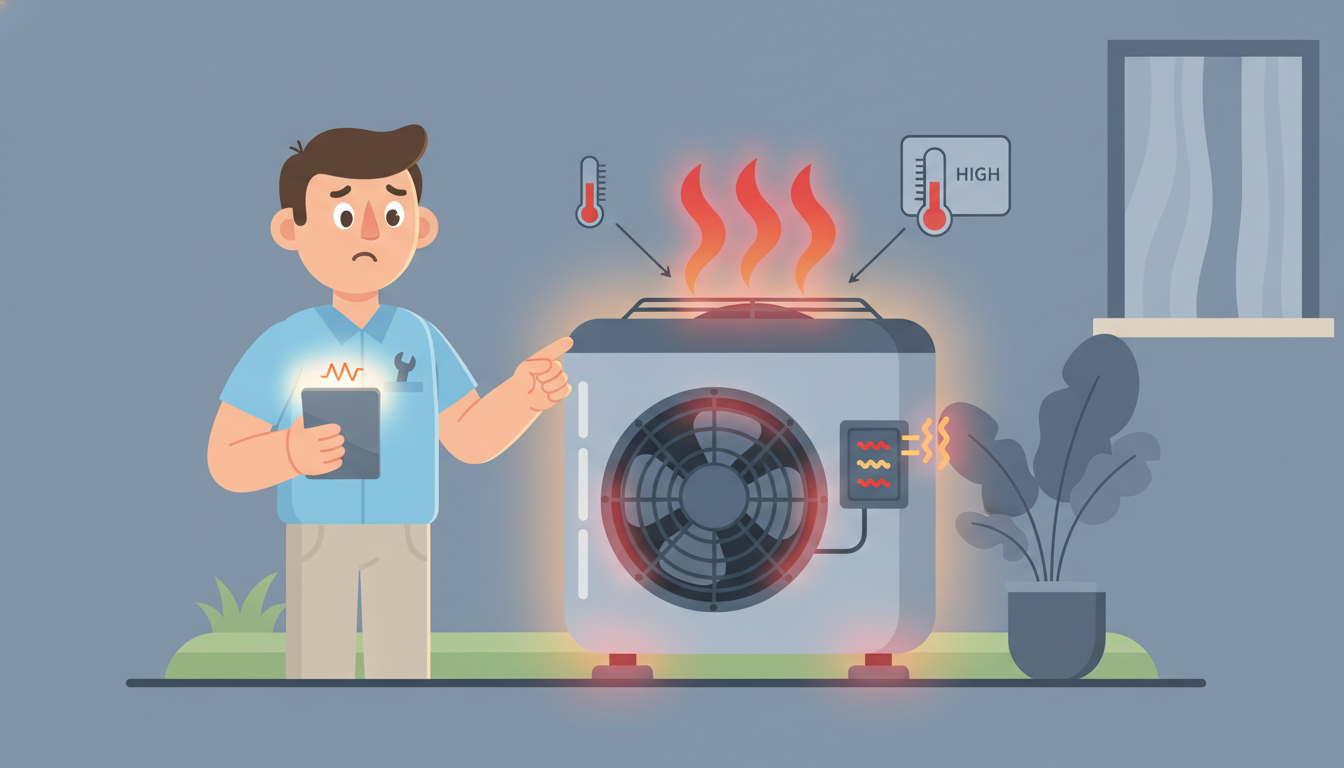
A hard starting compressor struggles to begin its cooling cycle when your thermostat calls for cooling. Instead of starting smoothly and quietly, the compressor motor hesitates, hums loudly, or makes repeated clicking sounds as it tries to engage.
In a properly functioning air conditioning system, the compressor motor should start within 1-2 seconds of receiving the signal from your thermostat. When hard starting occurs, this process can take 5-10 seconds or longer—and sometimes the compressor fails to start at all.
This isn't just an inconvenience. Every failed start attempt puts tremendous stress on your compressor motor and the electrical components that support it.
Common Signs Your Compressor Is Hard Starting
Watch for these warning signs that indicate your AC compressor is struggling to start:
- Clicking or chattering sounds from the outdoor unit when your AC tries to start
- Loud humming noise that lasts several seconds before the compressor engages
- Lights dimming in your home when the AC attempts to start
- Repeated on-off cycling where the compressor starts then stops immediately
- Longer startup times than usual before cold air begins flowing
- Circuit breaker tripping when your AC tries to start
If you notice any of these symptoms, your compressor is sending you a clear message that something's wrong. The good news? Catching these signs early often means simpler, less expensive repairs.
What Causes a Hard Starting Compressor?
Understanding the root cause is essential for choosing the right repair approach. Here are the most common culprits behind HVAC compressor problems:
Failing Start Capacitor
Your start capacitor is like a battery that gives your compressor motor the electrical boost it needs to overcome inertia and begin spinning. Over time, capacitors weaken and lose their ability to store and discharge energy effectively.
A weak start capacitor can't provide enough voltage to get your compressor motor moving, resulting in hard starting. Capacitors typically last 10-20 years, but extreme heat, power surges, and frequent cycling can shorten their lifespan significantly.
Electrical Issues and Low Voltage
Loose wire connections, corroded terminals, or inadequate electrical voltage can all contribute to compressor starting problems. Your compressor requires a specific voltage level to start—usually around 220-240 volts for residential systems.
When voltage drops below this threshold (often due to high electricity demand in your neighborhood during summer), your compressor struggles to start. This is why hard starting issues often worsen during peak cooling season.
Loss of Compressor Lubrication
Inside your compressor, metal parts move at high speeds and create friction. Refrigerant oil keeps these components lubricated and running smoothly. Over time, oil can break down, leak out, or become contaminated.
When lubrication decreases, internal components create more resistance, making it harder for the motor to spin up. This condition—sometimes called a "tight compressor"—places extra strain on the starting system and can lead to motor burnout if not addressed.
Worn or Faulty Starting Relay
The starting relay is an electrical switch that controls when your start capacitor engages. A malfunctioning relay may not send the signal at the right time, or it may fail to engage the capacitor at all.
Relays can stick in the open or closed position, burn out from electrical arcing, or simply wear out after years of operation. When this happens, even a good capacitor can't help your compressor start properly.
High Head Pressure
If your compressor shuts off while still under pressure and then tries to restart too quickly, it encounters resistance from refrigerant still trapped in the system. The motor must work much harder to overcome this "high head pressure."
This is why many AC systems include a time delay relay that prevents the compressor from restarting for several minutes after shutdown, allowing pressures to equalize throughout the system.
How Serious Is This Problem?
A hard starting compressor isn't just annoying—it's actively damaging your air conditioning system every time it struggles to start.
Each failed start attempt creates heat in the motor windings and electrical components. This heat breaks down insulation, weakens connections, and accelerates wear on parts that would normally last for years.
More importantly, the electrical current drawn during a hard start is several times higher than normal operating current. This spike can damage other components in your HVAC system, including the contactor, thermostat, and even your home's electrical panel.
If left unrepaired, a hard starting compressor will eventually fail completely. Compressor replacement is one of the most expensive HVAC repairs, often costing $1,500-$3,000 or more depending on your system size and refrigerant type.
Can You Keep Running Your AC With Hard Starting Issues?
Technically, yes—but you definitely shouldn't.
Continuing to operate your air conditioner with a hard starting compressor is like driving a car with a failing starter motor. It might work today, but each attempt brings you closer to complete failure. And when that failure happens, it's usually at the worst possible time—during a heat wave when HVAC technicians are booked solid and emergency service calls come with premium pricing.
Additionally, hard starting significantly increases your energy consumption. Those repeated startup attempts draw massive amounts of electricity, potentially adding 20-30% to your cooling costs during the months you're using your AC heavily.
Repair Options: How to Fix a Hard Starting Compressor
The good news is that many hard starting issues can be fixed without replacing your entire compressor. Here are the most common repair solutions:
Installing a Hard Start Kit
A hard start kit is the most popular and effective solution for compressor hard starting. This aftermarket device consists of a start capacitor and a potential relay that work together to provide an extra electrical boost during startup.
Think of it as a turbocharger for your compressor motor. The hard start kit multiplies the starting torque available to your compressor, allowing it to overcome internal resistance and high head pressure much more easily.
Benefits of a Hard Start Kit:
- Reduces startup time by 50% or more
- Decreases stress on motor windings and electrical components
- Lowers starting current draw, reducing strain on your electrical system
- Extends compressor lifespan by reducing heat buildup during starts
- Relatively inexpensive compared to compressor replacement
Installation Cost: Professional installation of a hard start kit typically runs $150-$350, depending on your location and the specific kit required for your system. Some HVAC technicians include this as part of a broader service call.
Important Note: A hard start kit won't fix a compressor that's already mechanically damaged or severely worn. It's most effective when installed early, before hard starting causes permanent damage.
Replacing the Start Capacitor
If diagnostic testing reveals that your existing start capacitor is weak, swollen, or leaking, replacement is usually the first step. This is one of the simpler and more affordable compressor repairs.
A new capacitor restores the proper voltage boost to your motor, often eliminating hard starting immediately. Capacitor replacement costs typically range from $100-$250, including the part and labor.
Your HVAC technician will test your capacitor's microfarad (μF) rating to ensure it's within the manufacturer's specified range. Even a 10-15% deviation can cause starting problems.
Checking and Tightening Electrical Connections
Loose or corroded wire connections create resistance in the electrical circuit, reducing the voltage available to your compressor motor. An experienced technician will inspect all connections to your compressor, contactor, and capacitor, cleaning corrosion and tightening any loose terminals.
This is often included as part of regular AC maintenance, but if it's been neglected, addressing these connections alone can sometimes resolve hard starting issues.
Replacing the Starting Relay
A faulty relay prevents your start capacitor from engaging properly. Relay replacement is typically quick and inexpensive—usually $75-$150 when performed during a service call.
Your technician can test the relay with a multimeter to check for proper continuity and switching behavior. If the relay doesn't click or shows infinite resistance, replacement is necessary.
Adding Refrigerant and Checking for Leaks
While not directly related to starting, low refrigerant can contribute to compressor problems. If your system is undercharged, the compressor must work harder, potentially exacerbating hard starting issues.
A complete AC inspection should include checking refrigerant levels and testing for leaks. If refrigerant is low, simply adding more without fixing the leak is a temporary band-aid. Proper leak repair and refrigerant recharge typically costs $200-$500 depending on the location and severity of the leak.
When Compressor Replacement Is Necessary
Sometimes, the compressor itself is too far gone to save. If your technician finds that the motor windings are burned, the compressor is seized, or internal damage is severe, replacement becomes the most cost-effective option.
Signs that point to compressor replacement include:
- Compressor won't start at all, even with a hard start kit
- Burning smell from the outdoor unit
- Compressor shell is extremely hot to touch
- Oil leaking from the compressor
- Electrical short detected in motor windings
Compressor replacement is a major job, often costing $1,500-$3,000 for the part and labor. For older systems (10+ years), it's worth comparing this cost to full system replacement, which may be more economical in the long run.
DIY vs. Professional Repair: What You Need to Know
While some homeowners feel comfortable with basic AC maintenance, hard starting compressor issues require professional diagnosis and repair. Here's why:
Why This Isn't a DIY Job:
- Requires specialized testing equipment (multimeters, capacitor testers)
- Involves working with high voltage electrical components (240V)
- Capacitors store dangerous electrical charges even when power is off
- Misdiagnosis can lead to unnecessary parts replacement or further damage
- Refrigerant handling requires EPA certification
What You Can Do:
- Keep the condenser unit clear of debris and vegetation
- Change your air filter regularly
- Monitor for warning signs and report them promptly
- Schedule annual preventive maintenance
Attempting to diagnose or repair a hard starting compressor yourself isn't just difficult—it's potentially dangerous. Capacitors can hold a lethal electrical charge hours after power is disconnected, and improper handling can result in serious injury.
Preventing Hard Starting Issues
While some compressor problems are inevitable as systems age, these preventive steps can significantly reduce your risk of hard starting issues:
Schedule Annual Professional Maintenance: A yearly tune-up allows your HVAC technician to test capacitors, check electrical connections, measure voltage, and catch developing problems before they cause failures. Most hard starting issues show warning signs months before complete failure.
Replace Your Air Filter Regularly: A clogged filter restricts airflow, making your compressor work harder and run longer. This extra stress contributes to premature wear on starting components. Change standard 1-inch filters monthly during heavy use, or every 2-3 months during lighter seasons.
Keep Your Condenser Unit Clean: Dirt, leaves, and debris on your condenser coils reduce heat transfer efficiency, forcing your compressor to run longer cycles. Rinse your condenser coils with a garden hose twice per year (spring and fall) to maintain optimal airflow.
Don't Overwork Your System: Setting your thermostat at 68°F on a 100°F day forces your compressor to run almost continuously, creating excessive wear. Keep your thermostat at 72-75°F for better efficiency and component longevity.
Consider a Hard Start Kit as Preventive Measure: If your compressor is 8-10 years old or you live in an area with frequent power surges, installing a hard start kit before problems develop can extend your compressor's life by several years.
Address Small Problems Quickly: That subtle clicking noise or slightly longer startup time is your system's early warning system. Addressing these minor symptoms promptly often prevents expensive repairs later. If you notice your blower motor not working or your indoor fan won't turn on, these could be related issues that deserve immediate attention.
How Long Will a Compressor Last After Hard Starting Begins?
This depends on several factors, including how severe the hard starting is and how quickly you address it.
In the best-case scenario—where you catch the problem early and install a hard start kit or replace a failing capacitor—your compressor could continue running reliably for another 5-10 years.
In the worst-case scenario—where hard starting is ignored and the compressor continues struggling for months—you might see complete failure within 6-12 months. Each failed start attempt generates heat that damages motor windings. Once this damage accumulates, failure becomes inevitable.
The takeaway? Time is not on your side when dealing with a hard starting compressor. Early intervention makes all the difference between a $200 repair and a $2,500 replacement.
Cost Breakdown: Repair vs. Replacement
Understanding the financial implications helps you make informed decisions about your HVAC system:
Minor Repairs:
- Capacitor replacement: $100-$250
- Relay replacement: $75-$150
- Electrical connection service: $100-$200
- Hard start kit installation: $150-$350
Major Repairs:
- Compressor replacement: $1,500-$3,000
- Full condenser unit replacement: $2,000-$4,500
- Complete HVAC system replacement: $5,000-$12,000+
For systems under 8 years old with no other significant issues, investing in repairs usually makes sense. For systems 12+ years old with multiple problems, replacement may be more economical.
Is Hard Starting Covered by Warranty?
This depends on your specific warranty coverage:
Manufacturer's Warranty: Most compressors come with a 5-10 year parts warranty from the manufacturer. This typically covers the compressor itself if it fails due to manufacturing defects, but doesn't cover capacitors, relays, or labor costs.
Labor Warranty: Some HVAC contractors offer labor warranties (1-2 years) on installation work. Hard starting issues that develop shortly after installation may be covered.
Home Warranty Plans: If you have a home warranty that includes HVAC coverage, hard starting repairs may be covered subject to your deductible. However, coverage limits often range from $500-$1,500, which may not cover major repairs.
What's Usually NOT Covered:
- Normal wear and tear on capacitors and relays
- Damage from lack of maintenance
- Issues caused by power surges or electrical problems
- Labor costs after warranty period expires
Always review your specific warranty documents and consult with your HVAC contractor to understand what's covered before authorizing repairs.
When to Call for Emergency Service
Most hard starting situations aren't true emergencies, but these scenarios warrant immediate professional attention:
- Burning smell from your outdoor unit
- Smoke coming from the compressor or electrical components
- Loud banging or grinding noises that persist after startup
- Repeatedly tripped circuit breaker that won't stay reset
- Compressor shell extremely hot to the touch after failed start attempts
These symptoms indicate serious electrical problems or imminent compressor failure. Continuing to operate your system in these conditions creates fire risk and can cause cascading damage to other components.
For standard hard starting symptoms (clicking, delayed starts, humming), schedule service within 1-2 days rather than waiting weeks. The problem won't improve on its own, and early diagnosis typically results in less expensive repairs.
Frequently Asked Questions
How much does it cost to fix a hard starting compressor?
Minor repairs like capacitor or relay replacement typically cost $100-$350. Installing a hard start kit runs $150-$350. If the compressor itself needs replacement, expect $1,500-$3,000 for parts and labor. The exact cost depends on your system type, local labor rates, and the severity of the problem.
Can I install a hard start kit myself?
While technically possible for someone with electrical experience, it's not recommended. You'll be working with high-voltage components and capacitors that can hold dangerous charges even when power is off. Improper installation can damage your compressor or create safety hazards. Professional installation ensures proper sizing and placement while maintaining warranty coverage.
Will a hard start kit fix my problem permanently?
A hard start kit effectively addresses hard starting caused by weak capacitors, high head pressure, or minor compressor wear. It's not a cure for a mechanically damaged or severely worn compressor. When installed early in the problem, a hard start kit can extend your compressor's life by 5-10 years. If installed after significant damage has occurred, it may provide only temporary relief.
What does a hard starting compressor sound like?
You'll typically hear clicking or chattering sounds as the contactor repeatedly tries to engage, followed by loud humming as the motor struggles to spin up. Some systems produce a buzzing or growling noise. If your compressor successfully starts, you might hear a hard "clunk" when it finally engages. These sounds are distinctly different from normal operation, which should be relatively quiet with just the fan and compressor running smoothly.
How long can I wait before fixing this issue?
While you can technically operate your AC with hard starting issues for weeks or months, doing so risks permanent compressor damage and higher energy bills. Each hard start attempt generates heat that degrades motor insulation and weakens electrical components. Most HVAC technicians recommend addressing hard starting within 1-2 weeks of noticing symptoms to prevent minor issues from becoming major failures.
Take Action Before It's Too Late
A hard starting compressor is your air conditioning system's cry for help. Whether it needs a simple capacitor replacement, a hard start kit installation, or a more comprehensive repair, addressing the problem promptly protects your investment and keeps your home comfortable.
Don't wait until your compressor fails completely on the hottest day of summer. If you're experiencing any of the warning signs discussed in this article, schedule a professional diagnostic today.
Regular maintenance and prompt attention to developing problems are the keys to maximizing your HVAC system's lifespan and minimizing repair costs. Your compressor—and your wallet—will thank you.