Heat Pump Thermostat Problems That Cause Comfort Issues
Heat Pump Thermostat Problems That Cause Comfort Issues
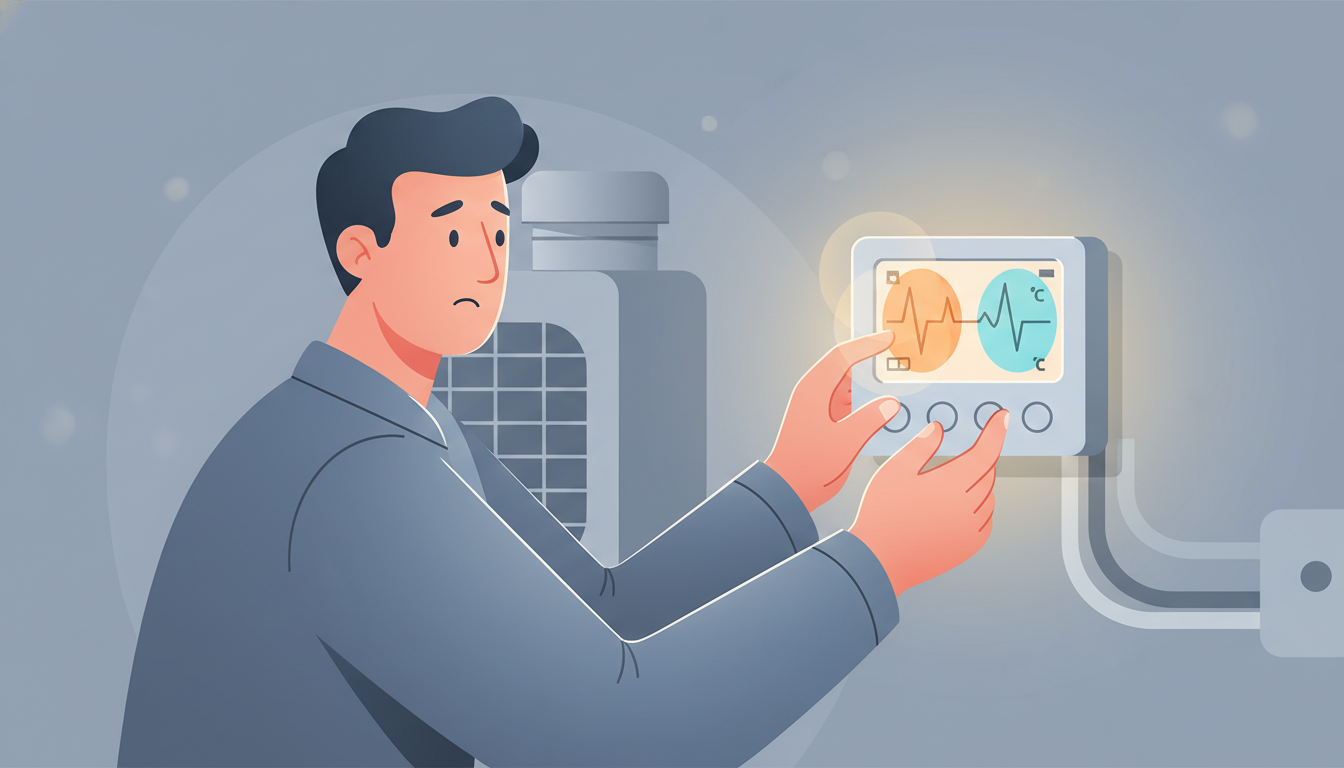
Is your heat pump leaving you too hot, too cold, or constantly adjusting the temperature? The culprit might not be your heat pump itself—it's likely your thermostat. Heat pump thermostat problems are one of the most common causes of comfort issues in homes, leading to temperature fluctuations, higher energy bills, and an HVAC system that just won't cooperate with your comfort needs.
In this guide, we'll walk you through the most common heat pump thermostat problems that disrupt your home comfort, how to identify them, and what you can do to fix them. Whether you're dealing with incorrect temperature readings, a system that won't respond, or auxiliary heat running nonstop, we've got the solutions you need.
Why Your Thermostat Is Critical to Heat Pump Performance
Your thermostat is the brain of your heat pump system. It tells your heat pump when to heat, when to cool, and when to switch to auxiliary or emergency heat. When your thermostat malfunctions or is incorrectly configured, it sends the wrong signals—or no signals at all—to your heat pump.
The result? Uncomfortable temperatures, wasted energy, and a system that cycles on and off too frequently. Understanding how heat pump thermostat problems affect your comfort is the first step to getting your home back to the temperature you want.
Common Heat Pump Thermostat Problems That Affect Comfort
1. Incorrect Temperature Readings
One of the most frustrating heat pump thermostat problems is when your thermostat displays one temperature, but your home feels completely different. This happens when the temperature sensor inside your thermostat becomes inaccurate or fails.
Why This Causes Comfort Issues:
- Your heat pump turns off before reaching your desired temperature
- You experience constant temperature swings
- Some rooms feel colder or warmer than the thermostat setting
- Your system overshoots the set temperature, making your home too hot or too cold
Common Causes:
- Dirty or failing temperature sensor
- Thermostat installed in a poor location (near drafts, direct sunlight, or heat sources)
- Aging thermostat components
- Dust buildup inside the thermostat
Quick Fix: Clean your thermostat with a soft brush or compressed air. If the problem persists, check the thermostat location—it should be on an interior wall away from windows, doors, and heat sources. For persistent issues, you may need professional HVAC repair to recalibrate or replace the sensor.
2. Heat Pump Not Responding to Thermostat Commands
When you adjust your thermostat but nothing happens, it's one of the most common heat pump thermostat problems. Your system simply doesn't respond to temperature changes, leaving you stuck at an uncomfortable temperature.
Why This Causes Comfort Issues:
- You can't control your indoor temperature
- Your heat pump won't turn on when you need heating or cooling
- Manual adjustments have no effect on system operation
- You're left waiting for comfort that never arrives
Common Causes:
- Dead or weak thermostat batteries
- Tripped circuit breaker cutting power to the thermostat or heat pump
- Loose or corroded thermostat wiring
- Failed control board in the heat pump
- Communication errors between the thermostat and HVAC system
Troubleshooting Steps:
- Replace the thermostat batteries (if applicable)
- Check your circuit breaker panel for tripped breakers
- Verify the thermostat is receiving power (check for display)
- Inspect visible wiring for loose connections
- Try resetting the thermostat to factory settings
If none of these steps work, you likely need professional heat pump repair to diagnose wiring or control board issues.
3. Auxiliary or Emergency Heat Running Constantly
Heat pumps have auxiliary heat (also called backup heat or emergency heat) that kicks in when temperatures drop too low for the heat pump to work efficiently. However, if your auxiliary heat runs constantly, it's a major thermostat problem that destroys your comfort and your budget.
Why This Causes Comfort Issues:
- Dramatically higher energy bills (auxiliary heat uses 2-3x more electricity)
- Uneven heating throughout your home
- Excessive wear on your HVAC system
- Your heat pump isn't working as designed
Common Causes:
- Thermostat temperature differential set too narrow
- Incorrect thermostat settings for heat pump operation
- Thermostat not programmed for heat pump mode
- Outdoor temperature sensor failure
- Heat pump reversing valve stuck or failing
How to Fix It: Check your thermostat settings to ensure it's in "heat pump" mode, not "emergency heat" mode. Review your temperature differential settings—most heat pumps work best with a 1-2 degree differential. If you have a smart thermostat, verify it's configured for heat pump operation in the settings menu.
For more guidance on proper settings, check out our guide on heat pump thermostat settings.
4. Short Cycling (Heat Pump Turns On and Off Frequently)
Short cycling is when your heat pump turns on, runs for a minute or two, then shuts off, only to repeat the cycle shortly after. This thermostat problem creates inconsistent comfort and puts enormous stress on your system.
Why This Causes Comfort Issues:
- Temperature never stabilizes at your desired setting
- Constant temperature fluctuations
- Increased humidity levels
- Loud, disruptive cycling noises
- Dramatically shortened equipment lifespan
Common Causes:
- Thermostat placed in a bad location (near heat sources or drafts)
- Oversized heat pump for your home
- Dirty air filter restricting airflow
- Thermostat anticipator set incorrectly (older thermostats)
- Malfunctioning temperature sensor
Solutions: Start by replacing your air filter and ensuring all vents are open and unobstructed. Clean your thermostat and verify its location is appropriate. For programmable and smart thermostats, check the cycle rate settings and adjust if necessary.
5. Thermostat Won't Reach Set Temperature
You set your thermostat to 72°F, but your home never gets warmer than 68°F. Or in summer, you want 74°F but it stays at 78°F. This is one of the most aggravating heat pump thermostat problems because you're paying for comfort you're not getting.
Why This Causes Comfort Issues:
- Perpetually uncomfortable indoor temperature
- Feeling like your heat pump is always running but never achieving results
- Higher energy bills with nothing to show for it
- Frustration and second-guessing your HVAC investment
Common Causes:
- Thermostat heat anticipator needs adjustment
- Temperature sensor out of calibration
- Improper thermostat wiring (especially C-wire issues)
- Heat pump capacity insufficient for extreme weather
- Refrigerant leak or compressor issue (not thermostat-related)
What to Do: First, verify your thermostat is properly calibrated by placing a separate thermometer near it and comparing readings. If there's a significant difference, the thermostat may need recalibration or replacement. Also check if your heat pump is sized appropriately for your home—an undersized system will struggle in extreme temperatures regardless of thermostat settings.
6. Smart Thermostat Compatibility Issues
Smart thermostats offer incredible convenience and energy savings, but they can create unique heat pump thermostat problems if not properly installed or configured for heat pump systems.
Why This Causes Comfort Issues:
- System doesn't operate in heat pump mode
- Auxiliary heat activates unnecessarily
- Schedules don't work as programmed
- Geofencing features trigger at wrong times
- Lost Wi-Fi connection means lost control
Common Causes:
- Missing C-wire (common wire) for continuous power
- Smart thermostat not configured for heat pump in settings
- Incompatible thermostat model for your specific heat pump
- Software bugs or outdated firmware
- Incorrect wiring during DIY installation
Solutions: Verify your smart thermostat is compatible with heat pumps and properly configured. Most smart thermostats have a dedicated "heat pump" setting in the installation menu. Ensure you have a C-wire installed—many smart thermostats require continuous power to function properly. Update your thermostat firmware regularly to fix bugs and improve performance.
7. Temperature Swings and Overshooting
Your heat pump thermostat should maintain a steady temperature with minimal fluctuation. If you're experiencing wild temperature swings—your home getting several degrees warmer or colder than your setpoint before the system reacts—you have a comfort-killing thermostat problem.
Why This Causes Comfort Issues:
- Constantly feeling too hot or too cold
- Unable to maintain consistent comfort
- Difficulty sleeping due to temperature changes
- Excessive energy consumption
Common Causes:
- Temperature differential (swing) set too wide
- Poor thermostat location near temperature extremes
- Malfunctioning anticipator function
- Slow sensor response time
- Incompatible thermostat for heat pump operation
How to Fix It: Most programmable thermostats allow you to adjust the temperature differential or "swing" setting. For heat pumps, a 1-degree swing typically provides the best balance of comfort and efficiency. Check your thermostat manual for how to adjust this setting.
DIY Troubleshooting Steps for Heat Pump Thermostat Problems
Before calling a professional, try these troubleshooting steps to identify and potentially fix your heat pump thermostat problems:
Step 1: Check the Basics
- Replace thermostat batteries
- Verify the thermostat display is on
- Check circuit breakers for tripped switches
- Ensure your thermostat is set to the correct mode (heat, cool, or auto)
Step 2: Clean Your Thermostat
Dust and debris can interfere with temperature sensors. Remove the thermostat cover and gently clean the interior with compressed air or a soft brush.
Step 3: Verify Proper Settings
- Confirm your thermostat is in "heat pump" mode
- Check temperature differential settings
- Review scheduled temperatures and times
- Ensure emergency/auxiliary heat isn't manually activated
Step 4: Test Temperature Accuracy
Place an accurate thermometer next to your thermostat. Wait 15 minutes and compare readings. A difference of more than 1-2 degrees indicates a calibration problem.
Step 5: Inspect Visible Wiring
Turn off power to your HVAC system at the breaker. Remove the thermostat cover and look for loose, corroded, or damaged wires. Tighten any loose connections (but don't attempt rewiring if you're not confident).
Step 6: Try a Factory Reset
Many thermostat problems can be resolved with a simple reset to factory settings. Check your thermostat manual for the reset procedure (usually involves holding specific buttons or flipping a switch).
When to Call a Professional for Heat Pump Thermostat Problems
While many heat pump thermostat problems can be DIY-fixed, some situations require professional expertise:
Call an HVAC technician when:
- You've tried basic troubleshooting without success
- You see sparking, burning smells, or hear unusual noises from the thermostat
- Wiring appears damaged or you're uncomfortable working with electrical components
- Your heat pump runs but produces no heating or cooling despite correct thermostat settings
- You need thermostat rewiring or C-wire installation
- Your system is less than 5 years old and having repeated problems (could be warranty issue)
- Multiple thermostats control different zones and aren't working properly
A qualified HVAC professional can diagnose complex wiring issues, test system components, check refrigerant levels, and determine whether your thermostat needs repair or replacement.
Preventing Future Thermostat Problems
Once you've resolved your current heat pump thermostat problems, take these steps to prevent future comfort issues:
Regular Maintenance
- Replace thermostat batteries annually (or as needed)
- Clean your thermostat every 6 months
- Schedule annual HVAC maintenance to catch small issues before they become big problems
- Update smart thermostat software when updates are available
Optimal Thermostat Placement
If you're installing a new thermostat, location matters:
- Install on an interior wall away from windows and doors
- Keep away from heat sources (lamps, appliances, direct sunlight)
- Avoid locations with poor air circulation
- Mount at eye level (about 52-60 inches from the floor)
- Don't install in hallways, near stairs, or in rarely-used rooms
Proper Programming
- Set realistic temperature expectations for extreme weather
- Use gradual temperature changes rather than large swings
- Program seasonal schedules to match your heat pump's optimal operation
- Avoid frequent manual overrides that confuse learning thermostats
Choose the Right Thermostat
Not all thermostats work well with heat pumps. When upgrading:
- Verify heat pump compatibility before purchasing
- Look for thermostats specifically designed for heat pump systems
- Consider models with adaptive recovery to reach target temperature at the right time
- Ensure the thermostat supports auxiliary heat staging
FAQ: Heat Pump Thermostat Problems
Why does my heat pump thermostat show the wrong temperature?
Your thermostat may show the wrong temperature due to a dirty or failing temperature sensor, poor thermostat placement near heat sources or drafts, or calibration issues. Clean the thermostat first, then verify its location is appropriate. If the problem persists, you may need professional calibration or thermostat replacement.
How do I know if my thermostat or heat pump is the problem?
To determine if it's a thermostat or heat pump issue, try these tests: Check if the thermostat display works (if blank, it's likely the thermostat). Listen for clicking sounds when you change settings (clicking means the thermostat is sending signals). If your heat pump doesn't respond despite the thermostat working, the problem is likely with the heat pump itself.
Can a bad thermostat damage my heat pump?
Yes, a malfunctioning thermostat can damage your heat pump by causing short cycling (frequent on/off cycles), running auxiliary heat constantly, or preventing proper defrost cycles. These issues put excessive strain on the compressor and other components, potentially shortening your heat pump's lifespan significantly.
Why does my auxiliary heat keep coming on?
Auxiliary heat may activate constantly due to incorrect thermostat settings, too narrow of a temperature differential, outdoor temperatures below your heat pump's effective range, or a thermostat not properly configured for heat pump operation. Check that your thermostat is in heat pump mode, not emergency heat mode.
How often should I replace my heat pump thermostat?
Most thermostats last 10-15 years with proper maintenance. However, you should consider replacing your thermostat sooner if you're experiencing frequent comfort problems, your thermostat is incompatible with your current heat pump, or you want to upgrade to a programmable or smart thermostat for better efficiency and control.
Restore Your Comfort Today
Heat pump thermostat problems don't have to leave you uncomfortable in your own home. By understanding the most common issues—from incorrect temperature readings to auxiliary heat running constantly—you can take action to diagnose and fix these problems quickly.
Start with the DIY troubleshooting steps outlined above, paying special attention to basic maintenance like battery replacement, cleaning, and verifying proper settings. Many thermostat problems have simple solutions that take just minutes to implement.
However, if you've tried troubleshooting without success or you're dealing with complex wiring issues, don't hesitate to call a professional HVAC technician. The cost of a service call is far less than the energy waste from a malfunctioning thermostat or the expense of replacing a heat pump damaged by thermostat problems.
Your home comfort matters. Take control of your heat pump thermostat problems today and enjoy consistent, reliable temperature control all year long.