
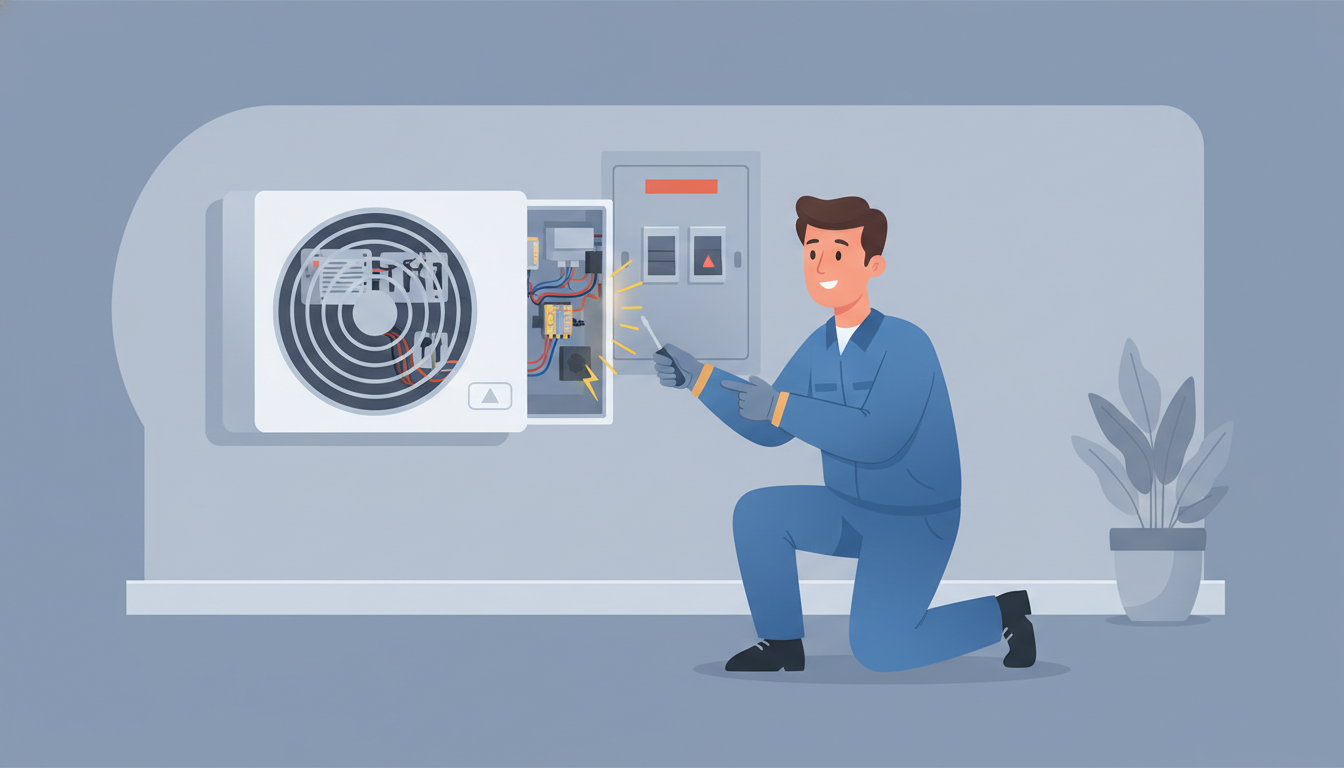
Why Does My Heat Pump Trip the Breaker? Common Causes & Solutions
Why Does My Heat Pump Trip the Breaker? Common Causes & Solutions
If your heat pump keeps tripping the breaker, you're likely frustrated and worried about your comfort and safety. A circuit breaker that trips repeatedly isn't just an inconvenience—it's a warning sign that something's wrong with your HVAC system or electrical setup. In this guide, we'll walk you through the most common causes of a heat pump tripping breaker and what you can do to fix the problem.
Understanding How Circuit Breakers Protect Your Home
Before we dive into the causes, it's helpful to understand what's happening when your heat pump trips the breaker. Your circuit breaker acts as a safety device in your electrical panel. When it detects an overload or a dangerous surge in electrical current, it automatically shuts off power to prevent overheating, electrical fires, or damage to your equipment.
When your heat pump draws more electricity than the circuit is designed to handle, the breaker "trips" and cuts power. This is actually your breaker doing its job—protecting your home from potential hazards. However, if your heat pump trips breaker repeatedly, it means there's an underlying issue that needs attention.
Common Reasons Your Heat Pump Keeps Tripping the Breaker
Let's explore the most frequent culprits behind a heat pump tripping breaker and what each problem means for your system.
1. Dirty or Clogged Air Filter
One of the simplest yet most common causes is a dirty air filter. When your filter becomes clogged with dust, pet hair, and debris, it restricts airflow through your system. This forces your heat pump to work harder and run longer to maintain your desired temperature.
The extra strain causes your system to draw more electrical current, which can overload the circuit and trip the breaker. This is especially common if you haven't changed your filter in several months.
What to do: Check your air filter monthly and replace it every 1-3 months, depending on usage and household conditions. This simple maintenance step can prevent many breaker trips.
2. Faulty or Failing Compressor
Your compressor is the heart of your heat pump, circulating refrigerant throughout the system. When a compressor begins to fail or experiences hard-starting issues, it draws excessive electrical current during startup. This surge in amperage draw can easily trip your circuit breaker.
Compressor problems are more common in older heat pumps or systems that haven't received regular maintenance. You might notice the breaker trips immediately when your heat pump tries to start, or the unit makes unusual grinding or clicking sounds before shutting down.
What to do: A failing compressor requires professional diagnosis and repair. Don't attempt to reset the breaker repeatedly—this can cause further damage to the compressor and other electrical components.
3. Bad Capacitor
The capacitor in your heat pump provides the electrical boost needed to start the compressor and fan motors. When a capacitor fails or weakens, your motors struggle to start properly and draw more power than normal. This increased electrical demand can cause your heat pump trips circuit breaker.
Capacitor failure is common in HVAC systems and becomes more likely as your equipment ages. Signs include a humming sound when the unit tries to start but doesn't turn on, or the system taking several attempts to get running.
What to do: Capacitors contain electrical charges even when power is off, making DIY replacement dangerous. Call an HVAC technician to test and replace faulty capacitors safely.
4. Frozen Evaporator Coils
When your heat pump's evaporator coils freeze, your system has to work overtime to function properly. Frozen coils are typically caused by restricted airflow (often from a dirty filter), low refrigerant levels, or problems with the defrost cycle.
The ice buildup forces your heat pump to run longer and work harder, increasing electrical consumption and potentially tripping the breaker. This problem is more common in winter when heat pumps naturally encounter more moisture.
What to do: If you notice ice on your outdoor unit or reduced airflow, turn off your system and let the ice melt completely. Check your air filter and ensure all vents are open. If the problem returns, you'll need professional help to diagnose refrigerant or defrost cycle issues.
5. Electrical Wiring Problems
Loose, damaged, or corroded electrical connections can cause short circuits and power fluctuations that trip your breaker. Weather conditions cause wiring to expand and contract over time, which can loosen connections. Additionally, rodents, moisture, or simple age can degrade wiring insulation and create dangerous shorts.
Wiring issues are serious because they pose fire hazards. If you smell burning, see scorch marks near your heat pump or electrical panel, or notice the breaker trips breaker repeatedly even when the system isn't running, you likely have wiring problems.
What to do: Turn off power to your heat pump immediately and contact an HVAC technician or electrician. Never attempt to repair electrical wiring yourself unless you're a licensed professional.
6. Locked or Seized Fan Motor
Your heat pump's outdoor fan motor can lock up due to debris, bearing failure, or motor malfunction. When a motor seizes, it draws maximum electrical current as it attempts (and fails) to spin. This sudden spike in amperage instantly trips the circuit breaker.
You might hear a humming or buzzing sound from your outdoor unit, or see that the fan isn't spinning even though the compressor is trying to run.
What to do: Turn off your system and check the outdoor unit for visible obstructions like leaves, sticks, or ice blocking the fan. If the fan blade won't turn freely when you gently push it (with power OFF), the motor likely needs replacement.
7. Overloaded Electrical Circuit
Sometimes the problem isn't with your heat pump at all—it's with your electrical circuit. If your heat pump shares a circuit with other appliances or devices, the combined electrical load might exceed the circuit's capacity, causing the breaker to trip.
This is more common in older homes where electrical systems weren't designed for modern HVAC equipment, or in situations where homeowners have added devices to circuits over time.
What to do: Your heat pump should ideally have its own dedicated circuit. An electrician can evaluate your electrical panel and install a properly sized dedicated circuit if needed.
8. Low Refrigerant from Leaks
A refrigerant leak causes multiple problems that can lead to breaker trips. Low refrigerant levels force your compressor to work harder and run longer, increasing electrical consumption. The system may also ice up due to improper refrigerant pressure, compounding the problem.
You might notice reduced heating or cooling performance, hissing sounds near refrigerant lines, or ice forming on your outdoor unit along with the breaker tripping.
What to do: Refrigerant leaks require professional repair. A technician will locate and fix the leak, then recharge your system to the proper level. Simply adding refrigerant without fixing the leak is a temporary solution at best.
9. Dirty Condenser Coils
The condenser coils in your outdoor unit release heat from your home to the outside air. When these coils become caked with dirt, grass clippings, cottonwood seeds, or other debris, your heat pump can't efficiently transfer heat. This forces the entire system to work harder and draw more electrical current.
Over time, this increased demand can trip your breaker, especially on hot summer days when your system is already working at peak capacity.
What to do: Gently clean your outdoor unit's coils with a garden hose (never a pressure washer, which can damage the delicate fins). For heavy buildup, schedule professional coil cleaning as part of regular maintenance.
10. Worn Out or Faulty Breaker
Sometimes the circuit breaker itself is the problem. Breakers wear out over time and can become oversensitive, tripping even when there's no actual overload. This is especially true in older homes or if the breaker has tripped many times over the years.
A faulty breaker might feel hot to the touch, show signs of burning or discoloration, or trip inconsistently.
What to do: Have an electrician test your breaker and replace it if necessary. Never attempt to replace a breaker yourself or install a higher-amperage breaker than specified—this eliminates important safety protection.
What to Do When Your Heat Pump Trips the Breaker
If your circuit breaker trips when heat pump runs, follow these steps:
- Turn off your heat pump at the thermostat to prevent further attempts to restart
- Go to your electrical panel and identify the tripped breaker (it will be in the middle position, not fully "on" or "off")
- Reset the breaker by pushing it fully to the "off" position, then back to "on"
- Wait 30 minutes before turning your heat pump back on—this gives the system time to equalize pressure
- Check your air filter and replace it if it's dirty
- Clear any debris from around your outdoor unit
If the breaker trips again immediately or within a short time, do not keep resetting it. Repeated trips indicate a serious problem that needs professional diagnosis.
DIY Troubleshooting Steps You Can Safely Try
As a homeowner, there are a few things you can check before calling a professional:
- Replace your air filter if it's dirty or hasn't been changed in over a month
- Check for ice on your outdoor unit and allow it to melt if present
- Clear debris from around the outdoor condenser unit
- Ensure all supply vents in your home are open and unblocked
- Verify the thermostat is set correctly and has fresh batteries if applicable
- Listen for unusual sounds when the system tries to start—grinding, clicking, or humming can indicate specific problems
When to Call an HVAC Professional
While some fixes are simple, many causes of a heat pump tripping breaker require professional expertise. Call an HVAC repair technician if:
- The breaker trips repeatedly even after you've replaced the filter
- You see, smell, or hear signs of electrical problems
- Ice keeps forming on your heat pump
- The outdoor fan won't spin
- You hear grinding, clicking, or loud humming noises
- Your system is more than 10 years old and experiencing frequent issues
- You're uncomfortable performing any troubleshooting steps
Remember that electrical issues can be dangerous. When in doubt, it's always safer to call a professional than to risk electrical shock or fire.
The Importance of Regular Heat Pump Maintenance
Many cases of heat pump trips breaker can be prevented with regular maintenance. Annual professional tune-ups catch small problems before they become major failures. During a maintenance visit, your technician will:
- Check electrical connections and tighten any loose wiring
- Test capacitors and replace weak ones
- Measure refrigerant levels and check for leaks
- Clean condenser coils
- Lubricate motors and check bearings
- Test the defrost cycle
- Inspect the compressor for signs of wear
- Verify proper amperage draw
Professional maintenance typically costs between $80-150 annually but can save you hundreds or thousands in emergency repairs. Many HVAC companies offer maintenance plans that include priority service and discounts on repairs.
For more information on keeping your heat pump running efficiently, check out our comprehensive heat pump repair guide.
Should You Repair or Replace Your Heat Pump?
If your heat pump keeps tripping the breaker and requires expensive repairs, you might wonder whether replacement makes more sense. Consider these factors:
Repair if:
- Your heat pump is less than 10 years old
- The repair costs less than half the price of replacement
- You've maintained your system regularly
- The problem is isolated to one component (capacitor, fan motor, etc.)
Replace if:
- Your heat pump is 15+ years old
- Repair costs exceed 50% of replacement cost
- You're experiencing frequent breakdowns
- Your energy bills have increased significantly
- The system uses R-22 refrigerant (being phased out)
- Major components like the compressor have failed
Modern heat pumps are significantly more energy-efficient than models from even 10 years ago. A new system might pay for itself through energy savings, especially if you're currently dealing with an inefficient or failing unit.
How Long Should a Heat Pump Run in Winter?
Many homeowners worry when their heat pump runs frequently in cold weather and wonder if this extended operation contributes to breaker trips. Actually, it's normal for heat pumps to run longer cycles in winter—they're working harder to extract heat from cold outdoor air.
However, a properly sized and functioning heat pump shouldn't trip your breaker even during extended run times. If your circuit breaker trips when heat pump runs in winter specifically, you might have issues with the defrost cycle, frozen coils, or a system struggling because it's undersized for your home.
Learn more about normal winter operation in our article about how long heat pumps should run in winter.
Safety Considerations
Never ignore a tripping breaker. Each time you reset a breaker and allow your heat pump to trip it again, you risk:
- Damaging expensive components like the compressor
- Overheating electrical wiring and creating fire hazards
- Voiding your equipment warranty
- Causing complete system failure
If your breaker trips more than twice, stop resetting it and call a professional. The small cost of a service call is insignificant compared to the potential cost of fire damage or a completely failed HVAC system.
Frequently Asked Questions
Why does my heat pump trip the breaker immediately when it starts?
Immediate trips usually indicate a serious electrical problem such as a short circuit, grounded compressor, or severely failing capacitor. This requires professional diagnosis—do not continue resetting the breaker.
Can a bad thermostat cause a heat pump to trip the breaker?
While rare, a malfunctioning thermostat can cause rapid cycling or continuous operation that eventually trips the breaker. However, this is less common than mechanical or electrical issues within the heat pump itself.
Is it safe to use a higher amp breaker for my heat pump?
No. Never install a higher-amperage breaker than specified by your heat pump's manufacturer. The breaker size is carefully calculated to protect your equipment and wiring. A larger breaker eliminates this protection and creates serious fire hazards.
How much does it cost to fix a heat pump that keeps tripping the breaker?
Repair costs vary widely depending on the cause. Simple fixes like replacing a capacitor might cost $150-400, while major repairs like compressor replacement can run $1,500-3,000. A service call to diagnose the problem typically costs $75-150.
Can I reset the breaker myself?
Yes, resetting a breaker is safe and simple. However, if the breaker trips more than once or twice, stop resetting it and call a professional. Repeated trips indicate a problem that needs repair, not just repeated resets.
Conclusion: Don't Ignore a Tripping Breaker
A heat pump tripping breaker is your electrical system telling you something needs attention. While some causes like dirty air filters are simple DIY fixes, many require professional expertise to diagnose and repair safely.
Start with the simple troubleshooting steps we've outlined, but don't hesitate to call an HVAC technician if the problem persists. The cost of professional service is far less than the potential costs of electrical fires, complete system failure, or living without heating and cooling.
Regular maintenance is your best defense against breaker trips and other heat pump problems. By investing in annual tune-ups and addressing small issues promptly, you'll keep your system running efficiently for years to come.
Need help with a heat pump that keeps tripping your breaker? Don't wait for the problem to get worse. Contact a qualified HVAC technician today to diagnose and fix the issue before it leads to more expensive repairs or leaves you without comfort when you need it most.