Why Is My Heating System Making a Banging Noise?
Why Is My Heating System Making a Banging Noise?
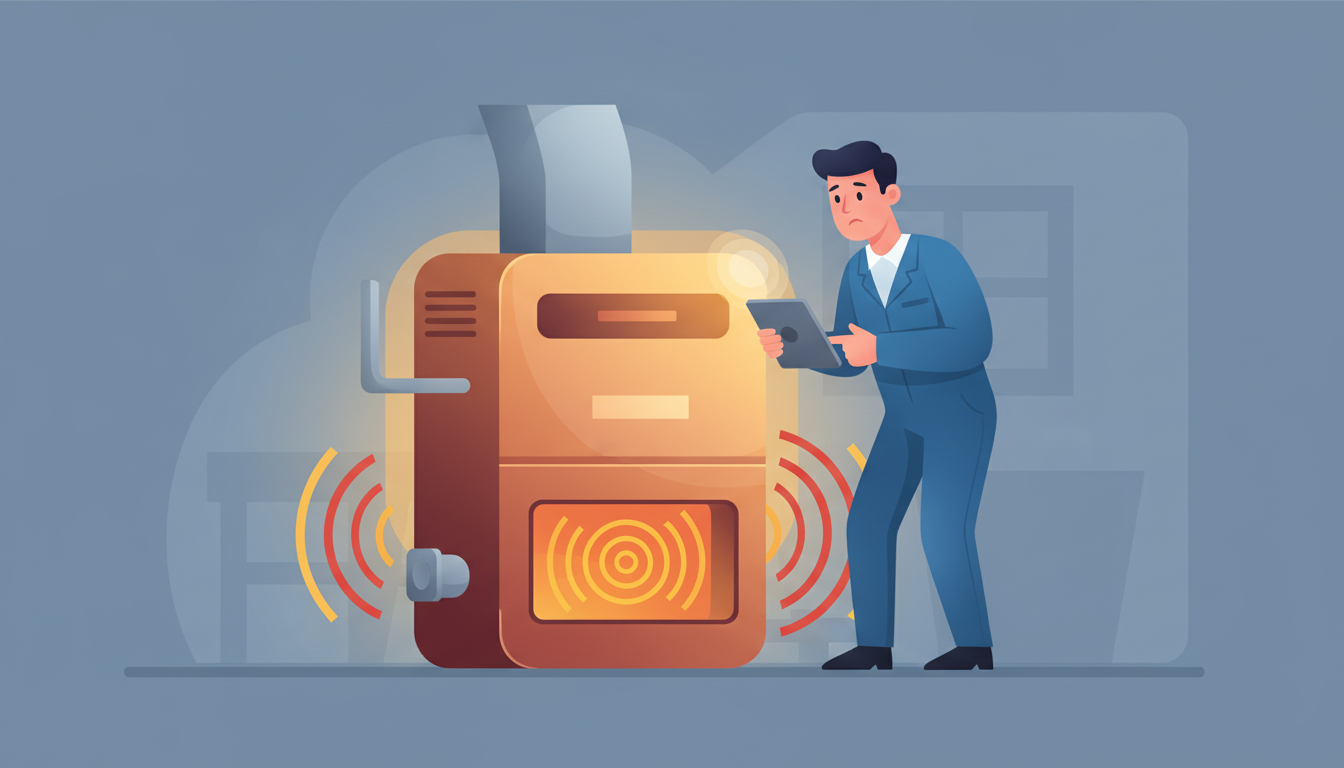
Nothing disrupts your peace of mind quite like a loud banging noise coming from your heating system. Whether it's a single explosive sound when your furnace kicks on or repeated clanging throughout the night, these noises signal that something isn't right. The good news? Most banging noises have identifiable causes and solutions. In this guide, we'll walk you through the eight most common reasons your heating system is making a banging noise and help you determine when it's safe to troubleshoot yourself versus when you need professional help.
Understanding Why Heating Systems Make Banging Noises
Before we dive into specific causes, it's important to understand that your heating system is a complex network of components working together. When you hear a banging noise, it's your system's way of telling you that something has disrupted normal operation.
These sounds can originate from different parts of your HVAC system including the furnace itself, the ductwork, the heat exchanger, or if you have a boiler system, the pipes and radiators. The timing, frequency, and location of the noise often provide important clues about what's causing the problem.
1. Delayed Ignition: The Most Dangerous Cause
What It Is: Delayed ignition occurs when gas builds up in your furnace's combustion chamber before igniting all at once, creating a small explosion inside the unit.
Why It Happens: This is typically caused by dirty or clogged burners that prevent the gas from igniting immediately when your thermostat calls for heat. Instead of a smooth, controlled flame, you get a buildup followed by a sudden ignition that sounds like a loud bang or boom.
Is It Dangerous? Yes, this is one of the most serious causes of furnace banging noise. Repeated delayed ignition can crack your heat exchanger, potentially leading to dangerous carbon monoxide leaks into your home.
What You Should Do: Turn off your furnace immediately and call a professional HVAC technician. This isn't a DIY fix. Your burners need professional cleaning, and your entire system should be inspected for damage, especially the heat exchanger.
Prevention: Annual furnace maintenance that includes burner cleaning can prevent delayed ignition from occurring.
2. Expanding and Contracting Ductwork
What It Is: Metal ductwork naturally expands when hot air flows through it and contracts as it cools down. This thermal expansion can create loud banging or popping sounds.
Why It Happens: When your heating system first turns on, cold metal ducts suddenly receive a rush of hot air. The metal expands rapidly, sometimes creating a loud "pop" or "bang." You might hear similar sounds when the heating cycle ends and the ducts cool back down.
Is It Dangerous? Generally, no. While startling, ductwork expansion is a normal physical phenomenon and doesn't typically indicate a serious problem.
What You Should Do: If the noise is occasional and consistent with your heating cycles, you can likely ignore it. However, if it's excessive or getting worse, consider these solutions:
- Have an HVAC professional assess whether your ducts are properly sized for your system
- Add insulation around problematic duct sections
- Install expansion joints in long duct runs
- Ensure ducts are properly secured with adequate support
When to Worry: If you notice the banging getting progressively louder or accompanied by reduced airflow from your vents, you may have weak airflow issues that need addressing.
3. Dirty or Clogged Burners
What It Is: Furnace burners can accumulate dirt, dust, and carbon deposits over time, affecting how efficiently they burn fuel.
Why It Happens: Burners draw in air to mix with gas for combustion. If they're dirty, this mixture becomes unbalanced, potentially causing delayed ignition (see cause #1) or irregular flame patterns that create noise.
Is It Dangerous? Moderately. While not immediately dangerous, dirty burners reduce efficiency, increase energy costs, and can lead to delayed ignition problems.
What You Should Do: Cleaning furnace burners requires technical knowledge and proper tools. Unless you're experienced with HVAC systems, this is best left to professionals. During an annual tune-up, technicians will clean burners as part of routine maintenance.
DIY First Step: Check and replace your air filter if it's dirty. A clogged filter restricts airflow and can contribute to burner problems.
4. Blower Motor or Fan Problems
What It Is: Your furnace's blower motor and fan are responsible for circulating heated air throughout your home. If these components are damaged or improperly balanced, they can create banging sounds.
Why It Happens: Several issues with the blower assembly can cause noise:
- A warped or bent fan blade hitting the housing
- Loose mounting bolts allowing the motor to shift during operation
- Worn bearings causing the fan to wobble
- Foreign objects trapped in the blower compartment
Is It Dangerous? Not immediately, but continued operation with a damaged blower can lead to motor failure and costly repairs.
What You Should Do: First, turn off your furnace and visually inspect the blower compartment if you can safely access it. Look for obvious signs of damage or debris. If you spot something simple like a loose panel, you might be able to tighten it yourself. For motor or fan blade issues, call a professional.
Warning Signs: If the banging is accompanied by reduced heat output or your system takes longer to warm your house, you may have multiple issues that need professional attention. Learn more about why your heating system might take too long to warm your house.
5. Water Hammer in Boiler Systems
What It Is: If you have a boiler heating system, water hammer occurs when water changes direction suddenly in your pipes, creating a loud banging or knocking sound.
Why It Happens: When valves close quickly or pumps start and stop abruptly, the flowing water creates a pressure wave that slams against pipe walls and fittings. This is more common in older boiler systems or those with improperly sized pipes.
Is It Dangerous? While not typically dangerous, severe water hammer can damage pipes, fittings, and valves over time.
What You Should Do:
- Install water hammer arrestors at key points in your piping system
- Have a technician check your circulator pump speed settings
- Ensure all pipes are properly secured and supported
- Consider upgrading old valves to slow-closing models
Related Issue: If you also hear gurgling or bubbling sounds, you might have trapped air in your system (see cause #6).
6. Trapped Air in Pipes or Radiators
What It Is: Air bubbles can become trapped in boiler systems, creating banging, knocking, or gurgling noises as water flows past them.
Why It Happens: Air can enter your system during routine operation, especially after maintenance work, or through small leaks. As water heats up and circulates, these air pockets move through the system and create noise.
Is It Dangerous? No, but trapped air reduces your system's efficiency and can prevent radiators from heating properly.
What You Should Do: Many homeowners can handle this simple fix themselves:
- Turn off your boiler and let it cool
- Locate the bleed valve on your radiators (usually at the top)
- Place a towel underneath and use a radiator key to slowly open the valve
- Listen for hissing air and wait until water begins to drip out
- Close the valve and repeat for all radiators in your home
- Check your boiler's pressure gauge and refill if necessary
When to Call a Pro: If you constantly need to bleed your radiators, you likely have a leak somewhere that's allowing air to enter the system repeatedly.
7. Limescale Buildup on Heat Exchanger
What It Is: In areas with hard water, mineral deposits (limescale) can accumulate on your boiler's heat exchanger. This condition, called "kettling," causes banging or rumbling sounds similar to a boiling kettle.
Why It Happens: Hard water contains high levels of calcium and magnesium. When this water heats up repeatedly in your boiler, these minerals precipitate out and form crusty deposits on the heat exchanger. These deposits restrict water flow and create hot spots that cause the water to boil and steam, resulting in loud banging.
Is It Dangerous? Moderately. Left untreated, kettling reduces efficiency dramatically and can cause your heat exchanger to fail prematurely.
What You Should Do: Limescale removal requires professional descaling or heat exchanger replacement. A technician will:
- Flush your system with descaling chemicals
- Install a water softener to prevent future buildup
- Replace the heat exchanger if damage is too severe
Prevention: If you live in a hard water area, consider installing a whole-house water softener and have your boiler professionally serviced annually.
8. Loose Components and Hardware
What It Is: Over time, the constant vibration and heating cycles can loosen screws, bolts, panels, and other hardware throughout your HVAC system.
Why It Happens: Normal system operation creates vibration. As components heat and cool repeatedly, fasteners can gradually work themselves loose. This is especially common in older systems.
Is It Dangerous? Usually not, though loose components can potentially cause other parts to fail or become damaged.
What You Should Do: This is one area where handy homeowners can often help themselves:
- Turn off your heating system completely
- Visually inspect all access panels, mounting brackets, and visible hardware
- Carefully tighten any loose screws or bolts you can safely reach
- Check that all access panels fit properly and aren't warped
- Ensure ductwork connections are secure
Safety Note: Never attempt to disassemble or adjust internal furnace components unless you're a trained professional. Stick to easily accessible external panels and connections.
How to Diagnose Where Your Banging Noise Is Coming From
Identifying the source of your heating system banging noise helps you determine the appropriate solution. Follow this diagnostic checklist:
Timing:
- Banging when system turns on: Likely delayed ignition or duct expansion
- Banging when system turns off: Probably duct contraction or loose components
- Continuous banging while running: Could be blower motor, trapped air, or water hammer
- Random banging unrelated to heating cycles: Check for loose panels or ductwork
Location:
- From furnace/boiler itself: Check for delayed ignition, blower issues, or burner problems
- From walls or ceilings: Likely ductwork expansion or pipes
- From radiators: Probably trapped air or water hammer
- Throughout the house: Suggests ductwork or piping issues
Sound characteristics:
- Single explosive boom: Often delayed ignition (dangerous)
- Repeated banging or knocking: Could be water hammer, loose parts, or blower issues
- Popping or cracking: Usually duct expansion (normal)
- Rumbling or kettling: Typically limescale buildup
When to Call a Professional vs. DIY Fixes
Call a Professional Immediately If:
- You suspect delayed ignition (loud boom when furnace starts)
- You smell gas or notice unusual odors
- The banging is accompanied by system shutdown or failure
- You see visible damage to any components
- Your carbon monoxide detector goes off
- The noise has suddenly gotten much worse
You Might Handle These Yourself:
- Bleeding radiators to release trapped air
- Tightening loose access panels
- Replacing air filters
- Basic visual inspection for obvious problems
Remember: When in doubt, always err on the side of caution. Many heating repairs involve gas lines, electrical connections, and carbon monoxide risks that require professional expertise. For comprehensive guidance on maintaining your system, check out our HVAC repair guide.
What If Your Heating System Is Just Too Old?
Sometimes, persistent banging noises indicate that your heating system is nearing the end of its useful life. Most furnaces last 15-20 years, while boilers can last 20-30 years with proper maintenance.
Signs It Might Be Time for Replacement:
- Your system is more than 15 years old
- Repairs are becoming frequent and costly
- Your energy bills have increased significantly
- Some rooms never seem to get warm enough
- The system cycles on and off repeatedly
- You've had multiple HVAC technicians tell you parts are hard to find
Cost Consideration: While a new furnace or boiler represents a significant investment ($3,000-$8,000 for most residential systems), it may be more economical than continuing to repair an aging system. Modern heating systems are also dramatically more efficient, potentially saving you 20-40% on heating costs.
Preventive Maintenance: Stop Banging Noises Before They Start
The best way to deal with heating system banging noises is to prevent them in the first place. A comprehensive preventive maintenance program can catch most issues before they become noisy problems.
Annual Professional Maintenance Should Include:
- Thorough burner cleaning and adjustment
- Combustion chamber and heat exchanger inspection
- Blower motor lubrication and inspection
- Air filter replacement
- Gas pressure testing
- Electrical connection checking
- Thermostat calibration
- Complete system safety inspection
Homeowner Maintenance Tasks:
- Change air filters every 1-3 months
- Keep area around furnace/boiler clear
- Listen for unusual sounds and address them promptly
- Bleed radiators seasonally if you have a boiler
- Schedule professional maintenance before each heating season
The Cost-Benefit: Annual maintenance typically costs $100-200 but can prevent repairs costing thousands of dollars. More importantly, it helps ensure your family's safety and comfort throughout the heating season.
Frequently Asked Questions
Is it safe to keep using my furnace if it's making a banging noise?
It depends on the cause. If you suspect delayed ignition (a loud boom when the furnace starts), turn it off immediately—this is a safety hazard. For other noises like duct popping or minor rattling, the furnace can usually continue operating temporarily, but you should schedule a professional inspection within a few days. Never ignore banging noises, as they typically indicate a problem that will worsen over time.
How much does it cost to fix a banging furnace?
Repair costs vary widely depending on the cause. Simple fixes like tightening loose panels might be included in a service call ($75-150). Cleaning burners typically costs $150-300 during a tune-up. More significant repairs like replacing a blower motor ($400-600), fixing ductwork ($300-1,000), or replacing a cracked heat exchanger ($1,200-3,000) cost more. For boiler systems, descaling might cost $300-500, while pipe repairs vary based on accessibility.
What's the difference between banging in a furnace versus a boiler?
Furnaces heat air and distribute it through ductwork, so banging in furnaces often comes from delayed ignition, blower issues, or expanding ducts. Boilers heat water that flows through pipes and radiators, so boiler banging typically results from trapped air, water hammer, limescale buildup, or pipe expansion. The diagnostic approach differs, so make sure your HVAC technician has experience with your specific type of heating system.
Can a clogged air filter cause banging noises?
Indirectly, yes. A severely clogged air filter restricts airflow, which can cause several problems that lead to noise: it forces your blower motor to work harder (potentially causing vibration and noise), creates pressure imbalances in your ductwork, and can contribute to incomplete combustion that leads to dirty burners and delayed ignition. Changing your air filter regularly is one of the simplest ways to prevent multiple HVAC problems.
Why does my heating system only bang in cold weather?
Cold weather creates ideal conditions for several banging causes. When outdoor temperatures drop significantly, the temperature difference between cold ducts and hot air increases, making thermal expansion more dramatic. Additionally, your furnace runs longer cycles in cold weather, exposing any marginal problems more frequently. Cold weather also causes the ground and foundation to contract, which can stress pipes and ductwork connections.
Don't Ignore Those Banging Noises
A heating system making a banging noise isn't something you should learn to live with. These sounds are your system's warning that something needs attention—whether it's a simple fix like bleeding radiators or a serious issue like delayed ignition that poses safety risks.
The good news is that most causes of banging noises are correctable, especially when caught early. Regular maintenance, prompt attention to new sounds, and knowing when to call a professional will keep your heating system running quietly, efficiently, and safely for years to come.
If you're experiencing persistent banging noises from your heating system, don't wait until a small problem becomes a big one. A qualified HVAC technician can diagnose the issue, explain your options, and restore peace and quiet to your home.
Remember: Your heating system is essential to your family's comfort and safety during cold weather. When it starts talking to you with bangs and clangs, listen—and take action before a noisy nuisance becomes a costly emergency.