EPA Section 608: What Every Homeowner Should Know
EPA Section 608: What Every Homeowner Should Know
If you've had your air conditioner serviced recently, you might have heard your technician mention EPA Section 608 certification. Or maybe you're facing a costly refrigerant-related repair and wondering why the rules seem to have changed. You're not alone—EPA regulations around refrigerants are evolving, and they directly affect your wallet, your comfort, and the safety of your home.
Understanding EPA Section 608 doesn't require a technical degree. This guide breaks down what homeowners need to know, how these regulations affect your HVAC system, and what questions you should be asking your technician.
What Is EPA Section 608?
EPA Section 608 is part of the Clean Air Act, a federal law designed to protect the environment. Specifically, Section 608 regulates how refrigerants—the chemicals that make your air conditioner and refrigerator work—are handled, recovered, and disposed of.
Why does this matter? Refrigerants can harm the environment in two major ways. Older refrigerants like R-22 (commonly called Freon) deplete the ozone layer, the atmospheric shield that protects us from harmful ultraviolet radiation. Newer refrigerants like R-410A don't damage the ozone, but they have high global warming potential (GWP), meaning they contribute significantly to climate change when released into the atmosphere.
Section 608 regulations require that anyone who works with refrigerants—whether installing, maintaining, or repairing HVAC equipment—must be properly certified. This ensures refrigerants are handled safely and not released into the air.
Why EPA Section 608 Matters to Homeowners
You might think environmental regulations are just industry red tape, but Section 608 has real implications for your home:
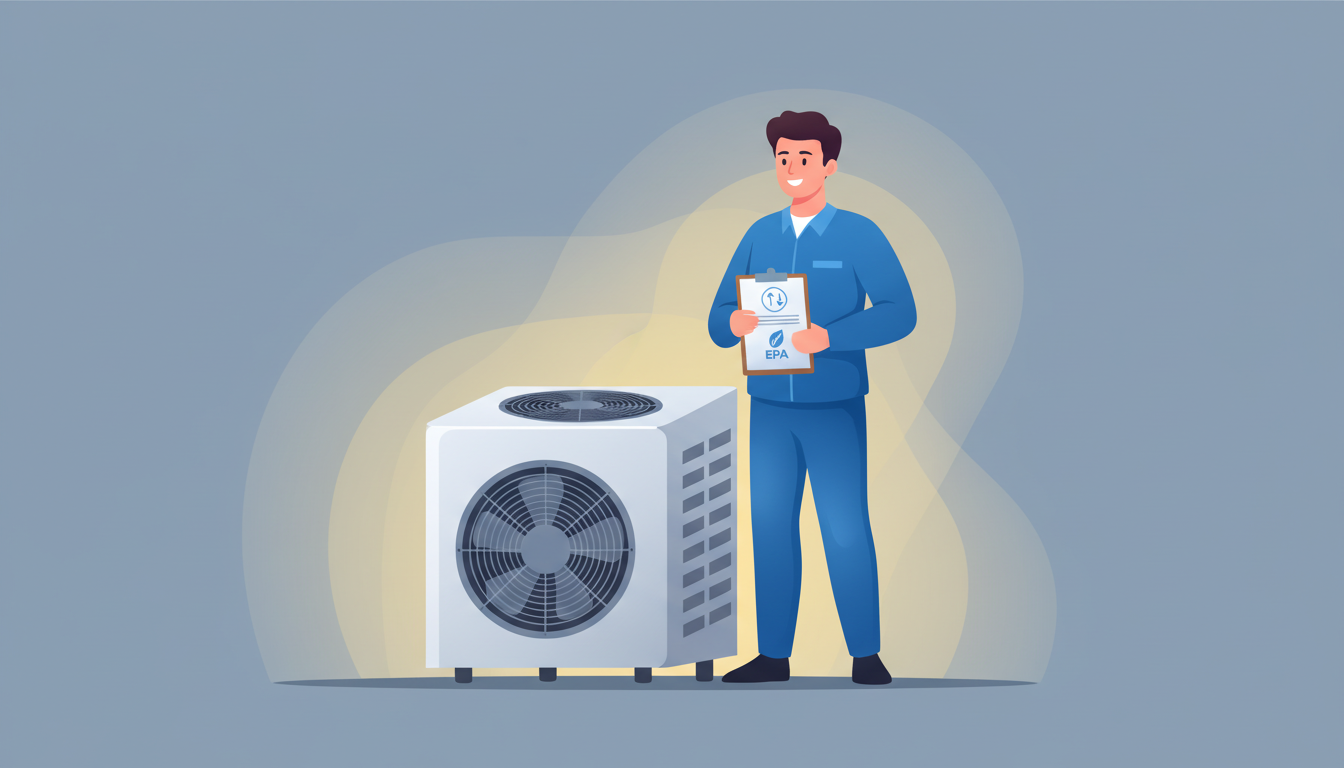
Your technician must be certified. Anyone servicing your air conditioning system, heat pump, or refrigeration equipment must hold an EPA Section 608 certification. This certification proves they know how to handle refrigerants properly and have the right equipment to recover refrigerants instead of venting them into the air.
You can't DIY refrigerant work. Homeowners are not allowed to purchase most types of refrigerant or perform their own recharging. This isn't just a formality—working with refrigerants requires specialized knowledge and equipment. Attempting DIY refrigerant work can damage your system, void warranties, and potentially expose you to legal penalties.
Repair and replacement costs are affected. As certain refrigerants are phased out, their availability decreases and prices go up. If your older system uses R-22, repairs requiring refrigerant can be expensive, which may make replacement a smarter financial decision.
New refrigerants have different requirements. The 2025 regulatory updates introduce A2L refrigerants (like R-32 and R-454B), which are mildly flammable. These require specially trained technicians and updated safety protocols, which can affect service availability and costs.
Understanding these regulations helps you make informed decisions when your HVAC system needs repair or maintenance.
The Refrigerant Phase-Out Timeline
The EPA has been phasing out harmful refrigerants for decades, and the timeline directly affects homeowners:
R-22 (Freon) - The Original Phase-Out
- 2010: Production and import of R-22 for new equipment banned
- 2020: Production and import of R-22 completely stopped
- Today: R-22 is only available as recycled or reclaimed refrigerant, making it expensive
If your air conditioner was installed before 2010, there's a good chance it uses R-22. You can still use and repair these systems, but refrigerant for repairs comes from recycled supplies and costs significantly more than it used to.
R-410A - The Current Transition
- 2025: New regulations begin limiting R-410A in certain applications
- 2025 onward: A2L refrigerants (R-32, R-454B) become standard for new systems
R-410A has been the standard refrigerant for residential air conditioners for the past 15 years. It doesn't harm the ozone layer, but it has a high global warming potential. The EPA is now transitioning to lower-GWP alternatives.
A2L Refrigerants - The Future
- 2025: New HVAC systems increasingly use A2L refrigerants
- These refrigerants have much lower global warming potential
- They're classified as "mildly flammable," requiring updated safety standards
The transition to A2L refrigerants is part of the Kigali Amendment to the Montreal Protocol, an international agreement to reduce greenhouse gas emissions. Learn more about A2L refrigerants and what they mean for homeowners.
Types of EPA Section 608 Certification
Not all EPA 608 certifications are the same. There are four types, and knowing which one your technician has can tell you what work they're qualified to do:
Type I: Small appliances (systems with less than 5 pounds of refrigerant)—think window air conditioners, refrigerators, freezers.
Type II: High-pressure equipment—most residential and light commercial air conditioning systems fall into this category.
Type III: Low-pressure equipment—typically large commercial chillers and industrial systems.
Universal: Covers all three types above. Most professional HVAC technicians who work on residential systems hold a Universal certification.
When hiring someone to work on your central air conditioning system, you want a technician with at least a Type II certification, though Universal is even better.
How to Verify Your Technician Is Certified
Every EPA 608 certified technician receives a certification card that they should carry with them. Here's how to protect yourself:
Ask to see their certification card. A legitimate technician won't hesitate to show you their EPA 608 certification. The card will have their name, certification number, and the type(s) of certification they hold.
Check the certification type. Make sure their certification matches the work they're doing. For residential AC work, look for Type II or Universal.
Watch for red flags. Be wary of any technician who:
- Claims certification but can't produce a card
- Offers to "top off" your refrigerant without checking for leaks
- Suggests venting old refrigerant instead of recovering it
- Offers unusually cheap refrigerant services (could indicate uncertified work)
Ask about their recovery equipment. Certified technicians must use approved refrigerant recovery equipment. If they're not recovering the old refrigerant before adding new, that's a violation of EPA regulations.
Reputable HVAC companies make their certifications easy to verify and are proud to demonstrate their compliance with EPA regulations.
Common Section 608 Violations and Why They Matter
Understanding what's NOT allowed helps you spot unprofessional or illegal practices:
Venting refrigerant into the atmosphere. This is the most common violation. Technicians must recover refrigerant using approved equipment before opening the system. Venting is illegal and harmful to the environment.
Uncertified technicians handling refrigerants. Only EPA 608 certified technicians can legally work with refrigerant systems. Using uncertified technicians puts you at risk for poor workmanship and potential liability.
Failing to check for leaks. Before adding refrigerant, technicians should identify and repair any leaks. Simply topping off a leaking system wastes money and violates EPA guidelines for responsible refrigerant management.
Improper disposal of appliances. When you replace your old air conditioner or refrigerator, the refrigerant must be properly recovered before disposal. Reputable disposal services handle this automatically, but be cautious with budget services.
These violations can result in hefty fines for technicians and companies—up to $44,539 per day per violation for serious infractions. More importantly, they indicate a lack of professionalism and environmental responsibility.
What Homeowners Can and Cannot Do
It's important to know where the line is between homeowner maintenance and professional work:
You CAN:
- Change air filters regularly
- Keep outdoor units clear of debris and vegetation
- Clean condensate drain lines
- Adjust thermostat settings
- Schedule regular professional maintenance
You CANNOT (legally):
- Purchase EPA-regulated refrigerants without certification
- Add refrigerant to your air conditioning system
- Open sealed refrigerant lines
- Dispose of equipment containing refrigerant without proper recovery
The DIY limitations aren't arbitrary—working with refrigerants requires specialized knowledge, equipment, and certification. Attempting DIY refrigerant work can:
- Damage your expensive HVAC equipment
- Create safety hazards
- Void manufacturer warranties
- Expose you to potential fines
Your best approach is to handle routine maintenance yourself and leave refrigerant-related work to certified professionals.
How EPA Regulations Affect Repair vs. Replace Decisions
Section 608 regulations can significantly impact whether you should repair or replace your aging HVAC system:
If your system uses R-22:
- Refrigerant is expensive and will only get more so
- Major repairs requiring significant refrigerant may cost more than replacement
- New systems are much more energy efficient
- Consider replacement if your system is 10+ years old
If your system uses R-410A:
- Refrigerant is currently readily available and affordable
- Repairs are usually cost-effective
- Your system will likely remain serviceable for its entire lifespan (15-20 years)
- Don't rush to replace just because of refrigerant regulations
When considering a new system:
- New systems use A2L refrigerants with lower environmental impact
- Modern systems are 20-30% more efficient than those from 10 years ago
- Equipment costs may be higher initially but operating costs are lower
- Future refrigerant availability won't be a concern
A certified HVAC professional can help you run the numbers and determine the most cost-effective path forward. Get multiple quotes and ask specifically about refrigerant costs and availability for repair scenarios.
Recognizing Refrigerant Leaks Early
While you can't legally fix refrigerant leaks yourself, catching them early can save money and prevent larger problems:
Common signs of refrigerant leaks:
- Air conditioner blows warm air or doesn't cool effectively
- Ice buildup on refrigerant lines or evaporator coil
- Hissing or bubbling sounds near the AC unit
- Higher-than-normal energy bills
- AC runs constantly but doesn't reach set temperature
Learn to recognize refrigerant leak symptoms so you can call for service before a small leak becomes a major repair.
What causes refrigerant leaks:
- Corrosion of copper lines over time
- Vibration loosening connections
- Physical damage to outdoor units
- Manufacturing defects in coils
- Improper installation
If you suspect a leak, don't wait. Continuing to run a system with low refrigerant damages the compressor, turning a relatively simple repair into an expensive replacement.
The 2025 EPA Regulatory Updates
The most recent Section 608 updates, which began taking effect in 2025, bring several changes homeowners should understand:
Lower GWP requirements. New systems must use refrigerants with significantly lower global warming potential. This means A2L refrigerants like R-32 and R-454B are becoming the new standard.
Enhanced technician training. Working with A2L refrigerants requires additional training beyond basic EPA 608 certification. Technicians must understand the unique properties and safety considerations of mildly flammable refrigerants.
Updated safety standards. Equipment using A2L refrigerants includes additional safety features like refrigerant sensors and enhanced ventilation requirements.
Leak repair timeframes. Commercial operations have strict timeframes to repair leaks, and similar principles apply to responsible residential system management.
These changes don't make your current system obsolete. If your air conditioner is working well, you can continue using it. But when replacement time comes, you'll be getting equipment that's safer for the environment.
Cost Impacts of EPA Section 608 Regulations
Let's talk numbers, because regulations ultimately affect your budget:
Refrigerant costs:
- R-22: $100-150 per pound (when available)
- R-410A: $40-80 per pound
- A2L refrigerants: Currently similar to R-410A, but may fluctuate as adoption grows
Service call premiums:
- Working with A2L refrigerants may carry slightly higher service costs initially
- Proper refrigerant recovery adds time to service calls
- Certified technicians command fair rates for their expertise
Long-term savings:
- Modern systems are far more efficient, reducing monthly operating costs
- Proper refrigerant management extends system lifespan
- Early leak detection prevents costly compressor damage
Replacement considerations:
- New systems: $3,500-$7,500+ installed for average homes
- But newer systems can reduce cooling costs by 20-40%
- Financing options and energy rebates often available
While EPA regulations add some compliance costs, they also ensure you're getting professional service that protects your investment and the environment.
Questions to Ask Your HVAC Technician
Arm yourself with the right questions when you need HVAC service:
Before hiring:
- "Can I see your EPA Section 608 certification card?"
- "What type of certification do you hold?"
- "How long have you been working with [specific refrigerant]?"
- "Do you have experience with A2L refrigerants?" (if you have a newer system)
During service:
- "Are you using refrigerant recovery equipment?"
- "Did you find any leaks, and if so, what caused them?"
- "What type of refrigerant does my system use?"
- "How much refrigerant are you adding, and what does that cost?"
For major repairs:
- "Given the refrigerant costs, does repair or replacement make more financial sense?"
- "What's the expected lifespan of my current system?"
- "What refrigerant would a new system use?"
- "Can you provide a detailed estimate including refrigerant costs?"
Good technicians welcome these questions. If someone seems evasive or annoyed, consider it a red flag.
Frequently Asked Questions
What is EPA Section 608 certification and why does it matter to homeowners?
EPA Section 608 certification proves that HVAC technicians know how to properly handle refrigerants without harming the environment. For homeowners, this means you're getting service from someone who has the knowledge and equipment to work safely with the chemicals in your air conditioning system. Hiring a certified technician protects you from poor workmanship, equipment damage, and potential legal issues.
Can homeowners buy refrigerant and recharge their own air conditioners?
No, homeowners cannot legally purchase EPA-regulated refrigerants like R-22, R-410A, or A2L refrigerants without proper certification. Even if you could obtain refrigerant, recharging an AC system requires specialized equipment and knowledge. Improper refrigerant handling can damage your system, create safety hazards, void warranties, and result in fines. This work should always be left to EPA 608 certified professionals.
How do I know if my HVAC technician is properly EPA certified?
Ask to see their EPA Section 608 certification card. Every certified technician receives a card with their name, certification number, and the type(s) of certification they hold (Type I, II, III, or Universal). For residential air conditioning work, look for Type II or Universal certification. Legitimate technicians will have no problem showing you their credentials. If someone claims to be certified but can't produce a card, find another technician.
Is R-22 refrigerant still available for my old air conditioner?
R-22 is still available, but only as recycled or reclaimed refrigerant. The EPA banned new production and import of R-22 in 2020, so supplies are limited and expensive. You can legally continue using and repairing systems that use R-22, but the high cost of refrigerant often makes replacement more economical than major repairs. If your system is more than 10 years old and needs significant refrigerant, consider getting quotes for both repair and replacement.
What are A2L refrigerants and are they safe for homes?
A2L refrigerants (like R-32 and R-454B) are the new standard for residential air conditioning systems. The "A2L" classification means they have low toxicity and are "mildly flammable"—less flammable than common household items like hairspray. Modern systems using A2L refrigerants include built-in safety features like leak sensors and enhanced ventilation. When properly installed and maintained by trained technicians, these systems are completely safe and significantly better for the environment than older refrigerants.
How much will EPA regulations increase my AC repair costs?
The impact varies depending on your specific situation. If your system uses R-22, refrigerant costs are substantially higher than a few years ago, sometimes adding $500-$1,500 to major repairs. Systems using R-410A aren't significantly affected yet. For new systems with A2L refrigerants, you might see slightly higher service costs initially as the industry adjusts, but refrigerant prices remain reasonable. The bigger picture is that EPA regulations promote proper service practices that extend equipment life and prevent costly damage.
When should I replace my air conditioner due to refrigerant regulations?
Don't replace based solely on refrigerant type—consider the full picture. Replace if your system: uses R-22 AND needs major repairs requiring significant refrigerant; is 15+ years old regardless of refrigerant type; has efficiency ratings well below modern standards; or requires frequent repairs. If your system is working well and uses R-410A, there's no rush to replace. Get quotes from multiple certified technicians who can evaluate your specific situation and help you make the most cost-effective decision.
Taking Action: What Homeowners Should Do Now
Understanding EPA Section 608 is one thing—applying that knowledge is another. Here's your action plan:
For current system owners:
- Schedule annual maintenance with an EPA 608 certified technician
- Ask about your refrigerant type at your next service call
- Watch for early signs of refrigerant leaks
- Keep service records including refrigerant type and amounts added
- Budget for potential replacement if your system uses R-22 and is aging
When hiring HVAC service:
- Verify EPA 608 certification before allowing work to begin
- Get detailed written estimates that break out refrigerant costs
- Ask questions about refrigerant recovery and leak detection
- Choose companies with good reputations and proper credentials
- Keep documentation of all service work performed
For system replacement:
- Get quotes from multiple certified HVAC contractors
- Ask specifically what refrigerant new systems use
- Inquire about warranty coverage for refrigerant-related issues
- Understand the efficiency ratings of recommended equipment
- Don't rush—make informed decisions based on facts, not pressure
The Bottom Line
EPA Section 608 regulations might seem like industry jargon, but they directly affect your home comfort, your wallet, and the environment. The key takeaways every homeowner should remember:
Only EPA 608 certified technicians can legally work on your refrigerant systems. Don't let anyone cut corners—verify certification every time.
Refrigerant regulations are changing, but your current system isn't immediately obsolete. Make repair vs. replace decisions based on economics and system condition, not panic.
Understanding refrigerant types and their availability helps you plan for the future. If you're using R-22, start budgeting for eventual replacement. If you have R-410A, you're in good shape for years to come.
New A2L refrigerants are the environmentally friendly future of air conditioning. When replacement time comes, you'll benefit from cleaner technology and better efficiency.
By staying informed about EPA Section 608 regulations, asking the right questions, and working with certified professionals, you can make smart decisions that keep your home comfortable while protecting your investment and the environment. Your air conditioning system is a significant investment—treat it with the care and professional attention it deserves.