When an HVAC Electrical Problem Becomes an Emergency
When an HVAC Electrical Problem Becomes an Emergency
You're relaxing at home when suddenly your HVAC system shuts off. The circuit breaker has tripped again—for the third time today. You smell something burning near the air handler. Your gut tells you something is seriously wrong, but how do you know if this HVAC electrical problem is truly an emergency?
Electrical issues with your heating and cooling system can range from minor nuisances to dangerous situations that put your home and family at risk. Understanding when an HVAC electrical problem becomes an emergency can help you respond quickly, protect your property, and potentially save lives.
What Makes an HVAC Electrical Problem an Emergency?
Not every electrical hiccup with your HVAC system requires an immediate emergency call. However, certain situations demand instant attention from a professional technician.
An HVAC electrical emergency exists when the problem creates an immediate safety hazard, such as fire risk, electrical shock potential, or conditions that could damage your home. These situations require you to shut down the system and contact an emergency HVAC service right away.
The key difference between a regular electrical problem and an emergency comes down to safety and risk. If your system is operating but seems inefficient, that's not an emergency. If it's sparking, smoking, or repeatedly shutting down due to electrical faults, you're dealing with a dangerous situation.
Critical Warning Signs of HVAC Electrical Emergencies
Burning Smell or Electrical Odor
One of the most alarming signs is a burning smell coming from your HVAC unit or vents. This distinct electrical burning smell often indicates overheating wires, melting insulation, or electrical components failing.
If you smell burning plastic, rubber, or that characteristic "electrical" odor near your HVAC system, shut it off immediately at the breaker box. This smell signals potential fire hazards that can escalate quickly if left unaddressed.
Don't confuse this with the dusty smell that sometimes occurs when you first turn on your heater after months of inactivity. A true electrical burning smell is sharp, acrid, and unmistakable.
Visible Sparks or Smoke
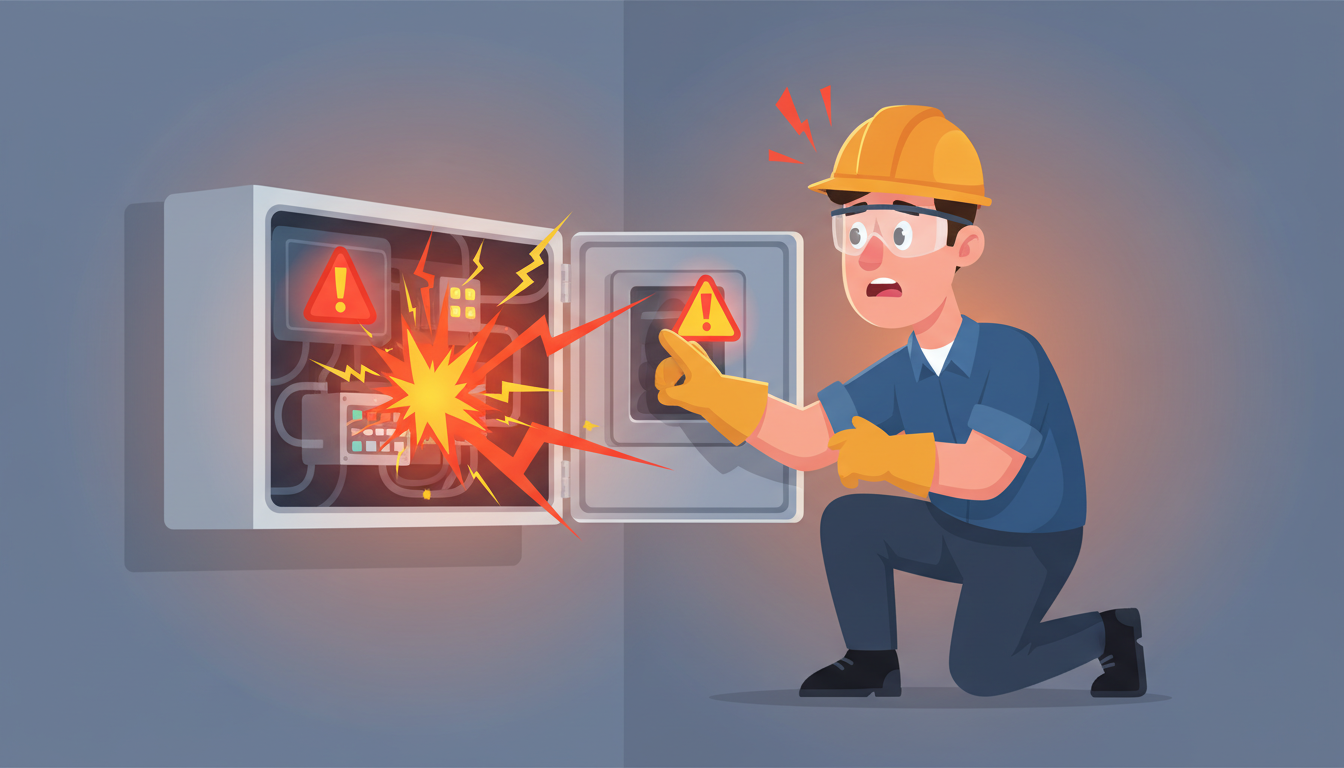
Seeing sparks fly from your HVAC unit or smoke rising from the equipment is an absolute emergency. These are clear indicators of electrical arcing, short circuits, or component failure that can ignite a fire.
Sparking might occur when the system starts up, cycles on, or runs continuously. Regardless of when it happens, visible electrical arcing is dangerous and requires immediate professional intervention.
If you see smoke, evacuate the area, call 911 if necessary, and contact an emergency HVAC technician once the immediate danger is addressed. Never attempt to inspect smoking equipment yourself.
Repeatedly Tripping Circuit Breaker
Your HVAC system's circuit breaker tripping occasionally might indicate a temporary power surge. However, if your HVAC breaker keeps tripping every time the system tries to run, you're facing a serious electrical problem.
Repeated breaker trips indicate electrical overload, short circuits, or failing components drawing excessive power. This pattern suggests the electrical system is protecting your home from a dangerous fault within the HVAC equipment.
Resetting the breaker once or twice is reasonable, but if it continues tripping, leave it off and call for emergency service. Repeatedly forcing the breaker back on can overheat wiring and create fire hazards.
Hot Electrical Panels or Components
Touch the area around your electrical panel, disconnect box, or HVAC control board. Does it feel unusually warm or hot to the touch? This heat indicates dangerous electrical resistance, loose connections, or overloaded circuits.
Electrical components naturally generate some warmth during operation, but they should never be hot enough to be uncomfortable to touch. Excessive heat suggests current is flowing where it shouldn't, creating resistance that generates dangerous temperatures.
Hot wiring or connections can melt insulation, damage components, and ignite surrounding materials. If you discover hot electrical components, shut down the system immediately.
Strange Electrical Sounds
Unusual buzzing, humming, or crackling sounds coming from your HVAC unit, thermostat, or electrical panel often signal electrical problems. These sounds indicate loose connections, arcing, or failing electrical components.
A light humming when your system runs is normal. However, loud buzzing, clicking, or crackling—especially if accompanied by flickering lights or intermittent operation—suggests dangerous electrical faults.
Pay particular attention to sounds that change when the system cycles or that seem to come from the breaker panel. These indicate electrical issues that can rapidly worsen.
Understanding HVAC Electrical Components and Failure Points
Circuit Breakers and Electrical Panels
Your circuit breaker protects your home's electrical system by cutting power when it detects dangerous conditions. HVAC systems draw significant power, especially when starting up, which is why they typically have dedicated circuits.
When breakers trip repeatedly, they're doing their job—protecting you from dangerous electrical faults. The problem lies within the HVAC system itself, not the breaker.
Common causes include short circuits in the compressor, capacitor failure, or damaged wiring. These conditions can create electrical arcs that generate extreme heat and potential fire hazards.
Capacitors and Contactors
Capacitors store electrical energy and help your HVAC motors start and run efficiently. When capacitors fail, they can bulge, leak, or even explode, creating fire risks and electrical hazards.
Contactors are electrical switches that control power flow to major components. Failed contactors can arc, weld shut, or fail to disconnect, leaving equipment energized when it should be off.
Both components handle high voltage and can fail catastrophically. Professional technicians test HVAC electrical components safely using specialized equipment and safety protocols.
Wiring and Connections
HVAC wiring connects your thermostat, air handler, condenser, and electrical panel. Over time, connections can loosen, insulation can degrade, and wires can be damaged by pests, moisture, or age.
Loose connections create electrical resistance, generating heat that can melt insulation and ignite surrounding materials. Damaged insulation exposes bare wires, creating shock hazards and potential short circuits.
These wiring problems often develop slowly but can suddenly become dangerous when conditions change, such as during extreme weather when your system works harder.
What to Do During an HVAC Electrical Emergency
Immediate Safety Steps
Your first priority is safety, not saving the HVAC system. If you suspect an electrical emergency, take these immediate actions:
- Turn off the system at the thermostat immediately
- Shut off power at the circuit breaker or disconnect box
- Evacuate if you smell smoke or see flames
- Call 911 if there's active fire or immediate danger
- Don't attempt repairs yourself—electricity is dangerous
Once the immediate danger is addressed, contact an emergency HVAC service to inspect and repair the system. Never restore power until a qualified technician has evaluated the equipment.
What NOT to Do
During an HVAC electrical emergency, certain actions can worsen the situation or put you at risk:
- Don't repeatedly reset tripping breakers hoping the problem resolves
- Don't touch hot electrical components or exposed wiring
- Don't use water on electrical fires—use a fire extinguisher rated for electrical fires
- Don't ignore warning signs like burning smells or strange sounds
- Don't attempt DIY repairs on live electrical components
Electricity is unforgiving. Even experienced homeowners should leave HVAC electrical repairs to licensed professionals with proper training and equipment.
Temporary Comfort Measures
After shutting down an HVAC system with electrical problems, you'll need to maintain comfort while waiting for repairs. In hot weather, use fans, close blinds, and stay hydrated. In cold weather, use safe supplemental heating like electric space heaters (plugged into different circuits), dress in layers, and close off unused rooms.
Never use gas ovens or generators indoors for heating, as these create carbon monoxide poisoning risks. Your temporary discomfort is far better than the dangers of operating faulty electrical equipment.
Non-Emergency Electrical Issues vs. True Emergencies
Problems That Can Wait Until Morning
Some electrical issues, while requiring professional attention, aren't immediate emergencies:
- Single breaker trip that doesn't repeat when reset
- Thermostat not responding but with no burning smell or visible damage
- System won't start but shows no signs of electrical fault
- Minor efficiency issues or unusual but not dangerous sounds
These situations warrant a service call during normal business hours. As long as you can maintain reasonable comfort and there's no safety risk, you can wait for regular service.
When Time Is Critical
Other situations require immediate emergency response, even in the middle of the night:
- Any burning smell or visible smoke
- Repeated breaker tripping (more than two times)
- Sparks, arcing, or flames from equipment
- Hot electrical panels, wiring, or components
- System operating erratically with electrical sounds
Trust your instincts. If something feels dangerous, it probably is. The cost of an emergency service call is insignificant compared to the cost of fire damage or personal injury.
Why HVAC Electrical Problems Are Especially Dangerous
High Voltage and Current
HVAC systems operate on 240-volt circuits (for central air conditioning and heat pumps) or 120-volt circuits (for furnaces and air handlers). These voltage levels are lethal and can cause severe electrical shock.
Even low-voltage thermostat wiring can create hazards when connected to malfunctioning equipment. The current draw of HVAC systems—often 20-60 amps—is more than sufficient to cause serious harm or start fires.
This combination of high voltage and high current makes HVAC electrical problems particularly dangerous compared to other household electrical issues.
Fire Hazards
Electrical failures in HVAC systems can ignite fires in multiple ways. Overheating components can ignite dust, insulation, or nearby materials. Electrical arcs can create temperatures exceeding 3,000 degrees Fahrenheit, instantly igniting combustible materials.
HVAC equipment is often located in basements, attics, or utility closets where fires can spread undetected. By the time you notice smoke or flames, the fire may have already caused significant damage.
Many house fires originate from HVAC electrical failures, making prompt response to warning signs critical for home safety.
Secondary Hazards
Beyond direct electrical and fire risks, HVAC electrical emergencies can create secondary hazards. System failures during extreme weather can lead to dangerous indoor temperatures. Frozen pipes from heating system failures can burst, causing extensive water damage.
Electrical problems can also damage expensive HVAC equipment, transforming a repairable electrical issue into a complete system replacement. Early intervention during electrical emergencies often saves money by preventing cascade failures.
How Emergency HVAC Services Handle Electrical Problems
Professional Assessment
When you call for emergency HVAC service for an electrical problem, technicians arrive prepared with specialized diagnostic equipment. They'll test voltage, current, resistance, and continuity to identify the exact failure point.
Professional assessment includes inspecting visible wiring, testing components under load, and using thermal imaging to detect hot spots invisible to the naked eye. This thorough evaluation ensures all problems are identified, not just the obvious ones.
Qualified technicians follow strict electrical safety protocols, using insulated tools, proper grounding, and lockout/tagout procedures to work safely on live equipment when necessary.
Repair or Replacement Decisions
After diagnosing the electrical problem, technicians will recommend repairs or component replacement. Some electrical faults can be repaired by fixing connections, replacing damaged wiring, or swapping out failed components like capacitors or contactors.
Other situations require more extensive repairs or even system replacement. Widespread wiring damage, failed compressors with internal short circuits, or severely damaged control boards may not be economically repairable.
Your technician should explain the options, costs, and safety implications of each choice. When safety is at stake, replacement is often the wisest investment.
Prevention and Follow-Up
After addressing the immediate electrical emergency, professional technicians often identify underlying issues that contributed to the failure. Poor maintenance, undersized circuits, loose connections, or aging components may have created conditions for the emergency.
Addressing these underlying causes prevents future emergencies. Many technicians recommend follow-up maintenance or system upgrades to improve safety and reliability.
Preventing HVAC Electrical Emergencies
Regular Professional Maintenance
The single most effective way to prevent HVAC electrical emergencies is regular professional maintenance. Annual tune-ups allow technicians to identify developing electrical problems before they become dangerous.
During maintenance visits, technicians inspect electrical connections, test component operation, clean electrical contacts, and identify worn or damaged wiring. These preventive measures catch problems in early stages when they're easily fixable.
A comprehensive HVAC repair guide emphasizes that consistent maintenance dramatically reduces emergency breakdowns and extends equipment life.
Warning Sign Awareness
Homeowners who recognize early warning signs can prevent electrical emergencies by scheduling repairs before problems escalate. Pay attention to unusual sounds, smells, or system behavior.
If your HVAC system starts taking longer to start, cycles on and off frequently, or causes lights to dim when running, these subtle signs may indicate developing electrical issues.
Don't dismiss minor problems. Today's strange sound could be tomorrow's electrical emergency. Early intervention is always cheaper and safer than emergency repairs.
Proper System Usage
Avoid overworking your HVAC system, which can strain electrical components. Use programmable thermostats to reduce runtime, change filters regularly to maintain airflow, and keep outdoor units clear of debris.
Extreme thermostat settings force systems to run continuously, increasing electrical stress on components. Keeping settings moderate reduces strain and extends component life.
Never bypass safety devices like high-pressure switches or thermal cutoffs. These protections exist to prevent dangerous conditions, and disabling them creates emergency risks.
Frequently Asked Questions
Can I reset a tripped HVAC breaker myself?
Resetting a breaker once is generally safe. If your HVAC breaker trips, wait a few minutes, then reset it. If the system runs normally, the trip may have been caused by a temporary power surge. However, if the breaker trips again when the system tries to start or run, shut off the system and call a professional. Repeated trips indicate a dangerous electrical fault that requires expert diagnosis and repair.
How do I know if the burning smell is serious?
If you smell burning plastic, rubber, or electrical odors coming from your HVAC system, treat it as serious. The dusty smell when first turning on heat after summer is normal, but sharp, acrid burning smells indicate overheating electrical components or melting insulation. When in doubt, shut down the system and call for service. It's better to have a false alarm than to ignore a potential fire hazard.
Should I call an electrician or an HVAC technician for electrical problems?
For HVAC-related electrical problems, call an HVAC technician first. They specialize in the specific electrical systems within heating and cooling equipment and have the diagnostic tools to identify HVAC electrical faults. If the problem lies in your home's electrical panel or main wiring (not the HVAC equipment itself), the HVAC technician can identify this and recommend an electrician. Some situations may require both professionals working together.
Is it safe to use space heaters if my heating system has an electrical problem?
Space heaters are safe as temporary alternatives if used properly. Plug them directly into wall outlets (never extension cords), keep them away from flammable materials, and never leave them unattended. Ensure the space heaters are on different circuits than your malfunctioning HVAC system. Don't overload circuits by running multiple high-wattage space heaters simultaneously. Use space heaters only as short-term solutions while waiting for professional HVAC repairs.
What does emergency HVAC electrical repair cost?
Emergency HVAC service typically costs $100-$200 more than regular service due to after-hours availability. The actual repair costs depend on the problem—replacing a capacitor might cost $150-$400, while repairing extensive wiring damage could run $500-$1,500 or more. Despite the premium, emergency service is worth it when facing dangerous electrical problems. Fire damage and injuries cost far more than emergency repair bills.
Don't Wait for Disaster: Act on Electrical Warning Signs
HVAC electrical problems don't improve with time—they worsen. That occasional burning smell becomes persistent. The breaker that trips once a week starts tripping daily. The subtle buzzing turns into loud crackling.
Your HVAC system provides comfort and protection for your home and family. When electrical problems compromise that system's safety, immediate action protects everything you value.
Know the warning signs. Understand when to shut down the system. Don't hesitate to call for emergency service when safety is at stake.
The few hundred dollars for an emergency service call is a small price to pay for peace of mind and safety. Your home, your family, and your property are worth protecting from HVAC electrical emergencies.
If you're experiencing any of the warning signs discussed in this article—burning smells, repeated breaker trips, sparks, or unusual electrical sounds—shut down your system now and call a qualified HVAC professional. Don't wait for a minor electrical issue to become a major disaster.