HVAC Replacement Red Flags Your Contractor Should Explain
HVAC Replacement Red Flags Your Contractor Should Explain
When you're facing an HVAC replacement, you're not just making a purchase—you're making a significant investment in your home's comfort and efficiency. A professional contractor should be transparent about every aspect of the replacement process. Unfortunately, not all contractors operate with your best interests in mind. Understanding the red flags and knowing what your contractor should explain can save you thousands of dollars and years of headaches.
Why Transparency Matters During HVAC Replacement
A trustworthy HVAC contractor views their relationship with you as a partnership, not just a transaction. They should take time to educate you about the replacement process, explain technical details in plain language, and answer all your questions without pressure or impatience. If your contractor rushes through explanations or avoids answering your concerns, that's your first warning sign.
Red Flag #1: No Manual J Load Calculation Performed
One of the biggest red flags in HVAC replacement is a contractor who quotes you a new system without performing a Manual J load calculation. This calculation determines the exact heating and cooling capacity your home needs based on factors like square footage, insulation levels, window placement, and local climate.
What Your Contractor Should Explain:
Your contractor should explain what a Manual J calculation is and why it's essential for your home. They should show you the calculation results and explain how they determined the right system size. A system that's too large will short-cycle, wasting energy and failing to properly dehumidify your home. A system that's too small will run constantly and never adequately heat or cool your space.
According to industry standards, proper sizing can improve energy efficiency by 20-30% compared to improperly sized systems. If your contractor suggests replacing your old system with "the same size" without doing any calculations, that's a major red flag. Your home's needs may have changed since the original installation due to added insulation, new windows, or room additions.
Red Flag #2: Pushing Replacement Without Exploring Repairs
Not every HVAC problem requires a complete system replacement. A reputable contractor will always assess whether repair is a viable option before recommending replacement.
What Your Contractor Should Explain:
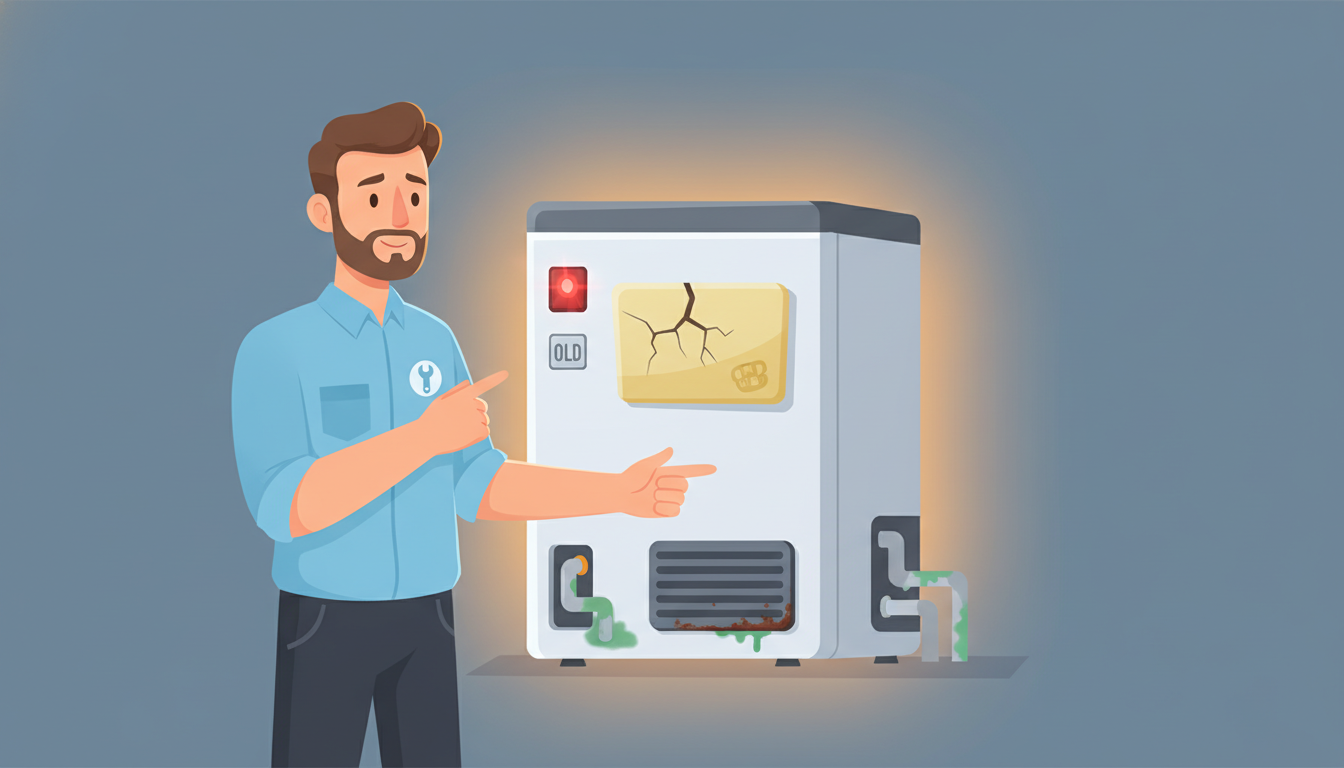
Your contractor should provide a detailed diagnosis of your current system's condition. They should explain what's wrong, what repairs would cost, and give you an honest assessment of your system's remaining lifespan. As a general rule, if your system is under 10 years old and the repair costs less than 50% of a new system's price, repair is usually the smarter choice.
They should also explain the "5,000 rule"—multiply your system's age by the repair cost. If the result exceeds $5,000, replacement often makes more financial sense. For example, a 12-year-old system needing a $600 repair equals 7,200, suggesting replacement might be better. But this should be explained to you, not used as a high-pressure sales tactic.
Be wary of contractors who immediately recommend replacement without thoroughly investigating repair options. This is especially suspicious if your system is relatively new. Learn more about when repair makes sense versus replacement.
Red Flag #3: Vague or Missing Equipment Specifications
When a contractor provides a quote for HVAC replacement, it should include detailed equipment specifications. Vague descriptions like "high-efficiency system" or "top-of-the-line unit" without specific model numbers are red flags.
What Your Contractor Should Explain:
Your contractor should provide exact brand names, model numbers, and efficiency ratings (SEER for cooling, AFUE for heating). They should explain what these ratings mean for your energy bills and comfort. For instance, a higher SEER rating means better energy efficiency, but it also comes with a higher upfront cost.
They should explain why they're recommending a particular brand and model for your specific situation. Are you in a climate where a heat pump makes sense? Would a variable-speed system better suit your needs? These aren't one-size-fits-all decisions, and your contractor should tailor their recommendations to your home and budget.
Additionally, your contractor should explain equipment matching—why the outdoor condensing unit must be properly matched with the indoor air handler or furnace. Mismatched components won't deliver the efficiency ratings promised and can void your warranty.
Red Flag #4: No Discussion of Ductwork Assessment
Your ductwork is just as important as the HVAC unit itself. If your contractor doesn't mention assessing your existing ductwork, that's a significant red flag.
What Your Contractor Should Explain:
Your contractor should inspect your ductwork and explain its current condition. Are there leaks? Is the sizing adequate for the new system? Does insulation need to be added or replaced? Duct leaks can waste 20-30% of your heating and cooling energy, according to the U.S. Department of Energy.
They should explain whether duct modifications are necessary for your new system. Sometimes a more efficient system requires different airflow, meaning duct adjustments. If your contractor plans to simply connect the new unit to old, leaky ductwork without addressing these issues, you won't get the efficiency or comfort you're paying for.
The quote should itemize any ductwork repairs or modifications separately, so you understand exactly what work is included and what it costs.
Red Flag #5: Avoiding Questions About Permits and Inspections
Professional HVAC replacement requires building permits in most jurisdictions. A contractor who dismisses permit requirements or suggests "saving money" by skipping them is putting you at risk.
What Your Contractor Should Explain:
Your contractor should clearly explain what permits are required for your HVAC replacement and confirm they'll handle obtaining them. They should explain that permits aren't just bureaucratic red tape—they ensure the installation meets safety codes and building standards.
They should also explain the inspection process. After installation, a building inspector typically verifies that the work meets code requirements. This protects you by ensuring the system is installed safely and correctly. If your contractor tries to avoid this step, they may be hiding substandard work or lack proper licensing.
Unpermitted work can come back to haunt you when you sell your home, potentially affecting your ability to close the sale or reducing your home's value.
Red Flag #6: Unclear Cost Breakdown and Hidden Fees
A professional HVAC replacement quote should be detailed and itemized. If your contractor provides only a single bottom-line number without breaking down costs, be suspicious.
What Your Contractor Should Explain:
Your contractor should provide an itemized estimate that separates equipment costs, labor, materials, permits, and any additional services like duct modifications or electrical upgrades. This transparency allows you to understand where your money is going and compare quotes fairly between contractors.
They should explain their warranty structure—what's covered by the manufacturer's warranty versus their installation warranty. Labor warranties typically range from 1-10 years, and this should be clearly stated in writing.
Watch for red flags like "additional fees may apply" or vague language about potential extra charges. Your contractor should explain upfront what scenarios might trigger additional costs and provide estimates for those possibilities. Unexpected charges after work begins often indicate poor planning or dishonest practices.
Be cautious of contractors who demand full payment upfront. Standard practice is a small deposit (usually 10-25%) with the balance due upon completion. Full upfront payment leaves you with no leverage if problems arise during installation.
Red Flag #7: No Explanation of the Installation Timeline
HVAC replacement isn't a quick afternoon project. The timeline matters for planning and sets expectations for disruption to your daily routine.
What Your Contractor Should Explain:
Your contractor should provide a realistic timeline for the entire project, from start to finish. A typical residential HVAC replacement takes 1-3 days depending on system complexity and whether ductwork modifications are needed.
They should explain the installation process step by step: how they'll protect your home during work, when they'll remove the old system, the sequence of new system installation, and when final testing and cleanup occur. They should also explain what you can expect in terms of noise, areas of your home that will be inaccessible, and whether you'll be without heating or cooling overnight.
Contractors who are vague about timing or promise unrealistically fast installation (like "we can do it all in 4 hours") may be cutting corners. Proper installation requires careful attention to detail, and rushing increases the likelihood of mistakes that will cost you later.
Red Flag #8: Dismissing Questions About Old Equipment Disposal
Proper disposal of your old HVAC equipment isn't just about hauling it away—it involves environmental regulations, especially regarding refrigerant.
What Your Contractor Should Explain:
Your contractor should explain how they'll remove and dispose of your old system. Federal law requires proper recovery and disposal of refrigerants by EPA-certified technicians. Your contractor should have Section 608 certification for handling refrigerants.
The quote should clearly state whether old equipment removal is included in the price. Some contractors charge separately for this service, which is fine as long as it's disclosed upfront. What's not acceptable is discovering an extra charge after the fact or finding your old equipment abandoned in your yard.
Your contractor should also explain if any parts of your old system can be recycled and whether they participate in utility rebate programs for disposing of old, inefficient equipment. Some utilities offer rebates for properly recycling old units.
Red Flag #9: No Discussion of Energy Efficiency Rebates
Many utility companies, state programs, and federal tax credits offer rebates and incentives for high-efficiency HVAC equipment. A contractor who doesn't mention these opportunities may not be looking out for your best interests.
What Your Contractor Should Explain:
Your contractor should be knowledgeable about available rebates and tax credits in your area. They should explain which systems qualify, what documentation you'll need, and whether they'll help you complete the necessary paperwork.
Some contractors are certified with specific manufacturers or programs that unlock additional rebates. They should explain these partnerships and how they benefit you. If your contractor seems unaware of rebate opportunities or dismissive when you ask about them, they may not be keeping up with industry programs that could save you money.
Keep in mind that rebates often have specific requirements about equipment efficiency levels, proper installation, and documentation. Your contractor should ensure all these requirements are met.
Red Flag #10: Refusing to Provide References or Proof of Credentials
Legitimate contractors have nothing to hide. If your contractor becomes defensive or evasive when you ask for references, licenses, or proof of insurance, that's a major warning sign.
What Your Contractor Should Explain:
Your contractor should readily provide their license number and proof of insurance. Most states require HVAC contractors to be licensed, and you can typically verify licenses through your state's contractor licensing board website.
They should explain their insurance coverage, including both liability insurance and workers' compensation. This protects you if someone is injured on your property or if installation errors cause damage to your home.
References from recent customers who had similar work done should be available upon request. A contractor with a solid track record will be proud to share testimonials and may even offer to show you past installation sites.
Professional certifications matter too. Look for North American Technician Excellence (NATE) certification, which demonstrates technical competency, and ask about manufacturer-specific training for the equipment they're installing.
Red Flag #11: High-Pressure Sales Tactics and Artificial Urgency
Perhaps the most common red flag in HVAC replacement is high-pressure sales tactics. These can take many forms, from "today-only" discounts to scare tactics about your current system.
What Your Contractor Should Explain:
A professional contractor understands that HVAC replacement is a significant decision requiring careful consideration. They should give you time to review quotes, ask questions, and compare options without pressure.
Be wary of contractors who use scare tactics like claiming your system is "dangerous" or "could fail at any moment" without providing concrete evidence. While safety issues do occur, they should be demonstrated clearly—such as showing you a cracked heat exchanger or explaining specific carbon monoxide risks with supporting data.
"Today-only" discounts or claims that prices will increase if you don't sign immediately are manipulation tactics. Legitimate promotions don't require split-second decisions. Your contractor should respect your need to make an informed choice.
Similarly, be cautious of contractors who badmouth every other company or claim to be the only ones who can do the job correctly. This often indicates insecurity about their own services rather than genuine concern for quality.
Red Flag #12: Poor Communication and Lack of Professionalism
Communication problems before installation often predict bigger issues during and after the project. How your contractor communicates tells you a lot about how they'll handle your project.
What Your Contractor Should Explain:
From your first contact, your contractor should communicate clearly and professionally. They should return calls and emails promptly, show up on time for appointments, and dress appropriately.
During the consultation, they should listen to your concerns and answer questions in language you understand, avoiding unnecessary jargon. When technical terms are necessary, they should take time to explain them.
Professional contractors also maintain professional appearances. Branded vehicles, uniforms, and proper identification aren't just about looking good—they demonstrate a commitment to their business and accountability for their work.
Red flags include missed appointments without notification, unreturned calls, unclear explanations, or making you feel stupid for asking questions. Your comfort and understanding should be priorities for any contractor you hire. For more guidance on spotting problematic contractors, check out our article on red flags when hiring an HVAC contractor.
What to Do When You Spot Red Flags
If you encounter any of these red flags during your HVAC replacement process, don't ignore them. Trust your instincts. Here's what you should do:
Get Multiple Quotes: Always obtain at least three quotes from different contractors. This gives you comparison points and helps you identify outliers—whether suspiciously low prices or unusually high ones.
Ask for Explanations: Don't be afraid to ask contractors to explain anything you don't understand. A good contractor will welcome your questions and take time to educate you.
Verify Credentials: Check licenses, insurance, and certifications independently. Don't just take the contractor's word for it.
Read Reviews: Check online reviews on multiple platforms. Look for patterns in complaints or praise. One bad review might be an outlier, but consistent issues across many reviews indicate real problems.
Get Everything in Writing: Verbal promises mean nothing if problems arise. Ensure all agreements, warranties, specifications, and guarantees are documented in your contract.
Trust Your Gut: If something feels wrong, it probably is. Don't let pressure or convenience override your instincts about a contractor's trustworthiness.
Questions to Ask Your HVAC Contractor
To ensure transparency and identify potential red flags early, ask these questions:
- Will you perform a Manual J load calculation for proper system sizing?
- What are the exact brand, model, and efficiency ratings of the equipment you're recommending?
- Have you assessed my ductwork, and are modifications needed?
- What permits are required, and will you handle obtaining them?
- Can you provide an itemized quote breaking down all costs?
- What is your installation timeline, and what should I expect during the process?
- How will you dispose of my old equipment?
- What rebates or tax credits am I eligible for with this system?
- Can you provide proof of licensing, insurance, and certifications?
- What warranties cover this installation, and what do they include?
The answers to these questions will quickly reveal whether you're dealing with a professional contractor or someone who's cutting corners.
Finding a Trustworthy HVAC Contractor
The best way to avoid red flags is to thoroughly vet contractors before you even request a quote. Start by asking friends, family, and neighbors for recommendations. Personal referrals often lead to the most trustworthy contractors.
Research potential contractors online, checking their Better Business Bureau ratings, Google reviews, and industry certifications. Look for contractors who are active in professional organizations and invest in ongoing training for their technicians.
When you contact contractors, pay attention to how they treat you from the first interaction. Professional, courteous communication from the start usually indicates how the entire project will go.
Remember that the cheapest quote isn't always the best value. Quality installation, proper equipment sizing, and good customer service are worth paying for. A system installed correctly will serve you better and last longer than one installed by the lowest bidder who cuts corners.
For additional guidance on maintaining your system once installed, visit our HVAC repair guide.
Frequently Asked Questions
How much should an HVAC replacement cost?
HVAC replacement costs typically range from $5,000 to $12,000 for a complete system, depending on system size, efficiency ratings, brand, and installation complexity. Costs vary significantly by region and specific home requirements. Be wary of quotes significantly below or above this range without clear explanations.
How long does HVAC replacement take?
Most residential HVAC replacements take 1-3 days. A straightforward replacement with no ductwork modifications might be completed in one day, while complex installations requiring duct modifications, electrical upgrades, or difficult access can take longer. Your contractor should provide a specific timeline for your project.
Do I need a permit for HVAC replacement?
In most jurisdictions, yes. HVAC replacement typically requires a building permit to ensure the work meets local codes and safety standards. Your contractor should handle obtaining permits, and the cost is usually included in your quote. Never allow a contractor to skip permits to "save money."
What SEER rating should I choose?
The minimum SEER rating for new systems is currently 14-15 depending on your region, but higher ratings (16-20+) offer better energy efficiency. The right choice depends on your climate, how long you plan to stay in your home, and your budget. Your contractor should help you calculate the payback period for higher-efficiency systems based on your specific situation.
Can I replace just the outdoor unit or indoor unit?
While it's sometimes possible, it's generally not recommended. HVAC systems are designed as matched sets, and replacing only one component can reduce efficiency, void warranties, and lead to premature failure. Your contractor should explain why full system replacement is usually the better choice, or provide clear reasoning if partial replacement makes sense in your situation.
Conclusion: Protect Your Investment with an Informed Decision
HVAC replacement represents a significant investment in your home's comfort, efficiency, and value. The contractor you choose will determine whether that investment pays off or becomes an expensive source of frustration.
By recognizing these red flags and knowing what your contractor should explain, you're equipped to make an informed decision. Don't settle for vague answers, high-pressure tactics, or contractors who make you feel uncomfortable asking questions.
The right contractor will educate you throughout the process, provide transparent pricing, and prioritize your long-term satisfaction over a quick sale. They'll take pride in their work and stand behind it with solid warranties and responsive service.
Take your time, ask questions, verify credentials, and trust your instincts. Your home deserves quality workmanship from a contractor who values transparency and professionalism. When you find that contractor, you'll enjoy years of reliable comfort from your new HVAC system.
Ready to start your HVAC replacement project? Use this guide as your checklist to evaluate contractors and ensure you're working with someone who has your best interests at heart. The few extra hours you invest in due diligence now can save you thousands of dollars and countless headaches in the years to come.