Why Does My HVAC System Buzz, Rattle, or Grind? (And What to Do About It)
Why Does My HVAC System Buzz, Rattle, or Grind? (And What to Do About It)
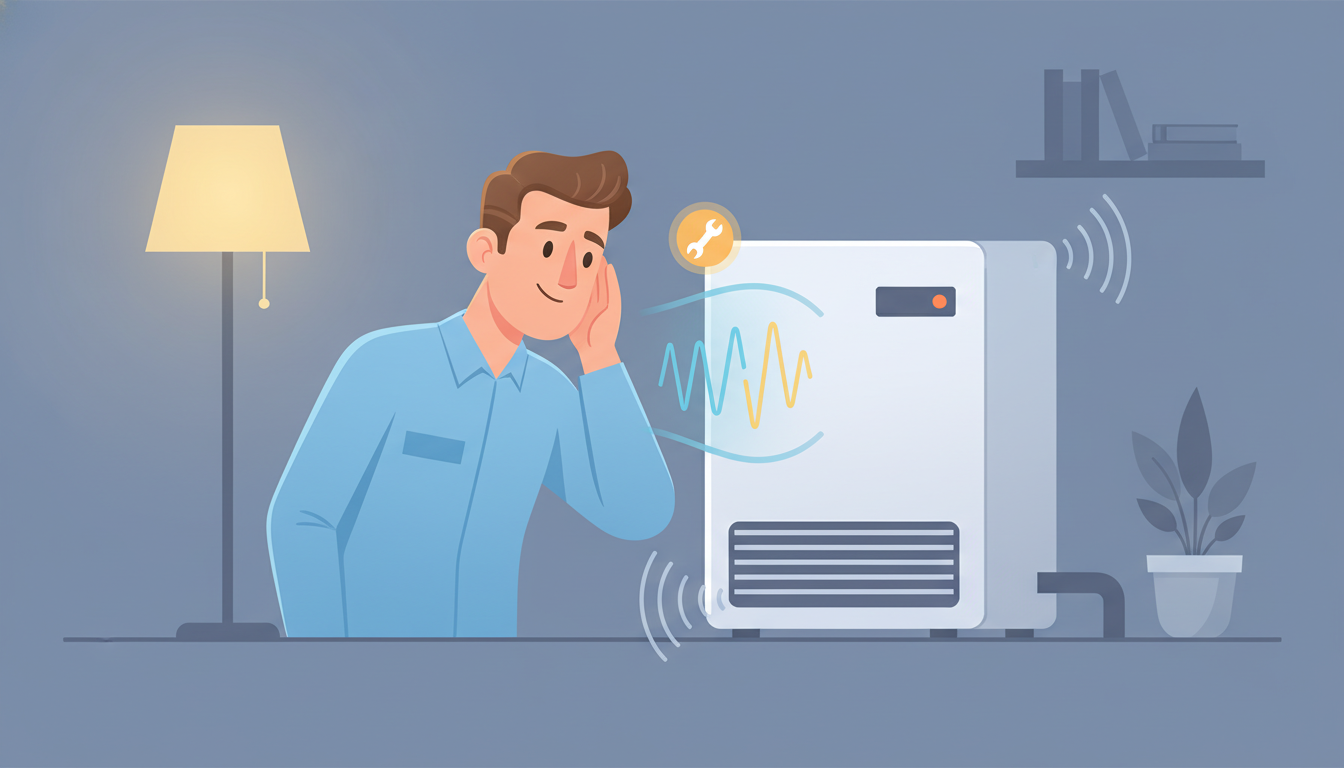
Is your HVAC system making strange noises that keep you up at night? If you're hearing buzzing, rattling, or grinding sounds coming from your heating and cooling system, you're not alone. These noises are your HVAC system's way of telling you something's wrong. Understanding what each sound means can help you determine whether you need immediate professional help or if it's a minor issue you can address yourself.
Understanding HVAC Noises: What's Normal vs. What's Not
Before we dive into specific sounds, it's important to know that some HVAC noise is completely normal. A quiet hum when your system starts up, gentle airflow through your vents, or the occasional click of your thermostat are all typical sounds.
However, loud buzzing, persistent rattling, or grinding noises are red flags. These sounds indicate mechanical problems, electrical issues, or loose components that need attention. Ignoring these warning signs can lead to more expensive repairs down the road or even complete system failure.
Why Is My HVAC Making a Buzzing Sound?
A buzzing noise from your HVAC system almost always points to an electrical problem. This is one of the most common complaints homeowners have, and it's one you shouldn't ignore.
Common Causes of HVAC Buzzing
1. Failing Capacitor
Your air conditioner's capacitor stores electrical energy and helps start the compressor and fan motors. When a capacitor begins to fail, it creates a loud buzzing sound, especially when your system tries to start up. This is one of the most frequent causes of buzzing in HVAC systems.
What to do: Turn off your system and call an HVAC technician. A failing capacitor can damage other components if left unaddressed. Capacitor replacement typically costs between $150-$400.
2. Contactor Issues
The contactor is an electrical component that controls the flow of electricity to your compressor and condenser fan. When the contactor fails or gets dirty, it can create a buzzing or humming sound. You might notice this sound coming from your outdoor unit.
What to do: This requires professional repair. Don't attempt to clean or replace the contactor yourself, as it involves high voltage. Professional HVAC repair typically costs $100-$300 for contactor replacement.
3. Frozen Evaporator Coils
If your evaporator coils freeze over due to restricted airflow or low refrigerant, your system may produce a buzzing sound as it struggles to operate. You might also notice reduced cooling performance and ice buildup on the outdoor unit.
What to do: Turn off your system and let it thaw completely (this can take several hours). Check your air filter and replace it if dirty. If the problem persists, you likely have a refrigerant leak or airflow restriction that needs professional attention.
4. Loose Electrical Connections
Loose wiring or electrical connections can create a buzzing or arcing sound. This is particularly dangerous as it can lead to electrical fires or damage to your system's electrical components.
What to do: Turn off your system immediately. This is an electrical hazard that requires immediate professional attention. Never attempt to inspect or repair electrical connections yourself.
5. Compressor Malfunction
A failing compressor often makes a loud buzzing noise, especially when it tries to start but can't. This is sometimes called "hard starting" and indicates the compressor is struggling to function properly.
What to do: Shut down your system to prevent further damage. Compressor replacement is one of the more expensive HVAC repairs, ranging from $1,500-$3,000 depending on your system size.
6. Refrigerant Line Issues
If your refrigerant lines are vibrating against your home's framing or other components, they can create a buzzing vibration. This is less serious than electrical buzzing but still needs attention.
What to do: An HVAC technician can reposition and secure the refrigerant lines to eliminate the noise.
What Causes Rattling Noise From HVAC Unit?
Rattling sounds are typically mechanical rather than electrical. They often indicate loose components or debris in your system. While usually less urgent than buzzing or grinding, rattling shouldn't be ignored.
Common Causes of HVAC Rattling
1. Loose Access Panels or Covers
The metal panels that cover your indoor and outdoor HVAC units can become loose over time due to vibration. When your system runs, these panels rattle against the unit.
What to do: This is an easy DIY fix. Turn off your system, check all access panels on both indoor and outdoor units, and tighten any loose screws. This takes about 10 minutes and costs nothing.
2. Debris in the Outdoor Unit
Leaves, twigs, small rocks, or other debris can get into your outdoor condenser unit and rattle around when the fan spins. This is especially common in fall when leaves are falling or after storms.
What to do: Turn off power to your outdoor unit at the breaker. Remove the top grille and carefully remove any debris. While you're at it, check that nothing is obstructing airflow around the unit.
3. Loose Motor Mounts
The motors in your HVAC system sit on rubber mounts that dampen vibration. Over time, these mounts can deteriorate or the mounting bolts can loosen, causing the motor to rattle.
What to do: This requires professional diagnosis and repair. A technician can tighten loose mounts or replace deteriorated ones, typically costing $150-$300.
4. Ductwork Expansion and Contraction
Metal ductwork naturally expands when heated and contracts when cooled. This thermal expansion can sometimes create rattling or popping sounds, especially when your system first starts.
What to do: If the noise is brief and only happens at startup, it's usually normal. If it's constant or worsening, have a technician inspect your ductwork for loose connections or inadequate support.
5. Loose Fan Blades
Both your indoor blower and outdoor condenser have fan blades that can become loose. A blower motor that's not working properly or has loose blades will create a rattling sound.
What to do: Don't attempt to tighten fan blades yourself—they're precisely balanced, and improper handling can make the problem worse. Call a professional for inspection.
6. Aging System Vibrations
As HVAC systems age, components can wear and create more vibration during operation. You might notice your system is suddenly louder than usual even though nothing specific is broken.
What to do: Regular maintenance can help minimize vibration-related noise. If the rattling is excessive, consider having vibration-dampening pads installed under your outdoor unit (typically $50-$150).
HVAC Grinding Noise: An Emergency Situation
If you hear grinding coming from your HVAC system, this is the most serious of the three noise types. Grinding indicates metal-on-metal contact, which means something is badly worn or damaged. Stop reading and turn off your system immediately if you hear grinding.
Common Causes of HVAC Grinding Noise
1. Worn Motor Bearings
The bearings in your blower motor or condenser fan motor can wear out over time. When they fail completely, the motor shaft grinds against the housing, creating a distinctive metal-on-metal grinding sound.
What to do: Turn off your system immediately. Continued operation will destroy the motor completely. Motor bearing replacement or motor replacement costs between $300-$800, depending on which motor is affected.
2. Compressor Failure
A grinding sound from your compressor is particularly serious. It usually indicates internal compressor failure, which is one of the most expensive HVAC repairs. The grinding occurs when internal components break down and metal parts scrape against each other.
What to do: Shut down your system immediately and call for emergency HVAC service. Continuing to run a failing compressor will cause catastrophic failure. Compressor replacement costs $1,500-$3,000 or more.
3. Broken Blower Wheel
If the blower wheel that circulates air through your home becomes damaged or breaks, pieces can grind against the blower housing. You might also notice significantly reduced airflow.
What to do: Turn off your system and call a technician. Blower wheel replacement typically costs $200-$500.
4. Failed Fan Motor
When a fan motor fails completely, the shaft can seize and create a grinding sound as the system tries to turn it. This can happen to either your indoor blower motor or outdoor condenser fan motor.
What to do: Immediate shutdown is required. Motor replacement is necessary and will cost $300-$900 depending on the motor type and size.
How Urgent Is Each Type of Noise?
Understanding the urgency level of different HVAC noises can help you respond appropriately:
Immediate Shutdown Required:
- Grinding noises (metal-on-metal contact)
- Loud electrical buzzing with burning smell
- Buzzing combined with system not starting
- Any noise accompanied by smoke
Turn Off and Schedule Service Soon:
- Persistent loud buzzing without other symptoms
- Buzzing that occurs every time system starts
- Continuous loud rattling that worsens over time
Monitor and Schedule Regular Service:
- Brief rattling at startup
- Quiet buzzing that comes and goes
- Occasional rattling from ductwork
- Gentle vibration sounds
Usually Safe to Continue Operating:
- Quiet humming during operation
- Brief clicking when thermostat engages
- Gentle whoosh of air through vents
DIY Troubleshooting Steps Before Calling a Pro
Before you pick up the phone to call an HVAC technician, here are some simple troubleshooting steps you can safely perform yourself:
Step 1: Identify the Sound Location
Is the noise coming from your indoor air handler or outdoor condenser unit? Knowing this helps you and your technician narrow down the problem.
Step 2: Note When It Occurs
Does the noise happen at startup, during operation, or when shutting down? Intermittent or constant? This information is valuable for diagnosis.
Step 3: Check Your Air Filter
A dirty air filter can cause numerous HVAC problems and unusual noises. Replace it if it hasn't been changed in the last 1-3 months.
Step 4: Inspect the Outdoor Unit
Look for obvious problems: debris inside the unit, loose panels, damaged fan blades (with the unit OFF), or anything blocking airflow.
Step 5: Check the Thermostat
Make sure your thermostat is set correctly and functioning properly. Sometimes what sounds like an HVAC problem is actually a thermostat issue.
Step 6: Listen for Patterns
Does the noise change with temperature settings? Does it get worse over time? These patterns help technicians diagnose the issue faster.
What NOT to Do:
- Never open electrical panels or touch electrical components
- Don't try to repair or adjust the compressor
- Avoid tightening anything you're not certain about
- Don't continue running your system if you hear grinding
- Never bypass safety switches or controls
How Much Will Repairs Cost?
Understanding typical repair costs helps you budget and make informed decisions:
- Capacitor replacement: $150-$400
- Contactor replacement: $100-$300
- Fan motor repair/replacement: $300-$900
- Blower motor replacement: $400-$800
- Compressor replacement: $1,500-$3,000+
- Refrigerant leak repair: $200-$1,500
- Minor repairs (tightening, cleaning): $75-$200
Keep in mind these are approximate ranges. Actual costs vary based on your location, system type, and the specific repair needed. Emergency service calls typically cost 1.5-2 times regular rates.
Preventing HVAC Noises: Maintenance Matters
Many HVAC noises can be prevented with regular maintenance. Here's what you should do:
Monthly:
- Change or clean your air filter
- Check for debris around outdoor unit
- Listen for any new or worsening sounds
Quarterly:
- Inspect outdoor unit for damage
- Check that outdoor unit is level
- Clear vegetation around condenser (maintain 2-foot clearance)
Annually (Professional Service):
- Complete system inspection
- Electrical connection tightening
- Lubrication of moving parts
- Refrigerant level check
- Cleaning of coils and components
- Calibration of thermostat
Professional maintenance costs $75-$200 per visit but can prevent thousands in repair costs and extend your system's lifespan by 5-10 years.
When to Repair vs. Replace Your HVAC System
If you're facing a major repair, you might wonder whether it's worth fixing or if you should replace the entire system. Use the 50% rule: If the repair cost exceeds 50% of a new system's cost and your current system is more than 10 years old, replacement might be the better investment.
Consider replacement if:
- Your system is 15+ years old
- Repair costs exceed $1,500 and system is 10+ years old
- You've had multiple repairs in the past 2 years
- Your energy bills keep increasing
- Some rooms are always too hot or too cold
Repair might be better if:
- Your system is less than 10 years old
- The repair is minor (under $500)
- This is your first major repair
- The system otherwise works efficiently
- You're planning to move within 2-3 years
Frequently Asked Questions
Q: Is it safe to keep running my HVAC if it's making a buzzing noise?
A: If the buzzing is accompanied by other symptoms like the system not starting, reduced cooling, or a burning smell, turn it off immediately. For mild buzzing with no other issues, you can continue operation briefly, but schedule service within a few days. Electrical buzzing can indicate hazards like loose wiring or failing capacitors that may worsen quickly.
Q: Can I fix HVAC rattling myself?
A: Some rattling issues are DIY-friendly, like tightening loose panels or removing debris from your outdoor unit. However, rattling from internal components like motor mounts, fan blades, or ductwork connections should be handled by professionals. Never attempt repairs that require removing major components or accessing electrical systems.
Q: What's the difference between buzzing and humming?
A: Humming is typically a low, steady sound that's often normal during HVAC operation. It comes from the transformer and other electrical components working properly. Buzzing is usually louder, more erratic, and often indicates an electrical problem. If you're unsure whether your sound is normal humming or problematic buzzing, have a technician assess it.
Q: How quickly do I need to address a grinding noise?
A: Immediately. Grinding noises indicate severe mechanical failure with metal-on-metal contact. Turn off your system the moment you hear grinding and call for emergency service. Every minute your system runs with grinding sounds causes additional damage that increases repair costs. This is the most urgent HVAC sound you can hear.
Q: Will homeowner's insurance cover HVAC noise repairs?
A: Standard homeowner's insurance typically doesn't cover repairs due to normal wear and tear, which is what causes most HVAC noises. However, if the damage was caused by a covered event (like a power surge from lightning), your policy might cover it. Check with your insurance agent. Home warranty plans often cover HVAC repairs after a deductible.
Q: Can a dirty air filter cause buzzing or rattling?
A: Yes, indirectly. A severely clogged air filter restricts airflow, which can cause your system to work harder and create unusual sounds. It can also cause your evaporator coils to freeze, which leads to buzzing. Additionally, restricted airflow increases system vibration, which can create or worsen rattling. Always check your air filter first when troubleshooting strange noises.
Q: How do I find a reliable HVAC technician?
A: Look for technicians who are licensed and insured, have good online reviews, offer transparent pricing, and are certified by organizations like NATE (North American Technician Excellence). Get multiple quotes for expensive repairs, and don't feel pressured to make immediate decisions on major repairs or replacements. A reputable technician will explain the problem clearly and give you options.
Take Action Today
HVAC noises rarely fix themselves—they almost always get worse over time. Whether you're hearing buzzing, rattling, or grinding, the best time to address the problem is now, before a minor repair becomes a major expense.
For buzzing or grinding sounds, turn off your system and contact a professional HVAC technician today. For rattling noises, try the simple DIY checks we covered, and if the sound persists, schedule a service call.
Regular maintenance is your best defense against unexpected breakdowns and costly emergency repairs. If you haven't had your HVAC system professionally serviced in the past year, now is the perfect time to schedule that appointment.
Don't let strange noises from your HVAC system keep you up at night. Take action today to protect your comfort and your investment in your home's heating and cooling system.