Why Is My HVAC System Suddenly Much Louder Than Usual?
Why Is My HVAC System Suddenly Much Louder Than Usual?
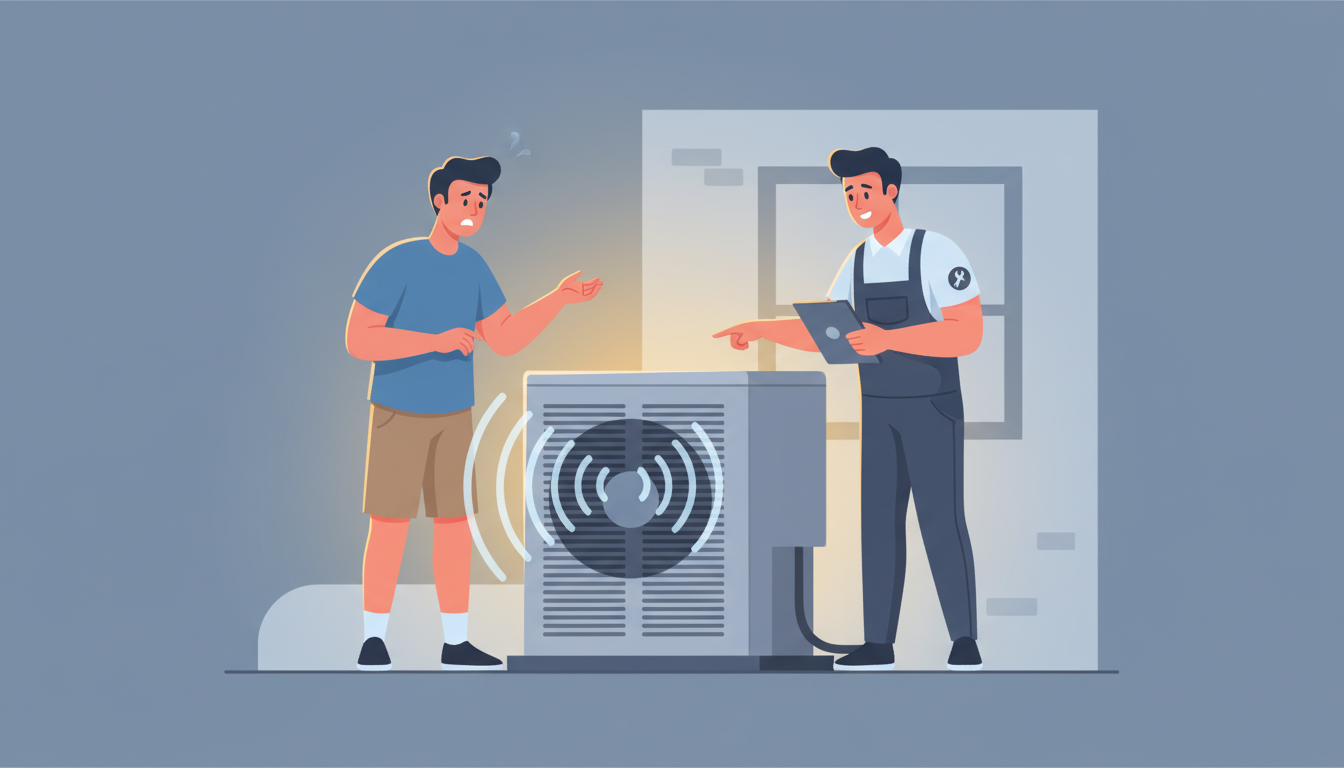
If your HVAC system suddenly sounds like it's auditioning for a heavy metal band, you're not alone. A noisy HVAC unit isn't just annoying—it's often a warning sign that something needs attention. Whether you're hearing rattling, banging, squealing, or grinding sounds, a sudden increase in noise level deserves investigation. In this guide, we'll walk you through the most common reasons your HVAC system suddenly got louder and what you can do about it.
Understanding Normal vs. Abnormal HVAC Sounds
Before we dive into problems, it's important to know what's normal. Your HVAC system will always make some noise during operation. You might hear a gentle whooshing sound from airflow, a soft click when the thermostat signals the system to start, or a low hum from the compressor.
What's not normal is a sudden, dramatic increase in noise level. If your system was relatively quiet last week and now sounds like a freight train, something has changed. The key word here is "suddenly"—gradual noise increases over years might indicate normal wear and tear, but overnight changes signal an immediate issue.
Pay attention to when the noise occurs. Does it happen when the system starts up? During operation? When it shuts down? This timing can help you identify the culprit.
Common Causes of Sudden HVAC Noise
1. Loose or Rattling Components
One of the most frequent causes of sudden HVAC noise is loose parts. Over time, the constant vibration from your system's operation can work screws, bolts, and panels loose. When this happens, you'll typically hear a rattling or vibrating sound that gets worse when the system is running.
What to check:
- Access panels on your indoor air handler
- Screws on the outdoor condenser unit cabinet
- Mounting brackets that secure the unit
- Fan blades that might have become loose
Many homeowners can tighten accessible screws and panels themselves. Just make sure to turn off power to the unit at the breaker before doing any inspection. If the loose component is internal, you'll need professional help.
2. Debris in the Outdoor Unit
Your outdoor condenser unit is exposed to the elements year-round. Leaves, twigs, dirt, grass clippings, and even small toys can find their way into the unit. When debris interferes with the fan blades or gets caught in other moving parts, you'll hear rattling, clicking, or scraping sounds.
This problem often appears suddenly after a storm, on a windy day, or when you first turn on your AC after winter. The good news? It's usually an easy fix.
DIY fix:
- Turn off power to the unit at the breaker
- Remove the top grille or access panel
- Carefully remove any visible debris
- Use a garden hose to gently rinse the fins (spray from inside out)
- Replace the panel and restore power
Never stick your hands into a running unit, and avoid bending the delicate aluminum fins on the condenser coils.
3. Blower Motor and Fan Problems
The blower motor is responsible for circulating air through your ductwork. When bearings wear out or the motor begins to fail, you'll hear squealing, screeching, or grinding sounds. These noises often start intermittently and become more frequent over time.
Warning signs:
- High-pitched squealing when the system starts
- Grinding or scraping sounds during operation
- The fan seems to struggle or runs slower than usual
- Burning smell accompanying the noise
Blower motor issues require professional attention. A technician can determine if the motor needs lubrication, bearing replacement, or full motor replacement. Don't ignore these sounds—a failing blower motor can overheat and cause more expensive damage. For more information on blower motor issues, check out our guide on common causes when a blower motor stops working.
4. Compressor Malfunctions
The compressor is the heart of your air conditioning system. When it fails or struggles, you'll know it. Compressor problems create loud humming, buzzing, clicking, or even clanking sounds. Because the compressor is an expensive component, these noises should never be ignored.
What causes compressor noise:
- Electrical problems preventing proper startup (creates humming)
- Failing internal components (grinding or clanking)
- Locked compressor trying to start (loud buzzing)
- Loose mounting hardware (vibration and rattling)
If you hear loud buzzing or humming but your AC isn't cooling, shut the system off immediately. A compressor trying and failing to start can draw excessive electrical current and damage other components. This is definitely a job for a professional HVAC technician.
5. Refrigerant Leaks
A hissing or bubbling sound coming from your HVAC system often indicates a refrigerant leak. While refrigerant itself doesn't make much noise as it flows normally, escaping refrigerant creates a distinct hissing sound—like air leaking from a tire.
Refrigerant leaks are serious for two reasons. First, your system won't cool properly without adequate refrigerant. Second, some refrigerants can be harmful to the environment and must be handled by certified professionals.
Signs of a refrigerant leak:
- Hissing or bubbling sounds near refrigerant lines
- Ice buildup on the outdoor unit or refrigerant lines
- Reduced cooling performance
- Higher energy bills
Never attempt to fix refrigerant leaks yourself. Handling refrigerant requires EPA certification. Call a licensed HVAC technician who can locate the leak, repair it, and recharge your system with the correct amount of refrigerant.
6. Ductwork Issues
Your ductwork is like the highway system for conditioned air. When ducts are damaged, loose, or improperly sized, you'll hear banging, popping, or whooshing sounds. Duct noise often appears suddenly when:
- Temperature changes cause metal ducts to expand and contract
- A duct section comes loose from its connection
- High air pressure finds a gap or hole in the ductwork
- Flexible ductwork develops tears or separations
Banging sounds when your system starts or stops are classic signs of duct expansion and contraction. While annoying, this isn't always dangerous. However, if you hear constant whooshing or whistling, you likely have an air leak that's wasting energy and reducing comfort.
Small accessible duct leaks can be sealed with mastic sealant or metal tape (never regular duct tape, which deteriorates quickly). For ductwork in walls, attics, or crawl spaces, call a professional.
7. Dirty or Clogged Air Filters
A clogged air filter might seem like a minor issue, but it can make your entire HVAC system louder. When airflow is restricted, your system has to work harder, creating more noise from the blower motor and causing pressure imbalances in the ductwork.
These pressure imbalances can cause:
- Whistling sounds at vents and registers
- Banging or popping in ducts as they flex under pressure
- Louder blower motor operation
- Vibration throughout the system
The fix is simple: Replace your air filter regularly. Most systems need a new filter every 1-3 months, depending on factors like pets, allergies, and how often you run the system. Keep spare filters on hand and check monthly.
When you remove the old filter, hold it up to a light source. If you can't see light through it, it's definitely clogged. For comprehensive HVAC maintenance tips, see our complete HVAC repair guide.
8. Electrical and Capacitor Problems
Electrical issues create distinctive sounds. You might hear:
- Clicking: Often indicates a failing relay or control board
- Buzzing: Usually points to electrical arcing or a bad contactor
- Humming: Can signal a failing capacitor
The capacitor is like a battery that gives your motors the electrical boost they need to start. When capacitors fail, motors struggle to start, creating a loud humming sound. This is especially common in older systems or during extremely hot weather when the system works hardest.
Electrical problems are dangerous and should always be handled by professionals. If you hear persistent clicking or buzzing accompanied by the smell of burning plastic or electrical odors, shut off your system and call an HVAC technician immediately.
9. Worn Belts and Bearings
Older HVAC systems use belts to connect motors to blowers and fans. As these belts age, they can crack, fray, or slip, creating squealing or screeching sounds. Belt problems typically worsen when the system first starts up and may improve once everything is running.
Similarly, bearings in motors and fans need lubrication. Dry or worn bearings create grinding, squealing, or chirping sounds. The noise often changes pitch or intensity as the system runs.
What you can do:
- Visual inspection: Look for cracked, glazed, or loose belts
- Note the sound pattern: Does it improve after a few minutes?
- Check for burning rubber smell
Belt replacement and bearing lubrication are maintenance tasks best left to professionals during annual tune-ups.
10. Damper and Vent Problems
If your system uses zone controls or automatic dampers, these can create loud banging or slamming sounds. Dampers are like doors inside your ductwork that open and close to control airflow to different areas of your home.
When dampers slam shut quickly—often due to high system pressure from a clogged filter—it sounds like someone banging on metal. This is particularly noticeable when the system cycles on and off.
Contributing factors:
- Clogged air filter creating pressure imbalances
- Damper motors malfunctioning
- Improper damper installation
- Thermostat zone settings
Replacing your air filter often resolves sudden damper noise. If the problem persists, the damper actuators might need adjustment or replacement.
When to Call a Professional vs. DIY Fixes
Some HVAC noises you can address yourself, while others require professional expertise. Here's a quick breakdown:
Safe for DIY:
- Replacing air filters
- Removing debris from the outdoor unit
- Tightening visible loose screws or panels
- Checking that vents and registers are fully open
- Ensuring nothing is blocking airflow around the unit
Call a Professional For:
- Any electrical issues (buzzing, clicking, burning smells)
- Refrigerant leaks or recharging
- Compressor problems
- Blower motor replacement
- Internal component repairs
- Ductwork repairs in inaccessible areas
- Any time you're unsure about safety
If you're not comfortable or confident in your ability to safely inspect or fix the problem, it's always better to call a professional. The cost of a service call is much less than the cost of accidental damage or injury. For specific guidance on different HVAC noises, read our article about when your HVAC system buzzes, rattles, or grinds.
Is a Loud HVAC System an Emergency?
Not all loud HVAC noises require emergency service, but some do. Here's how to assess urgency:
Emergency—Shut Off and Call Immediately:
- Burning smell with loud noise
- Loud banging or clanking that sounds like metal-on-metal impact
- Sparking or electrical arcing sounds
- Smoke coming from the unit
- Compressor that won't start but hums loudly and continuously
Urgent—Call Same Day:
- Complete loss of cooling or heating
- Refrigerant leak (hissing with ice buildup)
- Extremely loud grinding that gets worse over time
- System short-cycling with loud noises
Schedule Soon—Call Within a Few Days:
- Intermittent squealing or squeaking
- Rattling from loose components
- Duct banging during startup/shutdown
- Gradually increasing noise over several days
Most sudden noise increases should be addressed within a few days to prevent minor issues from becoming major repairs. Your HVAC system is telling you something is wrong—it's best to listen.
Preventing Your HVAC System From Getting Louder
Prevention is always easier and cheaper than repairs. Here are key maintenance steps to keep your HVAC system running quietly:
Monthly:
- Check and replace air filters as needed
- Ensure vents and registers are open and unobstructed
- Listen for new or unusual sounds
Seasonally:
- Clear debris from around the outdoor unit
- Inspect accessible ductwork for gaps or damage
- Check that the outdoor unit is level (settling can cause problems)
- Ensure at least 2 feet of clearance around the outdoor unit
Annually:
- Schedule professional maintenance before cooling and heating seasons
- Have a technician lubricate moving parts
- Get electrical connections checked and tightened
- Request inspection of refrigerant levels
- Have condensate drains cleaned
Annual professional maintenance can catch small problems before they become loud, expensive failures. Many HVAC companies offer maintenance plans that include priority service and discounts on repairs.
Understanding System Age and Normal Wear
Even with perfect maintenance, HVAC systems don't last forever. Most systems have a lifespan of 15-20 years. As your system ages, some increase in noise is normal as components wear.
However, there's a difference between gradual aging and sudden failures. If your 15-year-old system has slowly gotten a bit louder over the years, that's expected. If it suddenly developed loud noises this week, something specific has failed or come loose.
Consider the age of your system when deciding between repair and replacement:
- System under 10 years old: Usually worth repairing
- System 10-15 years old: Depends on repair cost and efficiency
- System over 15 years old: Replacement often makes more sense, especially for major repairs
A good rule of thumb: if the repair costs more than half the price of a new system, and your current system is over 10 years old, replacement is often the smarter long-term investment.
Frequently Asked Questions
Why did my HVAC suddenly get louder overnight?
Sudden overnight noise changes typically indicate a specific component failure or something has come loose. Common causes include debris entering the outdoor unit, a bearing failure, a belt that finally broke, or a component that worked loose and is now rattling. Check your air filter and outdoor unit for obvious problems, then call a technician if you can't identify the source.
Is it safe to run my HVAC if it's making loud noises?
It depends on the type of noise. Mild rattling from loose panels is generally safe temporarily while you schedule service. However, loud grinding, metal-on-metal banging, electrical buzzing, or burning smells mean you should shut the system off immediately. When in doubt, turn it off and call a professional—running a failing component can cause much more expensive damage.
How much does it cost to fix a noisy HVAC system?
Repair costs vary widely depending on the problem. Simple fixes like tightening loose parts or replacing a filter cost little to nothing. Belt replacement might run $100-200. Motor replacements can cost $300-600. Major repairs like compressor replacement can exceed $1,500-2,500. The only way to know is to have a professional diagnose the specific issue.
Can a dirty air filter really make my whole HVAC system louder?
Yes, absolutely. A severely clogged air filter restricts airflow, forcing your blower motor to work harder (creating more noise). The pressure imbalance also causes ductwork to flex and pop as air struggles to move through the system. Filter replacement is the easiest fix and should always be your first step when troubleshooting noise.
Should I try to fix HVAC noises myself?
Only attempt DIY fixes that don't involve electrical work, refrigerant, or internal components. Replacing filters, removing debris, and tightening visible screws are safe. Everything else should be left to professionals who have the training, tools, and insurance to work safely on your system.
Take Action Before Small Problems Become Big Ones
A suddenly louder HVAC system is trying to tell you something. Whether it's a simple loose screw or a failing component, addressing the problem quickly saves you money, prevents system failures during extreme weather, and keeps your home comfortable.
Start with the easy checks: replace your air filter, clear debris from the outdoor unit, and look for obviously loose components. If the noise persists or you're uncomfortable doing the inspection yourself, don't hesitate to call a qualified HVAC technician.
Regular maintenance is your best defense against sudden noise problems. An annual tune-up catches issues before they become noisy failures, extends your system's lifespan, and keeps it running efficiently.
Don't let a noisy HVAC system disrupt your comfort. If you've tried the basic troubleshooting steps and your system is still louder than usual, it's time to call in the professionals. The sooner you address unusual noises, the less likely you are to face an expensive emergency repair or complete system failure.
Your HVAC system works hard to keep you comfortable year-round. When it starts making noise, it deserves attention. Listen to what it's telling you, and take action to keep it running quietly and efficiently for years to come.