Why Does My HVAC System Run Even When the Thermostat Is Off?
Why Does My HVAC System Run Even When the Thermostat Is Off?
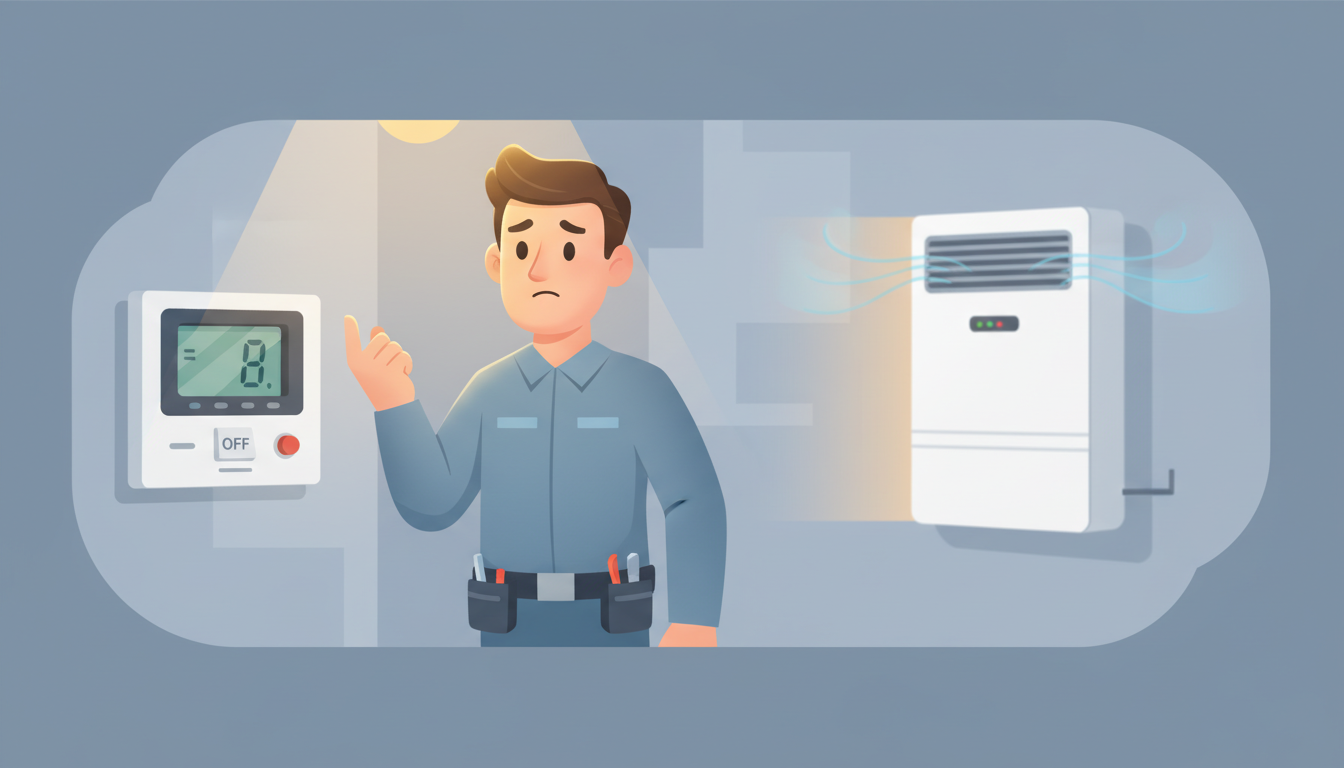
You set your thermostat to "off," but your HVAC system keeps humming along like it didn't get the memo. This frustrating problem isn't just annoying—it can spike your energy bills and signal a serious issue with your heating and cooling system.
If your HVAC system runs even when the thermostat is off, you're likely dealing with one of several common culprits: a stuck contactor relay, faulty thermostat wiring, a malfunctioning control board, or incorrect fan settings. The good news? Many of these issues have straightforward fixes you can try before calling a professional.
In this guide, we'll walk you through exactly why your system won't stop running and what you can do about it.
Understanding Normal HVAC Operation vs. Continuous Running
Before we dive into troubleshooting, let's clarify what "normal" looks like.
Your HVAC system should cycle on and off throughout the day based on your thermostat settings. A typical cooling cycle runs for 15-20 minutes, then shuts off until the temperature changes again. During extremely hot or cold weather, longer cycles are normal—but the system should still turn off eventually.
If your unit runs constantly for hours without stopping, or continues running even after you've switched the thermostat to "off," something is wrong. This isn't just inefficient—it puts excessive wear on your equipment and can lead to premature failure.
Top Reasons Your HVAC Won't Shut Off
1. Stuck Contactor or Relay Switch
The contactor is an electrical switch in your outdoor AC unit that controls power flow to the compressor and condenser fan. When you turn off your thermostat, this switch should open and cut power to the unit.
Over time, contactors can stick in the closed position due to:
- Electrical arcing that welds the contacts together
- Debris or insect infiltration
- Normal wear and corrosion
- Electrical surges
Signs of a stuck contactor:
- Your outdoor unit runs continuously regardless of thermostat settings
- You hear a buzzing or humming sound from the outdoor unit
- The contactor feels warm or hot to the touch
A stuck contactor is one of the most common reasons for an AC that won't turn off. This is a job for a professional—working with electrical components in your HVAC system can be dangerous without proper training.
2. Faulty or Miscalibrated Thermostat
Your thermostat is the brain of your HVAC system. If it's malfunctioning, it can send incorrect signals or fail to communicate with your equipment at all.
Common thermostat problems include:
- Dead or weak batteries (for battery-powered models)
- Loose or corroded wire connections
- Dust buildup on internal components
- Miscalibration causing inaccurate temperature readings
- Complete electronic failure
Quick thermostat test: Remove your thermostat from the wall plate and disconnect it completely. If your HVAC system stops running, the thermostat is likely the problem. If the system continues running with the thermostat disconnected, the issue lies elsewhere in your system.
For more help with thermostat problems, check out our guide on troubleshooting a thermostat that's not working.
3. Incorrect Thermostat Fan Settings
This is the easiest problem to fix—and surprisingly common.
Most thermostats have two fan settings:
- AUTO: The fan runs only when heating or cooling is active
- ON: The fan runs continuously, regardless of heating/cooling cycles
If your thermostat is set to "ON," your blower fan will run nonstop even when the thermostat is set to "off" or the temperature target is met. This creates the impression that your HVAC system won't shut down.
The fix: Simply switch your fan setting from "ON" to "AUTO." This allows the fan to cycle on and off with your heating and cooling system as designed.
4. Shorted or Damaged Wiring
Electrical wiring connects your thermostat to your HVAC equipment. If any of these wires are damaged, shorted, or touching each other, they can send continuous power to your system.
Wiring issues can result from:
- Rodent damage (mice and rats chewing through insulation)
- Poor installation or DIY modifications
- Age-related insulation breakdown
- Water damage or moisture exposure
- Accidental punctures during home repairs
Wiring problems require professional diagnosis. An HVAC technician can use a multimeter to test for shorts and identify which wires need replacement.
5. Faulty Limit Switch or Fan Control Board
Your furnace or air handler has a limit switch (also called a fan limit control) that tells the blower fan when to turn on and off based on temperature.
If this switch fails in the closed position, your blower fan will run continuously. Similarly, a malfunctioning control board can lose its ability to control when components turn on and off.
Control board failures often cause:
- Random cycling behavior
- Complete loss of system control
- Continuous operation regardless of commands
- Intermittent functionality
Modern HVAC systems use sophisticated circuit boards that can fail due to power surges, moisture, or age. Replacing a control board typically costs $200-$600 including labor.
6. Dirty or Clogged Air Filter
A severely clogged air filter restricts airflow through your system, causing your HVAC to work harder and run longer cycles. In extreme cases, the system may not shut off properly because it can't reach the target temperature.
When to replace your filter:
- Standard 1-inch filters: Every 1-3 months
- Thicker 4-inch pleated filters: Every 6-12 months
- Homes with pets: More frequently
- During high-use seasons: Monthly
Checking your air filter takes 30 seconds and could solve your problem immediately. A dirty filter also reduces efficiency and can lead to frozen coils or system overheating.
7. Frozen Evaporator Coils
Your indoor evaporator coils can freeze when airflow is restricted or refrigerant levels are wrong. When coils are frozen, your system can't cool effectively and may run continuously trying to reach the target temperature.
Causes of frozen coils:
- Dirty air filters (the most common cause)
- Blocked return vents
- Low refrigerant due to leaks
- Faulty blower motor or fan
- Running AC when outdoor temps drop below 60°F
If you see ice on your indoor unit or refrigerant lines, turn off your system immediately and let it thaw completely (this can take 24 hours). Once thawed, check the air filter and ensure all vents are open. If the problem returns, call a professional to check refrigerant levels.
8. Low Refrigerant Levels
Refrigerant is the substance that actually absorbs heat from your home. When refrigerant levels drop due to leaks, your AC runs longer trying to cool your home—and may eventually run nonstop.
Signs of low refrigerant:
- AC runs constantly but doesn't cool well
- Ice forming on refrigerant lines
- Hissing or bubbling sounds from the unit
- Higher electric bills without increased comfort
Refrigerant doesn't "run out" like gas in a car—if levels are low, you have a leak. A qualified technician needs to find and repair the leak, then recharge the system to proper levels.
9. Oversized or Undersized HVAC System
If your HVAC system is the wrong size for your home, it will struggle to maintain proper cycling.
Oversized systems cool or heat too quickly, leading to short cycling and wear. Undersized systems can't keep up with demand and may run continuously, especially during extreme weather.
Unfortunately, improper sizing is a permanent problem that requires system replacement to truly fix. If you suspect sizing issues, consult with a qualified HVAC professional about your options.
DIY Troubleshooting Steps You Can Try
Before calling a professional, try these safe troubleshooting steps:
Step 1: Check Your Thermostat Settings
Verify that:
- The thermostat is actually set to "OFF"
- The fan is set to "AUTO" (not "ON")
- Batteries are fresh (if applicable)
- The display is functioning normally
Step 2: Inspect and Replace Your Air Filter
Remove your air filter and hold it up to light. If you can't see light through it, it needs replacement. Install a new filter and see if the problem resolves within 30 minutes.
Step 3: Check Your Circuit Breaker
Turn off the circuit breaker for your HVAC system for 30 seconds, then turn it back on. This resets the system and can sometimes resolve electronic glitches.
Safety note: Only work with your circuit breaker—never attempt to access internal electrical components in your HVAC equipment.
Step 4: Test Your Thermostat
Remove the thermostat from the wall and disconnect it completely. Wait 5 minutes and check if your HVAC system has stopped running. If it has, you've identified the problem. If it continues running, the issue is in the HVAC equipment itself.
Step 5: Inspect Visible Wiring
With power off at the breaker, visually inspect any accessible wiring for obvious damage, exposed copper, or wires touching each other. Don't attempt repairs—just note what you see to report to a technician.
When to Call a Professional
Some HVAC problems require professional expertise and specialized tools. Call an HVAC technician if:
- Your system continues running after disconnecting the thermostat
- You see ice on refrigerant lines or coils
- You smell burning or notice unusual odors
- The outdoor unit makes loud grinding or squealing sounds
- You've tried basic troubleshooting without success
- You're uncomfortable working with electrical components
Attempting complex repairs yourself can void warranties, damage equipment, or create safety hazards. For guidance on diagnosing whether your problem is the thermostat or the HVAC system itself, see our article on how to tell whether your thermostat or HVAC system is the problem.
The Cost of Letting Your HVAC Run Continuously
Running your HVAC system 24/7 has real consequences:
Energy waste: A continuously running system can increase your energy bills by 50-100% or more. An average central AC costs about $0.36 per hour to run—that's $8.64 per day or $259 per month if it never shuts off.
Equipment wear: HVAC systems are designed for cycling operation. Continuous running dramatically shortens component lifespan, potentially requiring replacement years earlier than expected.
Comfort issues: Ironically, a system that won't shut off often doesn't maintain consistent comfort. Short cycling or continuous operation can create humidity problems and temperature fluctuations.
Preventing Future Problems
Regular maintenance prevents most HVAC issues before they start:
Monthly tasks:
- Check and change air filters as needed
- Ensure all supply and return vents are open and unblocked
- Listen for unusual sounds during operation
Seasonal maintenance:
- Schedule professional HVAC inspections twice yearly (spring and fall)
- Clean debris from around outdoor units
- Test thermostat accuracy with a separate thermometer
Annual professional service should include:
- Electrical connection inspection and tightening
- Contactor and relay testing
- Refrigerant level check and adjustment
- Coil cleaning
- Blower component lubrication
- Control board functionality testing
For more comprehensive guidance on keeping your HVAC system in top shape, visit our complete HVAC repair guide.
Emergency Shutdown Procedure
If your HVAC system is running out of control and you need to stop it immediately:
- Set the thermostat to "OFF" and fan to "AUTO"
- Turn off the circuit breaker for your HVAC system at your main electrical panel
- For outdoor AC units, locate the disconnect box near the unit and pull the disconnect block
- For furnaces, some have an emergency shut-off switch near the unit
Never attempt to physically disable electrical components while the system has power. If you smell burning or see smoke, shut off power immediately and call emergency services.
Frequently Asked Questions
Is it bad if my AC runs all day?
During extreme heat, it's normal for your AC to run longer cycles—but it should still turn off periodically. If it literally never stops, even on moderate days, you have a problem that needs addressing. Continuous operation wastes energy and shortens your equipment's lifespan.
Can a thermostat cause an AC to run constantly?
Yes, absolutely. A malfunctioning thermostat can send continuous "on" signals to your system, or fail to send the "off" signal when the temperature is reached. Dead batteries, loose wiring, or internal component failure can all cause this issue.
Why does my furnace fan run when the heat is off?
The most common reason is that your thermostat's fan setting is on "ON" instead of "AUTO." This tells the fan to run continuously regardless of heating or cooling activity. Check this setting first—it's an easy fix that solves the problem 90% of the time.
How much does it cost to fix an HVAC that won't shut off?
Repair costs vary widely depending on the cause:
- Thermostat replacement: $100-$300
- Contactor replacement: $150-$400
- Control board replacement: $200-$600
- Wiring repairs: $100-$500
- Refrigerant leak repair and recharge: $400-$1,500
Simple issues like incorrect fan settings or dirty filters cost nothing to fix yourself.
Can I just turn off the breaker to stop my HVAC?
Yes, turning off the circuit breaker is safe and appropriate if you need to stop your system from running. However, this is a temporary solution—you still need to identify and fix the underlying problem. Don't leave your system shut off at the breaker for extended periods without proper diagnosis and repair.
Final Thoughts
An HVAC system that won't turn off is more than just annoying—it's a sign that something needs attention. Whether it's a simple fix like adjusting your thermostat settings or a more complex issue requiring professional repair, addressing the problem quickly saves you money and prevents further damage.
Start with the simple troubleshooting steps we've outlined. Check your fan settings, replace the air filter, and test your thermostat. If these don't solve the problem, don't hesitate to call a qualified HVAC professional. The cost of the service call is almost always less than the cost of ignoring the problem.
Your HVAC system is one of the biggest investments in your home. Taking care of it—and addressing issues promptly when they arise—ensures it keeps you comfortable for years to come.
Need professional HVAC help? Don't let a runaway system drain your wallet and shorten your equipment's life. Contact a licensed HVAC technician today for expert diagnosis and repair.