How Low Airflow Causes Your HVAC System to Freeze Up
How Low Airflow Causes Your HVAC System to Freeze Up
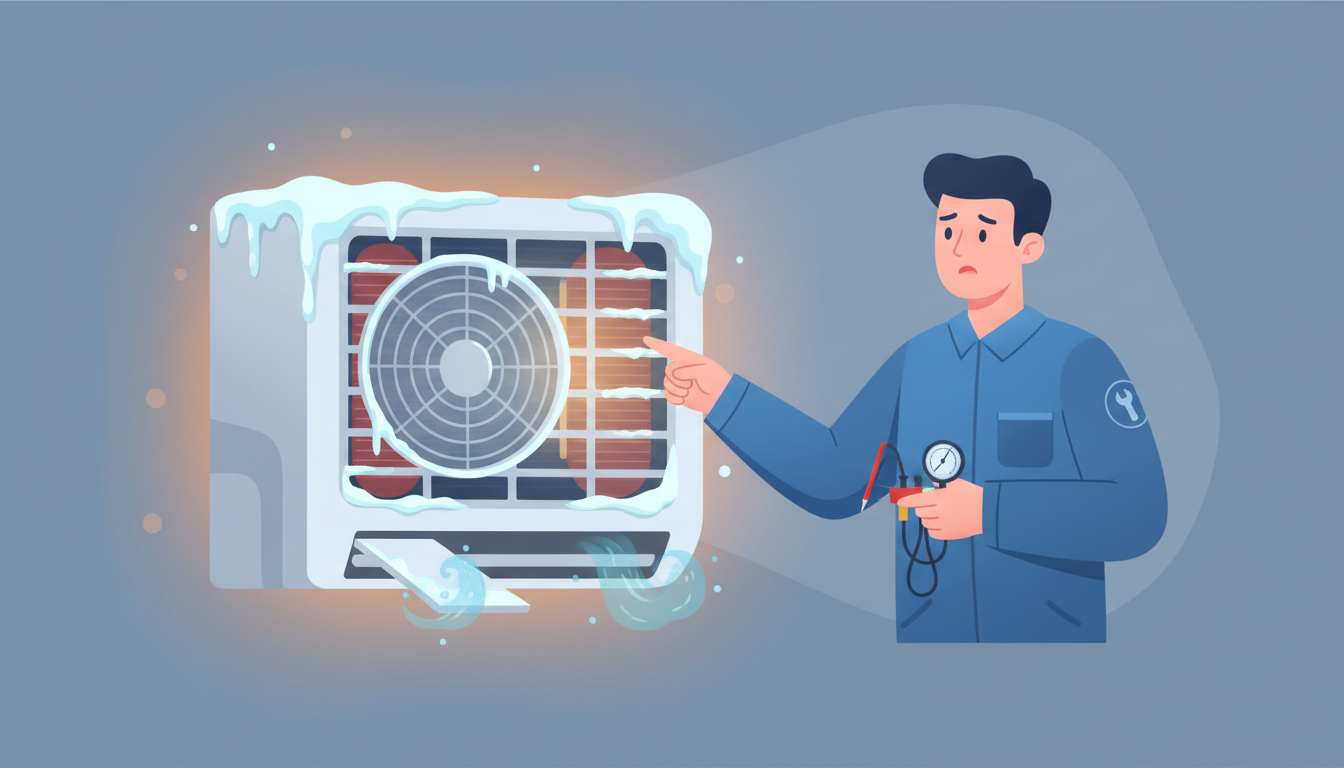
Is your air conditioner covered in ice? It might seem odd that your cooling system is literally freezing, but this is one of the most common HVAC problems homeowners face. The culprit? Low airflow. When your HVAC system doesn't get enough air circulation, the evaporator coil gets too cold, moisture freezes on contact, and ice buildup begins. Left unchecked, this can damage your entire system and leave you without cooling when you need it most. Let's explore why low airflow causes your HVAC system to freeze and what you can do about it.
Understanding the Science: Why Low Airflow Makes Your HVAC Freeze
Your air conditioning system relies on a delicate balance between refrigerant pressure, temperature, and airflow. Here's how the process normally works:
Warm air from your home flows over the evaporator coil inside your air handler. The refrigerant inside this coil absorbs heat from the air, cooling it down before sending it back through your vents. This heat absorption causes moisture in the air to condense on the coil's surface, which normally drips into a drain pan.
But when airflow drops below the required CFM (cubic feet per minute) for your system, problems start immediately. Without enough warm air passing over the evaporator coil, the coil temperature drops too low—often below 32°F (0°C). At this point, the condensation that normally drips away freezes instantly on the coil surface.
This creates a vicious cycle: the ice buildup blocks even more airflow, which makes the coil even colder, which creates more ice. Eventually, you'll see frost formation spreading from the evaporator coil to the refrigerant lines, and in severe cases, ice can completely encase your indoor unit.
Top Causes of Low Airflow in HVAC Systems
Understanding what restricts airflow is the first step to preventing your system from freezing up. Here are the most common culprits:
Dirty or Clogged Air Filters
This is the number one cause of restricted airflow in residential HVAC systems. Your air filter's job is to trap dust, pollen, pet dander, and other particles before they enter your system. Over time, these particles accumulate and block airflow.
A completely clogged air filter can reduce airflow by 50% or more. Most HVAC manufacturers recommend changing standard 1-inch filters every 30-60 days, but if you have pets or allergies, you may need to change them monthly.
High-MERV filters (MERV 11-13) trap smaller particles but also restrict more airflow than basic filters. If you've recently upgraded to a high-efficiency filter and your AC is freezing, your system may not have enough blower power to pull air through the denser filter material.
Blocked or Closed Supply and Return Vents
Your HVAC system needs both supply vents (where cool air comes out) and return air vents (where warm air goes back in) to function properly. Blocking either type disrupts the airflow balance.
Common mistakes include:
- Closing vents in unused rooms (this doesn't save energy—it reduces overall system efficiency)
- Placing furniture directly in front of return air grilles
- Covering vents with curtains or rugs
- Installing aftermarket vent covers that restrict airflow
Your return air vents are especially critical. Most homes don't have enough return air capacity to begin with, and blocking even one return can significantly reduce airflow to your evaporator coil.
Dirty Evaporator Coils
Even with clean filters, dust eventually accumulates on your evaporator coil's fins. This layer of grime acts like insulation, preventing efficient heat transfer and reducing the effective airflow across the coil surface.
Dirty coils compound the freezing problem in two ways: they reduce airflow AND they reduce the coil's ability to absorb heat from the passing air. Both factors cause the coil temperature to drop below freezing.
Professional coil cleaning typically costs $100-$300 and should be part of your annual maintenance. If you're handy, you can clean accessible coils yourself using a coil cleaner spray and a soft brush, but be careful not to bend the delicate aluminum fins.
Blower Motor and Fan Problems
Your blower motor is responsible for pushing air through your ductwork and across the evaporator coil. When it malfunctions, airflow drops dramatically.
Common blower issues include:
- Failing motor bearings: Creates a grinding noise and reduces fan speed
- Weak capacitor: Causes the motor to run slower than designed
- Incorrect fan speed setting: Some systems have multiple speed settings; if set too low, airflow suffers
- Dirty blower wheel: Dust accumulation on the fan blades reduces airflow efficiency
If your system is freezing and you notice weak airflow from your vents even with clean filters, the blower motor is a likely culprit. This requires professional diagnosis and repair.
Ductwork Issues
Your duct system is the highway that delivers conditioned air throughout your home. Problems in this network can severely restrict airflow:
- Crushed or collapsed ducts: Common in crawl spaces and attics
- Disconnected duct sections: Air leaks before reaching your rooms
- Undersized ductwork: The ducts aren't large enough for your system's CFM requirements
- Excessive duct runs: Too many bends and long runs create resistance
Leaky ductwork is particularly insidious because it reduces both supply and return airflow. The Department of Energy estimates that typical duct systems lose 20-30% of conditioned air through leaks and poorly sealed connections.
Low Refrigerant Levels
While not technically an airflow issue, low refrigerant creates the same freezing problem through a different mechanism. When refrigerant levels drop due to leaks, the remaining refrigerant expands more than designed, which lowers the evaporator coil temperature below freezing.
Low refrigerant often occurs alongside airflow problems. If your system is freezing up and you've ruled out airflow issues, have a technician check your refrigerant charge with proper gauges.
Warning Signs Your HVAC System Is Freezing Up
Catching ice buildup early can prevent extensive damage. Watch for these warning signs:
- Reduced cooling performance: Your home isn't reaching the thermostat setting
- Weak airflow: Little air coming from supply vents
- Visible ice or frost: On refrigerant lines, the outdoor unit, or around the air handler
- Water pooling: Around your indoor unit (from melting ice)
- Hissing or bubbling sounds: Refrigerant moving through iced-up lines
- Higher energy bills: Your system runs constantly but doesn't cool effectively
If you see ice on your outdoor condenser unit, your system is already in trouble. Turn it off immediately to prevent compressor damage.
How to Fix a Frozen HVAC System: Step-by-Step Guide
When you discover your HVAC system is frozen, follow these steps:
Step 1: Turn Off Your System Immediately
Switch your thermostat to "OFF" (not just to a higher temperature). Continuing to run a frozen system can damage the compressor, which is an expensive repair ($1,500-$2,500 or more).
You can leave the fan setting on "ON" to help circulate air and speed up thawing, but make sure the cooling mode is completely off.
Step 2: Let the System Thaw Completely
Depending on how much ice has accumulated, thawing can take 4-24 hours. Never try to chip away ice or use heat sources to speed up melting—you could damage the coil fins or refrigerant lines.
Place towels around the indoor unit to absorb water from melting ice. Check your condensate drain pan to make sure it's draining properly.
Step 3: Check and Replace Your Air Filter
While the system thaws, inspect your air filter. If it's gray, clogged, or hasn't been changed in more than two months, replace it with a new one.
Make sure you install the filter in the correct direction (the airflow arrow should point toward the blower motor).
Step 4: Inspect Vents and Ductwork
Walk through your home and:
- Open all closed supply vents completely
- Remove any obstructions from return air grilles
- Check visible ductwork for disconnections or damage
- Ensure furniture isn't blocking any vents
Step 5: Restart and Monitor
Once all ice has melted and you've addressed airflow restrictions:
- Turn your thermostat to "COOL" with a temperature 3-4 degrees below room temperature
- Listen for normal operation sounds (no hissing or grinding)
- Check that cool air flows strongly from all vents
- Monitor for 1-2 hours to ensure ice doesn't return
If your system refreezes within hours, you have an underlying problem that requires professional attention. Don't keep turning it on and off—call an HVAC technician.
Preventing HVAC Freeze-Ups: Maintenance Best Practices
An ounce of prevention is worth a pound of cure. These maintenance habits will keep your system running smoothly and prevent airflow problems:
Regular Filter Changes
Set a calendar reminder to check your filter monthly and change it every 1-3 months depending on:
- Filter type (1-inch disposable filters need more frequent changes)
- Household factors (pets, allergies, construction dust)
- System runtime (homes in hot climates run AC more and need more frequent changes)
Consider upgrading to a 4-inch media filter, which lasts 6-12 months and provides better filtration without restricting airflow.
Annual Professional Maintenance
Schedule professional HVAC maintenance once per year (ideally in spring before cooling season). A good tune-up includes:
- Evaporator and condenser coil cleaning
- Blower motor and fan inspection
- Refrigerant level check
- Condensate drain cleaning
- Electrical connection tightening
- Thermostat calibration
This typically costs $80-$150 but can prevent thousands in repair costs. Many HVAC companies offer maintenance plans with discounts.
Keep the Area Around Your Units Clear
Indoor unit: Maintain 2-3 feet of clearance around your air handler for proper airflow and service access.
Outdoor unit: Keep the area within 2 feet clear of vegetation, debris, and lawn clippings. Trim back bushes and remove leaves regularly.
Monitor System Performance
Pay attention to how your system operates normally so you can spot problems early:
- Note typical temperature drop from return to supply (usually 15-20°F)
- Listen for unusual sounds
- Watch for increasing energy bills without explanation
- Track how long it takes to reach thermostat setting
Address Problems Promptly
Don't ignore warning signs like weak airflow, strange sounds, or reduced cooling. Small problems become expensive repairs when ignored. For comprehensive troubleshooting guidance, check out our HVAC repair guide.
If you notice weak airflow from your vents, address it immediately before it leads to a frozen system.
When to Call a Professional vs. DIY Fixes
Some frozen HVAC issues are easy DIY fixes, while others require professional expertise:
DIY-Friendly Fixes:
- Replacing air filters
- Opening closed vents
- Removing obstructions from vents
- Basic outdoor unit cleaning
- Resetting the system after thawing
Professional Repairs Required:
- Refrigerant leaks and recharging
- Blower motor replacement
- Evaporator coil cleaning (if not easily accessible)
- Ductwork modifications or sealing
- Electrical component replacement
- Compressor issues
If your system refreezes after you've tried basic troubleshooting, don't keep attempting DIY fixes. Continuing to run a malfunctioning system can cause compressor failure—one of the most expensive HVAC repairs.
The Cost of Ignoring a Frozen HVAC System
Operating your HVAC system with ice buildup isn't just inefficient—it's destructive. Here's what can happen:
Compressor Damage: The compressor is the heart of your AC system, and it's designed to pump refrigerant in gas form. When liquid refrigerant reaches the compressor (called "liquid slugging"), it can crack the compressor housing. Replacement costs $1,500-$2,500 or more.
Coil Damage: Expanding ice can bend evaporator coil fins or even crack the coil itself. Coil replacement runs $600-$1,200 depending on accessibility.
Reduced System Lifespan: Repeatedly freezing and thawing stresses all system components, shortening the overall lifespan by years.
Higher Energy Bills: An icing system runs constantly without cooling effectively, wasting energy and money.
Water Damage: Melting ice can overwhelm the drain pan, causing water damage to your home's ceiling, walls, or flooring.
The good news? Most freeze-ups are preventable with regular maintenance. To prevent repeat HVAC leak and ice problems, stick to a maintenance schedule and address airflow issues as soon as they appear.
Frequently Asked Questions
How long does it take for a frozen HVAC system to thaw?
Complete thawing typically takes 8-24 hours depending on how much ice has accumulated. Never rush the process with heat guns or by chipping away ice—this can damage your system. Turn off the cooling mode, leave the fan running, and let it thaw naturally.
Can I run my AC if it keeps freezing up?
No, you should not continue running an AC that repeatedly freezes. This indicates an underlying problem that needs repair. Running it can cause compressor damage, which is extremely expensive to fix. Turn it off and address the root cause first.
Why does my AC only freeze at night?
AC systems are more likely to freeze at night because outdoor temperatures drop, which lowers refrigerant pressure and evaporator coil temperature. If your system only freezes at night, you likely have a borderline airflow issue that becomes critical when conditions cool down.
How often should I change my HVAC filter to prevent freezing?
Change standard 1-inch filters every 30-60 days, or monthly if you have pets or allergies. Thicker 4-inch media filters can last 6-12 months. Check your filter monthly—if it looks gray or clogged, replace it regardless of the time interval.
Will a frozen HVAC system fix itself?
No. While the ice will eventually melt if you turn the system off, the underlying cause (restricted airflow, low refrigerant, mechanical failure) won't fix itself. If you don't address the root problem, the system will freeze again as soon as you restart it.
Conclusion: Don't Let Low Airflow Freeze Your Comfort
Low airflow is the leading cause of frozen HVAC systems, but it's also one of the most preventable problems. By maintaining clean filters, keeping vents open, scheduling annual maintenance, and addressing issues promptly, you can keep your system running efficiently for years.
Remember: ice on your AC is never normal. It's a warning sign that your system needs attention. Whether it's a simple filter change or a professional repair, taking action quickly protects your investment and keeps your home comfortable.
If your HVAC system is frozen or showing signs of restricted airflow, don't wait for the problem to get worse. The sooner you address airflow issues, the less likely you are to face expensive repairs down the road.
Need professional help with a freezing HVAC system? Contact a qualified HVAC technician who can diagnose the problem, restore proper airflow, and get your system back to peak performance. Your comfort—and your wallet—will thank you.