How to Prevent Repeat HVAC Leak and Ice Problems
How to Prevent Repeat HVAC Leak and Ice Problems
If you've dealt with a frozen air conditioner or water pooling around your HVAC unit more than once, you know how frustrating repeat problems can be. The good news? Most HVAC leak and ice problems are preventable with the right maintenance routine and a few proactive steps.
In this guide, you'll learn exactly why these issues keep coming back and what you can do to stop them for good.
Why Do HVAC Leak and Ice Problems Keep Happening?
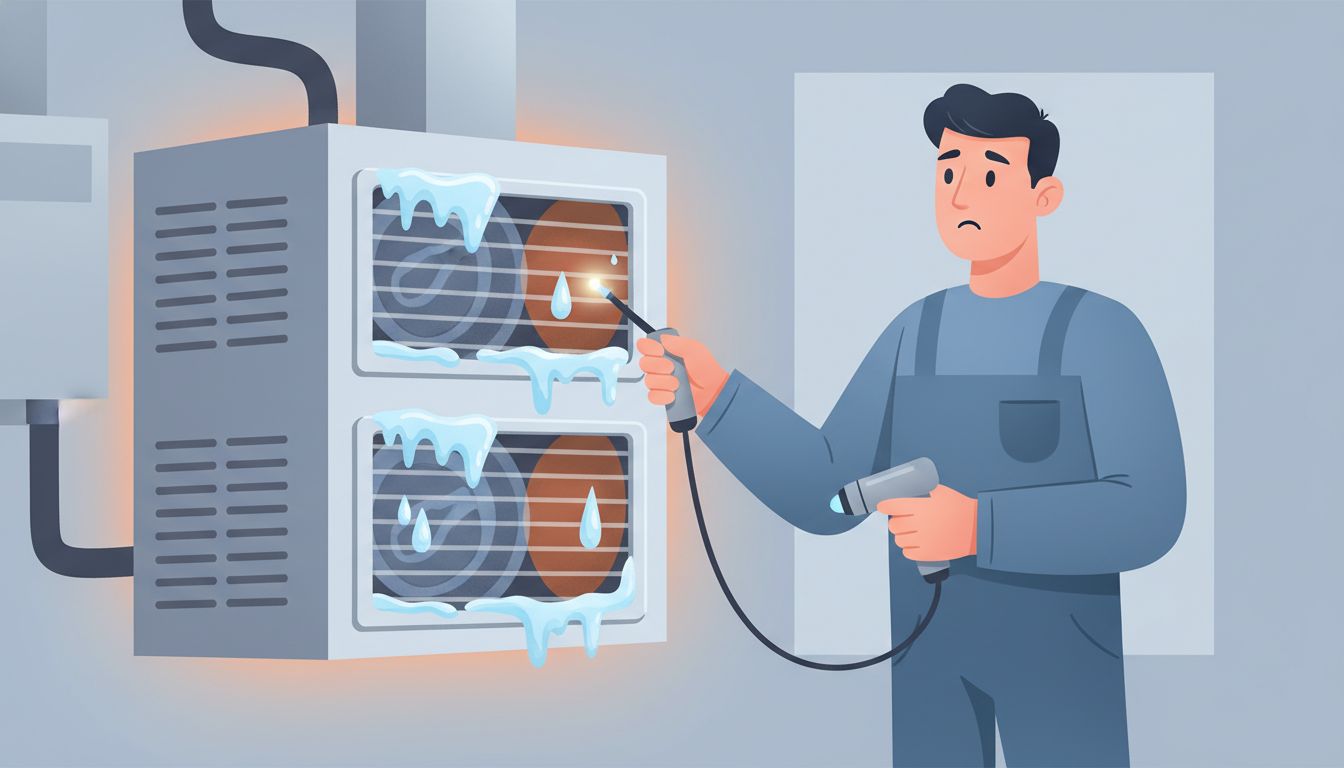
When your HVAC system develops ice buildup or starts leaking water, it's rarely a one-time fluke. These problems tend to repeat because they share common root causes that many homeowners overlook.
The three main culprits behind recurring HVAC issues are:
- Restricted airflow - When air can't move freely through your system, the evaporator coil gets too cold and freezes
- Low refrigerant levels - Leaks in your refrigerant lines cause pressure drops that lead to ice formation
- Drainage problems - Clogged condensate lines can't handle melting ice, causing water to overflow
Understanding these connections is key to preventing repeat problems. Let's break down each one and how to address it.
The Ice-Leak Connection: How One Problem Causes Another
Here's what most homeowners don't realize: ice buildup and water leaks are often two sides of the same problem.
When your evaporator coil freezes due to poor airflow or low refrigerant, that ice eventually melts when the system cycles off. If your condensate drain can't handle the sudden influx of water from melting ice, you get leaks inside your home.
This is why fixing just the leak or just the ice problem won't prevent repeat issues. You need to address the underlying cause.
Common Causes of Repeat HVAC Freezing Issues
Dirty or Clogged Air Filters
Your air filter is the first line of defense against ice buildup. When filters get clogged with dust, pet hair, and debris, airflow to your evaporator coil drops dramatically.
Without enough warm air passing over the coil, the refrigerant inside gets too cold and frost starts forming. Over time, this frost builds into thick ice that can damage your system.
Prevention tip: Replace or clean your air filter every 30-60 days during heavy use seasons. If you have pets or live in a dusty area, check monthly.
Low Refrigerant from Undetected Leaks
Refrigerant doesn't just "run out" - if levels are low, you have a leak somewhere in the system. Low refrigerant causes the pressure in your evaporator coil to drop, which lowers the temperature below freezing.
Signs of a refrigerant leak include:
- Ice forming on the copper refrigerant lines
- Hissing sounds near the outdoor unit
- Your AC running constantly but not cooling well
- Higher than normal energy bills
Prevention tip: Schedule annual professional inspections to check refrigerant levels and test for leaks before they cause ice problems. Learn more about common HVAC issues in our repair guide.
Blocked or Damaged Evaporator Coils
Even with a clean filter, your evaporator coil can accumulate dirt and grime over time. This buildup acts as insulation, preventing heat transfer and causing the coil to freeze.
Additionally, damaged coil fins (the thin metal ridges on the coil) restrict airflow in the same way a dirty filter does.
Prevention tip: Have your evaporator coils professionally cleaned during annual maintenance. Never use harsh chemicals or high-pressure washers on the delicate fins.
Blower Fan Malfunctions
Your blower fan is responsible for moving air across the evaporator coil. If the fan motor is failing, the belt is loose, or the fan blades are dirty, airflow drops and freezing occurs.
You might notice weaker airflow from your vents before ice forms - this is an early warning sign worth investigating. Check out our guide on weak airflow from vents for more details.
Prevention tip: Listen for unusual noises from your blower fan and pay attention to changes in airflow strength. Address these issues immediately.
Thermostat Settings and Sensor Problems
Running your AC when outdoor temperatures drop below 60°F can cause the evaporator coil to freeze, even if everything else is working perfectly. The refrigerant gets too cold without enough heat to absorb.
Additionally, a malfunctioning thermostat sensor can cause your system to run too long, leading to excessive cooling and ice formation.
Prevention tip: Avoid running your AC in cool weather, and have your thermostat calibrated during annual maintenance.
How to Prevent Water Leaks in Your HVAC System
Keep Your Condensate Drain Line Clear
The condensate drain line carries water away from your evaporator coil. When it clogs with algae, mold, or debris, water backs up and overflows the drain pan.
This is one of the most common causes of repeat water leaks - and one of the easiest to prevent.
Prevention steps:
- Pour 1 cup of white vinegar down the drain line every 3 months to kill algae
- Use a wet-dry vacuum on the outdoor drain opening to remove clogs
- Install a drain line float switch that shuts off your system if water backs up
Inspect and Maintain Your Drain Pan
The drain pan sits under your evaporator coil and catches condensation. Over time, these pans can crack, rust, or develop holes - especially in older systems.
A damaged drain pan won't hold water properly, causing leaks that seem to come out of nowhere.
Prevention tip: During annual maintenance, ask your technician to inspect the drain pan for damage. Pans are inexpensive to replace and can save you from water damage.
Address Airflow Issues That Cause Excessive Condensation
When airflow is restricted, your evaporator coil gets colder than it should. This causes more condensation than normal, potentially overwhelming even a clean drain system.
The connection between low airflow and HVAC system freezing is well-documented - fixing airflow issues prevents both ice and leak problems.
Prevention tip: Ensure all supply vents are open and unblocked by furniture or curtains. Closed vents force your system to work harder and can cause pressure imbalances.
Fix Refrigerant Leaks Promptly
When refrigerant leaks cause ice buildup, the melting ice creates more water than your drain system is designed to handle. This leads to overflow and leaks.
Getting refrigerant leaks repaired quickly breaks this cycle and prevents water damage.
Prevention tip: Never ignore signs of refrigerant problems. The longer you wait, the more ice forms and the more water you'll deal with when it melts.
Your Year-Round HVAC Maintenance Schedule
Preventing repeat problems requires consistent maintenance throughout the year. Here's a simple schedule to follow:
Monthly Tasks
- Check and replace air filters if dirty
- Inspect visible areas around your indoor and outdoor units for water, ice, or unusual sounds
- Ensure outdoor unit is clear of debris, leaves, and vegetation (maintain 2 feet of clearance)
Quarterly Tasks
- Clean condensate drain line with vinegar
- Check drain pan for standing water
- Test your thermostat accuracy with a separate thermometer
Seasonal Tasks
Spring (Before Cooling Season):
- Schedule professional AC maintenance
- Clean outdoor condenser coils with a garden hose
- Check refrigerant levels
- Test system startup and airflow
Fall (Before Heating Season):
- Schedule professional furnace maintenance
- Check heat exchanger for cracks
- Test ignition system
- Inspect flue pipes
Annual Professional Maintenance
Even with diligent DIY care, professional maintenance is essential for preventing repeat problems. A trained technician can:
- Detect early signs of refrigerant leaks before ice forms
- Clean evaporator and condenser coils thoroughly
- Test electrical connections and capacitors
- Measure airflow and static pressure
- Calibrate thermostats and sensors
- Identify worn components before they fail
Most HVAC manufacturers require annual professional maintenance to keep warranties valid - another good reason to stay on schedule.
DIY Fixes vs. When to Call a Professional
Safe DIY Tasks
You can handle these maintenance tasks yourself:
- Changing air filters
- Cleaning drain lines with vinegar
- Removing debris from around outdoor unit
- Adjusting thermostat settings
- Checking for ice buildup
When to Call a Professional
Leave these tasks to licensed HVAC technicians:
- Checking or adding refrigerant (requires EPA certification)
- Electrical repairs or testing
- Cleaning evaporator coils (requires accessing sealed components)
- Diagnosing blower motor issues
- Repairing refrigerant leaks
- Replacing major components
Attempting complex repairs yourself can void warranties, create safety hazards, and cause more expensive damage.
Early Warning Signs to Watch For
Catching problems early is your best defense against repeat issues. Watch for these warning signs:
Ice Formation Warning Signs
- Frost on refrigerant lines outside
- Ice visible on evaporator coil through access panel
- Weak or warm airflow from vents
- Hissing or bubbling sounds (refrigerant leak)
- System running constantly without reaching set temperature
Water Leak Warning Signs
- Water stains on ceiling near indoor unit
- Musty odors around vents or HVAC closet
- Standing water in drain pan
- Wet spots on floor near air handler
- Dripping sounds when system runs
Important: If you notice ice on your evaporator coil, turn off your system immediately and let it thaw completely before restarting. Running the system with ice can damage the compressor - an expensive repair.
The Cost of Prevention vs. Repair
Many homeowners skip regular maintenance to save money, but this approach costs more in the long run.
Consider these typical costs:
Preventive Maintenance:
- Annual professional tune-up: $80-150
- Monthly filter replacements: $40-80/year
- Quarterly drain line cleaning: Free (DIY)
- Total annual prevention cost: $120-230
Repair Costs:
- Fixing refrigerant leak and recharge: $500-1,500
- Replacing damaged drain pan: $150-400
- Compressor replacement (from ice damage): $1,500-2,500
- Water damage restoration: $1,000-4,000+
- Total repair cost for repeat problems: $3,000-8,000+
The numbers speak for themselves. Regular preventive maintenance pays for itself many times over by avoiding expensive emergency repairs.
Creating Your Personal Prevention Plan
Now that you understand what causes repeat HVAC leak and ice problems, here's how to create your prevention plan:
Step 1: Assess Your Current Situation
- When did you last have professional maintenance?
- How often do you change filters?
- Have you had ice or leak problems in the past year?
- Do you know your system's age and maintenance history?
Step 2: Address Immediate Issues
- If you currently have ice buildup, turn off the system and let it thaw
- Check your air filter and replace if dirty
- Clear any visible clogs in the condensate drain line
- Schedule professional service if you suspect refrigerant leaks
Step 3: Set Up Your Maintenance Routine
- Buy a 3-month supply of air filters and set phone reminders to change them
- Schedule annual professional maintenance in early spring
- Add quarterly drain line cleaning to your calendar
- Keep a simple log of maintenance tasks completed
Step 4: Know Your System
- Locate your evaporator coil access panel
- Find your condensate drain line and cleanout port
- Know where your emergency shut-off switch is located
- Keep your HVAC technician's contact info handy
Frequently Asked Questions
Why does my AC freeze up repeatedly even after repairs?
If your AC keeps freezing after repairs, the root cause wasn't fully addressed. Common oversights include not fixing refrigerant leaks completely, missing secondary airflow restrictions like duct problems, or failing to clean the evaporator coil. Request a thorough diagnostic from a different technician if problems persist.
Can I prevent ice buildup by just turning my thermostat up?
Running your AC at a higher temperature setting can reduce ice formation but won't prevent it if you have underlying issues like low refrigerant or restricted airflow. You're better off fixing the root cause rather than just avoiding cold settings.
How do I know if my condensate drain line is clogged?
Signs of a clogged condensate drain include water pooling around your indoor unit, the drain pan staying full even when the system isn't running, or your AC shutting off unexpectedly (if you have a float switch installed). You can also pour water into the drain pan - if it doesn't drain within a few minutes, you likely have a clog.
Is it normal for my HVAC to have some condensation?
Yes, condensation is normal and expected. Your AC removes humidity from the air, and that moisture has to go somewhere. The condensate drain system handles this water. What's NOT normal is visible water leaks, standing water around the unit, or excessive condensation that overwhelms the drain system.
How long should I wait after ice melts before turning my AC back on?
After ice forms on your evaporator coil, turn the system completely off and wait at least 24 hours for complete thawing. Check that all ice is gone before restarting. If you turn it back on too soon, the system can freeze again immediately, and running with ice can damage the compressor.
Take Action to Stop Repeat HVAC Problems
Repeat HVAC leak and ice problems don't have to be a fact of life. With the right maintenance routine and early attention to warning signs, you can keep your system running smoothly year after year.
Start by addressing any current issues - change that dirty filter, clear your drain line, and schedule professional service if needed. Then commit to the simple monthly, quarterly, and annual maintenance tasks that prevent problems before they start.
Your HVAC system is one of the biggest investments in your home. A little preventive care now saves you from expensive emergency repairs and uncomfortable breakdowns later.
Ready to get your HVAC system back on track? Check out our comprehensive HVAC repair guide for more troubleshooting tips and maintenance advice.