What HVAC Maintenance Tasks Homeowners Can Safely Do Themselves
What HVAC Maintenance Tasks Homeowners Can Safely Do Themselves
Your HVAC system works hard to keep your home comfortable year-round, but it needs regular care to perform at its best. The good news? You don't need to be a certified technician to handle basic HVAC maintenance tasks. Many simple yet essential maintenance jobs are perfectly safe for homeowners to tackle, helping you save money, extend your system's lifespan, and catch potential problems before they become expensive emergencies.
In this guide, you'll discover which HVAC maintenance tasks you can confidently handle yourself, which ones require professional expertise, and how to create a maintenance routine that keeps your heating and cooling system running efficiently for years to come.
Why DIY HVAC Maintenance Matters for Your Home
Regular HVAC maintenance isn't just about comfort—it's about protecting one of your home's most significant investments. A well-maintained system can last 15-20 years, while a neglected one might fail in just 10-12 years.
When you perform simple maintenance tasks yourself, you'll:
- Reduce energy bills by 5-15% through improved system efficiency
- Prevent 75% of common HVAC repairs by catching issues early
- Save $300-500 annually on professional service calls for basic tasks
- Improve indoor air quality by keeping filters and vents clean
- Extend system lifespan by reducing wear and tear on components
The key is knowing which tasks are safe for homeowners and which require a licensed HVAC professional. Let's break down exactly what you can do yourself.
Safe HVAC Maintenance Tasks Every Homeowner Can Handle
These essential maintenance tasks require no special training, minimal tools, and carry virtually no risk when performed correctly. By making them part of your regular home care routine, you'll keep your system running smoothly between professional tune-ups.
1. Change Your Air Filters Regularly (Every 1-3 Months)
This is the single most important HVAC maintenance task you can do yourself. Your air filter traps dust, pollen, pet dander, and other particles, preventing them from circulating through your home and clogging your system's internal components.
How to do it:
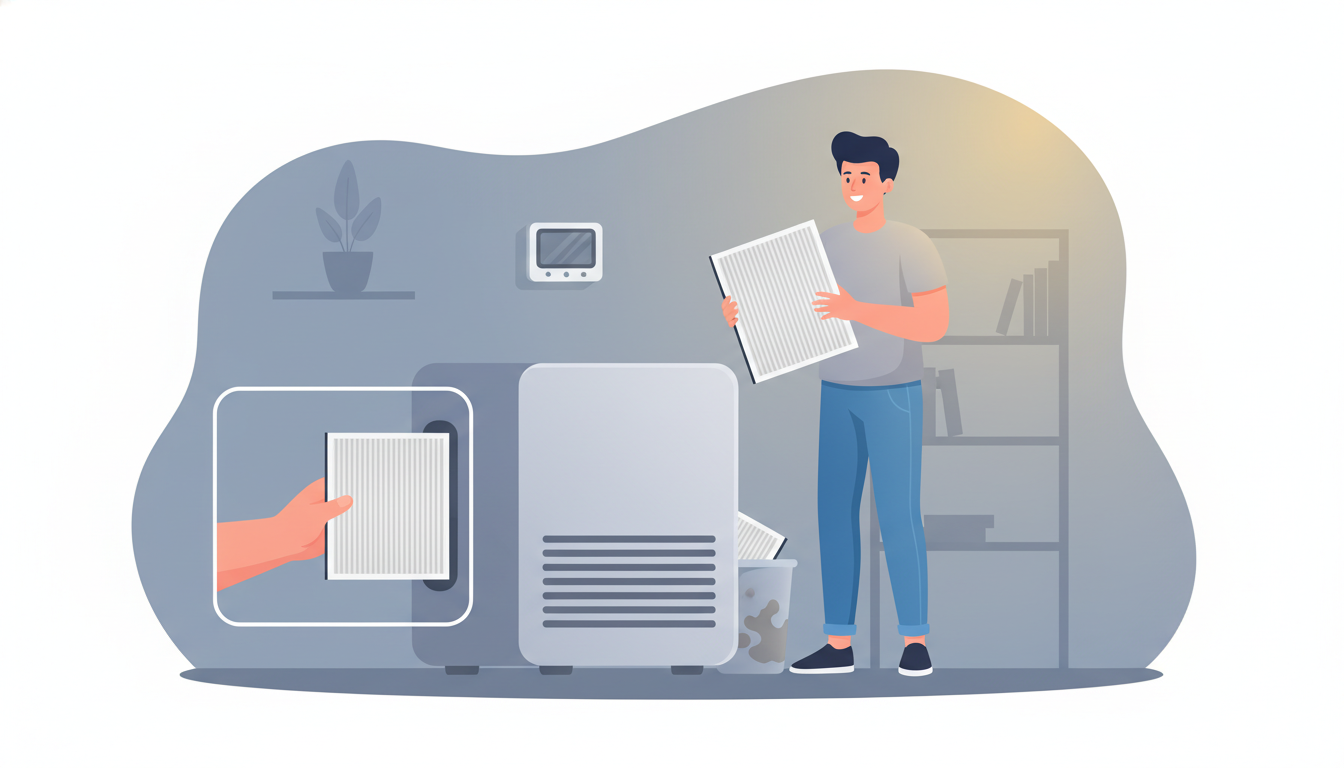
- Locate your filter (usually near the return air duct or inside the air handler unit)
- Check the arrow on the filter frame—it should point toward the blower motor
- Note the filter size printed on the frame (e.g., 16x25x1)
- Slide out the old filter and insert the new one in the same direction
- Set a phone reminder to check it again in 30-90 days
Frequency guidelines:
- Basic fiberglass filters: every 30 days
- Pleated filters: every 60-90 days
- Homes with pets or allergies: every 30-45 days
- Vacation homes with minimal use: every 6 months
A clogged filter forces your system to work harder, increasing energy consumption by up to 15% and potentially causing the system to overheat and shut down. When you need more guidance on HVAC repair fundamentals, understanding filter maintenance is always step one.
2. Keep Supply and Return Vents Clear and Clean
Blocked vents restrict airflow, creating pressure imbalances that reduce efficiency and comfort. Even partially blocked vents can increase energy costs and strain your system.
What to do monthly:
- Walk through your home and check all floor, wall, and ceiling vents
- Remove furniture, curtains, rugs, or storage items blocking vents
- Vacuum vent covers to remove dust buildup
- Wipe down vent covers with a damp cloth
Seasonal deep cleaning:
- Remove vent covers (most just lift off or have simple screws)
- Vacuum inside the duct opening as far as you can safely reach
- Wash metal vent covers in warm soapy water
- Dry completely before reinstalling
This simple task ensures proper airflow throughout your home, which is essential for even temperatures and system efficiency.
3. Clear Debris from Your Outdoor Unit
Your outdoor condenser unit needs at least 2 feet of clearance on all sides to function properly. Leaves, grass clippings, shrubs, and other debris can restrict airflow and cause the unit to overheat.
Seasonal outdoor maintenance:
- Turn off power to the unit at the disconnect box (near the outdoor unit)
- Remove leaves, twigs, and debris from around and on top of the unit
- Trim back vegetation to maintain 2-3 feet of clearance
- Gently spray the fins with a garden hose (spray from inside out) to remove dirt
- Check that the unit sits level—settling can cause refrigerant line problems
- Remove any covers or tarps (these trap moisture and should only be used in winter)
Important: Never use a pressure washer on the fins, as the high pressure can bend these delicate aluminum pieces. Bent fins restrict airflow and reduce efficiency.
Spring and fall are the ideal times for this maintenance, preparing your system for the heavy-use seasons ahead.
4. Test and Adjust Your Thermostat
Your thermostat is the brain of your HVAC system. Regular testing ensures it's accurately reading temperatures and communicating properly with your equipment.
Monthly thermostat checks:
- Compare the thermostat reading to a separate thermometer placed nearby
- Test both heating and cooling modes to verify they activate properly
- Listen for the system to start within a few minutes of changing the setting
- Check that the fan setting works in both "auto" and "on" modes
Programmable thermostat maintenance:
- Replace batteries annually (usually indicated by a low-battery warning)
- Dust the thermostat cover and surrounding wall area
- Review your programmed schedule seasonally and adjust for schedule changes
- Consider upgrading to a smart thermostat for advanced efficiency features
If your thermostat shows a 3-degree difference from your reference thermometer, or if the system doesn't respond to setting changes, you may need professional calibration or replacement.
5. Inspect Visible Ductwork and Insulation
While professional duct cleaning requires special equipment, you can perform valuable visual inspections that catch problems early.
What to look for during inspections:
- Disconnected or loose duct sections (especially in attics and crawl spaces)
- Damaged or missing duct insulation
- Visible holes, gaps, or tears in ductwork
- Excessive dust accumulation around duct seams
- Signs of moisture or mold growth
- Pest activity or droppings
Simple fixes you can handle:
- Reconnect loose duct sections (they often just push together)
- Seal small gaps with metallic HVAC tape (not standard duct tape, which deteriorates)
- Replace damaged duct insulation wrap
- Secure hanging ducts with proper strap hangers
Leaky ductwork can waste 20-30% of your conditioned air, dramatically increasing energy costs. If you find significant duct problems, professional duct sealing provides an excellent return on investment.
6. Listen, Look, and Smell for Warning Signs
Your senses are powerful diagnostic tools. Regular system observation helps you catch problems when they're small and inexpensive to fix.
What to listen for:
- Grinding, squealing, or screeching noises (bearing or belt problems)
- Banging or clanking sounds (loose components)
- Constant clicking (electrical issue)
- Hissing sounds near the indoor unit (refrigerant leak)
What to look for:
- Water pooling around the indoor unit (condensate drain clog)
- Ice forming on refrigerant lines or outdoor unit (airflow or refrigerant issue)
- Rust or corrosion on any components
- Soot or discoloration around the furnace
What to smell for:
- Burning odors (electrical problem or overheating)
- Musty smells (mold in ductwork or drain pan)
- Rotten egg smell (gas leak—evacuate and call 911 immediately)
When you notice any of these warning signs, it's time to schedule professional service. Don't ignore unusual sounds or smells—they rarely resolve themselves and almost always worsen if left unaddressed. For urgent issues, knowing when you need emergency HVAC repair can prevent minor problems from becoming major disasters.
7. Keep the Area Around Indoor Units Clean
Your indoor air handler or furnace needs adequate space and cleanliness to operate safely and efficiently.
Indoor unit maintenance:
- Keep a 3-foot clearance around the unit (remove storage items, boxes, cleaning supplies)
- Dust the exterior cabinet monthly
- Check the condensate drain pan for standing water (indicates a clog)
- Ensure nothing blocks the access panels (you may need them in an emergency)
- Verify that the return air grille has proper clearance
Cluttered mechanical rooms are fire hazards and make emergency repairs more difficult. A clean, organized space also helps you spot problems like water leaks more quickly.
8. Check and Clean Condensate Drain Lines
Your air conditioning system produces condensation that must drain away properly. A clogged condensate line can cause water damage and force your system to shut down.
Quarterly drain line maintenance:
- Locate the condensate drain line (usually a PVC pipe near the indoor unit)
- Check the drain pan for standing water
- Pour 1 cup of distilled white vinegar into the drain line
- Wait 30 minutes, then flush with water
- Verify water drains freely outside (or into a drain pipe)
Warning signs of drain problems:
- Water pooling around the indoor unit
- Musty odors near the air handler
- System shutting off unexpectedly
- Water stains on walls or ceilings near the unit
This simple preventative task takes just a few minutes but prevents thousands of dollars in water damage.
HVAC Maintenance Tasks to Leave to Professionals
While many maintenance tasks are homeowner-friendly, some require specialized training, tools, and licensing. Attempting these yourself can void warranties, create safety hazards, or cause expensive damage.
Electrical Component Repairs
HVAC systems use high-voltage electricity that can cause serious injury or death. Any work involving:
- Replacing capacitors or contactors
- Repairing wiring or connections
- Testing electrical components with a multimeter
- Working inside electrical panels
Why it's dangerous: HVAC capacitors store lethal electrical charges even when power is disconnected. Only licensed technicians have the training to safely discharge and handle these components.
Refrigerant Work
Federal law requires EPA certification to handle refrigerants. Tasks that require professional service include:
- Checking refrigerant levels
- Adding or recovering refrigerant
- Repairing refrigerant leaks
- Pressure testing the system
Why you need a pro: Refrigerant is hazardous to your health and the environment. Incorrect handling can damage your system, violate federal regulations, and result in significant fines.
Gas Furnace Repairs and Inspections
Natural gas and propane systems require professional service for safety. Professional-only tasks include:
- Inspecting heat exchangers for cracks
- Testing for carbon monoxide leaks
- Adjusting gas pressure or burner settings
- Repairing gas valves or connections
- Cleaning burners and flame sensors
Why it's critical: A cracked heat exchanger can release carbon monoxide—an odorless, colorless, deadly gas—into your home. Annual professional inspections are essential for gas heating systems.
Duct Cleaning and Modification
While you can inspect visible ductwork, comprehensive cleaning and modifications require professionals:
- Deep duct cleaning with specialized equipment
- Installing or relocating ductwork
- Sealing ducts in inaccessible areas
- Balancing airflow throughout the system
Professional duct cleaning uses powerful negative pressure systems and specialized tools to remove years of accumulated dust, mold, and debris that homeowner methods can't reach.
Internal Component Cleaning and Repairs
Some components are accessible only by trained technicians:
- Cleaning evaporator and condenser coils
- Lubricating motor bearings
- Replacing blower motors or fan blades
- Adjusting blower speed settings
These tasks require partially disassembling your system, and incorrect reassembly can create dangerous conditions or void warranties.
For a complete list of maintenance tasks that should always be left to a pro, understanding these boundaries keeps you safe and your system under warranty.
Creating Your Seasonal HVAC Maintenance Schedule
Consistency is key to effective HVAC maintenance. Use this schedule to stay on track:
Monthly Tasks (5-10 Minutes)
- Check and change air filters if needed
- Verify all vents are clear and unblocked
- Listen for unusual system sounds
- Check thermostat operation
Quarterly Tasks (15-20 Minutes)
- Deep clean vent covers
- Clean condensate drain line
- Inspect visible ductwork
- Test thermostat accuracy
Seasonal Tasks (30-45 Minutes)
Spring (before cooling season):
- Clean outdoor unit and surrounding area
- Test air conditioning mode
- Inspect refrigerant lines for damage
- Schedule professional AC tune-up
Fall (before heating season):
- Check outdoor unit clearance
- Test heating mode
- Replace thermostat batteries
- Schedule professional furnace inspection
Annual Tasks
- Professional HVAC system inspection and tune-up
- Carbon monoxide detector testing (for gas systems)
- Ductwork inspection in attic/crawlspace
- Review and update thermostat programs
Common DIY HVAC Maintenance Mistakes to Avoid
Even simple tasks can go wrong without proper knowledge. Avoid these common mistakes:
Using the wrong filter: Higher MERV ratings aren't always better. Filters that are too restrictive can reduce airflow and strain your system. Check your owner's manual for the recommended MERV rating (usually 8-11 for residential systems).
Closing vents in unused rooms: This seems logical but actually increases pressure in your ductwork, reducing efficiency and potentially damaging your system. HVAC systems are designed to heat and cool your entire home.
Cranking the thermostat to extreme settings: Setting your thermostat to 60°F won't cool your home faster—it just makes your system run longer. Set your desired temperature and let the system work at its designed pace.
Neglecting the outdoor unit in winter: While you should keep it clear of snow and ice, never cover your heat pump in winter if you use it for heating. Covers trap moisture and should only be used on air conditioners that are completely shut down for the season.
Spraying water into the air handler: While outdoor units can be gently rinsed, never spray water inside your indoor unit. This can damage electrical components and create mold problems.
Tools Every DIY HVAC Maintainer Should Have
You don't need a professional tool kit, but these basic items make maintenance easier:
- Flashlight or headlamp - For inspecting dark areas around units and in ductwork
- Shop vacuum with attachments - For cleaning vents and around units
- Screwdriver set - For removing vent covers and access panels
- HVAC filter - Keep spare filters on hand in your size
- Fin comb - For straightening bent condenser fins (under $10)
- Distilled white vinegar - For condensate line cleaning
- Metallic HVAC tape - For small duct repairs
- Garden hose with adjustable nozzle - For cleaning outdoor unit
Total investment: under $75 for everything you need to maintain your system between professional visits.
How to Know When DIY Maintenance Isn't Enough
Even with diligent maintenance, you'll need professional service when:
- Your energy bills increase unexpectedly without changes in usage
- Some rooms are significantly warmer or cooler than others
- The system runs constantly without reaching the set temperature
- You notice ice formation on refrigerant lines or the outdoor unit
- Strange noises persist after you've cleaned accessible components
- The system is more than 10 years old and hasn't had recent professional service
- You smell gas or burning odors (call immediately—don't wait)
Professional HVAC technicians have diagnostic tools and training that allow them to identify problems homeowners can't see. Annual professional tune-ups typically cost $80-150 but can prevent $500-2,000 repairs by catching issues early.
The Bottom Line: Balance DIY and Professional Service
The ideal HVAC maintenance approach combines regular DIY tasks with professional service. When you handle the basic monthly and seasonal maintenance yourself, you'll:
- Save hundreds of dollars annually on service calls
- Extend your system's lifespan by years
- Enjoy better comfort and indoor air quality
- Catch problems early when they're inexpensive to fix
But professional service remains essential for:
- Annual tune-ups and inspections
- Refrigerant and electrical work
- Gas system safety checks
- Complex repairs and component replacements
Think of it this way: you can check your car's oil and tire pressure yourself, but you still need professional service for brakes and transmission work. HVAC maintenance follows the same principle.
By following the DIY maintenance tasks outlined in this guide and scheduling annual professional service, you'll get the longest life and best performance from your HVAC investment.
Frequently Asked Questions
How often should I change my HVAC filter?
It depends on your filter type and home conditions. Basic fiberglass filters need monthly replacement, while high-quality pleated filters last 2-3 months. Homes with pets, smokers, or allergy sufferers should change filters every 30-45 days regardless of filter type.
Can I service my HVAC system myself instead of hiring a professional?
You can handle basic maintenance tasks like filter changes, vent cleaning, and outdoor unit care, but you should still schedule annual professional service. Technicians check refrigerant levels, electrical components, heat exchangers, and other systems that require specialized training and tools to service safely.
What's the most important HVAC maintenance task?
Changing your air filter regularly is the single most impactful maintenance task you can perform. A clean filter improves efficiency, reduces strain on components, improves indoor air quality, and helps prevent 70% of common HVAC problems.
How much money can I save by doing my own HVAC maintenance?
Homeowners typically save $300-500 annually by performing basic maintenance tasks themselves rather than calling professionals for routine service. You'll also save on energy costs—a well-maintained system uses 15-20% less energy than a neglected one.
When should I call a professional instead of DIY?
Call a professional for anything involving refrigerant, electrical components, gas systems, or internal mechanical parts. Also call immediately if you smell gas, notice burning odors, see refrigerant ice formation, or experience complete system failure. Safety and warranty protection should always come first.
Ready to keep your HVAC system running at peak performance? Start with these simple DIY maintenance tasks today, and schedule your annual professional tune-up to ensure your heating and cooling system delivers reliable comfort for years to come. Your system—and your wallet—will thank you.