Why Is My Mini-Split Blowing Cool Air in Heat Mode? (Quick Fixes Inside)
Why Is My Mini-Split Blowing Cool Air in Heat Mode? (Quick Fixes Inside)
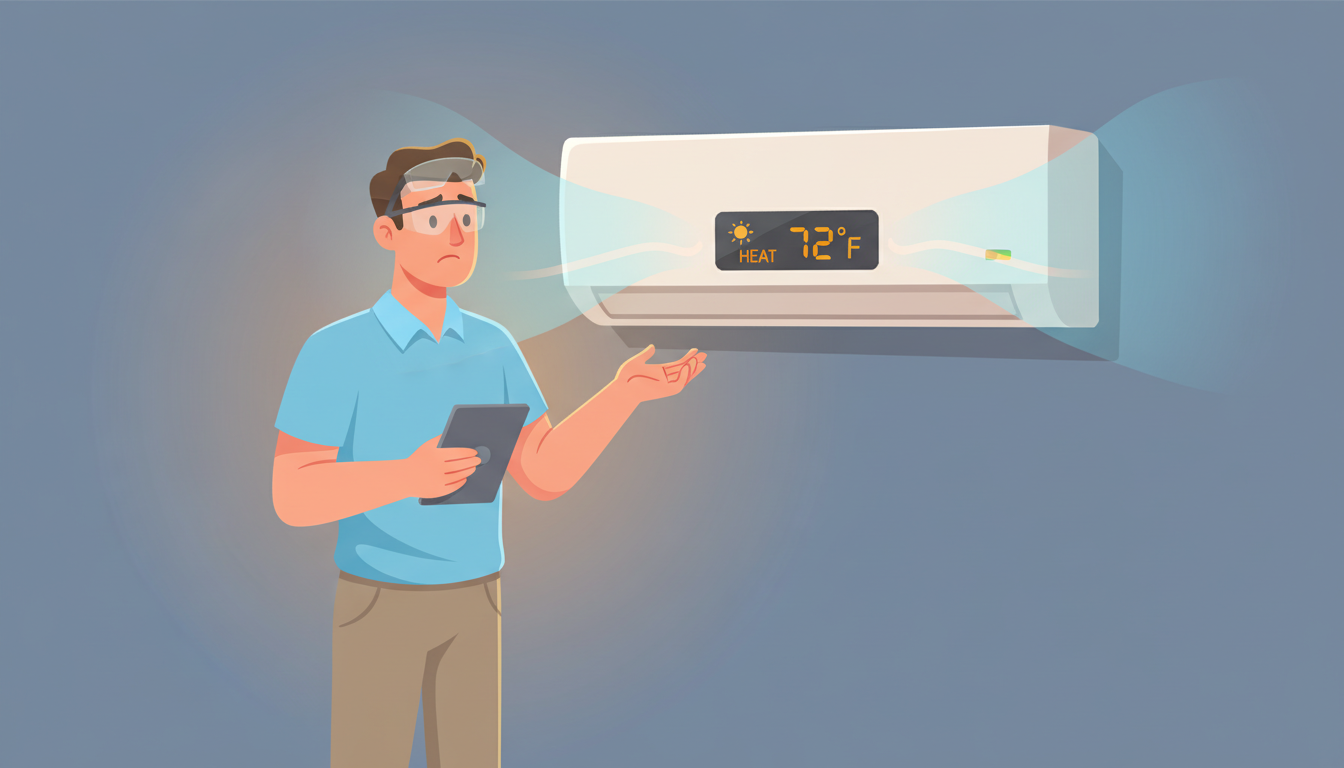
Is your mini-split blowing cold air when you've set it to heat mode? You're not alone. This frustrating problem affects thousands of homeowners every winter, leaving them shivering and wondering what went wrong with their supposedly efficient heating system.
The good news? In many cases, your mini-split blowing cold air in heat mode isn't a serious malfunction—it's often a normal part of operation or a simple fix you can handle yourself. In this comprehensive guide, we'll walk you through exactly why this happens and what you can do about it.
Understanding How Your Mini-Split Works in Heat Mode
Before we dive into troubleshooting, let's quickly understand how your mini-split heat pump actually heats your home. Unlike a traditional furnace that burns fuel to create heat, your mini-split moves heat from outside into your home—even when it's cold out.
Your system uses a reversing valve to switch between heating and cooling modes. In heat mode, the outdoor unit extracts heat from the outside air (yes, even cold air contains heat energy), and the indoor unit releases that heat into your home. This process relies on refrigerant circulating between the indoor and outdoor units, absorbing and releasing heat along the way.
When everything's working correctly, your mini-split should blow warm, comfortable air. But several factors can interrupt this process and cause cool air to blow instead.
Normal Reasons Your Mini-Split Blows Cold Air (Don't Panic!)
Not every instance of cold air means something's broken. Let's start with the normal operations that might have you reaching for a blanket.
The Defrost Cycle: Your System's Winter Self-Care
This is the most common reason for temporary cold air, and it's completely normal.
When outdoor temperatures drop below 40°F, moisture from the air can freeze on your outdoor unit's coils. This frost buildup reduces efficiency and can damage components if left unchecked. To prevent this, your mini-split automatically enters a defrost cycle every 30-90 minutes during cold weather operation.
Here's what happens during defrost:
- Your system temporarily switches to cooling mode
- Hot refrigerant flows to the outdoor coils to melt ice
- The outdoor fan stops running
- Your indoor unit may blow cooler air or stop blowing air entirely
- You might see steam rising from the outdoor unit
How long is normal? A defrost cycle typically lasts 5-15 minutes. If your system goes into defrost more frequently or stays in defrost mode longer than 15 minutes, that could indicate a problem.
What you should do: Nothing! Just wait it out. Your system will return to heating mode automatically once the outdoor coils are clear. If you're concerned about the cool air during defrost, you can temporarily turn off the indoor fan until the cycle completes.
Initial Startup Period
When you first turn on your mini-split in heat mode, give it 2-3 minutes to warm up. The system needs time to heat the indoor coils before the fan kicks into high gear. During this startup period, you might feel lukewarm or slightly cool air.
What you should do: Be patient. This brief cool period is normal and should only last a couple of minutes. If your system still blows cold air after 5 minutes, continue reading for troubleshooting steps.
Quick DIY Fixes You Can Try Right Now
If your mini-split is blowing cold air and it's not a defrost cycle or startup, try these simple solutions before calling a technician.
1. Double-Check Your Thermostat Settings
This might sound obvious, but incorrect settings cause more than 30% of "heating problems" technicians are called to fix.
Verify these settings:
- Mode: Confirm you're in HEAT mode, not COOL, AUTO, or FAN mode
- Temperature: Set the thermostat at least 5°F higher than the current room temperature
- Fan speed: Set to AUTO rather than continuous ON (when set to ON, the fan blows constantly, even when the coils aren't warm)
Pro tip: Some remotes have a "test" or "check" button that confirms your current settings. Consult your user manual to locate this feature.
2. Clean or Replace Your Air Filters
Dirty air filters are a leading cause of mini-split heating problems. When filters are clogged with dust, pet hair, and debris, airflow over the heat exchanger is restricted. This causes several issues:
- Reduced heating capacity
- Longer defrost cycles
- Potential system overheating and shutdown
- Higher energy bills
How to clean your filters:
- Open the front panel of your indoor unit (usually lifts up or has side clips)
- Remove the mesh filters (typically 2-3 panels)
- Vacuum both sides to remove loose dust
- Wash with warm, soapy water and rinse thoroughly
- Let air dry completely (at least 2-3 hours) before reinstalling
- Never run your system without filters installed
How often? Clean your filters every 2-4 weeks during heavy use seasons. If you have pets or allergies, clean them weekly. For more detailed guidance, check out our HVAC repair guide.
3. Check Your Outdoor Unit
Your outdoor unit needs to breathe! Step outside and inspect it for:
- Snow, ice, or debris: Clear at least 2-3 feet around all sides of the unit
- Blocked airflow: Remove leaves, grass clippings, or objects near the unit
- Ice buildup: A thin layer of frost is normal, but heavy ice coating indicates a problem
- Visible damage: Look for bent fins, loose panels, or unusual noises
Winter tip: Never cover your outdoor unit while it's in operation. This traps moisture and causes more problems than it prevents. Only use covers during the off-season when the unit is completely shut down.
4. Inspect Your Circuit Breakers
Sometimes a tripped breaker can cause partial power issues where your system runs but doesn't heat properly. Check your electrical panel for:
- Tripped breakers (switch in the middle position)
- The disconnect switch near the outdoor unit (should be in ON position)
Reset any tripped breakers and give your system a fresh start.
5. Try a System Reset
Just like your computer, sometimes your mini-split needs a reboot to clear minor glitches.
To reset your mini-split:
- Turn off the system using the remote or control panel
- Locate the circuit breaker for your mini-split
- Turn off the breaker and wait 60 seconds
- Turn the breaker back on
- Wait 3-5 minutes before turning the system back on
- Set to heat mode and monitor for 15-20 minutes
This simple reset resolves temporary sensor or control board issues in many cases.
When to Call a Professional: Serious Issues That Need Expert Help
If you've tried the DIY fixes above and your mini-split is still blowing cold air, you likely have a more serious problem that requires professional diagnosis and repair. Understanding these issues helps you communicate better with technicians and avoid unnecessary repairs.
Faulty Reversing Valve
The reversing valve is like a railroad switch for your refrigerant—it determines whether your system heats or cools. When this component fails or gets stuck, your mini-split might:
- Blow cold air constantly in heat mode
- Only work in cooling mode
- Make clicking or hissing sounds when switching modes
- Fail to respond when you change between heat and cool
What causes reversing valve failure? Age, wear and tear, electrical issues, or refrigerant contamination can damage the valve. This component typically lasts 10-15 years with proper maintenance.
Repair cost: $350-$850 including labor, depending on your system size and accessibility. This repair requires a licensed HVAC technician with the proper equipment and refrigerant handling certification.
Low Refrigerant or Refrigerant Leaks
Your mini-split depends on a precise amount of refrigerant to transfer heat effectively. When refrigerant leaks out, your system can't absorb enough heat from outside, resulting in:
- Cool or lukewarm air from indoor unit
- Ice forming on the indoor coils (even in heat mode)
- Hissing sounds near the refrigerant lines
- Higher electricity bills with less heating
- Outdoor unit running constantly without heating
Important: Refrigerant doesn't "get used up" like gas in a car. If you're low, you have a leak that needs to be found and repaired before simply adding more refrigerant.
Repair cost: $200-$500 for leak detection and sealing, plus $100-$300 per pound of refrigerant. R-410A refrigerant (used in most modern mini-splits) costs have fluctuated, so get a detailed estimate. For more information on mini-split repairs, visit our mini-split repair guide.
Failed Temperature Sensors
Your mini-split uses multiple temperature sensors to monitor indoor temperature, outdoor temperature, and coil temperatures. When these sensors fail or provide incorrect readings, your system might:
- Cycle on and off frequently
- Blow cold air because it "thinks" the room is warm enough
- Run continuous defrost cycles
- Display error codes on the indoor unit
Repair cost: $150-$350 per sensor including labor. Fortunately, sensor replacement is relatively straightforward for a qualified technician.
Compressor Issues
The compressor is the heart of your heat pump system, pressurizing and circulating refrigerant. Compressor problems are serious and expensive:
- Unit runs but produces no heat
- Makes loud grinding, squealing, or banging noises
- Trips circuit breakers frequently
- Shows error codes related to compressor failure
Repair cost: $1,500-$2,500 for compressor replacement, or potentially 50-70% of a full system replacement. In many cases, especially with units over 10 years old, replacing the entire system makes more financial sense.
Frozen Indoor Coils
While outdoor frost is normal during defrost cycles, frozen indoor coils indicate a serious problem:
- Restricted airflow (dirty filters, blocked vents)
- Low refrigerant levels
- Malfunctioning defrost control
- Fan motor failure
You'll notice ice visible on the indoor unit, water dripping from the unit, and significantly reduced airflow along with cold air output.
What to do: Turn off your system immediately to prevent compressor damage. Let the ice melt completely (this can take several hours), then call a technician. Never attempt to chip away ice or use heat to speed up melting. For comprehensive troubleshooting, check our guide on mini-split not heating.
How to Tell Normal from Abnormal Cold Air
Still not sure if you need professional help? Use this decision tree:
Answer these questions:
-
Does the cold air last longer than 15 minutes?
- No → Likely a normal defrost cycle, monitor but no action needed
- Yes → Continue to question 2
-
Is your outdoor unit covered in heavy ice (more than 1/4 inch thick)?
- Yes → Defrost system malfunction, call a technician
- No → Continue to question 3
-
Have you cleaned your filters and checked thermostat settings?
- No → Try these DIY fixes first
- Yes, still blowing cold → Continue to question 4
-
Do you see error codes on your indoor display, or hear unusual noises?
- Yes → Call a technician and report the specific error code
- No → Continue to question 5
-
Has your system been professionally maintained in the past 12 months?
- No → Schedule maintenance; lack of service often causes problems
- Yes → Call a technician for diagnosis
Preventing Future Cold Air Problems
An ounce of prevention is worth a pound of repairs when it comes to mini-split maintenance.
Regular Maintenance Schedule
Monthly (during heavy use):
- Clean or inspect air filters
- Check for visible ice or debris on outdoor unit
- Listen for unusual noises during operation
Quarterly:
- Inspect refrigerant line insulation for damage
- Check condensate drain for clogs
- Test both heating and cooling modes
Annually (professional service):
- Refrigerant level check and adjustment
- Electrical connection inspection and tightening
- Coil cleaning (both indoor and outdoor)
- Reversing valve testing
- Temperature sensor calibration
- Condensate drain cleaning and treatment
- Overall system performance evaluation
Annual maintenance cost: $150-$300, but it typically prevents $500-$1,500 in repair bills and extends your system's lifespan by 5-10 years.
Optimal Operating Practices
During winter:
- Keep your thermostat setting consistent (avoid constant adjustments)
- Maintain indoor humidity between 30-50% to reduce frost buildup
- Clear snow from outdoor unit within 2-3 hours of accumulation
- Avoid setting your thermostat above 75°F (this forces your system to work harder)
Year-round:
- Replace or clean filters on schedule
- Keep furniture and curtains at least 18 inches from the indoor unit
- Don't cover or obstruct outdoor unit airflow
- Address strange noises or performance changes immediately
Understanding Warranty Coverage
Before paying for repairs, check your warranty coverage. Most mini-splits come with:
- Parts warranty: 5-10 years on major components (compressor, coils, heat exchanger)
- Labor warranty: 1-5 years, varies by installer and manufacturer
- Extended warranties: Available at purchase or within the first year
Important: DIY repairs or using unlicensed technicians typically void your warranty. If your system is still under warranty, always use authorized service providers and keep all maintenance records.
Frequently Asked Questions
How long should a mini-split defrost cycle last?
A normal defrost cycle lasts 5-15 minutes and occurs every 30-90 minutes when outdoor temperatures are below 40°F. If defrost cycles are more frequent or last longer than 15 minutes, your system may have a sensor malfunction or low refrigerant.
Is it normal for my mini-split to blow cold air occasionally in heat mode?
Yes, brief periods of cold air during defrost cycles or startup are completely normal. However, if cold air persists for more than 15 minutes continuously or your system never produces warm air, you have a problem that needs attention.
Can I run my mini-split when it's below freezing outside?
Most mini-splits are rated to operate in temperatures down to -15°F to 5°F, depending on the model. Check your owner's manual for your specific unit's operating range. Below these temperatures, efficiency drops significantly and you may need backup heating.
Why does my mini-split blow cold air at night but works fine during the day?
This typically indicates your system struggles when outdoor temperatures drop at night. Possible causes include low refrigerant, undersized system for your space, or backup heat not activating. A technician can diagnose the specific issue.
How much does it cost to fix a mini-split that's blowing cold air?
Repair costs vary widely depending on the cause: DIY fixes (filters) cost $15-40, sensor replacement runs $150-350, reversing valve repair costs $350-850, and refrigerant leak repair plus recharge runs $300-800. Compressor replacement ($1,500-2,500) is the most expensive repair.
Take Action Now
If your mini-split is blowing cold air in heat mode, start with the simple fixes: check your settings, clean your filters, and inspect the outdoor unit. These DIY steps resolve the majority of cold air complaints and cost you nothing but time.
For issues beyond basic troubleshooting—especially problems involving refrigerant, electrical components, or compressor failure—don't hesitate to call a licensed HVAC professional. Attempting complex repairs yourself can void your warranty, damage your system further, and even pose safety risks.
Remember, regular maintenance is your best defense against unexpected breakdowns. Schedule annual professional service and stay on top of filter cleaning to keep your mini-split running efficiently all winter long.
Need help right now? Our HVAC specialists are standing by to diagnose your mini-split problems and get your heat working again. Don't spend another night in the cold—contact us today for fast, professional service.