Why Does My Mini-Split Leak Water Indoors?
Why Does My Mini-Split Leak Water Indoors?
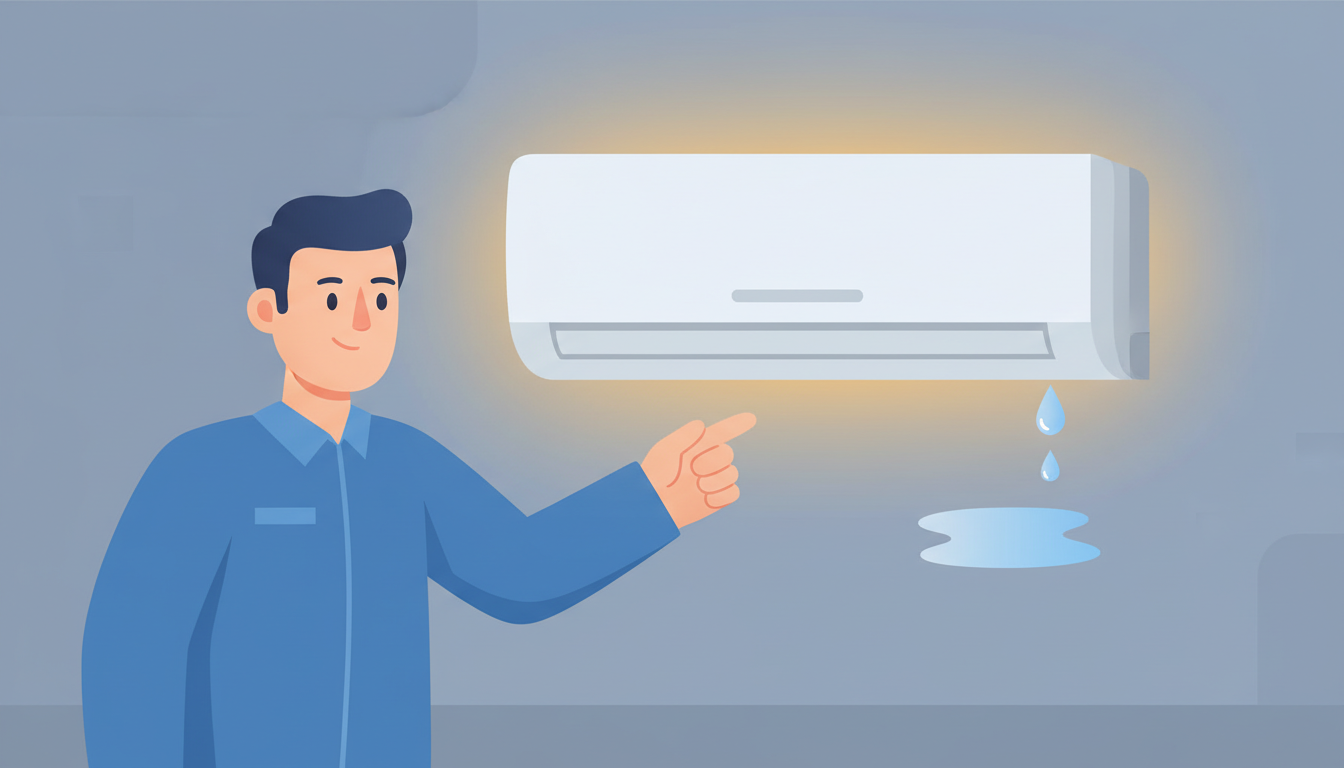
You're not alone if you've noticed water dripping from your mini-split's indoor unit. A mini split leaking water indoors is one of the most common problems homeowners face with ductless systems, but the good news is that most causes are fixable.
In this guide, you'll learn exactly why your mini-split drips water, how to identify the specific cause, and which fixes you can handle yourself versus when to call a professional HVAC technician.
How Mini-Splits Create Water (And Why That's Normal)
Before we dive into problems, let's understand what's supposed to happen. Your mini-split pulls moisture out of the air when it cools your home.
This moisture collects on the cold evaporator coil inside your indoor air handler, just like water beads form on a cold glass on a hot day. That water drips into a drain pan and flows out through a condensate drain line.
When everything works correctly, you never see this water. It quietly drains away outside or into a drain. But when something goes wrong, that water ends up on your floor, wall, or dripping from the unit.
The 7 Most Common Causes of Indoor Mini-Split Water Leaks
1. Clogged Condensate Drain Line (The #1 Culprit)
A blocked drain line causes about 80% of all mini split water leaks. Here's what happens.
Your condensate drainage system carries water away from the indoor unit through a small plastic tube. Over time, this drain line fills with algae, mold, dirt, and debris. When the line gets clogged, water backs up and overflows from the drain pan.
How to check: Look for the thin plastic drain tube coming from your indoor unit. If water isn't dripping from the end when your system runs, the line might be blocked.
Quick fix you can try: Use a wet/dry vacuum to suction out the drain line from the outside end. You can also try flushing it with a mixture of one cup white vinegar and one cup warm water. For detailed maintenance tips, check out our mini-split repair guide.
2. Dirty or Clogged Air Filter
Your air filter does more than clean the air—it protects your entire system. When the filter gets clogged with dust, pet hair, and debris, airflow drops dramatically.
Restricted airflow causes your evaporator coil to get too cold. The coil can actually freeze solid. When the ice melts, it creates way more water than your drain pan can handle, and you get a mini split leaking water indoors.
Warning signs:
- Ice forming on the indoor unit
- Weak airflow from vents
- Higher energy bills
- Water dripping when the system cycles off
The fix: Check your air filter monthly and clean or replace it every 1-2 months during heavy use. This simple step prevents most water leak problems.
3. Damaged or Rusted Drain Pan
The drain pan sits under your evaporator coil to catch condensation. Over time, drain pans can crack, rust, or corrode—especially in humid climates.
Even a small crack lets water escape before it reaches the drain line. You might notice water stains on the wall below your indoor unit or puddles forming directly under the unit.
How to inspect: Remove your unit's front cover (usually just clips). Look at the drain pan for cracks, rust spots, or holes. Standing water in the pan when the unit isn't running also signals a problem.
When to call a pro: Drain pan replacement requires partial disassembly of the indoor unit. This is a job for an HVAC technician unless you're very handy.
4. Improper Installation or Unlevel Unit
Your indoor unit must be mounted perfectly level or tilted slightly backward (toward the wall). This ensures water flows toward the drain connection, not toward the front of the unit.
If your installer mounted the unit too far forward or off-level, condensate drains toward the front and drips out. You might see water coming from the front vents or beading along the bottom edge.
Check it yourself: Use a level app on your phone or a small bubble level. Place it on top of the indoor unit. The unit should be level side-to-side and tilted back about 1-2 degrees.
The solution: An experienced technician can adjust the mounting bracket to fix the tilt. Don't try this yourself—you could damage refrigerant lines or electrical connections.
5. Low Refrigerant Levels
When your mini-split runs low on refrigerant, the evaporator coil gets too cold and freezes. As ice builds up, it eventually melts and floods the drain pan.
Low refrigerant usually means you have a leak somewhere in the system. Refrigerant doesn't get "used up"—if levels are low, something is wrong.
Signs of low refrigerant:
- Ice on refrigerant lines or indoor unit
- Reduced cooling performance
- Hissing sounds from the unit
- Higher energy bills
Important: Only licensed HVAC professionals should handle refrigerant. It requires special equipment and certification. If you suspect low refrigerant, schedule a service call right away.
6. Condensate Pump Failure
Some mini-split installations use a condensate pump to move water upward or across long distances to a drain. If this pump fails, water backs up and overflows.
You can usually hear the pump running—it makes a soft humming or gurgling sound when the system operates. If the pump is silent but water is backing up, it may have failed.
Quick test: Pour a cup of water into the drain pan. A working pump should activate and remove the water within a minute. If nothing happens, the pump or its float switch is broken.
Professional repair needed: Condensate pump replacement costs $100-$300 including parts and labor.
7. Blocked or Frozen Outdoor Drain Connection
In some installations, the drain line routes outside and ends at ground level. This outdoor end can get blocked by dirt, leaves, insects, or even freeze shut in cold weather.
If you're experiencing a mini split leaking water indoors during winter or after cold nights, check if the outdoor drain connection is frozen or blocked.
Winter fix: Pour warm (not boiling) water over the frozen drain end to thaw it. Consider insulating the drain line to prevent future freezing.
How to Identify Where Your Leak Is Coming From
Not all water leaks look the same. The leak location gives you clues about the cause.
Water dripping from the front vents: Usually indicates an unlevel unit or severely clogged drain line.
Water running down the wall behind the unit: Points to drain pan damage or disconnected drain line.
Puddle directly under the unit: Often means the drain pan is cracked or the drain connection has come loose.
Water appearing only when the system first turns on: Suggests ice buildup that melts during startup—check your air filter and refrigerant levels.
DIY Fixes vs. When to Call a Professional
Some mini split water leak fixes are safe and easy to DIY. Others require professional expertise.
Safe DIY Solutions:
- Clean or replace the air filter
- Clear the drain line with a wet/dry vacuum
- Flush the drain line with vinegar solution
- Remove visible debris from the drain pan
- Check and adjust the unit's level with a bubble level
Call an HVAC Technician For:
- Refrigerant leaks or low refrigerant levels
- Drain pan replacement
- Condensate pump repair or replacement
- Significant unit re-leveling or remounting
- Any electrical issues
- Persistent leaks you can't identify
For more guidance on HVAC maintenance and repairs, visit our comprehensive HVAC repair guide.
The Hidden Dangers of Ignoring Water Leaks
A small drip might seem harmless, but ignoring a mini split condensate leak creates serious problems.
Mold and mildew growth: Constant moisture creates the perfect environment for mold. Within weeks, you could have mold growing inside walls, on ceilings, or around the unit itself.
Water damage: Even a slow drip damages drywall, flooring, and paint over time. What starts as a small stain can become expensive structural damage.
Electrical hazards: Water and electricity don't mix. A leaking unit near electrical outlets or components creates shock and fire risks.
Reduced system efficiency: Many leak causes also reduce your system's cooling performance, driving up energy bills.
Complete system failure: A frozen coil from low refrigerant or restricted airflow can damage the compressor—one of the most expensive components to replace.
Preventive Maintenance to Stop Leaks Before They Start
Most mini split water leaks are preventable with regular maintenance. Follow this schedule to keep your system running leak-free.
Monthly Tasks:
- Check and clean the air filter
- Visually inspect for water stains or drips
- Make sure the drain line end is dripping when the system runs
Every 3 Months:
- Flush the drain line with vinegar solution
- Inspect the drain pan for standing water
- Clean dust and debris from the indoor unit cover
Annual Professional Service:
- Complete system inspection
- Refrigerant level check
- Deep cleaning of evaporator coil
- Drain system flush and treatment
- Electrical connection check
Professional annual maintenance costs $100-$200 but prevents most major repairs. It's the best investment you can make in your mini-split system.
To learn more about the most common causes of mini-split water leaks, read our detailed article on mini-split leaking water indoors common causes.
Emergency Fixes When You Need Immediate Help
If your mini split is leaking water right now and you need to stop the immediate problem, try these quick fixes.
Immediate action steps:
- Turn off the system to prevent more water accumulation
- Place towels and a bucket under the leak to protect floors
- Remove and clean the air filter
- Check the drain line end—if it's not dripping, try the vacuum suction method
- Pour water directly into the drain pan to see if it drains (tests the drain line)
These temporary fixes might stop the immediate leak, but you still need to identify and fix the root cause. Schedule a professional inspection if the problem returns.
Understanding the Cost of Repairs
Knowing typical repair costs helps you make informed decisions about DIY versus professional help.
| Repair Type | Typical Cost | DIY or Professional |
|---|---|---|
| Air filter replacement | $10-$30 | DIY |
| Drain line cleaning | $75-$150 | Either |
| Drain pan replacement | $150-$400 | Professional |
| Refrigerant recharge | $200-$600 | Professional |
| Condensate pump replacement | $100-$300 | Professional |
| Unit re-leveling | $100-$200 | Professional |
These costs vary by location and system complexity. Always get multiple quotes for major repairs.
Frequently Asked Questions
Why does my mini-split only leak when it's humid outside?
High humidity creates more condensation on your evaporator coil. If your drain system is partially clogged or slow-draining, it might handle normal days fine but overflow when humidity spikes. Clean your drain line and consider having a professional treat it with algae-prevention tablets.
Can I use bleach to clean the drain line?
You can, but vinegar is safer and just as effective. If you do use bleach, heavily dilute it (1/4 cup bleach to 1 gallon water) and flush thoroughly with clean water afterward. Concentrated bleach can damage plastic drain components over time.
Is it normal for mini-splits to drip a little water?
A small amount of condensation around the refrigerant lines is normal in very humid conditions. However, water dripping from the indoor unit itself is never normal. Your system should drain all condensation through the drain line, not onto your floor.
How often should I clean my mini-split drain line?
Clean the drain line every 3 months during the cooling season. In very humid climates or heavily used systems, monthly cleaning prevents most clogs. Annual professional cleaning with algae-prevention treatment provides the best protection.
Will a leaking mini-split stop working completely?
Eventually, yes. The leak indicates an underlying problem that will worsen over time. Low refrigerant can damage the compressor. Frozen coils can crack. Persistent water exposure can corrode electrical components. Address leaks promptly to avoid expensive system failure.
Take Action Before Small Drips Become Big Problems
A mini split leaking water indoors signals a problem that won't fix itself. Whether it's a simple clogged drain line or a more serious refrigerant issue, addressing the cause quickly prevents damage and expensive repairs.
Start with the simple fixes—check your air filter, inspect the drain line, and look for obvious problems. If you can't identify the cause or the leak persists after basic troubleshooting, don't hesitate to call a qualified HVAC technician.
Your mini-split system is a valuable investment in home comfort. Regular maintenance and quick attention to problems like water leaks will keep it running efficiently for years to come.
Need professional help with your mini-split? Contact a local HVAC specialist today to diagnose and fix your water leak before it causes lasting damage to your home.