
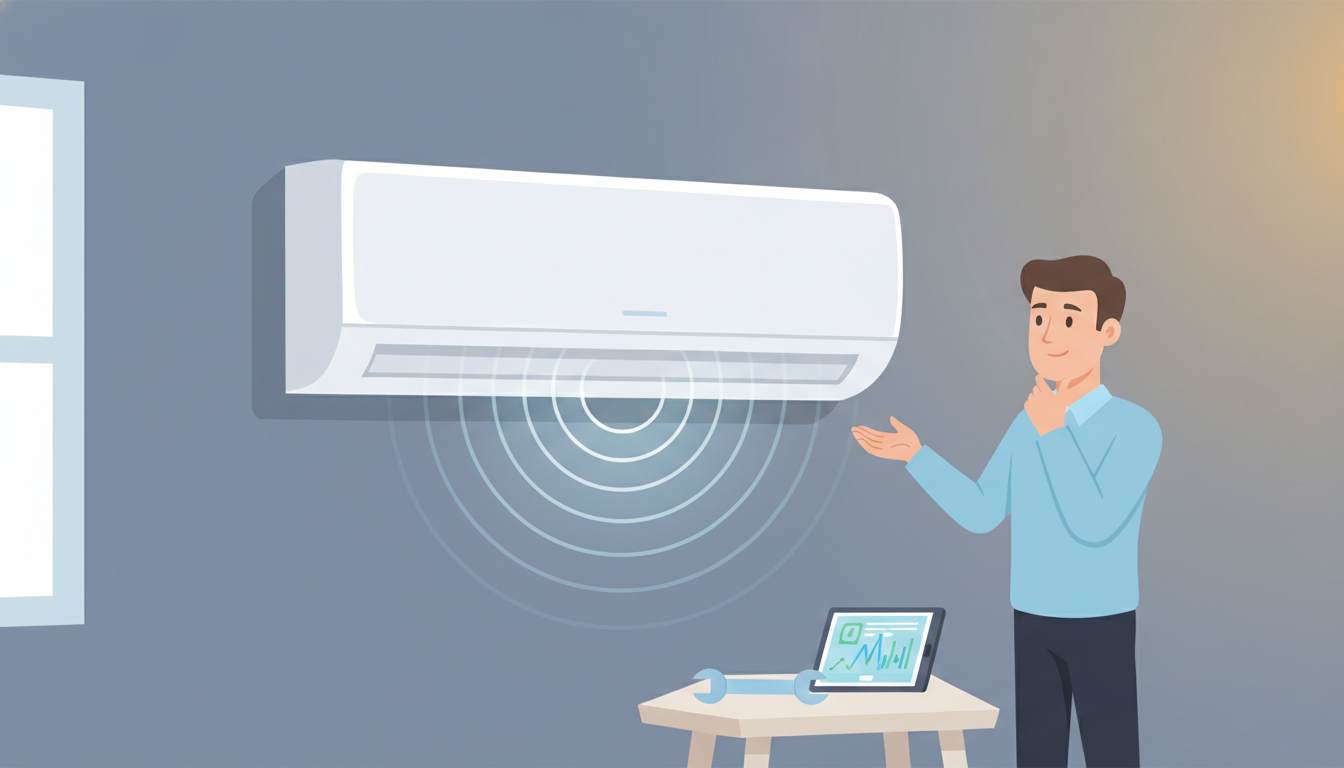
Why Is My Mini-Split So Loud? Common Causes and Easy Fixes
Why Is My Mini-Split So Loud? Common Causes and Easy Fixes
If your mini-split is making loud noises, you're not alone. While these ductless heat pump systems are known for quiet operation, various issues can turn your peaceful home into a noisy environment. The good news? Most mini split noise problems have straightforward solutions.
Understanding why your mini split is loud helps you determine whether you need professional HVAC repair or if it's a simple fix you can handle yourself. Let's dive into the most common causes of mini split noise and what you can do about them.
How Loud Should a Mini-Split Be?
Before troubleshooting, it's important to know what's normal. Most mini splits operate at 19-40 decibels (dB) for indoor units—about as loud as a whisper or quiet library. Outdoor condenser units typically run at 50-60 dB, similar to a normal conversation.
For context, a refrigerator hums at around 40 dB, while a dishwasher runs at about 50-60 dB. If your mini split is louder than these common household appliances, something needs attention.
If your mini split outdoor unit is too loud or your indoor air handler sounds like it's working overtime, something's wrong. Excessive noise not only disrupts your comfort but often signals a problem that could worsen without attention. Many homeowners report that a properly functioning mini split is so quiet they forget it's running—that's the level of performance you should expect.
Common Mini-Split Sounds and What They Mean
Rattling or Vibrating Sounds
A rattling mini split usually indicates loose components or debris. This is one of the most common mini split noise problems and can come from either your indoor or outdoor unit. The sound typically resembles something shaking or bouncing inside the unit, and it may worsen as the fan speed increases.
What causes it:
- Loose mounting brackets or screws
- Debris in the outdoor condenser (leaves, twigs, small rocks)
- Loose fan blades or motor mounts
- Vibrating wall from improper installation
- Degraded rubber mounting grommets
- Objects trapped in the fan housing
How to fix it:
- Inspect your outdoor unit and remove any visible debris
- Tighten any loose screws on access panels
- Check that your indoor unit is securely mounted to the wall
- Consider adding anti-vibration pads under the outdoor unit
- Verify that the fan spins freely without obstruction
- Check the wall for hollowness or inadequate support
If the mini split vibrating wall issue persists, your unit may not be properly installed. Professional mini-split repair can ensure proper mounting and vibration isolation. Sometimes the wall itself needs reinforcement, or the unit may need to be relocated to a more suitable mounting location.
Buzzing or Humming Noise
A buzzing noise from your mini split often points to electrical issues or motor problems. While some humming during operation is normal, loud or persistent buzzing needs attention. This sound is often described as a low-frequency drone or electrical buzz that doesn't match the rhythm of the fan.
What causes it:
- Loose electrical connections
- Failing contactor or capacitor
- Motor bearing wear
- Electrical arcing (serious safety concern)
- Transformer issues
- Voltage fluctuations or power supply problems
How to fix it: Never attempt DIY electrical repairs on your HVAC system. Buzzing noises require a qualified HVAC technician to:
- Check and tighten electrical connections
- Test the capacitor and contactor
- Inspect motor bearings
- Ensure proper electrical grounding
- Measure voltage and amperage
- Replace faulty electrical components
Electrical issues can damage your system and pose fire risks, so don't delay professional service. If the buzzing is accompanied by flickering lights, burning smells, or the circuit breaker tripping, turn off the system immediately and call for emergency service.
Hissing or Whistling Sound
A hissing mini split typically indicates a refrigerant leak or airflow restriction. This sound often gets louder over time and affects your system's cooling or heating performance. The pitch can range from a high whistle to a low hiss, depending on the severity and location of the issue.
What causes it:
- Refrigerant leak in the line set or coils
- Severely clogged air filter
- Blocked condensate drain line
- Expansion valve issues
- Pinched or kinked refrigerant lines
- Incorrect refrigerant charge
How to fix it:
- Check and replace your air filter if it's dirty
- Inspect the condensate drain for blockages
- Look for ice buildup on refrigerant lines (indicates a leak)
- Examine visible refrigerant lines for damage
- Note if cooling or heating performance has declined
If you hear a mini split whistling sound even when the unit is off, or if you notice reduced cooling/heating performance, you likely have a refrigerant leak. Only certified technicians can repair refrigerant leaks and recharge your system properly. Refrigerant handling requires EPA certification, and improper repairs can damage the environment and void your warranty.
Clicking or Popping Noises
Occasional clicking or popping from your mini split is usually normal—it's the sound of thermal expansion as components heat up and cool down. However, constant clicking needs investigation. Think of it like the sounds your house makes as temperatures change, but localized to your HVAC system.
Normal clicking:
- Startup and shutdown sounds (thermostat relay)
- Thermal expansion of plastic housing
- Defrost cycle activation in heat mode
- Reversing valve operation when switching modes
Abnormal clicking:
- Repetitive clicking that doesn't stop
- Loud snapping sounds from the outdoor unit
- Clicking accompanied by the unit not starting
- Clicking every few seconds during operation
How to fix it: If clicking is excessive or prevents startup, check your mini-split remote settings first. Ensure the unit is receiving proper signals. Persistent mechanical clicking requires professional diagnosis of the contactor or fan motor. The contactor is an electrical relay that can wear out over time, creating repetitive clicking sounds.
Grinding or Screeching Sounds
This is the most concerning noise your mini split can make. Grinding or screeching usually means imminent component failure—turn off your system immediately to prevent further damage. These metal-on-metal sounds indicate that lubrication has failed or a component has seized.
What causes it:
- Failed compressor bearings
- Seized fan motor
- Damaged blower wheel
- Lack of lubrication in moving parts
- Worn motor mounts
- Foreign object lodged in the fan
How to fix it: Grinding noises require immediate professional attention. Continuing to run your system can cause catastrophic failure and expensive repairs. Call an HVAC technician right away if you hear grinding or screeching. In some cases, the damage may already be severe enough to require component replacement rather than repair.
Indoor vs. Outdoor Unit Noise: What's the Difference?
Understanding where the noise originates helps pinpoint the problem faster. Each unit has distinct components that produce different sounds.
Mini Split Indoor Unit Loud
When your indoor air handler is noisy, the problem usually involves:
- Dirty air filters restricting airflow
- Loose wall mounting
- Fan motor or blower wheel issues
- Vibration against the wall
- Condensate pump noise (if equipped)
- Loose drain pan
Indoor units should be virtually silent. If yours is noticeably loud, start with filter cleaning and checking the mounting security. The indoor unit contains fewer moving parts than the outdoor unit, so noise here is less common but often easier to fix.
Mini Split Outdoor Unit Too Loud
Outdoor condenser noise typically stems from:
- Debris in the fan
- Loose panels vibrating
- Compressor problems
- Improper installation on unstable surface
- Worn or damaged fan bearings
- Refrigerant flow during high-demand operation
The outdoor unit naturally makes more noise than the indoor unit, but you shouldn't hear it clearly from inside your home. If neighbors are complaining about noise, or if you hear it through closed windows, the system needs attention.
Why Is My Mini Split Making Noise in Heat Mode?
Many homeowners notice their mini split making noise specifically when heating. This is often related to the defrost cycle and is usually normal. Heat pumps work harder in cold weather, which can amplify certain sounds.
Normal heat mode sounds:
- Swooshing or gurgling during defrost
- Brief clicking when switching to defrost
- Slight increase in fan noise
- Whooshing sound as the reversing valve switches
Abnormal heat mode sounds:
- Loud grinding or squealing
- Continuous hissing
- Excessive rattling
- Banging or knocking during defrost
Heat mode puts different demands on your system, particularly in cold weather. If your mini split is loud at night during heating season, it may need maintenance or adjustments to handle the workload. The defrost cycle typically runs every 45-90 minutes in freezing conditions and should last only a few minutes.
DIY Troubleshooting: Quick Fixes You Can Try
Before calling a professional, try these simple solutions. Many noise issues can be resolved with basic maintenance that takes just minutes.
Monthly Maintenance Tasks
- Clean air filters – Remove, vacuum, and rinse filters every 2-4 weeks
- Clear outdoor unit – Remove debris, leaves, and vegetation within 2 feet
- Check condensate drain – Ensure water drains freely
- Inspect for ice – Look for unusual frost buildup
- Listen for changes – Note any new sounds or changes in noise patterns
Quarterly Checks
- Tighten loose screws – Check access panels and mounting brackets
- Test remote functions – Verify all settings work properly
- Listen for changes – Note any new or worsening sounds
- Inspect refrigerant lines – Look for damage, kinks, or frost
- Clean outdoor coils – Gently rinse with a garden hose
Annual Professional Service
Even with regular DIY maintenance, schedule professional service annually to:
- Clean evaporator and condenser coils thoroughly
- Check refrigerant charge and leak test
- Test electrical connections and measure amperage
- Lubricate moving parts
- Inspect mounting and vibration isolation
- Test system performance under load
- Check for proper drainage
When to Call a Professional
Some mini split noise problems require expert diagnosis and repair. Don't wait for small issues to become major failures.
Call an HVAC technician if you experience:
- Grinding, screeching, or metal-on-metal sounds (turn off immediately)
- Continuous buzzing or humming (electrical hazard)
- Hissing with reduced performance (refrigerant leak)
- Any smell accompanying the noise (electrical burning or refrigerant)
- Noise that keeps getting worse (progressive failure)
- Multiple symptoms at once (system distress)
- Ice buildup on refrigerant lines (system imbalance)
- Water leaking from indoor unit (drainage problem)
Don't wait until a small problem becomes a major repair. Early intervention saves money and extends your system's lifespan. A service call today might prevent a complete system replacement tomorrow.
How to Reduce Mini Split Noise Long-Term
Prevention is the best strategy for maintaining a quiet mini-split system. Proper installation and regular maintenance are your best defenses against noise problems.
Proper Installation is Key
Many noise issues trace back to installation problems. If you're installing a new system, ensure:
- Wall mounting – Ensure studs support the weight properly
- Outdoor placement – Install on concrete pad, not deck or loose soil
- Line set routing – Secure refrigerant lines to prevent vibration
- Distance from living spaces – Position outdoor unit away from bedrooms
- Level installation – Both units must be perfectly level
- Proper clearances – Maintain manufacturer-specified distances from walls and obstacles
Upgrade Your Installation
If your mini split is vibrating the wall or making excessive noise, consider these upgrades:
- Add vibration isolation pads under the outdoor unit
- Install sound dampening material behind the indoor unit
- Use rubber grommets where refrigerant lines pass through walls
- Consider relocating the outdoor unit if it's on a hollow deck
- Reinforce the wall where the indoor unit mounts
- Add acoustic barriers around the outdoor unit (maintaining proper airflow)
Choose Quieter Models
If you're installing a new system or replacing an old one, noise ratings matter. Look for:
- Indoor units rated below 25 dB
- Outdoor units with sound dampening enclosures
- Inverter-driven compressors (naturally quieter)
- Multi-zone systems that can run at lower speeds
- Systems with night mode or quiet operation settings
Modern inverter mini-splits run at variable speeds rather than constant on-off cycling, which significantly reduces noise. Higher-end models often include advanced sound dampening features worth the investment if quiet operation is a priority.
Cost of Common Mini-Split Noise Repairs
Understanding potential repair costs helps you budget and make informed decisions. Prices vary by region and system type, but here are typical ranges:
- Filter replacement – $15-30 (DIY)
- Cleaning service – $80-150
- Fan motor replacement – $200-500
- Refrigerant leak repair and recharge – $300-800
- Compressor replacement – $1,200-2,500
- Contactor or capacitor replacement – $150-400
- Complete system replacement – $3,000-8,000
Many noise issues fall into the affordable maintenance category. Catching problems early prevents the expensive repairs. Regular $100-150 annual maintenance can prevent $1,000+ repair bills.
Warranty Considerations
Most mini-split systems come with a 5-10 year parts warranty and 1-2 year labor warranty. Understanding warranty coverage can save you hundreds or thousands of dollars.
Noise-related issues may be covered if:
- The problem stems from manufacturing defects
- The system is within the warranty period
- You've maintained regular professional service
- Installation was performed by a certified contractor
- You can provide proof of annual maintenance
Important: DIY repairs or using unauthorized service providers may void your warranty. Always check warranty terms before proceeding with repairs. Keep all service records in case you need to file a warranty claim.
Some manufacturers require registration within a specific timeframe to activate the full warranty. Check your documentation and register your system if you haven't already.
Frequently Asked Questions
Is it normal for my mini split to make noise?
Yes, some noise is normal. You should expect quiet humming during operation, occasional clicking at startup/shutdown, and gentle airflow sounds. Anything louder than a normal conversation or unusual grinding, squealing, or hissing is abnormal.
Why is my mini split loud at night?
Night noise seems worse because ambient sound is lower. Additionally, nighttime heating or cooling demands may cause the compressor to work harder. If the noise is truly excessive, check air filters and ensure the outdoor unit is properly mounted. Some systems have a "night mode" setting that reduces fan speed for quieter operation.
Can a dirty filter make my mini split loud?
Absolutely. A clogged filter forces your system to work harder, increasing fan noise and potentially causing whistling sounds as air struggles to pass through. Clean your filters every 2-4 weeks for optimal performance and noise reduction. This is the single most common cause of increased noise in mini-splits.
How often should I have my mini split serviced?
Professional service once per year is recommended. If you use your system heavily or live in a dusty environment, consider twice-yearly service. Regular maintenance prevents most noise issues and extends system life. Spring is ideal for pre-cooling season service, while fall prepares your system for heating season.
Should I turn off my mini split if it's making noise?
If you hear grinding, screeching, or smell anything unusual, turn off your system immediately and call a professional. For other noises like clicking or mild humming, you can continue operation while scheduling service, but don't delay. Continuing to run a system with serious problems can turn a $200 repair into a $2,000 replacement.
Conclusion: Don't Ignore Your Noisy Mini-Split
A loud mini split isn't just annoying—it's often a warning sign. Whether you're dealing with simple filter maintenance or complex compressor issues, addressing noise problems promptly protects your investment and maintains your home comfort.
Start with the simple fixes: clean your filters, clear debris from the outdoor unit, and check for loose components. These basic maintenance tasks solve the majority of noise complaints and take less than 30 minutes.
For persistent or concerning sounds, professional HVAC service is your best option. An experienced technician can diagnose issues that aren't obvious to homeowners and prevent small problems from escalating into major repairs.
Ready to silence your noisy mini-split? Contact a qualified HVAC technician to diagnose and repair your system. Regular maintenance and timely repairs will keep your ductless system running quietly and efficiently for years to come. Don't let noise problems disrupt your peace—take action today.