When a Minor Repair Becomes a Major HVAC Problem
When a Minor Repair Becomes a Major HVAC Problem
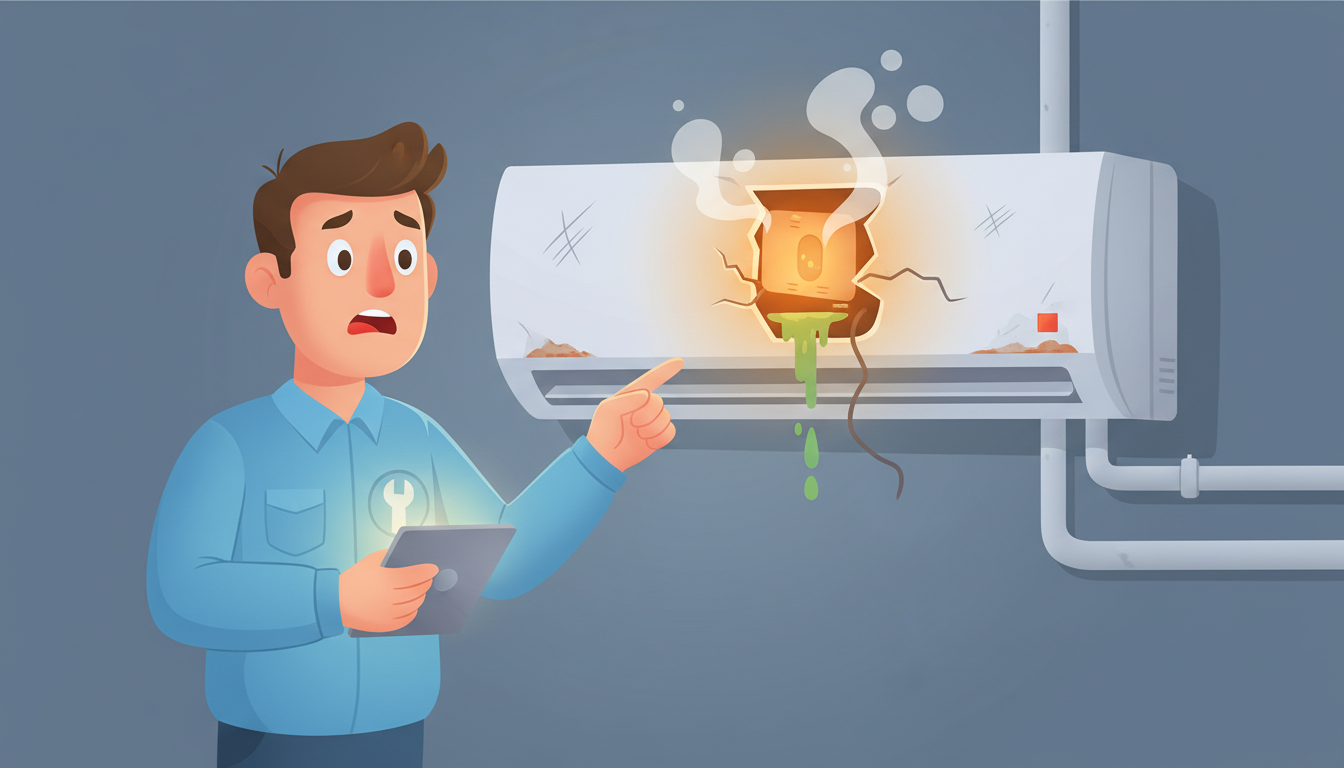
Your air conditioner makes a strange noise. Your heating system takes longer to warm the house. Your energy bill creeps up month after month. These small changes seem harmless at first, but ignoring them can transform a simple $150 repair into a $3,000 emergency breakdown. Understanding when a minor repair becomes a major HVAC problem can save you thousands of dollars and prevent uncomfortable emergency situations during the hottest or coldest days of the year.
Why Small HVAC Problems Don't Stay Small
HVAC systems are interconnected networks where every component depends on others to function properly. When one part starts to fail, it forces the rest of your system to work harder to compensate. This creates a domino effect that spreads damage throughout your entire heating and cooling system.
A dirty air filter seems insignificant. But that clogged filter restricts airflow, forcing your blower motor to strain harder with every cycle. The extra workload overheats the motor, shortens its lifespan, and can even crack your heat exchanger. What started as a $20 filter replacement becomes a $1,200 heat exchanger repair or worse—a complete system replacement costing $5,000 or more.
This pattern repeats across every HVAC component. Small issues create compensatory stress that accelerates wear patterns throughout your system.
The Hidden Timeline: How Long Before Minor Issues Escalate
Most homeowners wonder how much time they have before a small HVAC issue escalation turns critical. The answer depends on the specific problem and how hard your system works.
A minor refrigerant leak might take 6-12 months to deplete enough coolant to damage your compressor. During peak summer usage, that timeline shrinks to 2-3 months. A loose electrical connection might work fine for weeks, then suddenly fail during a heat wave when your AC runs constantly.
The real danger isn't just time—it's the invisible damage happening while your system appears to work normally. Your HVAC continues running, masking progressive damage until multiple components fail simultaneously.
Common Minor Problems That Become Major Repairs
Dirty Air Filters Lead to System-Wide Failure
Your air filter protects your entire HVAC system from dust, debris, and airflow restriction. When filters get clogged, your system struggles to pull air through the obstruction.
The blower motor works overtime, generating excessive heat. Heat exchanger temperatures spike beyond safe levels. Evaporator coils freeze from reduced airflow. Ductwork develops pressure imbalances that strain connections and seals.
A dirty air filter can lead to compressor failure because restricted airflow causes ice buildup on your evaporator coil. Your compressor then works against this ice blockage, overheating and burning out internal components. You'll pay $1,500-$2,500 to replace a compressor that could have been protected by a $15 filter change.
Refrigerant Leaks Destroy Compressors
Small refrigerant leaks often go unnoticed because your AC still cools—just not as effectively. You might notice longer run times or slightly warmer indoor temperatures, but the system keeps working.
Meanwhile, low refrigerant levels force your compressor to work harder to circulate the remaining coolant. The compressor overheats, oil breaks down, and internal damage accelerates with every cooling cycle. A refrigerant leak can turn into a major repair within a single cooling season.
The cost difference is staggering. Fixing a small leak and recharging refrigerant costs $200-$400. Replacing a damaged compressor runs $1,500-$2,500. If the compressor failure contaminates your refrigerant lines, you're looking at $3,000-$5,000 for a complete system replacement.
Electrical Issues Create Cascade Failures
Worn electrical connections, failing capacitors, and degraded contactors might seem like minor electrical problems. But electrical degradation rarely stays isolated.
A weak capacitor struggles to start your compressor. The compressor draws excessive current trying to start, which overheats your contactor. The contactor's damaged contacts create resistance, generating more heat. Eventually, the circuit breaker trips, your compressor burns out, or your entire air handler fails.
You'll spend $150-$300 to replace a failing capacitor early. Wait until it causes compressor damage, and you're facing $2,000+ in repairs.
Strange Noises Signal Imminent Mechanical Failure
Ignoring HVAC noise can cause damage faster than any other warning sign. Unusual sounds indicate mechanical wear that worsens exponentially once it starts.
Grinding noises mean bearings are failing in your blower motor or fan. Those bearings will seize within weeks, freezing the motor and potentially waraging the fan blades and housing. A $300 bearing replacement becomes a $800-$1,200 motor replacement.
Squealing sounds indicate belt slippage or pulley misalignment. The belt will eventually snap, leaving you without heating or cooling until a technician arrives. Worse, a broken belt can damage other components as it whips around inside your air handler.
Banging or clanking noises suggest loose components that will break free and cause extensive internal damage. The cost to repair mechanical damage multiplies every day you wait.
How HVAC Problems Cascade Through Your System
One of the most important concepts to understand is how HVAC problems cascade through system components. Your heating and cooling system operates as an interconnected network, not isolated parts.
When your condensate drain clogs, water backs up into your drain pan. The pan overflows, damaging nearby electrical components. Water corrodes your heat exchanger, creates mold in your ductwork, and damages your ceiling or walls. What started as a simple drain cleaning becomes thousands in water damage repairs.
When your thermostat malfunctions, it sends incorrect signals to your HVAC system. Your equipment short cycles, starting and stopping repeatedly. This constant starting stresses your compressor, wears out your capacitor, and spikes your energy bills. Each component fails faster than it should because one faulty thermostat creates system-wide stress.
Understanding this cascade effect helps you recognize why seemingly minor issues demand immediate attention.
The True Cost: Minor vs Major HVAC Repairs
Let's compare actual repair costs to see the financial impact of delayed HVAC repair consequences:
Scenario 1: Dirty Air Filter
- Minor repair cost: $15-$30 (DIY filter replacement)
- Major repair cost: $1,200-$2,500 (heat exchanger or compressor replacement)
- Cost multiplier: 40-166x more expensive
Scenario 2: Small Refrigerant Leak
- Minor repair cost: $200-$400 (leak repair and recharge)
- Major repair cost: $1,500-$5,000 (compressor replacement or full system)
- Cost multiplier: 7-25x more expensive
Scenario 3: Failing Capacitor
- Minor repair cost: $150-$300 (capacitor replacement)
- Major repair cost: $2,000-$3,000 (compressor and contactor damage)
- Cost multiplier: 13-20x more expensive
Scenario 4: Unusual Noises (Worn Bearings)
- Minor repair cost: $200-$400 (bearing replacement)
- Major repair cost: $800-$1,500 (motor and housing damage)
- Cost multiplier: 4-7x more expensive
These numbers don't include the hidden costs of emergency repairs. Emergency HVAC service during peak season can cost 50-100% more than scheduled maintenance. You'll also pay for temporary heating or cooling solutions, lost productivity, and potential property damage from system failures.
Warning Signs You Should Never Ignore
Some HVAC warning signs ignore at greater risk than others. These red flags indicate problems that escalate rapidly:
Immediate Action Required (Call Today):
- Burning smells from vents (potential fire hazard)
- Sulfur or rotten egg odors (possible gas leak)
- Complete system failure to start
- Frequent circuit breaker trips
- Water pooling around indoor unit
- Ice buildup on refrigerant lines or coils
Urgent Action Needed (Call This Week):
- Loud grinding, squealing, or banging noises
- Significant temperature inconsistencies (10+ degrees)
- Constant running without reaching set temperature
- Rapidly increasing energy bills (20%+ increase)
- Musty odors indicating mold growth
Schedule Professional Inspection (This Month):
- Minor temperature variations between rooms
- Longer run times than normal
- Slight increases in energy consumption
- Clicking or humming during startup
- Reduced airflow from vents
Knowing which warning signs demand immediate professional inspection can prevent emergency breakdowns and protect your family's comfort and safety.
When to Call an HVAC Technician vs DIY
Homeowners often ask, "When to call HVAC technician for small problem versus handling it myself?" The answer depends on your comfort level and the problem's complexity.
Safe DIY Tasks:
- Replacing air filters monthly
- Cleaning around outdoor condenser unit
- Checking and replacing thermostat batteries
- Resetting tripped circuit breakers
- Clearing condensate drain line with vinegar
Always Call a Professional For:
- Any refrigerant-related issues (EPA regulations require certification)
- Electrical repairs beyond simple resets
- Strange noises or burning smells
- Performance issues after DIY troubleshooting
- Any repair involving gas connections
- Warranty-covered repairs (DIY can void coverage)
If you've completed basic troubleshooting from our HVAC repair guide and problems persist, professional diagnosis is essential. Attempting complex repairs without proper training can create safety hazards and cause more damage than the original problem.
How Preventive Maintenance Prevents Major Repairs
HVAC maintenance prevent major repairs more effectively than any other strategy. Regular professional maintenance catches minor issues before they escalate.
During a professional tune-up, technicians:
- Inspect all electrical connections for signs of wear
- Check refrigerant levels and test for leaks
- Lubricate motors and bearings to prevent friction damage
- Clean coils to maintain proper heat transfer
- Test capacitors and contactors for degradation
- Verify proper airflow throughout your system
- Identify early warning signs of component failure
This proactive approach costs $80-$150 twice per year—far less than a single emergency repair. More importantly, maintenance extends your system's lifespan by 5-10 years and maintains peak energy efficiency.
Studies show that well-maintained HVAC systems experience 95% fewer breakdowns than neglected systems. That investment in preventive care pays for itself many times over.
How One HVAC Problem Causes Another
A critical concept many homeowners miss is how one HVAC problem causes another through interconnected system dependencies.
Your evaporator coil depends on proper refrigerant charge, correct airflow, and clean surfaces to function. When refrigerant leaks, the coil freezes. Ice blocks airflow, straining your blower motor. The struggling motor overheats, damaging your capacitor. Your compressor works harder against the ice blockage, shortening its lifespan. One refrigerant leak has now created four separate failure points.
This interconnected vulnerability means that early intervention becomes exponentially more valuable. Fixing one problem prevents three others from developing.
Seasonal Factors That Accelerate Problems
Temperature extremes and seasonal usage patterns significantly impact how quickly minor issues become major repairs.
Summer Heat:
- Systems run 12-16 hours daily during heat waves
- High ambient temperatures strain compressors
- Increased electrical load accelerates connection degradation
- Dust and debris accumulation speeds up with constant fan operation
Winter Cold:
- Heating systems work hardest during coldest periods
- Heat exchanger stress increases with prolonged high-temperature operation
- Furnace components expand and contract, loosening connections
- Carbon monoxide risks increase with cracked heat exchangers
A minor refrigerant leak might be manageable during mild weather when your AC runs occasionally. During a 100-degree heat wave when your system runs constantly, that same leak can destroy your compressor in days.
Schedule inspections before peak seasons (spring for cooling, fall for heating) to catch problems before they face extreme operating conditions.
Warranty Implications of Delayed Repairs
Most HVAC manufacturers require proof of regular professional maintenance to honor warranty coverage. Delayed repairs can void warranties in several ways:
Allowing known problems to worsen often falls outside warranty terms. If you notice an issue, document it and get professional assessment quickly. Manufacturers may deny claims if they determine neglect caused the failure.
Failed components that damage other parts typically void coverage for the secondary damage. Your compressor might be under warranty, but if it fails and damages your refrigerant lines due to neglect, you'll pay for the line repairs yourself.
Keep detailed maintenance records showing all professional service visits. This documentation proves you maintained your system properly and helps ensure warranty claims get approved.
The Most Dangerous HVAC Scenarios
While cost matters, some minor repairs become major problems that threaten your safety:
Cracked Heat Exchanger: What starts as minor corrosion from condensation or stress cracks can develop into carbon monoxide leaks. Carbon monoxide is odorless, colorless, and deadly. If you notice rust stains, soot buildup, or your carbon monoxide detector activates, shut down your furnace and call emergency HVAC service immediately.
Electrical Fires: Overheated wiring, failing capacitors, and degraded connections can spark electrical fires. Burning smells from your vents, frequent breaker trips, or visible sparking require immediate professional attention. Never reset a tripped breaker more than once without identifying the cause.
Refrigerant Poisoning: While modern refrigerants are less toxic than older variants, significant leaks can displace oxygen and cause health symptoms. Severe headaches, dizziness, or nausea when your AC runs indicate possible refrigerant issues requiring emergency service.
Gas Leaks: Natural gas leaks create explosion and asphyxiation hazards. If you smell sulfur or rotten eggs, hear hissing near gas lines, or notice dead vegetation around your outdoor unit, evacuate immediately and call your gas company.
For help determining whether your HVAC problem is urgent, trust your instincts. When in doubt, professional assessment protects your family's safety.
Creating Your Prevention Strategy
Now that you understand how minor repairs become major HVAC problems, implement a prevention strategy:
Monthly Tasks:
- Replace or clean air filters
- Check thermostat operation
- Listen for unusual noises during operation
- Inspect around units for debris or obstructions
- Monitor energy bill changes
Seasonal Tasks:
- Schedule professional maintenance before peak seasons
- Clean outdoor condenser coils
- Check condensate drain for clogs
- Test system performance during mild weather
Immediate Action Items:
- Document any changes in system performance
- Research qualified HVAC technicians before emergencies
- Understand your warranty coverage and requirements
- Keep maintenance records organized
Financial Preparation:
- Budget $200-$300 annually for preventive maintenance
- Set aside emergency funds for unexpected repairs
- Consider HVAC service plans for priority service
Frequently Asked Questions
How quickly can a minor HVAC problem become a major repair?
The timeline varies by problem type and usage. During peak seasons, refrigerant leaks can damage compressors in 4-8 weeks. Electrical issues might fail catastrophically within days. Dirty filters typically take 2-6 months to cause serious damage. The key factor is system usage—problems escalate faster when your HVAC runs constantly.
What's the average cost difference between catching problems early vs late?
Early intervention typically costs 5-20 times less than delayed repairs. A $200 refrigerant leak repair becomes $2,000+ in compressor damage. A $150 capacitor replacement prevents $2,500 in electrical system failure. Emergency service during peak demand adds 50-100% to already elevated repair costs.
Can I safely ignore minor temperature inconsistencies?
Small temperature variations (2-3 degrees between rooms) might indicate minor duct imbalances. Larger inconsistencies (5+ degrees) signal airflow problems, refrigerant issues, or zone control failures that will worsen. Even minor variations deserve professional inspection because they indicate your system works harder to maintain comfort, accelerating wear.
How do I know if a problem requires immediate attention?
Use the red flag hierarchy: burning smells, gas odors, complete failures, and water leaks demand same-day service. Loud mechanical noises, significant performance changes, and frequent electrical trips need attention within days. Minor efficiency changes and slight noises warrant scheduled professional inspection within weeks.
Does regular maintenance really prevent major repairs?
Yes. Industry data shows professionally maintained systems experience 95% fewer breakdowns and last 5-10 years longer than neglected systems. Maintenance catches developing problems before they escalate, maintains peak efficiency (lowering energy costs 15-25%), and preserves warranty coverage. The $160-$300 annual maintenance cost prevents thousands in emergency repairs.
Take Action Before Small Problems Become Big Expenses
Understanding when a minor repair becomes a major HVAC problem empowers you to protect your investment and maintain your comfort. Every strange noise, performance change, and efficiency drop is your system asking for help. The question isn't whether to address these warning signs—it's whether you'll handle them as affordable minor repairs or expensive emergency breakdowns.
Schedule your seasonal HVAC inspection today. Professional technicians can identify developing problems before they escalate, saving you thousands in future repair costs. Your heating and cooling system is one of your home's largest investments—protect it with proactive care instead of reactive crisis management.
Don't wait for a complete system failure during the hottest or coldest day of the year. Call a qualified HVAC professional now to assess your system's health and catch minor issues before they become major problems.