
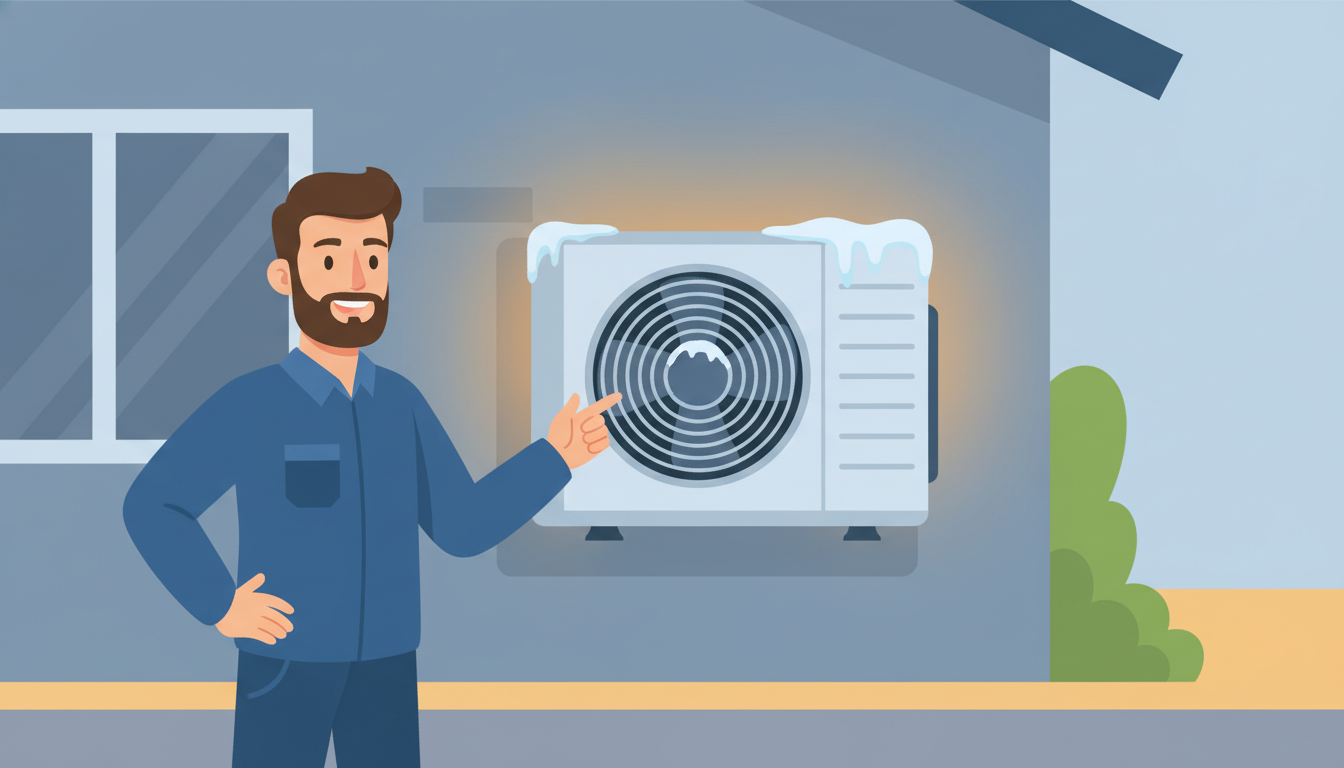
What Normal Heat Pump Defrost Looks Like: A Homeowner's Visual Guide
What Normal Heat Pump Defrost Looks Like: A Homeowner's Visual Guide
Have you ever looked outside on a cold morning and seen a cloud of steam billowing from your heat pump's outdoor unit? Or noticed water dripping from the equipment during winter? If you're wondering whether your system is malfunctioning, you're not alone. What you're witnessing is most likely a normal heat pump defrost cycle—a routine process that keeps your system running efficiently. In this guide, you'll learn exactly what normal heat pump defrost looks like, how to recognize it, and when you should actually be concerned.
What Is a Heat Pump Defrost Cycle?
A heat pump defrost cycle is your system's built-in way of removing frost and ice that accumulates on the outdoor unit during cold weather. Unlike a furnace that generates heat, your heat pump extracts warmth from the outside air and brings it indoors. When outdoor temperatures drop and humidity levels rise, moisture in the air condenses on the cold outdoor coils and freezes, creating frost buildup.
Think of it like how your car windshield fogs up on a cold morning. The difference is that your heat pump has an automated defrost mode to clear this frost away before it blocks airflow and reduces efficiency.
How the Defrost Process Works
During normal heating mode, your heat pump moves refrigerant through the outdoor coils to absorb heat from outside air. When the system detects frost buildup, it temporarily reverses this process. The reversing valve switches the refrigerant flow, essentially putting your heat pump into cooling mode for a few minutes. This sends hot refrigerant to the outdoor coils, melting the accumulated frost and ice.
Your backup heat or auxiliary heat strips activate during this time to keep your home warm. Once the frost is cleared, the system switches back to normal heating mode.
Visual Signs of Normal Heat Pump Defrost
When your heat pump enters defrost mode, you'll notice several distinct visual cues. These signs are completely normal and indicate your system is working as designed.
Steam Rising from the Outdoor Unit
The most dramatic sign of defrost is a large cloud of steam rising from your outdoor unit. This happens when hot refrigerant rapidly melts the frost, and the water vapor evaporates into the cold air. On a frigid morning, this steam cloud can be quite impressive—sometimes looking like smoke billowing from the unit.
Don't panic when you see this. It's not smoke, and your heat pump isn't on fire. It's simply water vapor created by the temperature difference between the hot melting frost and the cold outdoor air.
Water Dripping or Pooling
As frost melts, you'll see water dripping from the outdoor unit. Depending on how much frost accumulated, this can range from light dripping to a steady stream of water. The water typically drains away through a drain pan or runs off onto the ground around the unit.
In areas with proper installation, this water should drain away without causing issues. If you notice excessive pooling or ice dams forming around the base of your unit, you may need better drainage solutions, but the water itself during defrost is normal.
Outdoor Fan Stopping
During defrost mode, your outdoor fan stops running. This might seem counterintuitive, but it's intentional. The fan stopping allows the outdoor coils to heat up faster and melt the frost more efficiently. You'll notice the unit gets quieter during this phase.
The fan will restart once the defrost cycle completes and the system returns to normal heating mode.
Frost or Light Ice Before Defrost
Before a defrost cycle begins, you'll often see frost or a thin layer of ice coating the outdoor coils. This is completely normal, especially on humid or foggy mornings. A light, even coating of white frost across the coils indicates your system is operating normally and will soon initiate a defrost cycle.
Sounds You'll Hear During Normal Defrost
In addition to visual signs, your heat pump makes characteristic sounds during the defrost cycle. Understanding these noises helps you distinguish normal operation from potential problems.
The Reversing Valve "Swoosh"
When defrost mode begins, you'll typically hear a swooshing or whooshing sound as the reversing valve switches positions and changes the direction of refrigerant flow. This sound lasts just a few seconds and may repeat when the cycle ends and heating mode resumes.
Some homeowners describe this as similar to water flowing through pipes. It's a hydraulic sound created by refrigerant changing direction.
Clicking or Snapping
You might hear clicking sounds as relays switch and components activate or deactivate. These clicks happen when the defrost control board sends signals to various parts of your system. Individual clicks separated by minutes are normal.
Rapid, repeated clicking that continues for extended periods could indicate a problem and should be checked by a professional.
Brief Silence
Since the outdoor fan stops during defrost, you'll notice a period of relative quiet. If you're accustomed to the constant hum of your heat pump running, this sudden silence might seem concerning. Rest assured, it's part of the normal defrost process.
How Long Should a Normal Heat Pump Defrost Last?
A typical defrost cycle lasts between 5 to 15 minutes. Some newer, high-efficiency systems complete defrost in as little as 3 to 5 minutes, while older systems might take the full 15 minutes.
The exact duration depends on several factors:
- Amount of frost buildup: More frost takes longer to melt
- Outdoor temperature: Colder temperatures slow the melting process slightly
- System efficiency: Newer systems with advanced defrost controls work faster
- Humidity levels: Higher humidity often means more frost to clear
If your defrost cycles regularly exceed 20 minutes, or if the system seems stuck in defrost mode, that's a sign something isn't working properly. For guidance on diagnosing defrost control issues, check out our article on what a bad defrost board looks like.
How Often Should Your Heat Pump Defrost?
The frequency of defrost cycles varies significantly based on weather conditions. Understanding normal defrost frequency for your climate helps you recognize when something's off.
Cold, Humid Conditions (Most Defrost Activity)
In temperatures between 25°F and 45°F with high humidity, your heat pump may enter defrost mode every 45 to 90 minutes. This is the "sweet spot" for frost formation—cold enough to freeze moisture but not so cold that humidity drops significantly.
Foggy mornings, freezing rain, or high humidity days will trigger more frequent defrost cycles.
Very Cold, Dry Conditions (Less Defrost Activity)
When temperatures drop below 15°F to 20°F, humidity levels usually fall dramatically. With less moisture in the air, less frost forms on your coils. In these conditions, you might only see defrost cycles every 2 to 4 hours, or even less frequently.
Moderate Temperatures (Minimal Defrost)
Above 45°F, defrost cycles become rare. The outdoor coils don't get cold enough to freeze condensation, so frost doesn't accumulate. If your system is defrosting frequently in mild weather, that suggests a problem.
Seasonal Patterns
You'll notice more defrost activity in early winter and late fall when temperatures hover in the 30s and 40s with higher humidity. Mid-winter, especially in very cold climates, often brings less defrost activity due to lower humidity levels.
What You'll Experience Inside Your Home
Understanding what happens inside during defrost helps you recognize normal operation and avoid unnecessary worry.
Brief Temperature Fluctuation
During defrost, your heat pump stops adding heat to your home. If you have auxiliary heat strips, they activate to maintain indoor temperature. Most homeowners won't notice any temperature change at all.
Without auxiliary heat, you might feel a slight temperature drop of 1 to 2 degrees during the defrost cycle. This is normal and temporary. Your home will return to your set temperature once heating mode resumes.
Cooler Air from Vents
If you stand directly under a supply vent during defrost, you might feel cooler air coming out. This happens because the backup heat (if equipped) doesn't produce as much heat as your heat pump in normal operation.
This cool air period is brief—just the 5 to 15 minutes of the defrost cycle. If cool air persists beyond this timeframe, consult our heat pump repair guide for troubleshooting steps.
Thermostat Display
Many modern thermostats display "Auxiliary Heat" or "Emergency Heat" during defrost cycles. This is normal—the system is using backup heat to keep you comfortable while the outdoor unit defrosts. The display should return to normal heating mode once defrost completes.
Normal vs. Abnormal Defrost: How to Tell the Difference
Knowing the difference between normal defrost operation and actual problems saves you from unnecessary service calls and helps you catch real issues early.
Normal Defrost Signs
You can confidently conclude your defrost cycle is normal if you observe:
- Duration: Cycles last 5 to 15 minutes
- Frequency: Every 45 to 90 minutes in cold, humid weather; less often in very cold or mild conditions
- Frost appearance: Light, even coating of white frost across coils before defrost
- Steam: Large cloud of steam during defrost in cold weather
- Water: Moderate water draining from the unit
- Sounds: Brief swooshing when switching modes, outdoor fan stops during defrost
- Indoor comfort: Little to no temperature change inside
Warning Signs of Problems
Contact an HVAC professional if you notice:
- Excessive duration: Defrost cycles lasting 20+ minutes consistently
- Too frequent: Defrosting every 15 to 30 minutes regardless of weather
- Thick ice buildup: Ice completely encasing the outdoor unit or fan blades
- Ice remains after defrost: Frost or ice doesn't fully melt during cycle
- No defrost activity: Heavy ice buildup with no defrost cycles occurring
- Indoor temperature drops significantly: Home gets noticeably cold during defrost
- Continuous auxiliary heat: "Aux Heat" or "Emergency Heat" stays on constantly
- Strange odors: Burning smells or unusual odors during defrost
Thick ice with the outdoor fan buried in ice is never normal. If you see this, turn your system off and call for service immediately to prevent damage.
The Complete Defrost Cycle Timeline
Here's a minute-by-minute breakdown of what a typical defrost cycle looks like so you know exactly what to expect.
Minutes 0-1: Defrost Initiation
The defrost control board or sensor detects frost buildup on the outdoor coils. You'll hear a click as the reversing valve begins to switch. A swooshing sound accompanies the refrigerant changing direction. The outdoor fan stops spinning.
If you're watching the outdoor unit, you won't see much change yet—just the fan stopping.
Minutes 1-3: Heating the Coils
Hot refrigerant now flows through the outdoor coils. The frost begins to melt from the inside out. You might see small amounts of water starting to drip from the unit.
Inside your home, auxiliary heat strips (if equipped) activate to maintain comfort. Your thermostat may display "Aux Heat" or "Emergency Heat."
Minutes 3-8: Active Melting
This is when the most dramatic visual effects occur. Steam begins rising from the outdoor unit—sometimes dramatically in very cold weather. Water flows steadily from the melting frost and ice.
The steam cloud can be quite large, especially if there was significant frost buildup. This is the peak of the defrost cycle.
Minutes 8-12: Final Clearing
Most of the frost has melted. Steam production decreases. Water continues draining but at a slower rate. The coils are nearly clear of frost and ice.
Minutes 12-15: Return to Heating Mode
The defrost control board determines the coils are sufficiently clear. You'll hear another swoosh or click as the reversing valve switches back to heating mode. The outdoor fan restarts. Auxiliary heat deactivates (or reduces to lower stages).
Your system is now back in normal heating operation, extracting warmth from outdoor air and delivering it inside.
Factors That Affect Defrost Frequency
Several environmental and mechanical factors influence how often your heat pump needs to defrost. Understanding these helps you recognize whether your system's behavior matches your specific situation.
Outdoor Temperature and Humidity
The combination of temperature and humidity is the biggest factor. The 30°F to 40°F range with high humidity produces maximum frost. Very cold temperatures with low humidity produce minimal frost.
Coastal areas and regions with frequent fog see more defrost activity than dry, inland locations.
Wind Conditions
Wind affects how quickly frost accumulates. Gentle air movement around your outdoor unit can actually reduce frost formation by preventing moisture from settling on the coils. However, gusty winds that blow rain or snow onto the unit can increase frost buildup.
Heat Pump Size and Installation
An oversized heat pump that short-cycles may defrost more frequently because it doesn't run long enough in each heating cycle to build effective heat. Conversely, an undersized system running constantly may defrost less often because the coils stay slightly warmer.
Proper installation with adequate clearance around the outdoor unit promotes better airflow and can reduce excessive frost formation.
System Age and Maintenance
Older systems or those lacking regular maintenance may have less efficient defrost controls. Dirty air filters restrict airflow, which can lead to more frequent defrosting. Regular maintenance keeps your defrost sensors and controls working optimally.
For comprehensive maintenance tips, visit our HVAC repair guide.
Tips to Reduce Unnecessary Defrost Cycles
While you can't eliminate defrost cycles entirely, you can take steps to ensure your system only defrosts when truly necessary, improving efficiency and comfort.
Keep Your Air Filter Clean
A clean air filter ensures proper airflow through your system. Restricted airflow forces your heat pump to work harder and can trigger more frequent defrost cycles. Check your filter monthly during heavy use seasons and replace it every 1 to 3 months depending on your home environment.
Clear Snow and Debris from the Outdoor Unit
Keep the area around your outdoor unit clear of snow, ice, leaves, and other debris. Blocked airflow can cause uneven frost formation and more frequent defrosting. Maintain at least 2 feet of clearance on all sides of the unit.
Never cover your outdoor unit or try to protect it from frost—it's designed to handle cold weather and needs airflow to operate properly.
Ensure Proper Drainage
Make sure water from defrost cycles drains away properly. Standing water around the base of your outdoor unit can refreeze and create ice dams, leading to more frost accumulation and defrost issues.
If you notice poor drainage, consider installing a small gravel bed or drain channel around the unit.
Schedule Annual Professional Maintenance
A professional HVAC technician can clean your outdoor coils, check refrigerant levels, test defrost controls, and ensure all components are working efficiently. Annual maintenance catches small issues before they become expensive problems and helps your system defrost optimally.
When to Call a Professional
Most defrost cycles are completely normal and require no action on your part. However, certain situations warrant professional attention.
Call Immediately If:
- The outdoor unit is completely encased in thick ice
- Ice buildup extends beyond the coils to surrounding structures
- You notice a burning smell during defrost mode
- The system won't stop defrosting (stuck in continuous defrost)
- Indoor temperature drops below 60°F and won't recover
Schedule Service Soon If:
- Defrost cycles consistently last longer than 20 minutes
- Your system defrosts more than twice per hour
- You see ice remaining after multiple defrost cycles
- Auxiliary heat runs constantly even when not defrosting
- Your energy bills spike dramatically without explanation
During Routine Maintenance If:
- Defrost seems more frequent than in previous winters
- You're unsure whether your defrost patterns are normal
- It's been more than a year since your last professional service
- You want defrost sensor and control testing
Frequently Asked Questions About Heat Pump Defrost
Is it normal for my heat pump to defrost multiple times per hour?
In extremely cold and humid conditions (30°F to 40°F with high moisture), defrosting every 45 to 90 minutes is normal. However, if your system defrosts more than twice per hour consistently, that suggests a problem with the defrost controls, refrigerant charge, or airflow. Have a professional inspect your system.
Why does steam come from my heat pump in winter?
The steam you see is water vapor created when hot refrigerant rapidly melts frost from the outdoor coils during defrost mode. This is completely normal. The temperature difference between the hot melting water and cold outside air creates dramatic-looking steam clouds, especially on very cold days.
How can I tell if my heat pump is stuck in defrost mode?
A normal defrost cycle lasts 5 to 15 minutes. If your outdoor fan has been stopped for more than 20 minutes, your system may be stuck in defrost. Check your thermostat—if it shows "Auxiliary Heat" or "Emergency Heat" for extended periods (more than 20 minutes straight), and your outdoor fan isn't running, call for service.
Should I manually defrost my heat pump?
No. Never manually defrost your heat pump by pouring hot water on it, using a heat source, or attempting to scrape ice off the coils. Your system has automatic defrost controls designed to handle this process safely. Manual intervention can damage components and void warranties. If you think your defrost system isn't working, call a professional.
Does frequent defrosting mean my heat pump is failing?
Not necessarily. Defrost frequency is largely determined by weather conditions. If your system defrosts frequently during cold, humid weather but less often in dry cold or mild conditions, it's working normally. However, if defrost patterns don't match weather conditions, or if cycles are excessively long, you may have a defrost control issue that needs professional diagnosis.
Understanding Your Heat Pump's Normal Operation
Recognizing what normal heat pump defrost looks like gives you peace of mind and helps you distinguish routine operation from actual problems. When you see steam billowing from your outdoor unit on a cold morning, hear the swooshing sound of the reversing valve, or notice water dripping during winter, you now know these are signs of a properly functioning defrost cycle—not cause for alarm.
Your heat pump's defrost cycle is a sophisticated, automated process designed to keep your system running efficiently through winter. By understanding the visual signs, sounds, duration, and frequency of normal defrost operation, you can confidently assess your system's performance and know when professional help is truly needed.
Remember, most defrost activity is completely normal and requires no action from you. Focus on simple maintenance tasks like keeping your air filter clean and the outdoor unit clear of debris, and schedule annual professional service to keep everything running smoothly. When in doubt, consult with a qualified HVAC technician who can evaluate your specific system and provide expert guidance.
Stay warm, and don't worry when you see that cloud of steam—it's just your heat pump doing its job!