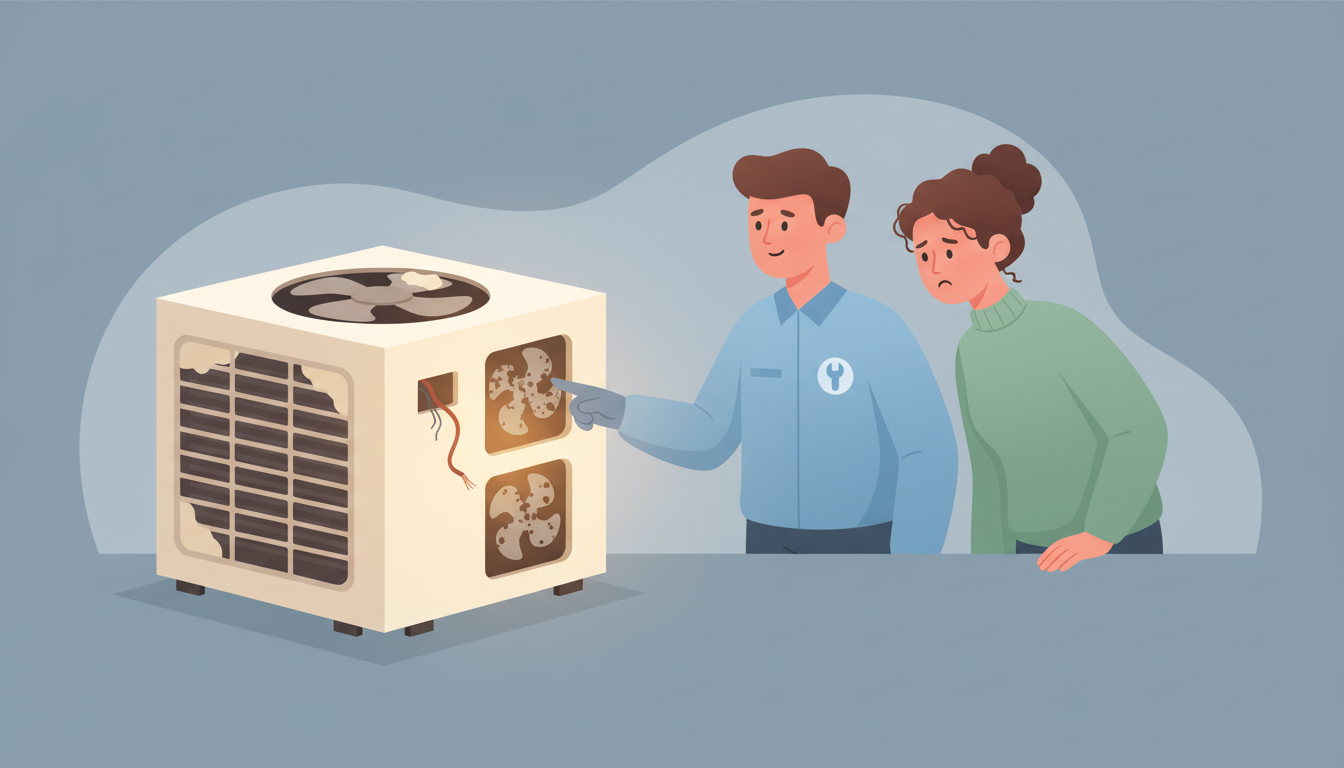
How to Read the Early Warning Signs of HVAC Failure
How to Read the Early Warning Signs of HVAC Failure
Your heating and cooling system works hard every day to keep your home comfortable. But like any hardworking machine, it won't last forever—and it usually gives you clues before it completely breaks down.
Learning how to read the early warning signs of HVAC failure can save you thousands of dollars in emergency repairs and keep your family comfortable year-round. Most HVAC failures don't happen overnight. Your system will typically show symptoms weeks or even months before it stops working completely.
In this guide, you'll discover the most common warning signs that indicate your HVAC system is struggling, what each symptom means, and when you should call a professional for help.
Understanding Your HVAC System's Lifespan
Before we dive into the warning signs, it's important to understand how long your heating and cooling system should last.
Most HVAC systems have a lifespan of 15 to 20 years with proper maintenance. If your system is approaching this age range, you should pay extra attention to any changes in performance. An older system showing warning signs is more likely to need replacement rather than repair.
Several factors affect how long your system will last:
- Regular maintenance: Systems that receive annual tune-ups last longer
- Climate and usage: Systems in extreme climates work harder and may wear out faster
- Installation quality: A properly installed system performs better and lasts longer
- Air filter maintenance: Neglected filters force your system to work harder
If you're not sure when your HVAC system was installed, check the manufacturer's label on the outdoor unit or furnace. You'll find the installation date or serial number that can help determine the age.
10 Critical Warning Signs Your HVAC Is Failing
1. Strange or Unusual Noises
Your HVAC system should run relatively quietly. If you start hearing loud or unusual sounds, your system is trying to tell you something is wrong.
Normal sounds include a gentle hum when the system turns on and soft airflow through vents.
Warning sounds you shouldn't ignore:
- Banging or clanking: Loose or broken parts inside the system
- Grinding: Motor bearings are failing and need immediate attention
- Squealing or screeching: Belt problems or motor issues
- Hissing: Refrigerant leak or air escaping from ductwork
- Clicking: Electrical component failure or thermostat issues
- Rattling: Debris in the system or loose screws and panels
Never ignore strange noises. What starts as a minor issue can quickly escalate into a complete system failure if left unaddressed. Learn more about what happens during a diagnostic visit to understand how technicians identify these problems.
2. Weak or Inconsistent Airflow
If the air coming from your vents feels weaker than usual, your HVAC system is struggling to circulate air properly.
Common causes of weak airflow:
- Clogged or dirty air filter (the most common culprit)
- Failing blower motor
- Blocked or closed vents
- Ductwork leaks or disconnections
- Compressor problems in air conditioning systems
Start by checking your air filter. If it's clogged with dust and debris, replace it immediately. Air filters should be changed every 1-3 months depending on your home's conditions.
If replacing the filter doesn't solve the problem, you likely have a more serious issue that requires professional attention.
3. Uneven Temperatures Throughout Your Home
Are some rooms too hot while others are too cold? Uneven heating or cooling is one of the most frustrating early warning signs of HVAC failure.
This symptom usually indicates:
- Ductwork problems (leaks, poor insulation, or blockages)
- Thermostat calibration issues
- System struggling to meet demand due to declining efficiency
- Zoning system malfunctions
- Undersized system for your home's square footage
If you notice significant temperature differences between rooms, your system isn't distributing conditioned air properly. This forces your HVAC to run longer cycles, which increases wear and tear and drives up your energy bills.
4. Skyrocketing Energy Bills
Your monthly utility bills offer important clues about your HVAC system's health. A sudden spike in energy costs without any change in your usage habits is a red flag.
What rising bills indicate:
Your system is losing efficiency and working much harder to heat or cool your home. This happens when components begin to fail or the system develops leaks.
Compare your current bills to the same months from previous years. If you see a 15-20% increase without explanation, your HVAC system is likely the culprit.
A struggling system can increase energy consumption by up to 30%, costing you hundreds of extra dollars per year. Addressing the problem early often costs less than continuing to pay inflated utility bills.
5. Short Cycling (Frequent On-Off Cycling)
Short cycling occurs when your HVAC system turns on and off repeatedly without completing a full heating or cooling cycle. This is one of the most serious early warning signs of HVAC failure.
Why short cycling is dangerous:
- Puts extreme stress on system components
- Dramatically reduces equipment lifespan
- Wastes energy and increases costs
- Fails to maintain comfortable temperatures
Common causes include:
- Oversized HVAC system for your home
- Refrigerant leaks
- Frozen evaporator coils
- Failing compressor
- Thermostat problems
- Clogged air filters
Never ignore short cycling. This problem accelerates wear on your entire system and can lead to complete failure within weeks or months.
6. Bad Smells or Musty Odors
Your nose can detect HVAC problems before your eyes do. Different odors indicate different issues.
Burning smell: May indicate electrical problems, overheating motors, or dust burning off heating elements. Turn off your system immediately if you smell burning plastic or electrical components.
Musty or moldy smell: Indicates mold or mildew growth in your ductwork or on the evaporator coil. This isn't just unpleasant—it's a health hazard that can affect indoor air quality and trigger allergies.
Rotten egg smell: If you have a gas furnace, this could indicate a gas leak. Evacuate your home immediately and call your gas company or fire department.
Chemical or exhaust smell: May indicate a cracked heat exchanger, which can leak carbon monoxide into your home—a potentially deadly situation.
Don't try to mask odors with air fresheners. Identify and fix the underlying problem to protect your home and family.
7. Excessive Moisture or Water Leaks
HVAC systems produce condensation during normal operation, but excessive moisture or puddles of water indicate a problem.
What water leaks mean:
- Clogged condensate drain line (most common)
- Frozen evaporator coils that are thawing
- Refrigerant leak causing ice buildup
- Broken condensate pump
- Ductwork condensation issues
Water damage from HVAC leaks can ruin ceilings, walls, and flooring. It also creates perfect conditions for mold growth, which can spread throughout your home's ductwork.
If you notice water pooling around your indoor unit or furnace, address it immediately before it causes extensive property damage.
8. System Age Combined with Frequent Repairs
Have you called for HVAC repair multiple times in the past year? When repair frequency increases—especially on a system over 10 years old—it's often more economical to replace rather than continue fixing.
The 50% rule: If a repair costs more than 50% of a new system's price and your current system is past its mid-life point, replacement usually makes better financial sense.
Signs it's time to replace instead of repair:
- System is 15+ years old
- Multiple components have failed in the past 2 years
- Refrigerant uses R-22 (discontinued and expensive)
- Efficiency ratings are outdated (below 13 SEER for AC)
- Total repair costs exceed $3,000-$5,000
Modern HVAC systems are significantly more efficient than units from 15-20 years ago. A new system can cut your energy costs by 20-40% while providing better comfort and reliability.
9. Thermostat Responding Incorrectly
Your thermostat is your HVAC system's brain. When it malfunctions, your entire system struggles.
Thermostat warning signs:
- Temperature reading doesn't match actual room temperature
- System doesn't respond when you adjust settings
- Display is blank or showing error codes
- System runs constantly or won't turn on at all
- Batteries need frequent replacement
Sometimes the thermostat itself is failing, while other times thermostat issues indicate electrical problems with your HVAC system. A professional can diagnose whether you need a simple thermostat replacement or if the problem runs deeper.
10. Yellow or Flickering Pilot Light
If you have a gas furnace, the pilot light provides critical information about your system's health.
What pilot light colors mean:
- Blue flame: Normal, healthy operation
- Yellow or orange flame: Indicates incomplete combustion, which could signal a cracked heat exchanger or carbon monoxide risk
- Flickering or weak flame: Suggests problems with the thermocouple, gas supply, or ventilation
A yellow pilot light requires immediate professional attention. It may indicate carbon monoxide is entering your home—an invisible, odorless gas that can be fatal.
When to Call a Professional Immediately
Some warning signs indicate emergencies that require immediate action:
- Gas odor or suspected gas leak
- Yellow pilot light or suspected carbon monoxide issue
- Burning electrical smell
- System won't turn on during extreme weather
- Water flooding from HVAC unit
- Sparks or visible electrical problems
- Ice covering outdoor unit (during cooling season)
For non-emergency issues, don't wait until your system completely fails. Early intervention almost always costs less than emergency repairs. Check out signs your HVAC system needs repair for a comprehensive repair checklist.
How to Prevent HVAC System Failure
While you can't prevent every problem, proactive maintenance significantly extends your system's lifespan and catches issues early.
Preventive maintenance essentials:
- Change air filters regularly: Every 1-3 months, more frequently if you have pets or allergies
- Schedule annual professional maintenance: Ideally before heating season (fall) and cooling season (spring)
- Keep outdoor unit clear: Remove debris, leaves, and vegetation within 2 feet
- Clean vents and registers: Ensure airflow isn't blocked by furniture or curtains
- Monitor system performance: Pay attention to sounds, smells, and performance changes
- Address small problems immediately: Don't wait for minor issues to become major failures
Professional maintenance typically costs $100-150 per visit but can prevent $2,000-$5,000 in emergency repairs. Technicians clean components, check refrigerant levels, test safety controls, and identify potential problems before they cause failures.
What to Expect During an HVAC Diagnostic Visit
When you notice warning signs and call for service, knowing what to expect helps you prepare.
During a diagnostic visit, technicians will:
- Listen to your description of symptoms
- Inspect both indoor and outdoor components
- Check electrical connections and voltage
- Measure refrigerant levels and pressures
- Test thermostat calibration
- Examine ductwork for leaks
- Assess overall system condition
- Provide repair recommendations and cost estimates
Good HVAC professionals will explain what they find in plain language and offer options rather than pushing unnecessary repairs. Don't hesitate to ask questions about what's wrong and why specific repairs are needed.
Understanding Repair vs. Replacement Decisions
One of the hardest decisions homeowners face is whether to repair or replace a failing HVAC system.
Factors to consider:
Repair makes sense when:
- System is less than 10 years old
- Single component failure with clear cause
- Repair costs less than 30% of replacement cost
- System has been well-maintained
- Current efficiency is still acceptable
Replacement makes sense when:
- System is 15+ years old
- Multiple major components need replacement
- Energy bills have increased significantly
- Refrigerant type is obsolete (R-22)
- Repair costs approach 50% of replacement cost
- You want improved efficiency and lower operating costs
Many homeowners discover that replacing an aging, inefficient system actually saves money within 3-5 years through reduced energy costs and eliminated repair bills.
Frequently Asked Questions
How long do I have once I notice warning signs?
It depends on the specific problem. Some issues like refrigerant leaks or compressor problems can progress quickly, while others like minor efficiency loss may develop over months. Don't gamble with timing—have any warning signs evaluated promptly.
Can I fix HVAC problems myself?
Homeowners can safely handle air filter changes, thermostat battery replacement, and keeping outdoor units clear of debris. However, refrigerant work, electrical repairs, and internal component replacement require EPA certification and specialized tools. DIY attempts on complex repairs often make problems worse and may void warranties.
How much should I budget for HVAC repairs?
Minor repairs like thermostat replacement or cleaning typically cost $100-$400. Mid-level repairs like capacitor or fan motor replacement run $300-$800. Major repairs like compressor or evaporator coil replacement can cost $1,200-$3,000. Emergency service calls often include premium pricing.
Will regular maintenance really prevent failures?
While maintenance can't prevent every failure, it catches most problems early when they're cheaper to fix. Studies show properly maintained HVAC systems last 40% longer and experience 60% fewer breakdowns than neglected systems. Annual maintenance is one of the best investments you can make.
What's the biggest mistake homeowners make with HVAC warning signs?
Ignoring them. Small problems rarely fix themselves—they almost always get worse and more expensive. A $300 repair ignored today often becomes a $2,000 repair or $5,000 replacement within months.
Take Action on Early Warning Signs of HVAC Failure
Your HVAC system is one of your home's most important investments. Learning to recognize and respond to early warning signs of HVAC failure protects your comfort, your budget, and your family's health.
Pay attention to strange noises, weak airflow, uneven temperatures, rising energy bills, short cycling, bad odors, water leaks, frequent repairs, thermostat problems, and pilot light issues. Each symptom provides valuable information about your system's condition.
Don't wait for a complete breakdown during the hottest summer day or coldest winter night. Schedule regular maintenance, address warning signs promptly, and work with qualified HVAC professionals who can help you make informed decisions about repairs and replacement.
Ready to get your HVAC system checked? Contact a qualified technician today for a comprehensive system evaluation. Catching problems early almost always costs less than waiting for emergency failures—and keeps your home comfortable all year long.