Why Written HVAC Estimates Matter: Protect Your Investment and Avoid Costly Surprises
Why Written HVAC Estimates Matter: Protect Your Investment and Avoid Costly Surprises
When your air conditioning breaks down in the middle of summer or your furnace fails during winter, getting it fixed quickly becomes a top priority. But in your rush to restore comfort, skipping one crucial step could cost you thousands of dollars and endless frustration: getting a detailed written HVAC estimate.
Many homeowners accept verbal quotes over the phone or shake hands on a price without any documentation. This seemingly innocent shortcut can lead to disputes, hidden fees, and contractor disagreements that turn a simple HVAC project into a nightmare. Here's why written HVAC estimates aren't just helpful—they're absolutely essential for protecting your home and your wallet.
Why Written HVAC Estimates Are Essential
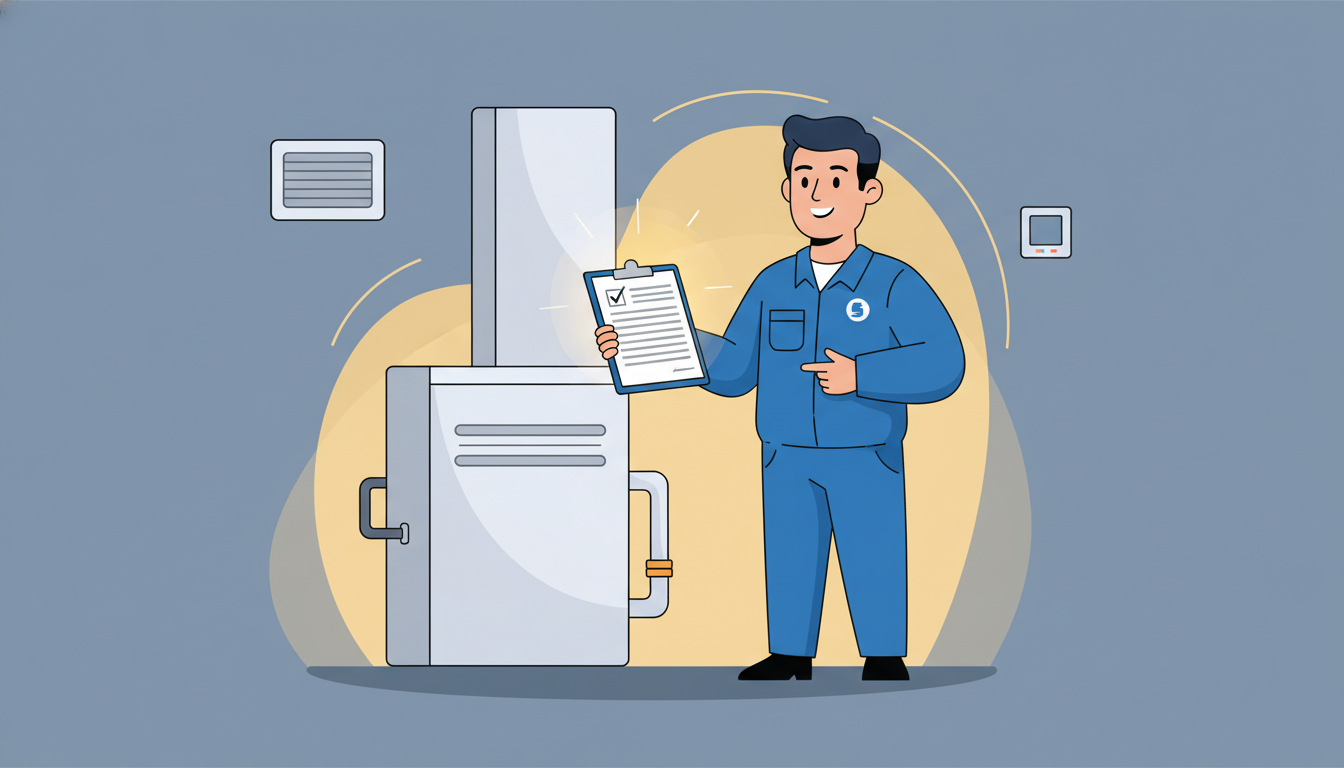
A written HVAC estimate serves as more than just a price quote. It's your legal protection, your financial planning tool, and your guarantee that both you and your contractor are on the same page from day one.
Legal Protection for Homeowners
Written estimates create a paper trail that protects you if disputes arise. When a contractor promises one thing verbally but delivers another, you have no proof of the original agreement. With a detailed written estimate, you can:
- Prove what was agreed upon if the contractor tries to add unexpected charges
- Document the scope of work to ensure everything promised gets completed
- Provide evidence if you need to file a complaint with consumer protection agencies
- Support warranty claims by showing exactly what equipment was installed
Many states have consumer protection laws requiring contractors to provide written estimates for projects over a certain dollar amount. Without this documentation, you may have limited legal recourse if something goes wrong.
Financial Clarity and Budget Planning
HVAC projects represent significant investments, often ranging from $3,000 to $15,000 or more for full system replacements. Written estimates help you:
- Budget accurately by knowing exact costs upfront
- Compare financing options from different lenders
- Plan payment schedules to manage cash flow
- Document expenses for tax credits or deductions on energy-efficient equipment
When you're planning a major home improvement project, you need concrete numbers—not rough guesses or ballpark figures. A written HVAC estimate provides the financial certainty you need to make informed decisions.
Prevention of Hidden Fees and Surprise Charges
One of the biggest advantages of written HVAC estimates is protection against hidden fees. When everything is documented in writing, contractors can't suddenly add charges for:
- "Unexpected" ductwork modifications
- Equipment delivery fees
- Disposal of old equipment
- Permit costs
- After-hours service charges
A comprehensive written estimate should break down every cost, from equipment and materials to labor and miscellaneous expenses. This transparency ensures you know exactly what you're paying for before the work begins.
What Should Be Included in a Written HVAC Estimate
Not all written estimates are created equal. A professional, detailed HVAC proposal should include several essential components to protect your interests.
Equipment Specifications and Details
Your estimate must specify:
- Exact brand and model numbers for all equipment (furnace, air conditioner, heat pump)
- Efficiency ratings including SEER (Seasonal Energy Efficiency Ratio) for cooling equipment and AFUE (Annual Fuel Utilization Efficiency) for furnaces
- System capacity measured in tons for air conditioning or BTUs for heating
- Warranty information for both parts and labor, including duration and what's covered
Generic descriptions like "high-efficiency air conditioner" aren't good enough. You need specific model numbers so you can research the equipment and verify you're getting what you paid for. Before signing any agreement, cross-reference the equipment details with your HVAC repair guide to understand what you're investing in.
Itemized Cost Breakdown
A professional estimate should separate costs into clear categories:
- Equipment costs for each component (condenser, air handler, thermostat, etc.)
- Material costs for refrigerant lines, ductwork, fittings, electrical components
- Labor charges with hourly rates or flat fees clearly stated
- Permit fees if required by your municipality
- Disposal fees for removing old equipment
- Tax calculated and shown separately
This itemization allows you to understand where your money is going and compare estimates apple-to-apple when you're shopping around.
Scope of Work Description
The estimate should outline exactly what work will be performed:
- Installation or removal procedures
- Ductwork modifications or repairs
- Electrical work required
- Thermostat installation and programming
- System testing and commissioning
- Cleanup and debris removal
When you're deciding between HVAC repair vs replacement, having a clear scope of work helps you understand the full extent of each option.
Project Timeline and Schedule
Your written estimate should include:
- Start date or timeframe when work will begin
- Completion date or estimated duration
- Working hours (will they work evenings or weekends?)
- Weather contingencies for outdoor installation work
Knowing the timeline helps you plan time off work if needed and sets expectations for how long your home will be disrupted.
Payment Terms and Schedule
Clear payment terms prevent misunderstandings about when and how much you'll pay:
- Deposit amount required to schedule the work
- Payment milestones (e.g., 50% upfront, 50% upon completion)
- Acceptable payment methods (check, credit card, financing)
- Final payment terms and what triggers the final invoice
Never pay 100% upfront. Reputable contractors typically ask for a reasonable deposit (10-30%) with the balance due upon satisfactory completion.
Warranty and Guarantee Information
The estimate should detail:
- Manufacturer warranties on equipment (usually 5-10 years on parts)
- Labor warranties provided by the contractor (typically 1-5 years)
- Workmanship guarantees covering installation quality
- Warranty claim procedures and who to contact for service
This information is crucial for protecting your investment long after installation is complete.
Written vs Verbal Estimates: The Critical Difference
Understanding why written estimates trump verbal quotes can save you from serious headaches down the road.
The Memory Problem
Human memory is unreliable, especially when discussing complex technical projects. You might remember the contractor quoted $8,000, while they recall saying $8,800. When dealing with multiple line items, efficiency ratings, and payment terms, it's virtually impossible for both parties to remember every detail accurately.
Written estimates eliminate this problem entirely. Everything is documented, dated, and signed by both parties.
The "He Said, She Said" Dilemma
Verbal agreements lead to disputes that are impossible to resolve:
- "I never said that would be included"
- "You told me the price included ductwork"
- "I specifically mentioned the thermostat upgrade"
- "That was for a different model"
Without documentation, these disagreements become your word against theirs. In legal disputes, written contracts carry significant weight, while verbal agreements are notoriously difficult to enforce.
Changing Terms Without Documentation
Some unscrupulous contractors use verbal estimates to their advantage. They quote a low price to win your business, then add fees and upcharges once they've started work and you're committed. With a written estimate, any changes require written amendments that both parties must agree to.
Professional Standards
Reputable, licensed contractors always provide written estimates. If a contractor resists putting their quote in writing, that's a major red flag suggesting they:
- Aren't properly licensed or insured
- Plan to change terms later
- Don't stand behind their work
- Lack professionalism and business standards
Professional HVAC companies understand that written estimates protect both parties and build trust with customers.
Red Flags to Watch For in HVAC Estimates
Even written estimates can contain warning signs that should make you think twice before hiring a contractor.
Vague or Generic Descriptions
Watch out for estimates that say:
- "Install new air conditioning system" (which model? what size?)
- "High-efficiency furnace" (what AFUE rating?)
- "Miscellaneous materials - $500" (what materials specifically?)
These vague descriptions give contractors room to install cheaper equipment or add surprise charges later.
Missing License or Insurance Information
Every written estimate should include:
- The contractor's license number
- Proof of liability insurance
- Workers' compensation insurance information
- Company contact information and physical address
If this information is missing, ask for it before signing anything.
Pressure Tactics and "Today Only" Pricing
Be wary of estimates that include:
- "This price expires today"
- "Special discount only if you sign now"
- "We happen to have a cancellation tomorrow"
Legitimate contractors don't pressure you into immediate decisions. They understand that replacing your HVAC system is a major investment requiring careful consideration. Unfortunately, some HVAC companies push replacement too soon using high-pressure sales tactics.
Prices That Seem Too Good to Be True
Extremely low estimates might indicate:
- The contractor plans to use inferior or used equipment
- They'll add hidden fees later
- They're unlicensed and uninsured
- They won't pull required permits
- They'll cut corners on installation quality
While everyone wants to save money, the cheapest option often costs more in the long run through poor performance, frequent repairs, and premature system failure.
No Warranty Information
If an estimate doesn't mention warranties, ask why. Reputable contractors stand behind their work and should offer both equipment warranties (from manufacturers) and labor warranties (from their company).
Cash-Only Payment Demands
Contractors who insist on cash-only payments may be:
- Avoiding taxes
- Operating without proper licensing
- Trying to avoid paper trails
- Not carrying proper insurance
While cash deposits might offer you a slight discount, they eliminate your ability to dispute charges with credit card companies and provide no documentation of payment.
Your Rights as a Homeowner
When hiring an HVAC contractor, you have specific rights that written estimates help enforce.
The Right to Multiple Estimates
You're entitled to get written estimates from multiple contractors before making a decision. Industry experts recommend obtaining at least three written HVAC estimates to:
- Compare pricing and ensure you're getting fair value
- Evaluate different equipment options and brands
- Assess contractor professionalism and communication
- Identify outliers (suspiciously high or low bids)
Don't feel pressured to accept the first estimate you receive. Taking time to compare options is smart financial planning, not rudeness.
The Right to Time for Review
You have the right to review written estimates thoroughly before signing. This includes:
- Taking the estimate home to study it
- Researching the equipment models proposed
- Consulting with family or financial advisors
- Asking follow-up questions
- Requesting clarification on any unclear items
Never sign an estimate on the spot if you're not completely comfortable with all the terms.
The Right to Ask Questions
Professional contractors welcome questions and provide clear answers. You're entitled to ask about:
- Why they recommend specific equipment
- How they calculated their pricing
- What happens if unexpected issues arise
- Their experience with similar projects
- References from past customers
- Timeline contingencies
If a contractor becomes defensive or dismissive when you ask questions, that's a red flag.
The Right to Written Change Orders
If the scope of work changes after you sign the estimate, you're entitled to a written change order that specifies:
- What additional work is needed and why
- The additional cost
- How this affects the timeline
- Updated payment terms
Never accept verbal agreements to "just add an extra $500" or similar informal arrangements. Every change should be documented in writing.
How to Compare Multiple HVAC Estimates
Once you've collected several written estimates, use these strategies to evaluate them effectively.
Create an Apples-to-Apples Comparison
Make a spreadsheet comparing:
- Equipment brands, models, and efficiency ratings
- Total project cost and itemized breakdowns
- Warranty terms for parts and labor
- Project timeline
- Payment schedules
- What's included vs. what's extra
This systematic approach helps you identify real value rather than just choosing the lowest price.
Research the Equipment Proposed
Look up each equipment model online to verify:
- Current market prices (is the quote reasonable?)
- Customer reviews and reliability ratings
- Energy efficiency compared to alternatives
- Manufacturer reputation
Some contractors markup equipment significantly, while others keep margins reasonable. Knowing market prices helps you negotiate.
Verify Contractor Credentials
For each contractor who provided an estimate:
- Confirm their license is current and valid
- Check for complaints with the Better Business Bureau
- Read online reviews from multiple sources
- Ask for references and actually call them
- Verify they carry adequate insurance
The contractor with the lowest price isn't always the best choice if they have poor reviews or questionable credentials.
Evaluate Communication and Professionalism
Consider how each contractor has treated you:
- Did they arrive on time for the estimate appointment?
- Did they listen to your concerns and answer questions?
- Was their estimate detailed and professional?
- Did they explain technical concepts in understandable terms?
- Do they respond promptly to your calls and emails?
You'll be working with this contractor throughout the project. Choose someone you trust and feel comfortable communicating with.
Look for Value, Not Just Price
The best estimate isn't always the cheapest. Consider total value including:
- Equipment quality and longevity
- Energy efficiency and operating costs
- Warranty coverage
- Contractor reputation and experience
- Customer service and support
Spending an extra $1,000 upfront for better equipment might save you $3,000 in energy costs and repairs over the system's lifetime.
Common HVAC Estimate Mistakes to Avoid
Even informed homeowners sometimes make mistakes when dealing with HVAC estimates.
Accepting Verbal Quotes
As we've discussed, verbal quotes offer no protection. Always insist on written estimates before proceeding with any HVAC work.
Focusing Only on Total Price
Looking only at the bottom line ignores important factors like equipment quality, warranties, and scope of work. A $7,000 estimate using premium equipment with a 10-year warranty may be better value than a $6,000 estimate with budget equipment and limited warranties.
Not Reading the Fine Print
Contractors sometimes hide important terms in small print or footnotes:
- Exclusions from the quoted work
- Conditions that void warranties
- Price escalation clauses
- Cancellation penalties
Read every word of the estimate before signing.
Skipping the Reference Check
Even with a written estimate, hiring an unreliable contractor leads to problems. Always check references and online reviews before making your final decision.
Paying Too Much Upfront
Never pay the full amount before work is completed. A reasonable deposit is normal, but the majority of payment should be due only after you've inspected and approved the completed work.
Not Getting Permits
Some contractors offer lower prices by skipping required permits. This is illegal and can:
- Void your homeowner's insurance
- Create problems when selling your home
- Result in fines from your municipality
- Leave you with unsafe, non-code-compliant installations
Ensure your written estimate includes permit costs and confirm the contractor will handle the permitting process.
Ignoring Your Gut Feeling
If something feels off about a contractor or estimate, trust your instincts. There are plenty of reputable HVAC companies out there. Don't ignore red flags just because you want the project finished quickly.
FAQ: Written HVAC Estimates
Why is a written HVAC estimate important?
A written HVAC estimate protects you legally and financially by documenting exactly what work will be performed, what equipment will be installed, and what you'll pay. It prevents disputes, hidden fees, and misunderstandings while providing proof of the agreement if problems arise. Written estimates also help you compare multiple contractors fairly and plan your budget accurately.
What should a written HVAC estimate include?
A comprehensive written HVAC estimate should include: specific equipment brands and model numbers with efficiency ratings, itemized cost breakdown (equipment, labor, materials, permits), detailed scope of work, project timeline, payment terms and schedule, warranty information for parts and labor, contractor license and insurance details, and terms for handling changes or unexpected issues.
Can a contractor change the price after providing a written estimate?
A reputable contractor should honor their written estimate unless unexpected conditions arise that genuinely weren't visible during the initial assessment (such as hidden ductwork damage or code violations). Any price changes should require your approval and be documented in a written change order explaining what changed and why. Be suspicious of contractors who frequently discover "unexpected" issues requiring additional fees.
How many written HVAC estimates should I get before deciding?
Industry experts recommend obtaining at least three written estimates from licensed, insured contractors. This gives you enough data points to identify fair market pricing, compare equipment options, and spot any outliers (suspiciously high or low bids). More than five estimates becomes time-consuming without adding much value, so three to four is typically the sweet spot.
What are red flags in an HVAC estimate?
Major red flags include: vague descriptions without specific model numbers, missing contractor license or insurance information, pressure to sign immediately with "today only" pricing, prices significantly lower than other estimates, no warranty information, cash-only payment demands, requests for 100% payment upfront, refusal to put terms in writing, and unprofessional presentation with spelling errors or incomplete information.
Is a written estimate the same as a contract?
A written estimate becomes a binding contract once both parties sign it, though some contractors provide a separate, more detailed contract after you accept the estimate. The estimate should include all essential contract elements: parties involved, scope of work, price, timeline, and terms. Always read carefully and ensure you're comfortable with all terms before signing, as your signature indicates agreement to the stated terms.
Take Control of Your HVAC Project
Your HVAC system is one of the largest investments you'll make in your home. It affects your comfort, your energy bills, and your property value. You deserve complete transparency about what you're paying for and what you'll receive.
Never settle for verbal quotes or vague written estimates that leave room for disputes and surprise charges. Insist on detailed, written HVAC estimates that protect your interests and give you peace of mind.
By following the guidance in this article, you'll be equipped to:
- Evaluate estimates with confidence
- Identify red flags before they become problems
- Compare contractors fairly
- Protect yourself legally and financially
- Make informed decisions about your HVAC investment
Remember, reputable contractors welcome questions and provide thorough documentation. If a contractor resists giving you a detailed written estimate, that tells you everything you need to know—it's time to find a different contractor.
Your home deserves the best, and you deserve complete transparency. Demand written estimates, read them carefully, and choose contractors who respect your right to know exactly what you're paying for. Your future self will thank you when your HVAC system is running smoothly with no surprise bills or hidden fees.