Why Does My Heater Turn On and Off So Often?
Why Does My Heater Turn On and Off So Often?
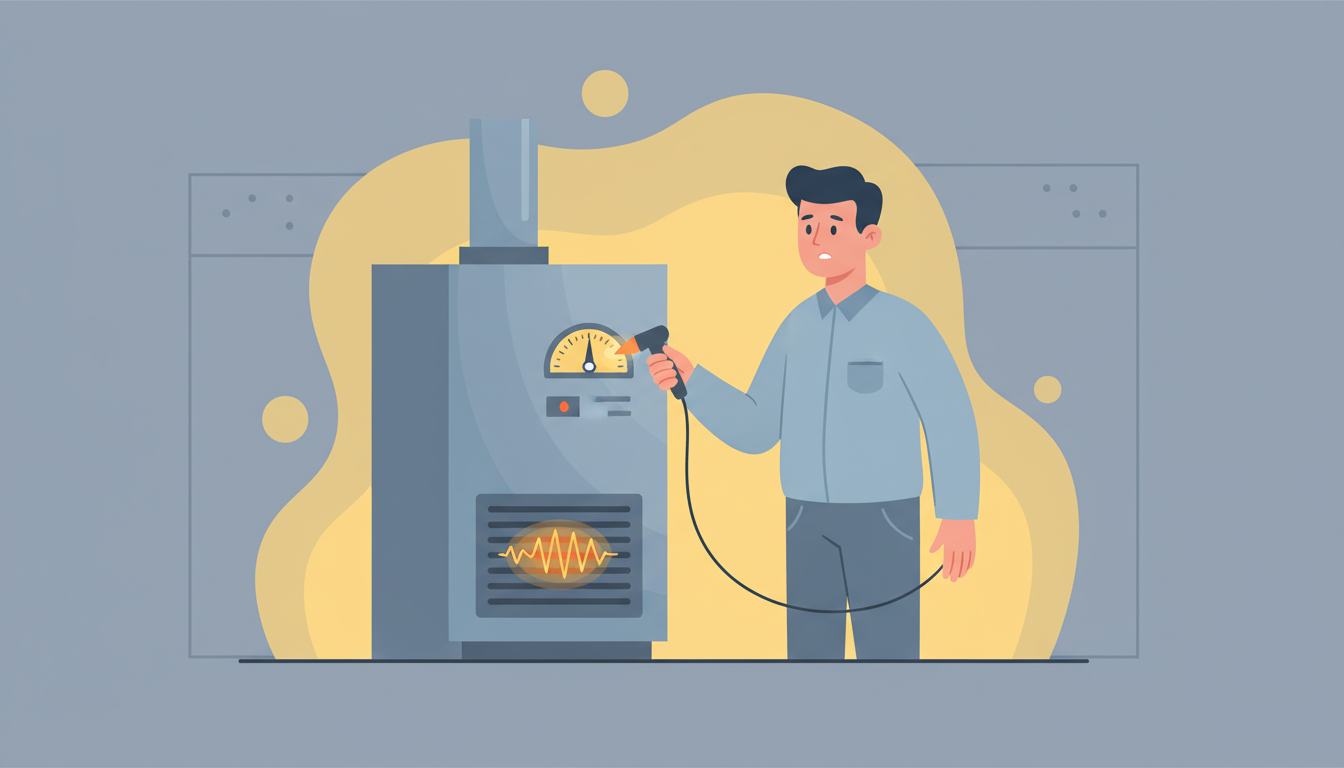
Is your heater turning on and off every few minutes? This frustrating problem is called short cycling, and it's more than just annoying—it's costing you money and potentially damaging your HVAC system.
Short cycling happens when your furnace or heater runs for only a short time (usually less than 3-5 minutes) before shutting off, then turning back on shortly after. A properly functioning heater should run for 10-15 minutes per cycle. When your system cycles on and off repeatedly, something is wrong.
Let's explore why this happens and what you can do about it.
What Is Short Cycling and Why Does It Matter?
Short cycling is when your heating system turns on and off more frequently than normal. Instead of running through complete heating cycles, your furnace starts up, runs briefly, shuts down, and repeats this pattern throughout the day.
This constant starting and stopping puts tremendous stress on your system. Think of it like constantly starting and stopping your car—the startup is the hardest part. Every time your furnace ignites, it draws maximum power and puts wear on critical components like the igniter, blower motor, and gas valve.
The real costs of short cycling include:
- Higher energy bills (startups consume the most energy)
- Increased repair costs from accelerated wear
- Shorter equipment lifespan
- Uneven heating and cold spots in your home
- Potential safety hazards if left unchecked
Now let's look at what causes this problem.
Common Causes of Heater Short Cycling
1. Dirty or Clogged Air Filter
This is the #1 cause of furnace short cycling, and fortunately, it's the easiest to fix.
Your air filter traps dust, pet dander, and debris to keep your HVAC system clean. When it becomes clogged, airflow gets restricted. Your furnace can't pull in enough air to cool its internal components, causing it to overheat. When temperatures get too high, the limit switch kicks in and shuts everything down as a safety measure.
Once the system cools down, it starts up again—only to repeat the cycle.
How to fix it:
- Check your filter monthly
- Replace disposable filters every 1-3 months (more often if you have pets)
- Clean reusable filters according to manufacturer instructions
- Upgrade to high-quality pleated filters for better filtration
This simple fix resolves short cycling in about 60% of cases.
2. Thermostat Problems
Your thermostat is the brain of your heating system. When it malfunctions or is poorly located, your heater can't run properly.
Common thermostat issues include:
- Poor placement: If your thermostat sits near a heat source (lamp, sunny window, kitchen), it reads artificially high temperatures and tells your furnace to shut off prematurely
- Dead batteries: Low battery power causes erratic readings
- Loose wiring: Corroded or loose connections send incorrect signals
- Outdated technology: Old mercury thermostats lose calibration over time
- Wrong settings: Accidentally setting the fan to "ON" instead of "AUTO" can create cycling issues
How to fix it:
- Replace batteries twice a year
- Keep the area around your thermostat clear
- Consider upgrading to a programmable or smart thermostat
- Ensure your thermostat is level (use a level tool to check)
- If the problem persists, have a technician recalibrate or relocate it
3. Oversized Heating System
Bigger isn't always better when it comes to furnaces. An oversized system heats your home too quickly, reaching the thermostat setting in just a few minutes. This causes frequent on-off cycles.
Many homeowners discover this issue after replacing an old furnace. Contractors sometimes install oversized units "to be safe," but this creates more problems than it solves.
Signs your furnace is oversized:
- Home heats up very quickly
- System shuts off after just 2-3 minutes
- Temperature swings of 3-4 degrees
- Some rooms are too hot while others are cold
Unfortunately, the only permanent fix is replacing your furnace with a properly sized unit. A qualified HVAC technician should perform a load calculation (Manual J calculation) to determine the correct size for your home based on square footage, insulation, windows, and climate.
4. Dirty Flame Sensor
The flame sensor is a safety device that detects whether your furnace's burners are actually lit. If it doesn't detect a flame, it shuts off the gas supply to prevent dangerous gas buildup.
Over time, this sensor gets covered with carbon buildup and residue. Even a thin layer of soot can prevent it from detecting the flame properly, causing your system to shut down shortly after ignition.
How to identify a dirty flame sensor:
- Furnace ignites but shuts off after 10-30 seconds
- You hear the click of the gas valve closing shortly after startup
- System tries to restart immediately
How to fix it: Professional cleaning is recommended, but if you're handy, you can clean it yourself:
- Turn off power and gas to your furnace
- Locate the flame sensor (a thin metallic rod near the burners)
- Carefully remove it
- Gently clean with fine-grit sandpaper or steel wool
- Reinstall and test
If cleaning doesn't help, the sensor may need replacement (typically $150-300 professionally installed).
5. Blocked or Closed Vents
Your heating system needs proper airflow throughout your home. When supply vents or return air vents get blocked, air pressure builds up in your ductwork. This triggers safety switches that shut down your furnace.
Common vent problems:
- Furniture blocking floor vents
- Closed vents in unused rooms (never a good idea)
- Rugs covering return air grilles
- Accumulated dust and debris in vent registers
How to fix it:
- Walk through your home and check every vent
- Keep at least 80% of vents open at all times
- Vacuum vent registers seasonally
- Ensure draperies don't block wall vents
- Never close vents thinking it saves energy—it doesn't
6. Faulty Limit Switch
The limit switch is a safety control that monitors temperature in your furnace's heat exchanger. When temperatures exceed safe levels, it shuts off the burners while keeping the blower running to cool things down.
A malfunctioning limit switch might be set too low or could be failing mechanically, causing premature shutdowns even when temperatures are normal.
This issue requires professional diagnosis and repair. Don't attempt to adjust limit switch settings yourself—incorrect settings can create serious safety hazards.
7. Cracked Heat Exchanger
This is the most serious cause of short cycling. The heat exchanger is where combustion gases heat the air that circulates through your home. Cracks or holes allow dangerous carbon monoxide to escape into your living space.
When a heat exchanger cracks, temperature sensors detect abnormal heat patterns and shut down the system.
Warning signs:
- Strong metallic or chemical odors
- Soot buildup inside the furnace
- Visible cracks or corrosion (requires professional inspection)
- Carbon monoxide detector alerts
If you suspect a cracked heat exchanger, shut down your furnace immediately and call a professional. This is not a DIY repair. Heat exchanger replacement often costs $1,500-3,000, and depending on your furnace's age, replacement might make more sense.
8. Ductwork Issues
Leaky or poorly designed ductwork creates airflow problems that can trigger short cycling. When conditioned air escapes through gaps and holes, your system works harder but can't maintain proper pressure.
Small duct leaks waste 20-30% of your heated air. This forces longer run times and can eventually cause overheating and short cycling.
How to check:
- Feel around duct joints for air leaks
- Look for visible gaps or separated sections
- Check if certain rooms never get warm enough
- Listen for whistling sounds from ductwork
Professional duct sealing typically costs $1,000-2,500 but can reduce energy bills by 20% or more.
9. Blower Motor Problems
The blower motor circulates air through your heating system. When it fails or runs inefficiently, your furnace can't move enough air to prevent overheating.
Signs of blower motor issues:
- Weak airflow from vents
- Unusual noises (squealing, grinding)
- Intermittent operation
- Burning smell when furnace runs
Blower motor repairs range from $150-600 depending on whether you need cleaning, capacitor replacement, or a new motor.
10. Blocked Flue Pipe
Your furnace's flue pipe vents combustion gases safely outside. When it gets blocked by debris, bird nests, or ice buildup (in cold climates), safety sensors detect improper venting and shut down your system.
Check your outdoor vent termination regularly for obstructions. Clear any debris, snow, or ice blocking the opening. If blockages recur, consider installing a vent screen or shield.
DIY Troubleshooting Steps
Before calling a professional, try these troubleshooting steps:
Step 1: Check Your Air Filter This fixes the problem 60% of the time. Replace it if it looks dirty.
Step 2: Inspect All Vents Walk through your home and ensure all vents are open and unblocked.
Step 3: Check Your Thermostat
- Replace batteries
- Verify it's set to "HEAT" mode
- Ensure fan is set to "AUTO" not "ON"
- Look for loose wiring at the thermostat base
Step 4: Listen and Observe Note exactly what happens:
- How long does the furnace run before shutting off?
- Do you hear any unusual sounds?
- Is the blower fan still running after burners shut off?
- How long before it tries to restart?
Step 5: Reset Your Furnace
- Turn off the furnace switch
- Wait 30 seconds
- Turn it back on
- Monitor for 15-20 minutes
If these steps don't resolve the issue, it's time to call a professional.
When to Call an HVAC Professional
Contact a qualified technician if:
- Short cycling continues after changing the filter
- You smell gas or burning odors
- You see visible damage or rust on your furnace
- Your carbon monoxide detector activates
- The furnace is more than 15 years old
- You notice water pooling around the furnace
- You're uncomfortable working with your heating system
Don't delay professional service. Short cycling causes exponential damage the longer it continues. What starts as a $150 repair can become a $3,000 replacement if ignored.
For reliable HVAC repair services, check out our comprehensive HVAC repair guide for more information.
Preventing Short Cycling: Maintenance Tips
Prevention is always cheaper than repair. Follow these maintenance practices:
Monthly:
- Check and change air filters
- Listen for unusual sounds during operation
- Verify all vents are open
Seasonally (before heating season):
- Schedule professional tune-up
- Clean around outdoor components
- Test thermostat accuracy
- Vacuum vent registers
Annually:
- Professional inspection and cleaning
- Duct inspection for leaks
- Check refrigerant levels (heat pumps)
- Inspect electrical connections
- Test safety controls
Regular maintenance typically costs $100-200 annually but prevents 95% of major breakdowns.
If your heater seems to stop working more frequently at night, you might be experiencing a related issue. Learn more about why heaters stop working at night and how to address this specific problem.
The Cost of Ignoring Short Cycling
Letting short cycling continue damages your heating system in multiple ways:
Immediate costs:
- 15-30% higher energy bills
- Uneven home temperatures
- Increased wear on components
Long-term costs:
- Premature furnace failure (lifespan reduced by 5-10 years)
- Expensive emergency repairs
- Potential safety hazards
- Reduced home comfort
A furnace that should last 15-20 years might fail in 10 years if short cycling goes unaddressed.
What About Heat Pumps and Electric Heaters?
While this article focuses on furnaces, heat pumps and electric resistance heaters can also short cycle.
Heat pump short cycling causes:
- Low refrigerant levels
- Frozen outdoor coil
- Dirty filters
- Faulty reversing valve
- Compressor issues
Electric heater short cycling causes:
- Overheating from restricted airflow
- Faulty heating elements
- Thermostat problems
- Electrical issues
The diagnostic steps remain similar—start with filters and vents, then call a professional if the problem persists.
Electrical Issues and Circuit Breakers
Sometimes short cycling relates to electrical problems. If your heater keeps tripping the breaker, you're dealing with a different but related issue that requires immediate attention.
Electrical short cycling symptoms include:
- Breaker trips when furnace starts
- Lights dim when furnace ignites
- Burning smell from electrical panel
- Furnace doesn't complete startup sequence
These issues require immediate professional attention—don't attempt electrical repairs yourself.
Frequently Asked Questions
How often should a heater cycle on and off?
A properly functioning furnace should cycle 3-8 times per hour, with each cycle lasting 10-15 minutes. If your heater turns on and off every few minutes, you have a short cycling problem.
Can a dirty air filter really cause short cycling?
Absolutely. A clogged filter is the most common cause of short cycling. Restricted airflow causes your furnace to overheat, triggering safety shutoffs. Always check your filter first when troubleshooting.
Is short cycling dangerous?
It can be. While short cycling itself isn't immediately dangerous, it often indicates underlying problems that pose safety risks—like a cracked heat exchanger leaking carbon monoxide. Additionally, the excessive wear can lead to system failures that create hazardous conditions.
How much does it cost to fix a short cycling furnace?
Costs vary widely depending on the cause:
- Air filter replacement: $15-50 (DIY)
- Thermostat repair: $150-400
- Flame sensor cleaning: $80-200
- Limit switch replacement: $150-300
- Heat exchanger replacement: $1,500-3,000
- Full furnace replacement: $3,000-7,000
Simple fixes like filters and cleaning account for about 70% of cases and cost under $200.
Will short cycling damage my furnace?
Yes, absolutely. Short cycling dramatically increases wear on your furnace's components. The constant starting and stopping is like repeatedly starting and stopping your car—the startup phase causes the most stress. Continued short cycling can reduce your furnace's lifespan by 30-50%.
Can I fix short cycling myself?
Some causes you can fix yourself (filters, vents, thermostat batteries), but many require professional expertise. Start with simple DIY steps, but don't hesitate to call a technician for issues beyond basic maintenance.
Conclusion: Take Action Today
If your heater turns on and off repeatedly, don't ignore it. Short cycling wastes energy, increases repair costs, and can indicate serious safety issues.
Start with the simple fixes:
- Replace your air filter
- Check all vents are open
- Inspect your thermostat
If the problem continues, contact a qualified HVAC professional for diagnosis and repair. The small cost of a service call today can prevent thousands in emergency repairs tomorrow.
Remember, your heating system is a significant investment in your home's comfort and safety. Proper maintenance and prompt attention to problems like short cycling ensure it serves you reliably for years to come.
Need expert help? Visit our HVAC repair guide for comprehensive troubleshooting resources and professional service recommendations.