The Most Overlooked Causes of HVAC Problems
The Most Overlooked Causes of HVAC Problems
Your HVAC system keeps you comfortable year-round, but it's easy to miss the small issues that can snowball into expensive repairs. While most homeowners know to change their air filters, there are dozens of hidden hvac issues that fly under the radar until they cause a complete system breakdown. Understanding these overlooked causes of hvac problems can save you thousands in repair costs and extend the life of your heating and cooling system.
Why Small HVAC Issues Turn Into Big Problems
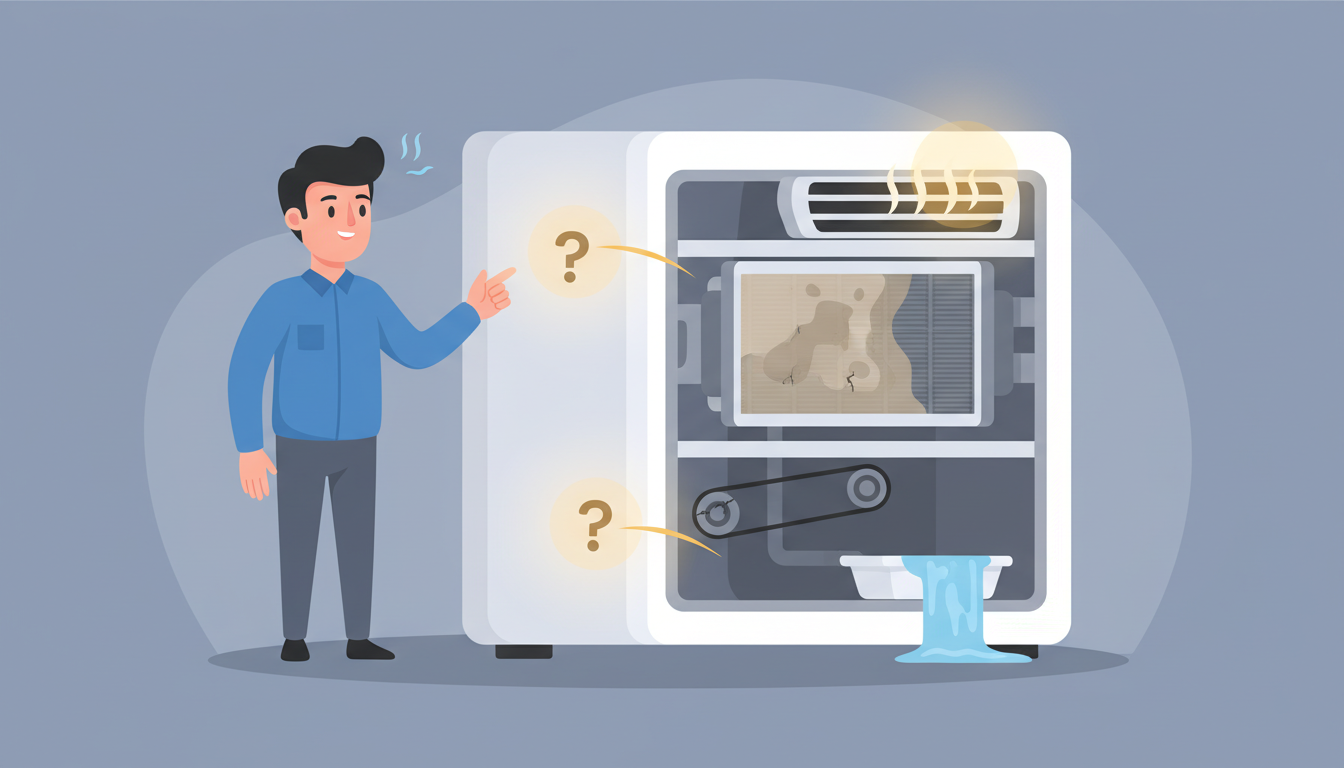
Most hvac problems homeowners overlook share one thing in common: they seem minor at first. A slightly warm room here, a faint noise there—these warning signs are easy to dismiss. But here's the truth: one HVAC problem frequently causes another, creating a domino effect that can damage your entire system.
For example, a dirty air filter restricts airflow, which forces your blower motor to work harder. That extra strain shortens the motor's lifespan and can lead to overheating. Meanwhile, reduced airflow causes your evaporator coil to freeze, which can damage your compressor—one of the most expensive components to replace.
1. Improper Thermostat Placement
Your thermostat is the brain of your HVAC system, but if it's installed in the wrong location, it's getting bad information. This is one of the most common hvac mistakes that goes completely unnoticed.
Where Thermostat Location Goes Wrong
If your thermostat sits near a window, it's exposed to direct sunlight and drafts. It might read 78°F while the rest of your home is actually 72°F, causing your system to run unnecessarily. Other problematic locations include:
- Above supply vents where hot or cold air blows directly on the sensor
- Near exterior doors that frequently open and close
- On walls adjacent to kitchens or bathrooms with temperature fluctuations
- In hallways or rooms you rarely use
Your HVAC system responds to what the thermostat tells it, not what's happening in your living spaces. Poor placement creates temperature inconsistencies throughout your home and wastes energy as your system constantly cycles on and off trying to reach an inaccurate target.
The Fix
If you suspect thermostat placement issues, consider relocating it to an interior wall in a frequently used room, away from direct sunlight, vents, and doors. This is a job for a professional during your next HVAC diagnostic visit, as moving a thermostat involves both electrical work and ensuring proper wiring.
2. Neglected Condensate Drain Lines
Your air conditioner produces condensation as it removes humidity from your home. That moisture has to go somewhere, and a clogged condensate drain line is one of those hidden hvac issues that can cause serious water damage before you even notice there's a problem.
What Happens When Drains Clog
The condensate drain line carries water away from your indoor unit. Over time, algae, mold, and debris build up inside the pipe, creating blockages. When water can't drain properly:
- The drain pan overflows, potentially damaging ceilings, walls, and flooring
- Excess moisture creates the perfect environment for mold growth
- Your system may shut down completely if it has a safety float switch
- Standing water attracts pests and causes unpleasant odors
Most homeowners never think about their condensate drain until they see water pooling around their indoor unit or notice ceiling stains below the HVAC system.
Prevention Strategy
Check your condensate drain line every few months. You can pour a cup of white vinegar down the drain line to kill algae and prevent clogs. Better yet, schedule professional maintenance twice a year to ensure the drain stays clear and the pan is properly pitched for drainage.
3. Blocked or Dirty Outdoor Units
Your outdoor condenser unit needs room to breathe, but it's easy to overlook when it's sitting outside. This is one of the most preventable hvac failures, yet it happens constantly.
Common Outdoor Unit Problems
Your condenser unit pulls air through the fins to release heat from your home. When debris blocks airflow:
- Grass clippings and leaves accumulate around and inside the unit
- Landscaping grows too close, restricting ventilation
- Dirt and cottonwood seeds clog the condenser fins
- Snow, ice, or falling leaves cover the top of the unit
- Storage items get stacked nearby, blocking airflow
Restricted airflow forces your system to work harder, reduces efficiency by up to 30%, and can cause the compressor to overheat and fail prematurely.
Outdoor Unit Maintenance
Keep at least two feet of clearance around all sides of your outdoor unit. Trim back bushes and plants regularly. Remove leaves and debris from the top and sides of the unit. Gently spray down the condenser fins with a garden hose (with the power off) to remove built-up dirt—but never use a pressure washer, as it can damage the delicate fins.
4. Closed or Blocked Supply Vents
Here's an hvac maintenance mistake that homeowners make with good intentions: closing vents in unused rooms to "save energy." Unfortunately, your HVAC system wasn't designed to work this way.
Why Closing Vents Backfires
Modern HVAC systems are balanced for specific airflow throughout your entire home. When you close vents:
- Air pressure builds up in your ductwork
- The increased pressure can cause duct leaks
- Your system works harder to push air through the remaining open vents
- Temperature imbalances develop throughout your home
- Reduced airflow can freeze your evaporator coil
Blocked vents cause similar problems. Furniture placed over floor vents, curtains covering wall vents, or simply forgetting to open vents after cleaning all restrict the airflow your system needs to function efficiently.
The Right Approach
Keep all vents open, even in rooms you don't use frequently. If certain rooms get too hot or cold, the solution isn't closing vents—it's balancing your system properly or considering zoned HVAC options. Make sure furniture, rugs, and curtains don't block any supply or return vents.
5. Dirty or Failed Capacitors
Most homeowners have never heard of HVAC capacitors, yet they're one of the most frequently failing components in your system. These small cylindrical devices provide the electrical boost needed to start your compressor and blower motor.
Signs of Capacitor Problems
Capacitors wear out over time, especially in hot climates where your AC runs constantly. Warning signs include:
- Your system struggles to start or won't start at all
- You hear a clicking sound but the unit doesn't turn on
- The outdoor fan spins sluggishly or not at all
- Your system randomly shuts off mid-cycle
- You notice a burning smell near the outdoor unit
Capacitors can fail gradually or suddenly. A weak capacitor forces your motors to work harder during startup, which can damage the compressor or blower motor—components that cost hundreds or thousands to replace.
Professional Diagnosis Needed
Capacitor testing and replacement requires specialized tools and knowledge of electrical systems. If your HVAC system is having starting issues, call a professional technician. Capacitors are relatively inexpensive parts, but attempting DIY replacement can be dangerous due to the high voltage they store.
6. Duct Leaks and Poor Insulation
Your ductwork is hidden in walls, attics, and crawl spaces, which makes duct problems some of the most overlooked reasons for high energy bills. According to ENERGY STAR, the average home loses 20-30% of conditioned air through duct leaks.
The Hidden Cost of Duct Problems
Duct issues manifest in ways that seem unrelated:
- Some rooms are always too hot or too cold
- Your energy bills keep rising despite normal usage
- You feel weak airflow from certain vents
- Your system runs constantly but never reaches the set temperature
- Excessive dust accumulates throughout your home
Leaky ducts waste the air you're paying to heat or cool. Poorly insulated ducts in unconditioned spaces (like attics) allow that air to heat up or cool down before it reaches your living areas. The result? Your HVAC system works overtime trying to compensate for air it's losing along the way.
Getting Ducts Evaluated
Professional duct sealing and insulation can dramatically improve your system's efficiency. During a comprehensive HVAC repair guide inspection, technicians can use pressure tests to identify leaks and recommend sealing solutions. This is especially important in older homes where duct tape (which, ironically, shouldn't be used on ducts) has deteriorated.
7. Incorrectly Sized HVAC Systems
You might assume your HVAC system is the right size for your home, but improper sizing is surprisingly common—and it's one of those hvac problems no one talks about until it causes serious issues.
Too Big or Too Small: Both Are Problems
An oversized system seems like it would be better, but it actually causes major problems:
- It cools or heats your home too quickly, then shuts off
- This constant short cycling prevents proper dehumidification
- Frequent on-off cycles increase wear on components
- You experience temperature swings and poor comfort
- Energy costs remain high despite the system running less
An undersized system has different issues:
- It runs constantly but never adequately cools or heats your home
- Components wear out faster due to continuous operation
- Energy bills skyrocket from non-stop runtime
- Humidity control becomes impossible
- The system may fail prematurely from overwork
How Sizing Goes Wrong
Improper sizing usually happens when:
- Contractors use "rules of thumb" instead of proper load calculations
- Your home's insulation or layout has changed since installation
- Previous installers simply replaced old equipment with the same size
- Window, door, or home additions altered your heating and cooling needs
Proper HVAC sizing requires a Manual J load calculation that accounts for your home's square footage, insulation, window orientation, local climate, and many other factors.
8. Neglected Air Return Vents
Everyone knows about supply vents—the ones that blow air into rooms. But return vents, which pull air back to your HVAC system, are equally important and often completely ignored.
Why Return Vents Matter
Your HVAC system needs to pull in air to condition it. When return vents are blocked or dirty:
- Airflow throughout your entire system decreases
- Your blower motor works harder and may overheat
- Pressure imbalances develop in your ductwork
- Dust and debris get pulled directly into your equipment
- Indoor air quality suffers
Many homes don't have enough return vents, forcing existing ones to work overtime. Furniture blocking return vents or accumulated dust on return grilles restricts the air your system desperately needs.
Return Vent Maintenance
Vacuum your return vent grilles monthly—they collect significant dust. Make sure furniture doesn't block return vents. If you have rooms without adequate return airflow, consider leaving doors open or installing transfer grilles. Your HVAC system performs best when air can circulate freely throughout your home.
9. Dirty Flame Sensors and Ignition Issues
For homeowners with gas furnaces, flame sensors are small but critical components that prevent gas from flowing without ignition. A dirty flame sensor is one of those commonly missed hvac warning signs that can leave you without heat.
How Flame Sensors Fail
The flame sensor sits in the burner assembly and detects whether the burners have successfully ignited. When it gets coated with carbon deposits and corrosion:
- Your furnace starts but shuts down after a few seconds
- You hear the igniter clicking repeatedly
- The system goes into lockout mode for safety
- Your home doesn't heat properly
This safety feature prevents unburned gas from accumulating, but a dirty sensor creates frustrating "won't stay on" symptoms that homeowners often misdiagnose as major furnace problems.
Professional Cleaning
While flame sensor cleaning is relatively simple for technicians, it requires accessing the burner assembly and using proper tools to avoid damage. If your furnace is short-cycling during startup, especially at the beginning of heating season, a dirty flame sensor is a likely culprit. This is a quick fix during professional maintenance visits.
10. Thermostat Programming and Settings Mistakes
Smart thermostats offer incredible control over your HVAC system, but incorrect settings create problems that homeowners blame on their equipment rather than user error.
Common Programming Pitfalls
Even with the best intentions, these settings mistakes cause issues:
- Setting temperature swings too wide (65°F to 78°F) forces your system to work too hard
- Scheduling heat and cool modes to overlap or switch too frequently
- Placing the thermostat in "emergency heat" mode accidentally
- Forgetting to adjust seasonal settings
- Setting the fan to "on" instead of "auto," which runs constantly
- Programming setbacks that are too aggressive for your system's capacity
Your HVAC system performs best with gradual temperature changes and appropriate settings for your equipment type. Dramatic setbacks might save energy in theory, but they can force your system to work at maximum capacity for extended periods.
Optimize Your Settings
Review your thermostat programming seasonally. Set temperature changes no more than 5-7 degrees from your comfort setting. Use the "auto" fan setting to let your system control airflow. If you're unsure whether your settings are optimal, ask during your next professional maintenance visit—technicians can recommend programming that balances comfort and efficiency.
11. Lack of Preventive Maintenance
This might seem obvious, but skipping routine maintenance is the single biggest hvac maintenance mistake. It's easy to ignore your system when it's working, but preventive care catches problems before they become emergencies.
What Maintenance Actually Prevents
Professional HVAC maintenance isn't just about changing filters. Comprehensive service includes:
- Cleaning coils and checking refrigerant levels
- Testing capacitors and electrical connections
- Lubricating moving parts and checking belt tension
- Inspecting ductwork for leaks
- Calibrating thermostats
- Cleaning condensate drains
- Testing safety controls and system operation
Each of these tasks addresses potential failure points. A loose electrical connection found during maintenance might prevent a complete system failure in July. A refrigerant leak caught early costs far less than a burned-out compressor.
The Real Cost of Skipping Maintenance
When you skip maintenance, small issues compound:
- A dirty coil reduces efficiency by 5% one year, 10% the next
- Minor refrigerant leaks worsen until your compressor fails
- Worn belts break at the worst possible time
- Electrical connections corrode and create fire hazards
- Your system works harder, uses more energy, and fails sooner
The national average for emergency HVAC repairs is $300-$800. Preventive maintenance typically costs $100-200 twice per year and extends your equipment lifespan by years while maintaining efficiency.
How to Spot HVAC Warning Signs Early
Now that you know the overlooked causes of hvac problems, watch for these early warning signs:
- Unusual sounds: Grinding, squealing, or clicking noises indicate mechanical issues
- Inconsistent temperatures: Hot and cold spots suggest airflow or sizing problems
- Rising energy bills: Unexplained increases often point to efficiency losses
- Excessive cycling: Frequent on-off cycles signal thermostat, sizing, or airflow issues
- Poor humidity control: Too humid or too dry indicates inadequate system performance
- Weak airflow: Reduced air from vents suggests duct, blower, or filter problems
- Strange odors: Musty smells indicate moisture issues; burning smells suggest electrical problems
Don't wait for complete system failure. Address these symptoms early, when repairs are simpler and less expensive.
Creating Your HVAC Maintenance Checklist
Protect your investment with these regular tasks:
Monthly Tasks
- Check and change air filters (or at least every 3 months)
- Ensure all vents are open and unblocked
- Look for water around your indoor unit
- Listen for unusual sounds when your system runs
Seasonal Tasks
- Clear debris from around your outdoor unit
- Vacuum return vent grilles
- Test your thermostat settings
- Inspect visible ductwork for damage
Annual Professional Maintenance
- Schedule service before cooling season (spring) and heating season (fall)
- Request comprehensive inspection, not just filter changes
- Ask technicians about any concerns or unusual behavior
- Keep maintenance records for warranty purposes
When to Call a Professional
While some maintenance is DIY-friendly, certain hvac problems require professional expertise:
- Refrigerant leaks or charging
- Electrical component testing and replacement
- Ductwork modification or sealing
- Thermostat relocation
- System sizing evaluation
- Compressor or major component issues
Attempting complex repairs without proper training can void warranties, create safety hazards, and cause more expensive damage. Professional HVAC technicians have the tools, knowledge, and experience to diagnose problems accurately and fix them correctly the first time.
The Bottom Line on Overlooked HVAC Issues
The most overlooked causes of hvac problems aren't mysterious or complicated—they're simply easy to miss in daily life. Poor thermostat placement, blocked outdoor units, closed vents, failing capacitors, and skipped maintenance account for a huge percentage of preventable hvac failures.
By understanding these hidden causes and implementing simple preventive strategies, you can:
- Reduce your energy bills by 15-30%
- Extend your HVAC system's lifespan by years
- Avoid expensive emergency repairs
- Maintain consistent comfort throughout your home
- Improve your indoor air quality
Your HVAC system is one of your home's biggest investments. A few minutes of attention each month and professional maintenance twice a year will keep it running efficiently for decades.
Frequently Asked Questions
What is the most common overlooked HVAC problem?
The most common overlooked HVAC problem is neglected air filter maintenance combined with blocked outdoor units. While many homeowners know to change filters, they don't check them frequently enough or clear debris from around their condenser unit. These two issues restrict airflow and force your entire system to work harder, leading to premature component failure.
How often should I have my HVAC system professionally serviced?
You should schedule professional HVAC maintenance twice per year—once in spring before cooling season and once in fall before heating season. This regular service catches minor issues before they become major problems and ensures your system operates at peak efficiency.
Can closing vents in unused rooms damage my HVAC system?
Yes, closing vents can damage your HVAC system. Modern systems are balanced for airflow throughout your entire home. Closing vents increases pressure in your ductwork, which can cause duct leaks, frozen evaporator coils, and reduced system efficiency. Keep all vents open for optimal performance.
Why does my HVAC system keep having problems?
If your HVAC system keeps having problems, it's likely due to one issue causing others in a cascade effect. Common culprits include dirty filters restricting airflow (leading to frozen coils), refrigerant leaks (causing compressor damage), or improper system sizing (creating constant strain on components). A comprehensive diagnostic visit can identify the root cause.
What are signs my HVAC system is improperly sized?
Signs of an improperly sized HVAC system include short cycling (frequent on-off operation), inability to maintain set temperatures, excessive humidity or dryness, uneven temperatures between rooms, and surprisingly high energy bills despite the system running less. Both oversized and undersized systems create comfort and efficiency problems.
Don't let overlooked HVAC issues turn into expensive emergencies. Regular maintenance and awareness of these hidden problems will keep your system running smoothly year-round, saving you money and ensuring your home stays comfortable in every season.